Water Damage Restoration Sahuarita, AZ
The restoration team removes standing water, measures hidden moisture and dries affected rooms to the IICRC S500 standard. Local water damage dispatch is available 24/7.
(888) 949-8496Stop the spread indoors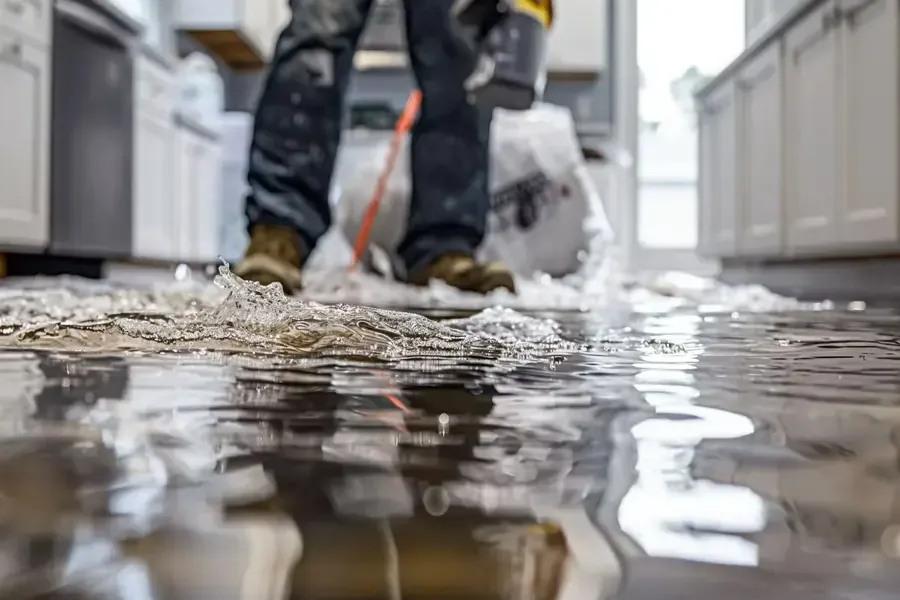
Water Damage Restoration Services in Sahuarita, AZ
A leaking supply pipe, a wet ceiling and dirty runoff need different cleanup plans. The service assessment follows the source and the materials affected.
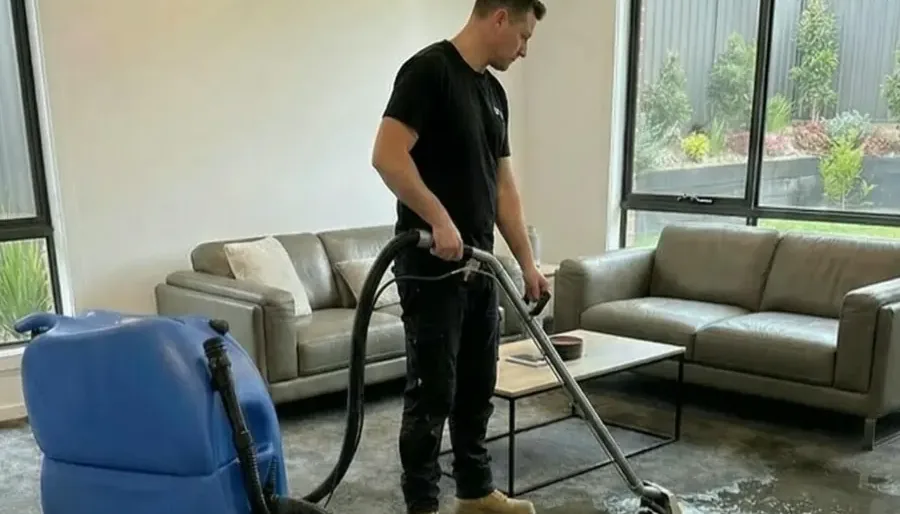 WD 01Water ExtractionStanding water leaves the room before air movers tackle moisture held inside building materials.Explore this cleanup
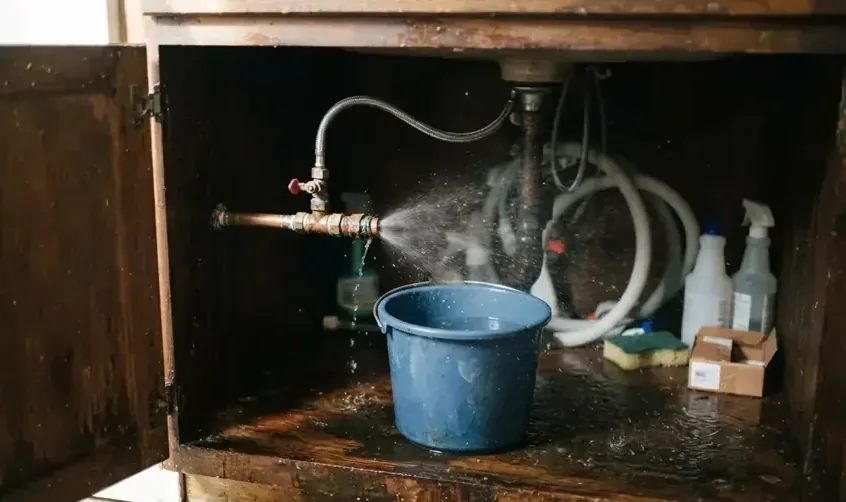 WD 02Burst Pipe Water DamageAn isolated supply break still needs moisture checks along the route the escaping water followed.Explore this cleanup
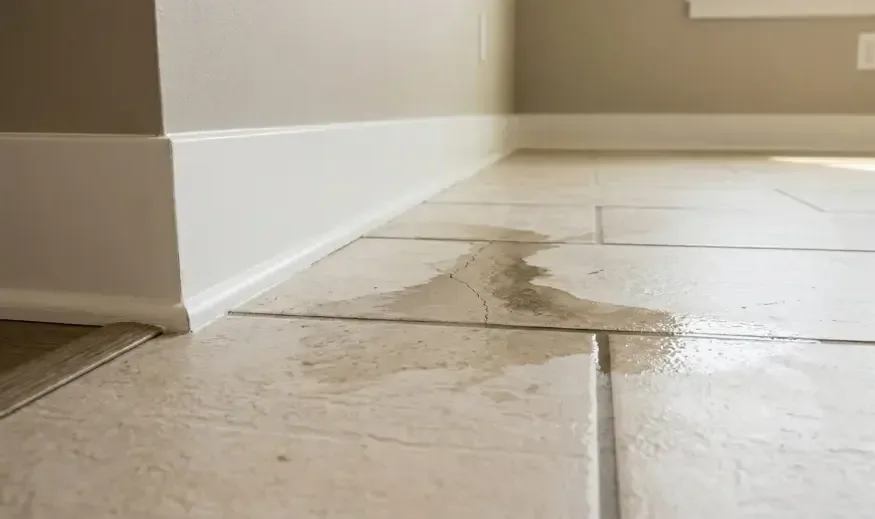 WD 03Slab Leak Water DamageDamp floor edges can conceal water beneath a finish and inside the bottom of adjoining walls.Explore this cleanup
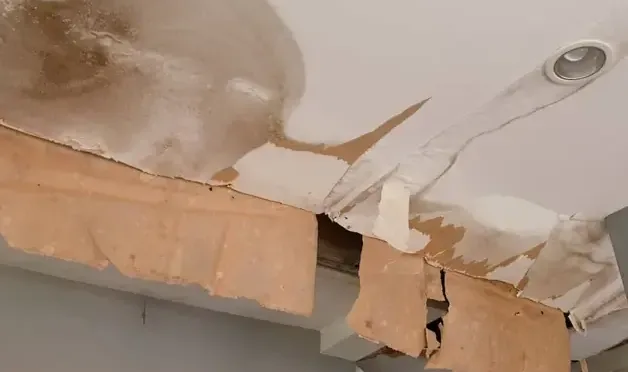 WD 04Ceiling Leak Water DamageA sagging ceiling calls for restricted access and an inspection of the space above the stain.Explore this cleanup
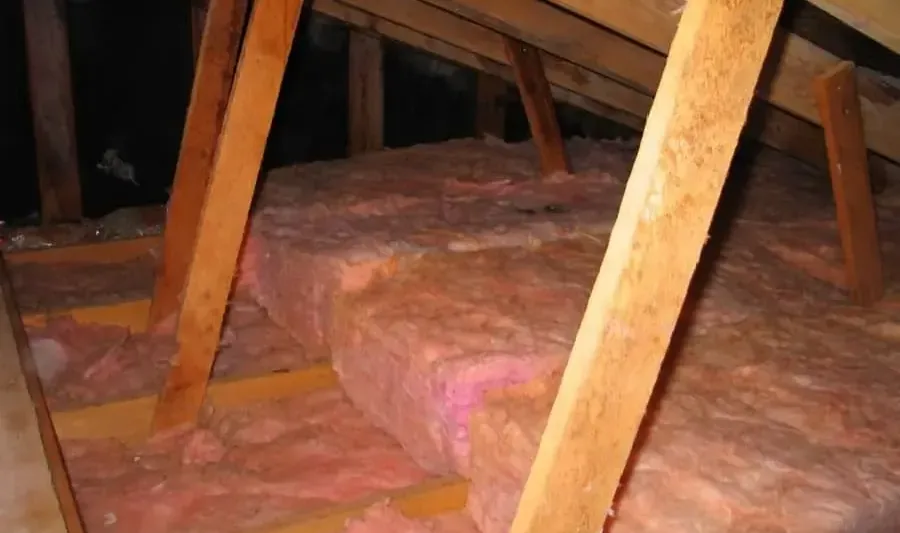 WD 05Roof Leak Water DamageRoof entry can wet insulation and framing before any drip reaches the occupied room.Explore this cleanup
 WD 06Storm Water DamageRain entering at an opening needs source control while the crew checks the interior spread.Explore this cleanup
 WD 07Flood CleanupMuddy ground runoff requires contamination controls and removal decisions before structural drying starts.Explore this cleanup
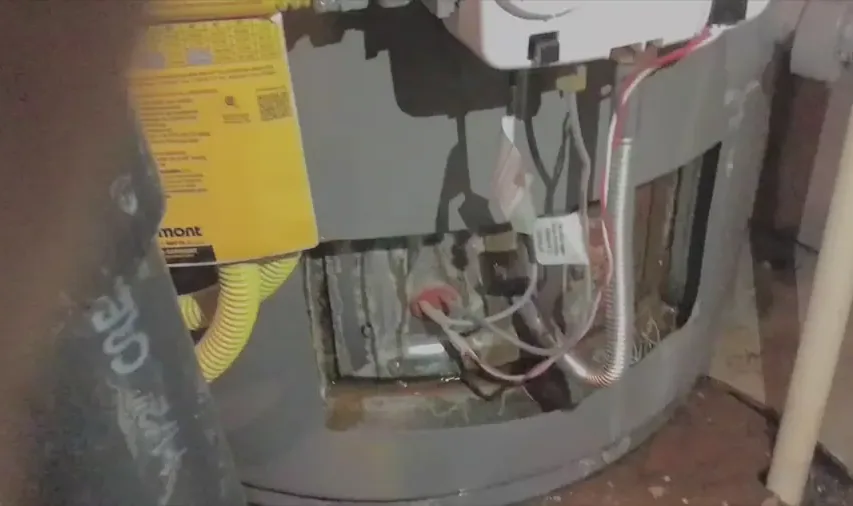 WD 08Water Heater Leak CleanupA failed tank can leave water beneath nearby storage, wall plates and flooring transitions.Explore this cleanup
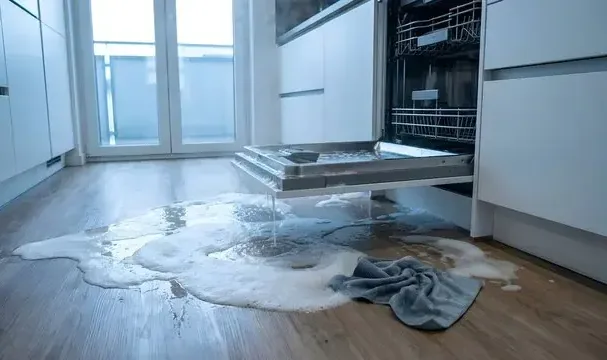 WD 09Appliance Leak Water DamageWasher and dishwasher losses need checks behind cabinets and beneath the machine that leaked.Explore this cleanup
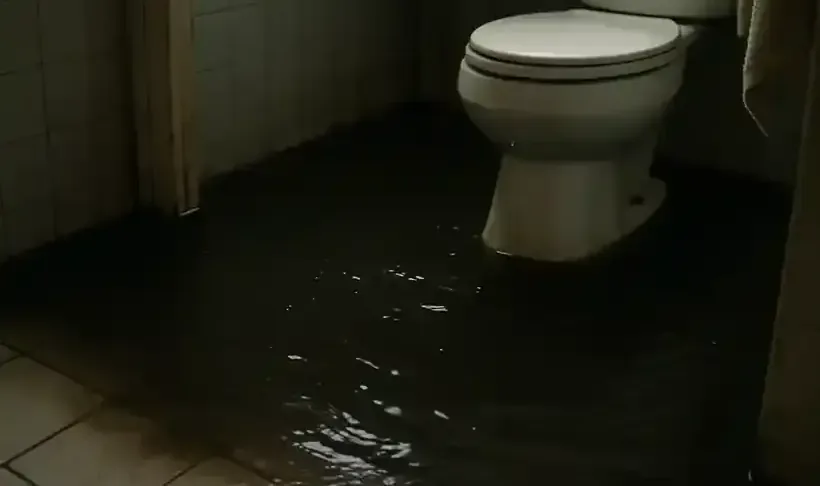 WD 10Toilet Overflow CleanupThe source and contents of the overflow determine whether porous finishes can remain.Explore this cleanup
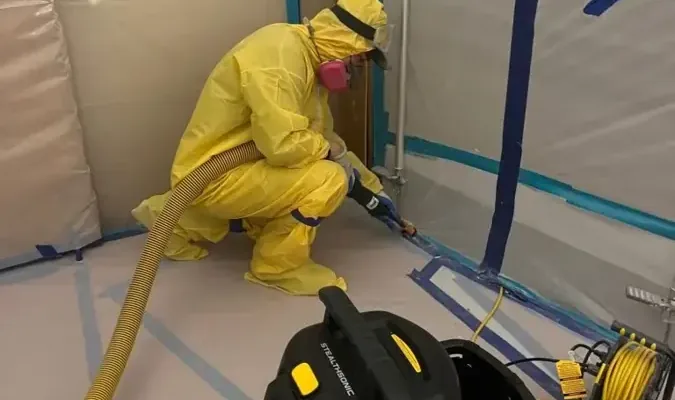 WD 11Sewage Backup CleanupCategory 3 water demands containment, contaminated-material removal and careful cleaning of exposed surfaces.Explore this cleanup
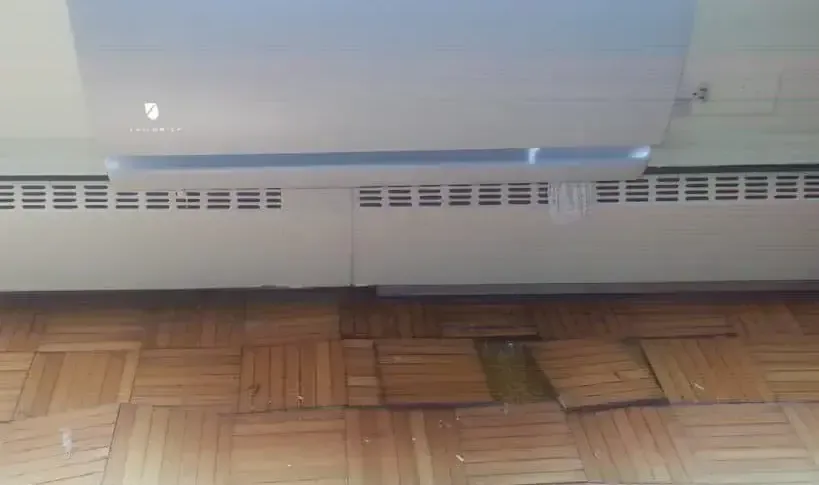 WD 12Hardwood Floor Water DamageCupping and wet seams require readings through the floor assembly before a repair decision.Explore this cleanup
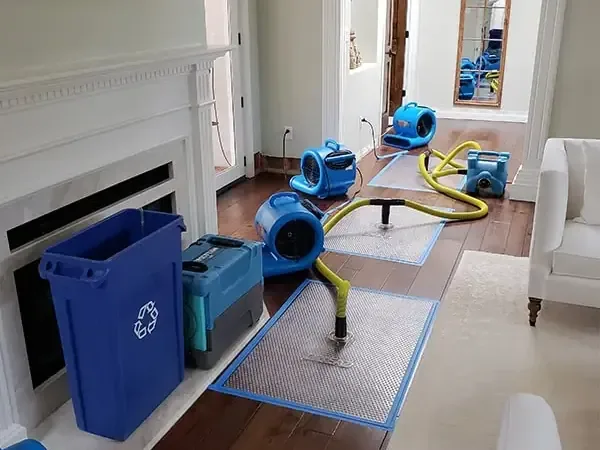 WD 13Structural DryingDaily measurements show whether the wall, floor or framing is moving toward its drying goal.Explore this cleanup
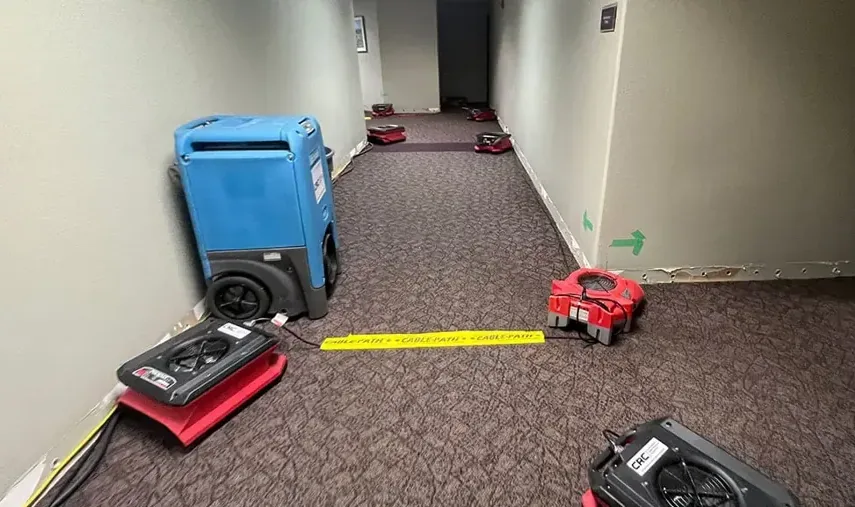 WD 14Commercial Water DamageOccupied workspaces need safe access routes and a drying plan around the affected operations.Explore this cleanup
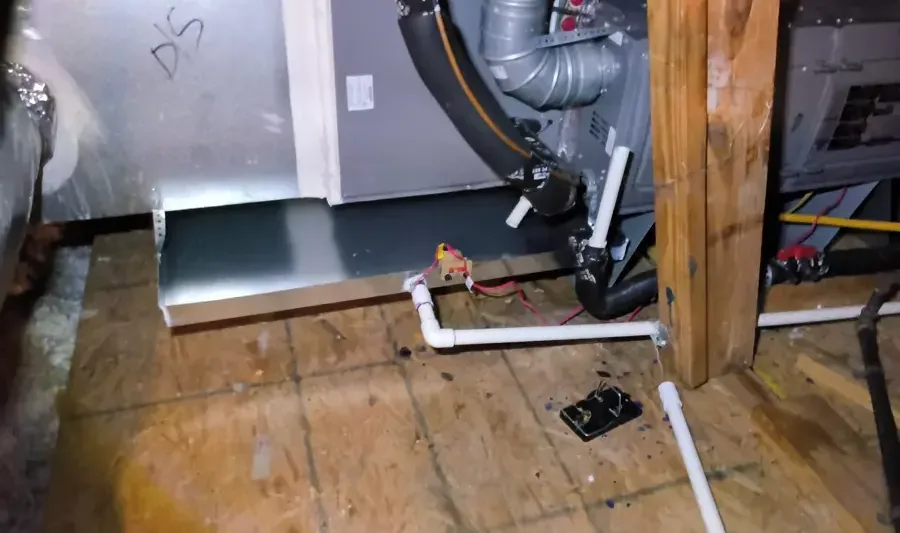 WD 15AC Leak Water DamageA blocked condensate drain may soak a closet, ceiling or platform around the air handler.Explore this cleanup
What to do while the water is still moving
Separate people from hazards
The household keeps clear of wet electrical equipment, a sagging ceiling and dirty runoff. A safe exit takes priority over furniture or floor coverings.
Stop a known supply leak
The owner closes an accessible water valve only from a dry, safe position. An uncertain source needs a qualified repair specialist instead of trial-and-error dismantling.
Keep sewage contained
Residents stop using affected fixtures when drains back up. Children and pets stay outside the wet area, and household fans remain off around contaminated material.
Record the starting condition
The owner photographs the source, water marks and damaged belongings from a safe location. The restoration team adds material readings before controlled removal or drying.
Arrange access for assessment
A manager or owner identifies locked rooms and permission requirements. The water extraction service begins with safe access and source control.
A dry floor surface does not settle the question. The drying team tests the materials underneath before closing the loss.
(888) 949-8496Stop the spread indoorsWhy a small leak needs a wider inspection
Water follows flooring seams, wall bases and cabinet recesses. The restoration assessment checks connected materials rather than assuming the wet patch marks the boundary.
- A moisture map showing each tested room and material
- Timestamped photographs before any controlled demolition begins
- Daily air-condition and material-moisture readings during drying
- The water category and material class used for planning
- An itemized scope separating mitigation from replacement work
How a water loss is handled
Rapid local response
The response team prioritizes active water movement, unsafe ceilings and contaminated rooms. The first assessment identifies the immediate work and the repair needed to stop another release.
IICRC S500 drying standard
The drying specialist compares affected material with a dry reference. Equipment stays in place until readings support the goal, with the plan adjusted as evaporation slows.
Claim-ready documentation
Photographs, moisture maps and equipment logs explain the cleanup decisions. A clear scope separates extraction, drying, removal and repair so the owner can review each part.
Local water experts
Rancho Resort, Madera Highlands and Los Arroyos require property-specific inspection. The crew checks actual materials and access instead of assigning a building type from its neighborhood.
Water damage dried to the IICRC S500 standard
The IICRC S500 standard frames a measured drying process. The specialist maps wet material, manages evaporation and checks progress against an appropriate unaffected reference.
| 01 | Inspect the water path. The technician traces the release across connected rooms and records moisture in visible and concealed materials. Starting photographs and a room map establish the working boundary before equipment enters. |
|---|---|
| 02 | Remove the bulk water. The extraction crew selects a wand, portable extractor or pump for the surface and water depth. Removing liquid first reduces the moisture that dehumidifiers must later collect from the air. |
| 03 | Control the drying environment. The drying team directs air across suitable exposed materials and controls humidity with dehumidification. The specialist monitors temperature, air moisture and material readings rather than relying on outdoor heat. |
| 04 | Verify the remaining materials. The final inspection compares the affected assembly with its drying goal and identifies any remaining wet pockets. The contractor records results and distinguishes completed mitigation from reconstruction still needed. |
Documentation for your insurance claim
The claim file explains what became wet, what the crew removed and how the remaining materials dried. The owner keeps that record alongside the repair authorization and insurer correspondence.
Check the applicable policy
An insurer evaluates sudden water releases differently from long-term leakage, sewer backup or outside flooding. The policy and any endorsements determine the coverage decision.
The property owner asks the insurer about exclusions, deductibles and required documentation. A restoration estimate describes proposed work; the insurer determines coverage from the policy terms.
What does water damage restoration cost in Sahuarita, AZ?
Typical water damage cleanup can range from $1,000 to $8,000, with extensive contaminated losses costing more. Water category, wet square footage, material class and the delay before drying determine the work rather than the size of the first visible stain.
Contained clean-water loss
$1,000 to $2,500- Extraction from a limited area
- Accessible wall and floor drying
- Documented moisture checks
Several affected rooms
$2,500 to $8,000- More equipment and drying zones
- Wet trim or finish removal
- Daily progress measurements
Extensive contaminated loss
$8,000 to $20,000+- Controlled removal and disposal
- Cleaning before drying starts
- Complex access and material layers
These are planning ranges, not a property-specific quote. Source repair and replacement finishes can add cost. The cost calculator shows how changing the assumptions changes a preliminary range.
From the first inspection to a measured finish
- 1
Inspect the water path
The technician traces the release across connected rooms and records moisture in visible and concealed materials. Starting photographs and a room map establish the working boundary before equipment enters.
- 2
Remove the bulk water
The extraction crew selects a wand, portable extractor or pump for the surface and water depth. Removing liquid first reduces the moisture that dehumidifiers must later collect from the air.
- 3
Control the drying environment
The drying team directs air across suitable exposed materials and controls humidity with dehumidification. The specialist monitors temperature, air moisture and material readings rather than relying on outdoor heat.
- 4
Verify the remaining materials
The final inspection compares the affected assembly with its drying goal and identifies any remaining wet pockets. The contractor records results and distinguishes completed mitigation from reconstruction still needed.
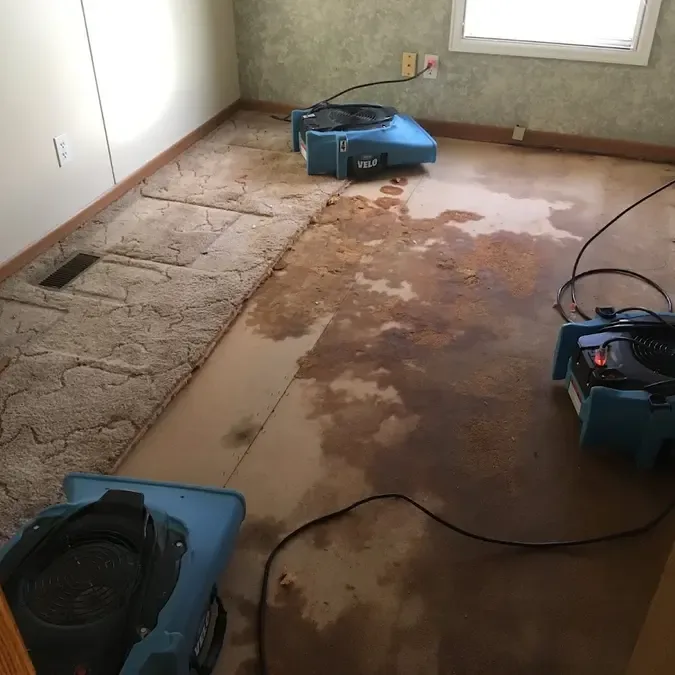
Sahuarita water damage pros, available 24/7
The local response begins with the affected property, the water source and safe access. A leak beside a cabinet requires different testing from runoff through an exterior doorway.
The contractor scopes water removal and drying separately from the repair that prevents another loss. The household receives a clearer account of what needs attention now and what follows.
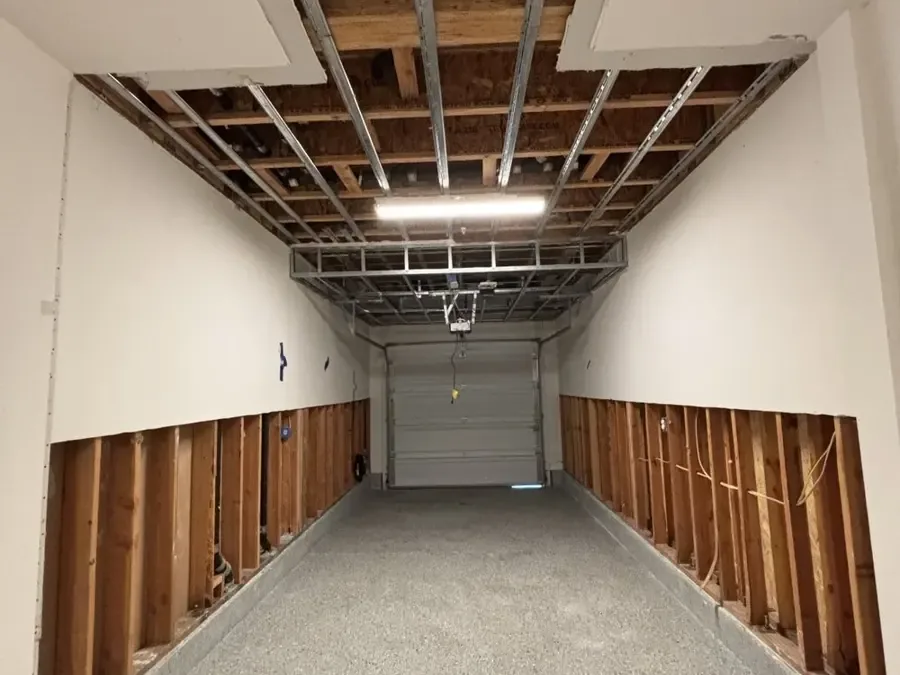
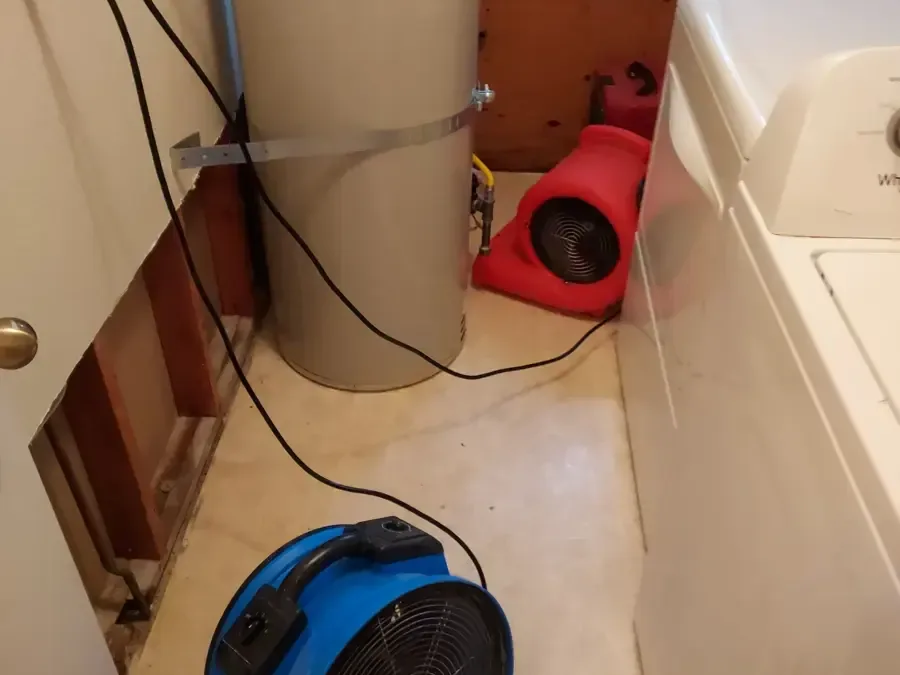
Read about the drying approachWhat a water damage dry-out looks like in Sahuarita
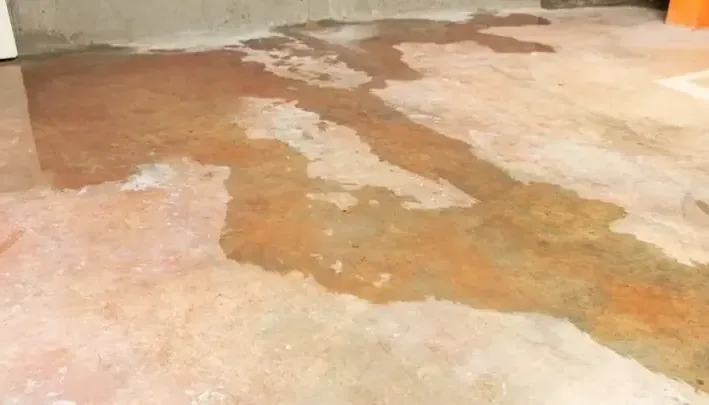
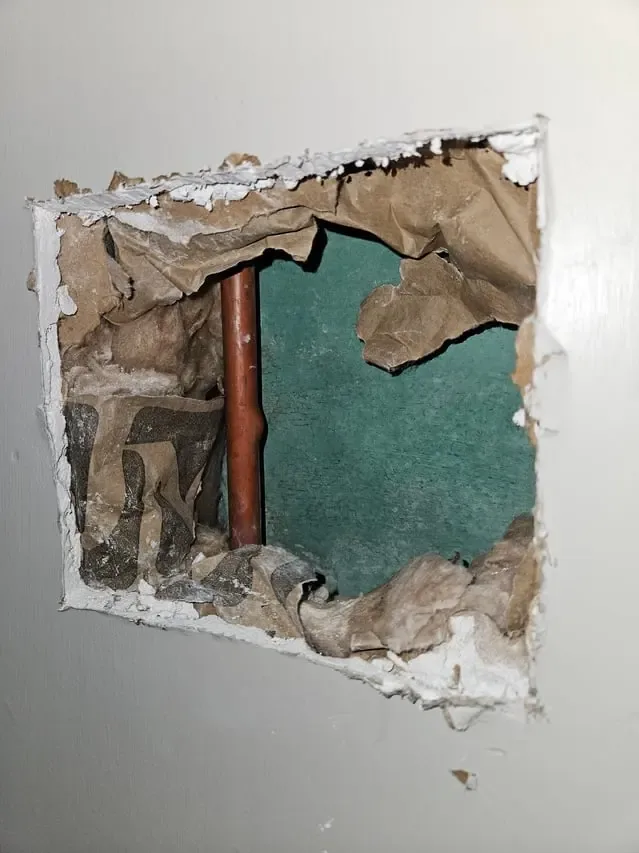
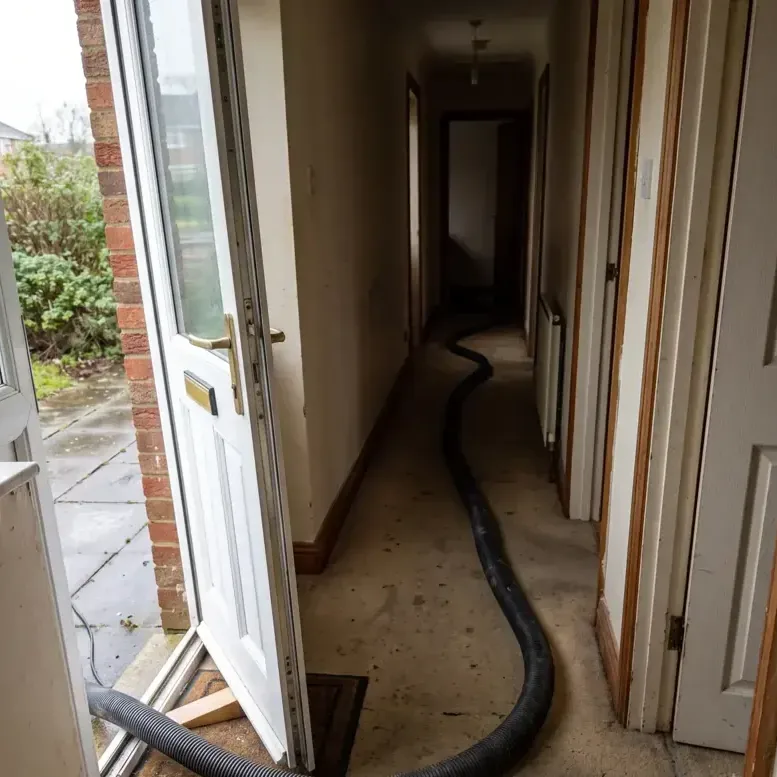
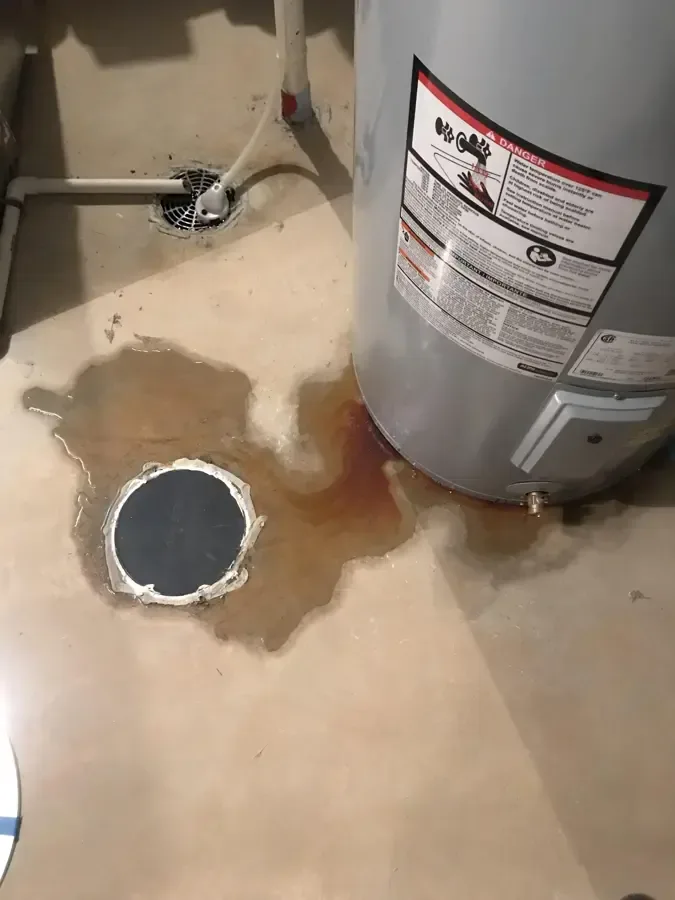
All water damage categories covered in Sahuarita, AZ
Category 1
A fresh sanitary supply release can start as Category 1. The assessor still checks exposure time and materials before choosing a drying method.
Supply-pipe damageCategory 2
Discharged appliance water can carry contamination. The crew evaluates contact and affected finishes instead of treating every clear-looking puddle as clean water.
Appliance lossesCategory 3
Sewage and outdoor floodwater need strict separation from occupied areas. Contaminated porous material requires removal, followed by cleaning and controlled structural drying.
Sewage cleanup detailsWater damage coverage in Sahuarita, AZ
Nearby communities
Sahuarita water damage pros, available 24/7
A dry floor surface does not settle the question. The drying team tests the materials underneath before closing the loss.
(888) 949-8496Describe the spreading waterLocal conditions that shape the assessment
The Santa Cruz River runs through the town, and monsoon weather can change drainage quickly. Indoor plumbing and appliance releases still need separate source investigation.
- Seasonal runoff. The county explains that desert watercourses and sheet flow can create hazards outside obvious channels. A parcel review is more useful than guessing from a dry street.
- Separate water suppliers. The town does not provide drinking water. The owner checks the supplier for the property before reporting a suspected utility-side leak or interruption.
- Wastewater responsibility. The municipal wastewater system collects and treats sewage. The owner confirms the serving utility and blockage location instead of assuming a drinking-water company handles a backup.
- Different building histories. Valle Verde del Norte dates to 1979, while other neighborhoods have different development histories. The inspector identifies the flooring and plumbing in the affected rooms, then selects moisture tests suited to those materials.
- Repair review. The Building Safety Division describes permit review for many alterations and repairs. The repair contractor checks the applicable requirements before opening or rebuilding structural assemblies.
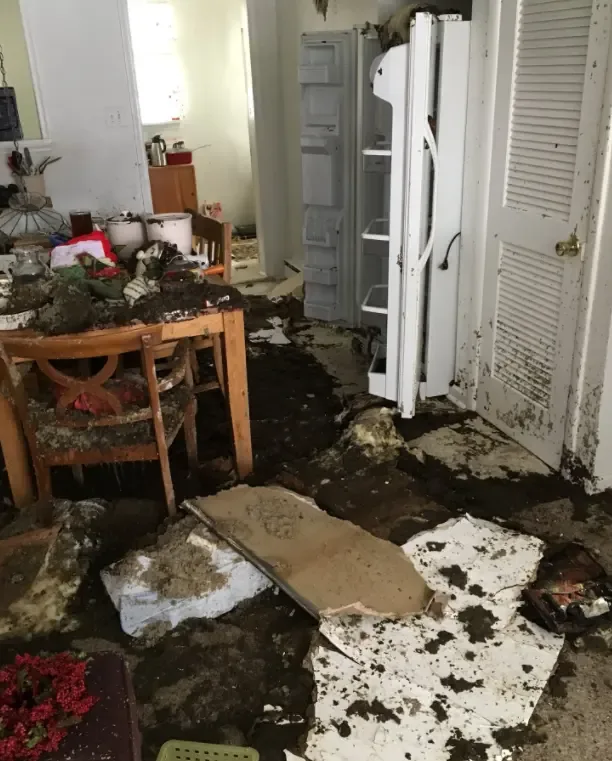
Regional flood reporting. KGUN describes damaged homes and muddy access in the surrounding area. That history supports preparation; each property still needs an assessment of its own drainage and exposure.
Water damage questions in Sahuarita, AZ
What should happen before drying equipment starts?
The source needs control and the area needs a safety assessment. The extraction crew removes standing water, while the technician records wet materials and identifies contamination. Air movers come after those decisions, not before a sewage-contaminated room has been cleaned.
Does a dry-looking tile floor mean cleanup is finished?
Tile can hide wet grout beds, adjoining wall bases and moisture below a floor finish. The drying specialist tests the assembly and nearby materials. A surface that feels dry gives limited information about what remains underneath cabinets or behind trim.
How does the crew decide that a room is dry?
The technician establishes a goal using unaffected material and suitable instruments. Daily readings show progress toward that goal. The final record considers the material type and meter scale; a calendar estimate alone cannot prove that a concealed assembly is ready for repairs.
Can monsoon water and a pipe leak use the same cleanup plan?
The source changes the contamination assessment. Outdoor runoff can carry soil and waste, while a fresh sanitary supply release may allow more materials to dry in place. The contractor inspects the exposure and selects containment, removal and cleaning accordingly.
Does insurance cover every water loss?
Coverage depends on the policy, the cause and any endorsements. A sudden pipe release, sewage backup and surface flood can receive different treatment. The owner keeps photographs, readings and the itemized scope for the insurer, which reviews coverage and makes the payment decision.
Can a resident leave the equipment off overnight?
Interruptions can slow evaporation and allow humidity to rise. The drying team explains equipment operation and any access precautions. An unusual smell, electrical concern or equipment fault needs prompt attention from the contractor rather than an unrecorded change to the setup.
When does wet drywall need removal?
The assessor considers contamination, loss of strength and access to trapped moisture. Intact clean-water drywall may dry under suitable conditions. Dirty floodwater or sewage exposure changes the decision, and a sagging ceiling requires restricted access before anyone works beneath it.
Who repairs the leak itself?
A plumbing, roofing or equipment specialist addresses the failed source as appropriate. Restoration work removes water and dries affected materials. The scope should identify each responsibility so a repaired appliance does not leave wet cabinetry and a dried room does not face another leak.
Is urgent assistance available after business hours?
Water loss dispatch is available 24/7. The response team confirms the location, safety conditions and access before arranging an assessment. Arrival timing varies with current conditions; an active electrical danger or unsafe building requires emergency assistance first.
Water spreading inside a local home?
The extraction crew and drying specialist address the source path, affected materials and documented drying goal.