After outdoor water enters

Flood Cleanup in Sahuarita, AZ

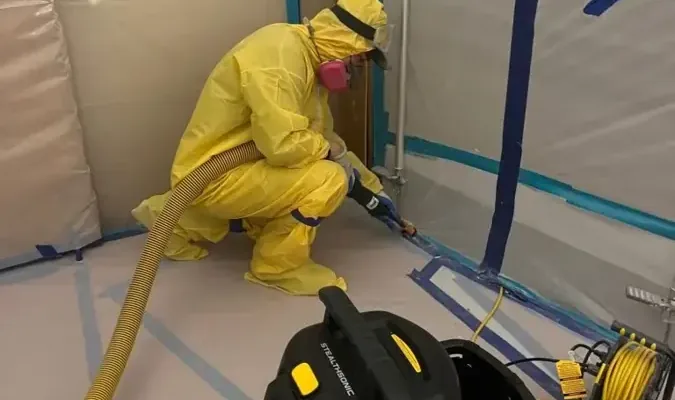
Floodwater brings a contamination problem as well as moisture. The cleanup team separates the affected area, removes unsuitable porous materials and cleans retained surfaces before structural drying begins.

(888) 949-8496Plan the dirty-water cleanup
24/7 flood-loss dispatch Containment before drying Porous-material removal assessment
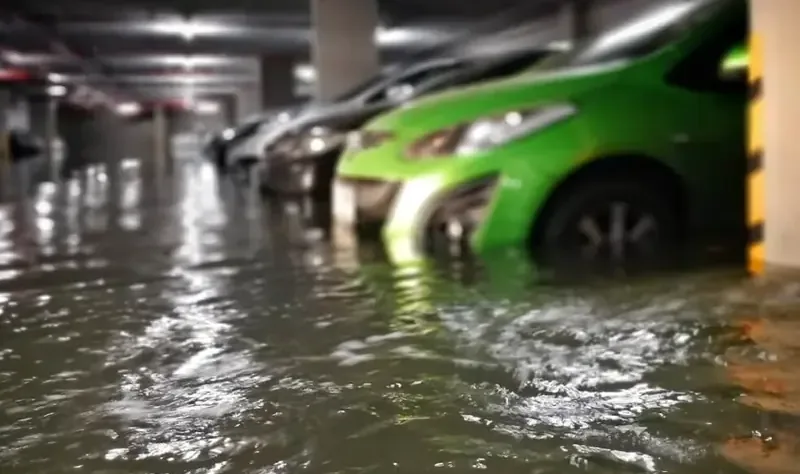
Floodwater across a parking garage floor beside parked vehicles
Immediate priorities

Flood Cleanup: first steps

  1. 1

    Wait for a safe building

    Residents follow emergency instructions and avoid reentry until the relevant hazards have been assessed. Standing water can hide damaged surfaces and energized equipment even after outdoor flow has receded.

  2. 2

    Keep contamination in one zone

    The household keeps children and pets away from the wet rooms. Shoes, belongings and tools should not carry dirty water into unaffected spaces while the cleanup plan is being established.

  3. 3

    Document from the dry side

    The owner records visible water marks and damaged contents without entering unsafe water. The contractor adds photographs and a material inventory before removing contaminated finishes or debris.

  4. 4

    Leave drying fans off initially

    Uncontrolled airflow can spread contaminants before cleanup. The crew first assesses removal and cleaning needs, then establishes the controlled drying setup for materials that are suitable to retain.

Assessment and control

How flood cleanup is handled

Rapid local response

The response team prioritizes active water movement and unsafe access. The first assessment separates source control from extraction, so a stopped leak does not leave hidden wet materials untreated.

IICRC S500 drying standard

The drying specialist sets a material-specific goal using unaffected reference readings. Airflow and dehumidification follow the evaporation load, with equipment adjusted when the daily measurements show a change.

Claim-ready documentation

The project file records the water source, affected rooms, material condition and work performed. Photographs and moisture logs let the owner and insurer examine the scope without relying on a dry-looking surface.

Local water experts

The site assessment checks the building actually affected, including access restrictions and shared assemblies. The restoration contractor distinguishes cleanup from plumbing, roof or equipment repair before recommending the next step.

Planning the cleanup

What does flood cleanup cost in Sahuarita, AZ?

Flood cleanup often ranges from $3,000 to $15,000, with widespread contamination or major material removal exceeding that range. Wet area, debris, access, material layers and disposal needs shape the cost. Reconstruction and outside drainage repair may be separate work.

A contained runoff entry

$3,000 to $5,500
  • Controlled water removal
  • Localized contaminated finishes
  • Cleaning and moisture checks

Multiple contaminated rooms

$5,500 to $15,000
  • Protected debris routes
  • Broader porous-material removal
  • Drying of exposed structure

Extensive building wetting

$15,000 to $30,000+
  • Complex containment and access
  • Large disposal requirements
  • Detailed restoration planning

Category, wet square footage, material class and the delay before drying determine the scope. Repairing the source and replacing finishes may add separate charges. Compare the assumptions with the water damage cost calculator.

Work sequence

Flood Cleanup process

The crew records the starting condition, adjusts the equipment and verifies the result.

  1. 1

    Establish access and contamination controls

    The contractor evaluates building hazards, the water path and the material exposure before work starts. Each property near the Santa Cruz River needs a direct safety assessment after flooding. The team records the observed loss and separates affected rooms from clean routes for occupants and equipment.

  2. 2

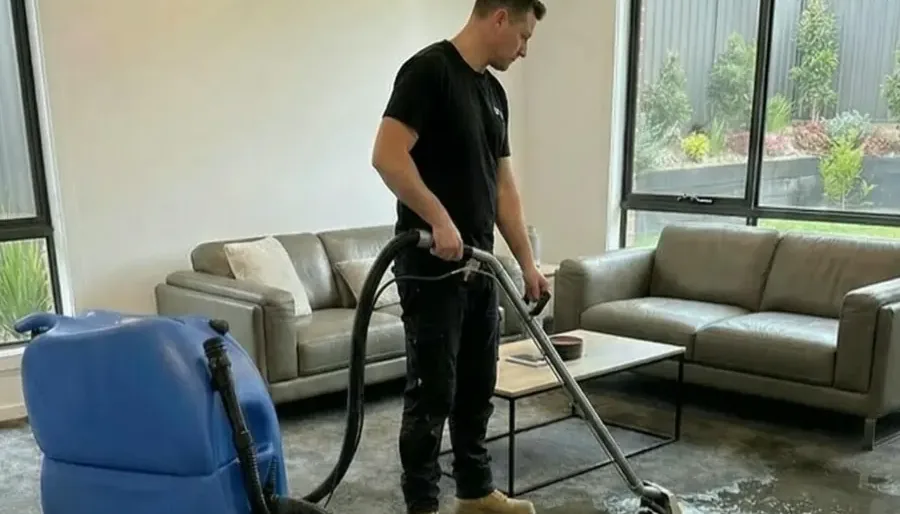
    Remove water and unsuitable materials

    The crew extracts accessible floodwater and handles debris through controlled routes. Porous materials that cannot remain after contamination receive documented removal, including concealed layers where exposure extends beyond a visible mark. The owner receives an explanation of the boundary rather than an arbitrary removal height.

  3. 3

    Clean the exposed retained surfaces

    The cleanup team removes soil and residues before applying any suitable product according to its label. Cleaning and drying serve different purposes, and an antimicrobial does not replace physical removal of contamination. The contractor checks access to framing and other retained surfaces before beginning the dry-out.

  4. 4

    Measure the structural dry-out

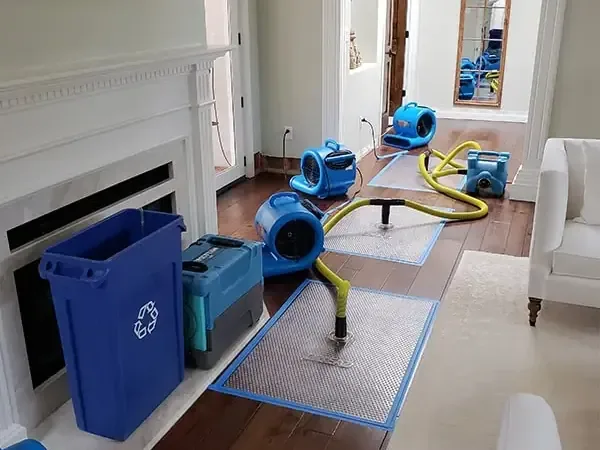
    The drying specialist uses dehumidification and directed airflow after cleaning, monitors material readings and adjusts equipment to the remaining load. Final records identify what stayed, what left the building and what still requires reconstruction. A cleared floor alone does not demonstrate that the structure is ready to close.

SourceOutdoor floodwater
ControlSeparate dirty and clean routes
MaterialsAssess contaminated porous layers
SequenceRemove, clean, then dry

Flood cleanup in Sahuarita begins with safe access and contamination control. Water that crossed the ground can leave material behind after the visible liquid disappears, so a simple extraction-and-fan approach is incomplete.

Understanding the outdoor water path

Pima County describes desert watercourses and sheet flow that can affect areas beyond a clearly defined channel. The town's Santa Cruz River setting gives that warning local relevance. Neither fact determines a particular home's flood zone or the depth of an individual event.

The contractor documents the actual entry route, visible soil and affected materials. At a property in Los Arroyos, the inspection follows the water through doorway thresholds, flooring layers and wall bases. An official parcel review answers mapping questions; the cleanup assessment answers what became wet inside the building.

  • Dirty water can enter absorbent material above the most obvious visible water mark.
  • Cabinet bases and covered wall cavities may retain residues after the open floor is cleaned.
  • Wet contents need handling decisions that keep contamination out of unaffected rooms.
  • Electrical and structural hazards require appropriate specialists before the restoration sequence proceeds.

Why removal can precede drying

Contaminated porous finishes cannot always be restored by drying in place. The assessor documents the exposure and explains which layers need removal. The cleanup crew then reaches the retained structure for physical cleaning. Product application follows label requirements and does not replace that cleaning step.

The sewage cleanup service addresses related Category 3 controls. A contractor should explain the contamination decisions in plain terms so the owner understands why a flood loss can involve more removal than a fresh sanitary supply leak of similar size.

Records for recovery and rebuilding

The dry-out begins after suitable access and cleanup. Technicians establish repeatable test points, compare materials with appropriate reference conditions and document equipment changes. The final moisture record supports reconstruction planning without claiming that every material follows the same drying schedule.

Rancho Resort owners and managers also need a clear distinction between mitigation and future source-prevention work. A drainage or envelope specialist addresses those issues separately. The insurer decides coverage under the relevant policy, including any flood coverage; the restoration team provides photographs, removal notes and a measured scope. The cost calculator remains a planning aid rather than an insurance decision.

Practical answers

Flood Cleanup questions in Sahuarita, AZ

Is clear floodwater safe to touch?

Clear-looking floodwater can still carry contaminants. Outdoor water can carry contaminants without obvious discoloration or odor. The household avoids contact and lets the contractor assess the source, exposure and building hazards before cleanup. Children and pets should remain outside the affected area.

Can the team dry flood-soaked carpet in place?

Contaminated porous flooring and pad generally require removal rather than ordinary in-place drying. The assessor documents the exposure and condition of each layer. The crew then cleans retained surfaces and prepares the underlying structure for controlled drying before replacement materials return.

Should fans run while waiting for cleanup?

The household should avoid uncontrolled airflow through a contaminated space. Air movement can spread material into clean rooms before removal and cleaning occur. The contractor determines when the work area is ready for a drying setup and how to keep it separated from occupants.

Does a flood map prove that the house is safe?

A map does not inspect building damage, electrical hazards or contamination. It also may not show every possible local flow path. The appropriate authority handles parcel hazard questions, while emergency and restoration specialists assess conditions at the affected property.

What should be photographed before removal?

Safe photographs can show water marks, affected rooms, contents and visible debris. The contractor adds close documentation once access permits it. No one should enter dangerous water or stand beneath unstable material merely to obtain a better image for an insurance file.

Does ordinary property insurance cover floodwater?

Coverage depends on the policy and the source of the water. Surface flooding may require separate flood coverage, while other water losses follow different terms. The owner confirms the applicable coverage with the insurer and retains the cleanup scope and moisture records for review.

Service area

Flood cleanup coverage

Sahuarita, AZ

The restoration team covers ZIP 85629, including Rancho Resort, Quail Creek, Madera Highlands and Los Arroyos. Access, water source and the affected rooms shape the initial assessment.

Neighborhoods and communities served

24/7 water damage dispatch

Prepare the wet structure for a clean rebuild

The cleanup crew removes contamination before the drying team measures the retained materials. The owner receives records that distinguish mitigation from reconstruction.

(888) 949-8496Arrange the runoff-damage assessment
(888) 949-849624/7 dispatch