The tank is only the starting point

Water Heater Leak Cleanup in Sahuarita, AZ

A leaking tank can wet wall bases and connected rooms before the puddle becomes obvious. The cleanup crew extracts released water and tests the surrounding materials after safe source control.

(888) 949-8496Assess the leaking-tank damage
24/7 tank-loss dispatch Wall-base and floor checks Source repair and drying separated
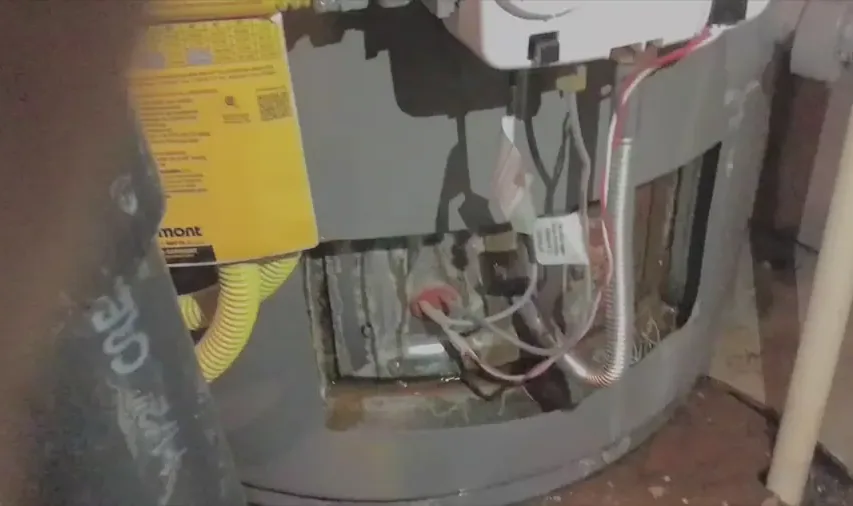
Open lower access panel exposing components inside a tank water heater
Immediate priorities

Water Heater Leak Cleanup: first steps

  1. 1

    Avoid the hot or energized equipment

    The household stays clear of leaking hot water and wet electrical components. A qualified appliance or plumbing specialist handles energy isolation and source work when the controls or conditions are uncertain.

  2. 2

    Limit supply only if safely accessible

    The owner may close a known safe water valve without entering a wet electrical area. A difficult or damaged valve needs professional attention rather than force or improvised disassembly.

  3. 3

    Check the surrounding rooms visually

    The occupant reports damp wall bases, doorway seepage and wet stored items from a safe location. The technician then measures beyond the tank platform to determine the real boundary.

  4. 4

    Coordinate replacement access

    The owner identifies access for removal of the failed heater and the drying equipment. The contractor documents wet materials before a replacement appliance or new platform conceals them again.

Assessment and control

How water heater leak cleanup is handled

Rapid local response

The response team prioritizes active water movement and unsafe access. The first assessment separates source control from extraction, so a stopped leak does not leave hidden wet materials untreated.

IICRC S500 drying standard

The drying specialist sets a material-specific goal using unaffected reference readings. Airflow and dehumidification follow the evaporation load, with equipment adjusted when the daily measurements show a change.

Claim-ready documentation

The project file records the water source, affected rooms, material condition and work performed. Photographs and moisture logs let the owner and insurer examine the scope without relying on a dry-looking surface.

Local water experts

The site assessment checks the building actually affected, including access restrictions and shared assemblies. The restoration contractor distinguishes cleanup from plumbing, roof or equipment repair before recommending the next step.

Planning the cleanup

What does water heater leak cleanup cost in Sahuarita, AZ?

Water heater leak mitigation typically costs $800 to $5,000 for water removal and drying around the appliance. Tank replacement, plumbing connections and energy-system work are separate unless included in writing. Water reaching adjoining rooms or concealed insulation can increase the cleanup scope.

A contained tank-area spill

$800 to $1,800
  • Accessible water removal
  • Platform and baseboard checks
  • Localized drying equipment

Water beyond the utility area

$1,800 to $5,000
  • Adjoining room assessment
  • Wet wall-base access
  • Daily material monitoring

Extensive hidden saturation

$5,000 to $11,000+
  • Connected floor layers
  • Selective finish removal
  • Repair and replacement coordination

Category, wet square footage, material class and the delay before drying determine the scope. Repairing the source and replacing finishes may add separate charges. Compare the assumptions with the water damage cost calculator.

Work sequence

Water Heater Leak Cleanup process

The crew records the starting condition, adjusts the equipment and verifies the result.

  1. 1

    Inspect the released-water route

    The assessor records the tank location, reported failure and safe access after the source specialist intervenes. The crew checks floor transitions and nearby storage that may hide spread. In Rancho Resort, the actual appliance location determines the inspection rather than an assumption that every heater occupies a garage.

  2. 2

    Extract around the affected assembly

    The operator removes standing water from accessible surfaces and checks beneath movable items. The contractor assesses wall bases, platforms and nearby flooring for retention or opening. Photographs preserve the condition before removal of the tank or damaged finishes changes the evidence available to the owner.

  3. 3

    Dry retained walls and flooring

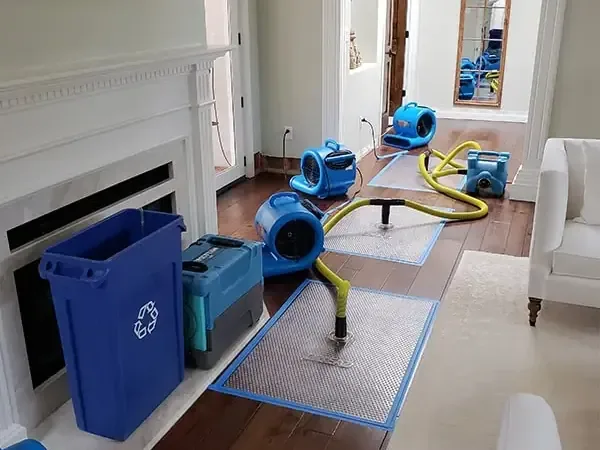
    Dehumidification and directed air movement address suitable exposed materials after contamination and access decisions. The technician repeats measurements at the platform, adjacent partitions and any connected room. Continued moisture can indicate trapped water or an unresolved release, so the team checks the trend rather than simply adding drying days.

  4. 4

    Clear the handoff to replacement work

    The contractor documents final moisture conditions and identifies what cannot yet be covered. The heater installer handles equipment replacement and applicable requirements, while finish repairs follow the drying findings. The owner receives separate scope entries for the failed appliance, mitigation and reconstruction so the completed tank installation is not mistaken for complete recovery.

Source equipmentLeaking tank or connection
Safety concernHot water and energy supply
Moisture pathPlatform, walls and nearby floors
ScopeCleanup separate from replacement

Water heater leak cleanup in Sahuarita extends beyond removing the failed tank. Water can collect behind storage, beneath a platform or along a wall base where an open-floor inspection misses the remaining moisture.

Assessing the space around the appliance

The source specialist identifies whether a connection, valve or tank caused the release. The restoration technician maps its effects. That division helps the owner understand why a successful appliance replacement can still leave cleanup and drying work in progress.

At a home in Quail Creek, the inspection follows the heater location and adjoining materials. Madera Highlands properties also require direct assessment rather than assumptions about appliance age or installation. The equipment specialist checks the tank and connections for the cause of the particular release.

  • Stored cartons can hide water spread and retain moisture against a wall.
  • A raised platform may conceal wet material below the appliance footprint.
  • Doorway transitions can carry water into flooring outside the utility space.
  • Replacement equipment should not conceal an assembly that still needs testing or drying access.

Controlling moisture after the tank leaves

The crew extracts visible water and evaluates the surrounding finishes. A wet lower wall may require access even when the paint appears intact. The drying specialist records the affected materials and selects equipment for the remaining load after removal and cleaning decisions.

The water extraction process explains the first removal phase. The later dry-out checks the assembly, not merely the floor appearance. The owner can ask which locations were tested and whether any covered platform or cabinet area still needs testing.

Keeping the replacement sequence clear

The town Building Safety Division describes permit review for many alterations, replacements and repairs. The installer checks the requirements for the actual heater work rather than assuming a blanket exemption. The restoration contractor documents moisture readiness before replacement finishes close affected areas.

Los Arroyos provides another local coverage point without implying identical equipment layouts. Each loss needs its own appliance repair status, moisture map and scope. The insurer decides coverage under the applicable policy, while the structural drying record explains why equipment remained and when the retained materials reached the goal.

Practical answers

Water Heater Leak Cleanup questions in Sahuarita, AZ

Does replacing the tank finish the cleanup?

Replacement controls the failed appliance when completed correctly, but nearby materials can remain wet. The restoration technician checks the platform, wall bases and connected flooring. Drying and finish repair should receive their own scope rather than disappear from the plan once hot water service returns.

Can a resident disconnect the heater?

Hot water, electrical equipment and other energy connections can create hazards. A qualified specialist should handle uncertain controls and disconnection. The household keeps clear of wet equipment and reports the release while arranging source control and an assessment of the affected building materials.

Why inspect stored items nearby?

Boxes and other belongings can conceal water and hold it against walls or flooring. The crew assesses safe handling and contamination before moving them. The resulting access allows more complete measurements than an inspection limited to the visible puddle at the tank base.

Is the water always clean?

The original source is only part of the assessment. The contractor also considers contact, exposure and material condition. A sanitary release may permit more retention, but the crew should not assume all water around an old tank remains suitable for drying porous finishes in place.

Does heater replacement require a permit?

Requirements depend on the actual work and the local authority. The installer checks the applicable rules with the Building Safety Division. The published town information does not justify a blanket exemption, and the mitigation scope does not replace the equipment installation requirements.

What cost items should be separated?

The scope should distinguish extraction, drying, wet-material removal, tank replacement, connection work and reconstruction. Some providers may combine tasks, but the written estimate should make that clear. The insurer evaluates coverage separately from the contractor’s explanation of the work required.

Service area

Water heater leak cleanup coverage

Sahuarita, AZ

The restoration team covers ZIP 85629, including Rancho Resort, Quail Creek, Madera Highlands and Los Arroyos. Access, water source and the affected rooms shape the initial assessment.

Neighborhoods and communities served

24/7 water damage dispatch

Dry the surrounding structure before the repair closes it

The cleanup team measures the walls, platform and flooring reached by the release, then documents the drying result separately from the heater replacement.

(888) 949-8496Arrange water-heater loss cleanup
(888) 949-849624/7 dispatch