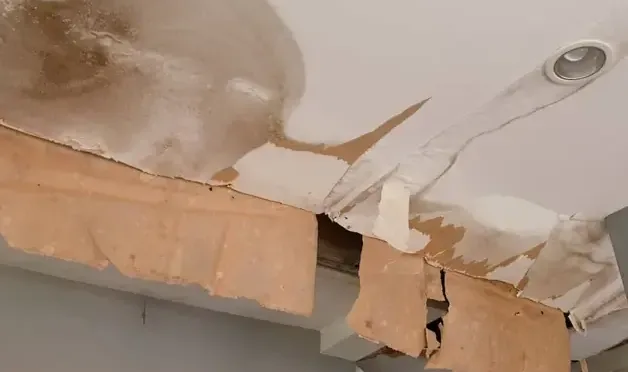
Rain entry through the envelope

Roof Leak Water Damage in Sahuarita, AZ

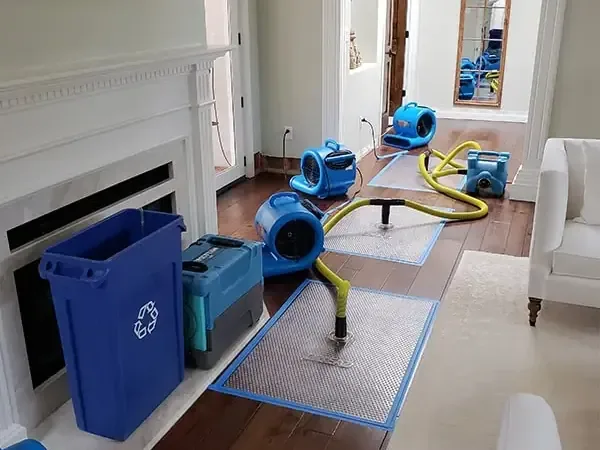
The restoration crew assesses wet attic materials and interior finishes after roof entry. A roofing specialist addresses the opening while controlled drying removes moisture from the affected building assembly.

(888) 949-8496Address rain inside the roof
24/7 rain-damage dispatch Attic and ceiling moisture checks Source repair kept separate
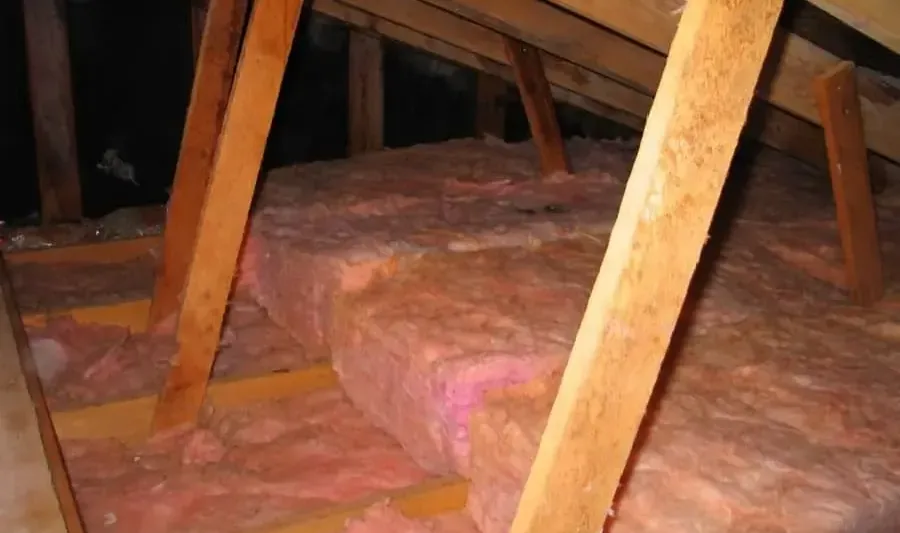
Exposed timber roof framing above pink insulation inside an attic
Immediate priorities

Roof Leak Water Damage: first steps

  1. 1

    Stay off the wet roof

    The owner reports the entry symptoms without climbing onto slick surfaces or entering a damaged attic. A roofing professional determines what access and temporary protection the conditions permit.

  2. 2

    Protect the occupied space

    Residents avoid sagging ceilings, wet lights and slippery flooring below the leak. A safe container can catch a drip only where the ceiling and electrical conditions present no hazard.

  3. 3

    Record the timing of entry

    The household notes rainfall, wind direction if observed and which rooms show moisture. The contractor uses those observations as leads while testing the actual water path through the building.

  4. 4

    Coordinate the two scopes

    The roofing specialist handles the envelope defect, and the drying contractor addresses wet interior materials. The owner keeps both scopes clear so temporary protection is not mistaken for a completed repair.

Assessment and control

How roof leak water damage is handled

Rapid local response

The response team prioritizes active water movement and unsafe access. The first assessment separates source control from extraction, so a stopped leak does not leave hidden wet materials untreated.

IICRC S500 drying standard

The drying specialist sets a material-specific goal using unaffected reference readings. Airflow and dehumidification follow the evaporation load, with equipment adjusted when the daily measurements show a change.

Claim-ready documentation

The project file records the water source, affected rooms, material condition and work performed. Photographs and moisture logs let the owner and insurer examine the scope without relying on a dry-looking surface.

Local water experts

The site assessment checks the building actually affected, including access restrictions and shared assemblies. The restoration contractor distinguishes cleanup from plumbing, roof or equipment repair before recommending the next step.

Planning the cleanup

What does roof leak water damage cost in Sahuarita, AZ?

Interior roof leak mitigation often costs $1,000 to $6,000, depending on the wet attic area, insulation and ceiling access. Roofing repair or temporary protection is usually a separate item. Multiple entry points and repeated wetting can increase both removal and drying requirements.

A localized interior leak

$1,000 to $2,200
  • Ceiling and attic checks
  • Accessible wet-material drying
  • Recorded source status

Broader attic saturation

$2,200 to $6,000
  • Insulation removal decisions
  • Framing and wall-path tests
  • Controlled dehumidification

Repeated or extensive entry

$6,000 to $14,000+
  • Several affected assemblies
  • More restricted-access work
  • Detailed rebuilding handoff

Category, wet square footage, material class and the delay before drying determine the scope. Repairing the source and replacing finishes may add separate charges. Compare the assumptions with the water damage cost calculator.

Work sequence

Roof Leak Water Damage process

The crew records the starting condition, adjusts the equipment and verifies the result.

  1. 1

    Map entry and interior effects

    The assessor checks the rooms below the reported roof problem and accessible attic materials. Rain may follow a member before reaching a ceiling, so the map separates the apparent exit from the suspected entry. Near Nogales Highway, as elsewhere, actual inspection determines the path rather than a presumed roof design.

  2. 2

    Coordinate weather protection

    The roofing specialist evaluates the defect and safe protection while the restoration team documents interior conditions. The crews distinguish temporary stabilization from permanent repair. The owner can then understand which work limits another wetting event and which work removes moisture already stored inside the building.

  3. 3

    Expose and dry suitable materials

    Saturated insulation or damaged ceiling finish may need controlled removal for access. The technician measures retained framing and manages the drying environment around it. Air movement and dehumidification respond to the assembly and moisture readings, with special attention to covered corners that an open room does not ventilate.

  4. 4

    Verify after the source work

    The contractor records final moisture checks and the reported status of roof repair. Repeated entry requires a new source review before interior finishing. The claim file preserves photographs and removal decisions so the owner can distinguish the original wetting, mitigation work and reconstruction still awaiting approval.

Entry routeRoof or flashing defect
Hidden materialsInsulation and roof framing
CoordinationRoof repair plus interior drying
Follow-upCheck for renewed wetting

Roof leak water damage in Sahuarita involves the building envelope as well as the room beneath it. A ceiling patch can be the last visible part of a longer water path through insulation, framing and adjoining walls.

Tracing rainfall through the assembly

The inspection distinguishes rain entry from plumbing and cooling-system discharge. A stain that appears during a storm is a useful observation, but the roof specialist still needs to identify the defect. The restoration technician records where moisture remains and how far it extends beyond the stain.

At properties in Quail Creek and Madera Highlands, the assessment follows water from the roof opening through the attic and into affected rooms. The contractor examines the actual construction, access and material condition. A safe inspection may require waiting for suitable roof conditions while the interior hazard receives appropriate attention.

  • Water can travel along roof framing and appear away from the envelope defect.
  • Compressed or saturated insulation may keep adjacent wood wet after the drip stops.
  • A wet ceiling below an attic requires electrical and structural safety checks.
  • Temporary weather protection limits exposure while the roofing specialist determines the permanent repair.

Removing moisture from the interior

The drying team evaluates which materials can remain and what needs opening for access. The crew documents wet insulation and damaged drywall before removal. Remaining structural material receives suitable airflow and dehumidification, with repeat measurements to identify slow-drying pockets.

The roof inspection identifies the entry point, while interior moisture checks trace the damage beneath it. Interior rain damage needs its own source and moisture findings. The ceiling leak service addresses unstable ceiling finishes, while the roof specialist resolves the route through the envelope.

Finishing only after the entry is controlled

A room may dry between storms and become wet again if the opening remains. The contractor checks the repair status and any renewed signs of moisture before declaring the assembly ready for reconstruction. The owner should know which observations support that decision and whether any area remains inaccessible.

Photographs, removal notes and material readings support the insurance file. Coverage depends on the policy and cause; wear, maintenance and sudden damage can receive different treatment. The drying-time estimator offers planning assumptions, while the actual material readings determine the end of the dry-out.

Practical answers

Roof Leak Water Damage questions in Sahuarita, AZ

Can a homeowner inspect the roof during rain?

A wet or damaged roof presents fall and electrical hazards. The owner should report indoor symptoms from a safe location and let a roofing professional determine access. Interior restoration can also require restricted areas when ceilings sag or water reaches fixtures.

Why can the ceiling stain sit away from the roof defect?

Water follows gravity and material interfaces, including framing members and insulation surfaces. The visible stain marks where it emerged into the room. The roof investigation and interior moisture map work together to locate the entry and determine the affected assembly.

Does a tarp finish the repair?

Temporary protection can limit another release when safely installed, but it is not automatically a permanent repair. The roofing scope should describe the remaining work. The restoration contractor separately documents moisture removal and readiness for replacement ceiling or wall finishes.

What happens to soaked attic insulation?

The assessor considers contamination, saturation and whether the material can dry effectively. Removal may be necessary to reach wet framing or replace unsuitable insulation. The crew records the reason and the affected extent rather than assuming every attic needs the same treatment.

Can a hot day dry the roof cavity?

Covered assemblies can retain moisture through a hot outdoor spell. Insulation and low-airflow spaces can retain water. The drying specialist checks suitable material locations and controls the interior environment, then compares progress with a drying goal rather than the weather forecast.

How are roofing and mitigation charges handled?

The owner should receive scopes that identify source repair, extraction, material removal, drying and reconstruction separately. Insurance treatment depends on the policy and cause. Clear records allow review of those components without implying that a drying price includes all roof work.

Service area

Roof leak water damage coverage

Sahuarita, AZ

The restoration team covers ZIP 85629, including Rancho Resort, Quail Creek, Madera Highlands and Los Arroyos. Access, water source and the affected rooms shape the initial assessment.

Neighborhoods and communities served

24/7 water damage dispatch

Stop roof entry from becoming a concealed wet assembly

Roof repair controls the opening. The restoration team measures and dries the interior materials, then records what remains for reconstruction.

(888) 949-8496Plan the interior roof-leak cleanup
(888) 949-849624/7 dispatch