Valencia West Water Damage Restoration
A wet room needs a clear sequence: stop the release, identify where moisture traveled, remove affected water and establish what can safely remain during drying.
(888) 949-8496Discuss the wet rooms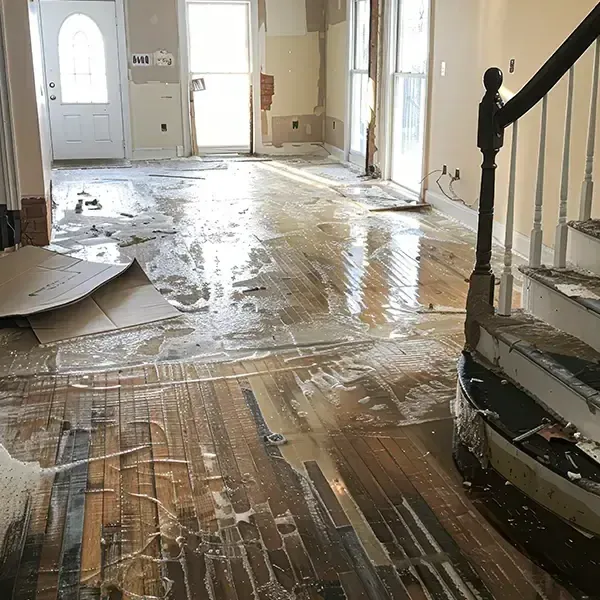
Different leaks require different cleanup decisions
The service descriptions below separate water removal from the work needed around ceilings, appliances, floors and contaminated materials after a release.
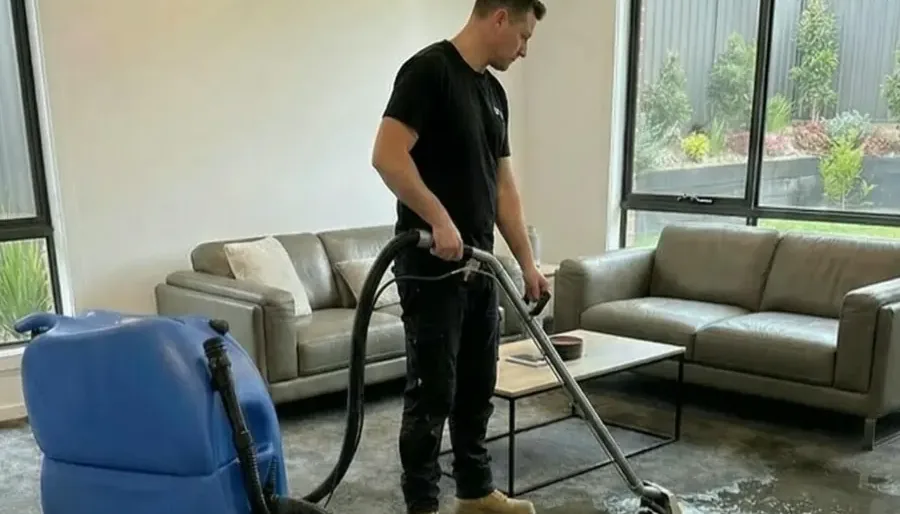 WD 01Water ExtractionStanding water removal opens the way for checking the floor layers beneath a wet room.Explore this cleanup
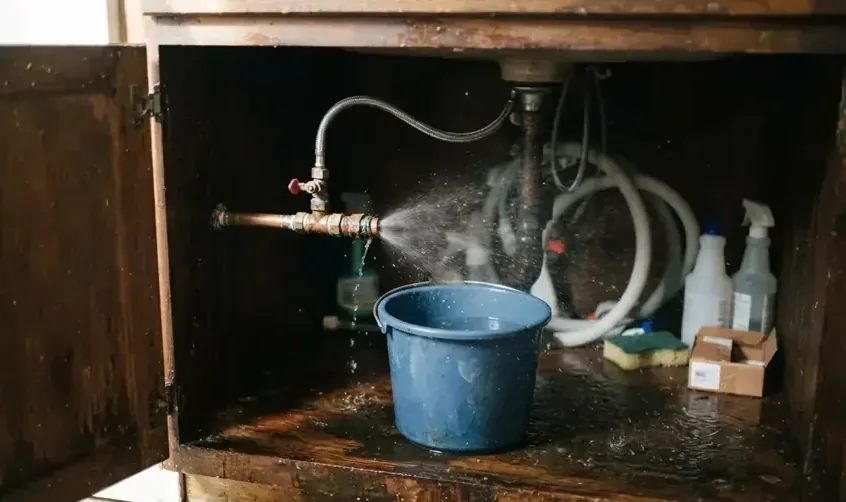 WD 02Burst Pipe Water DamageA supply pipe rupture can wet adjoining wall cavities before water becomes visible across the floor.Explore this cleanup
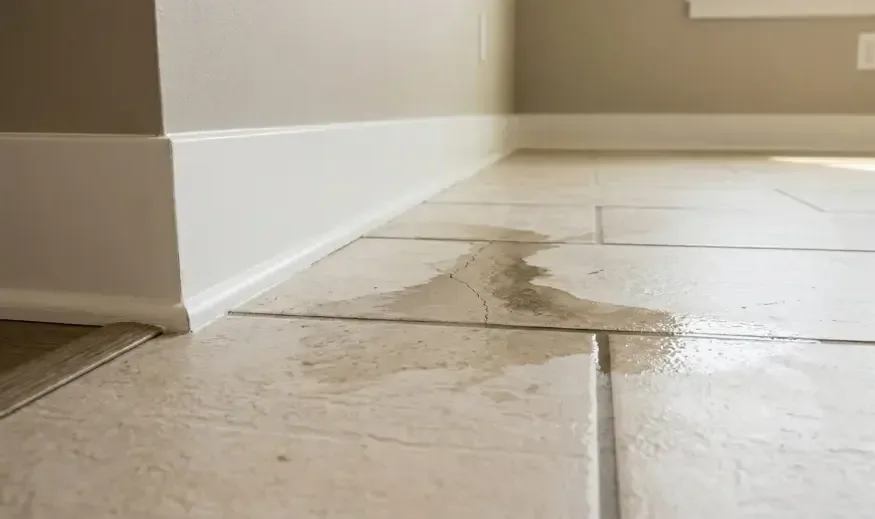 WD 03Slab Leak Water DamageMoisture rising beside a floor edge needs source diagnosis and a separate material drying plan.Explore this cleanup
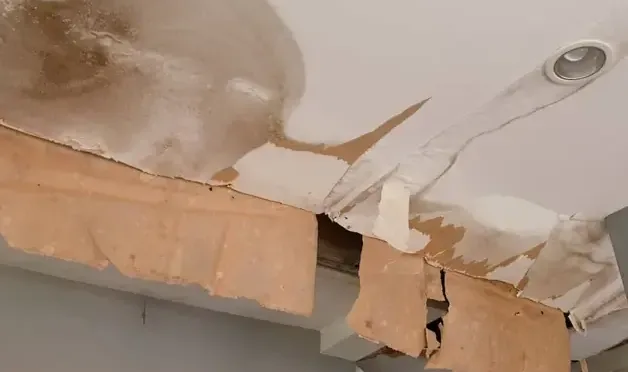 WD 04Ceiling Leak Water DamageSagging overhead drywall changes room access and makes careful ceiling assessment an early cleanup priority.Explore this cleanup
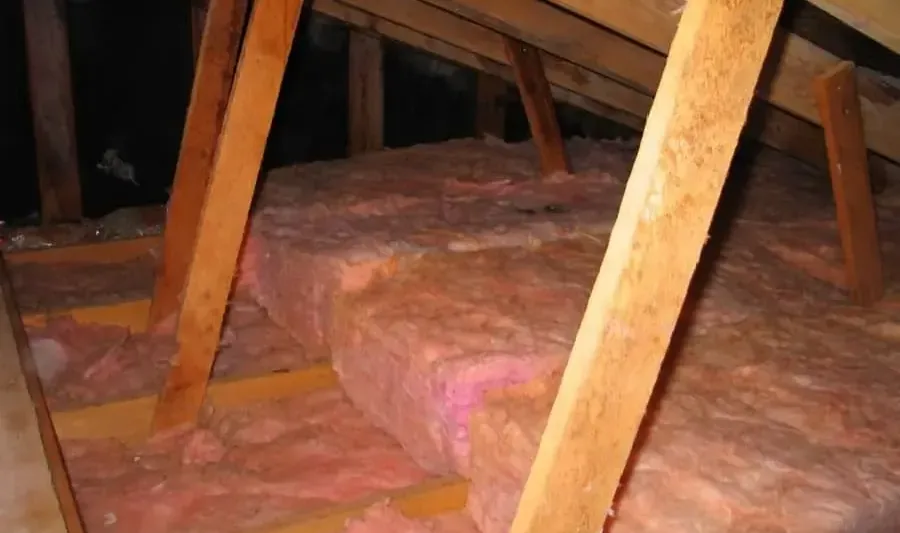 WD 05Roof Leak Water DamageRain entering above a ceiling can leave insulation wet after the visible drip has stopped.Explore this cleanup
 WD 06Storm Water DamageWind driven rain and runoff require attention to entry points as well as interior damage.Explore this cleanup
 WD 07Flood CleanupOutside water carries cleanup concerns that ordinary drying equipment cannot resolve without material assessment first.Explore this cleanup
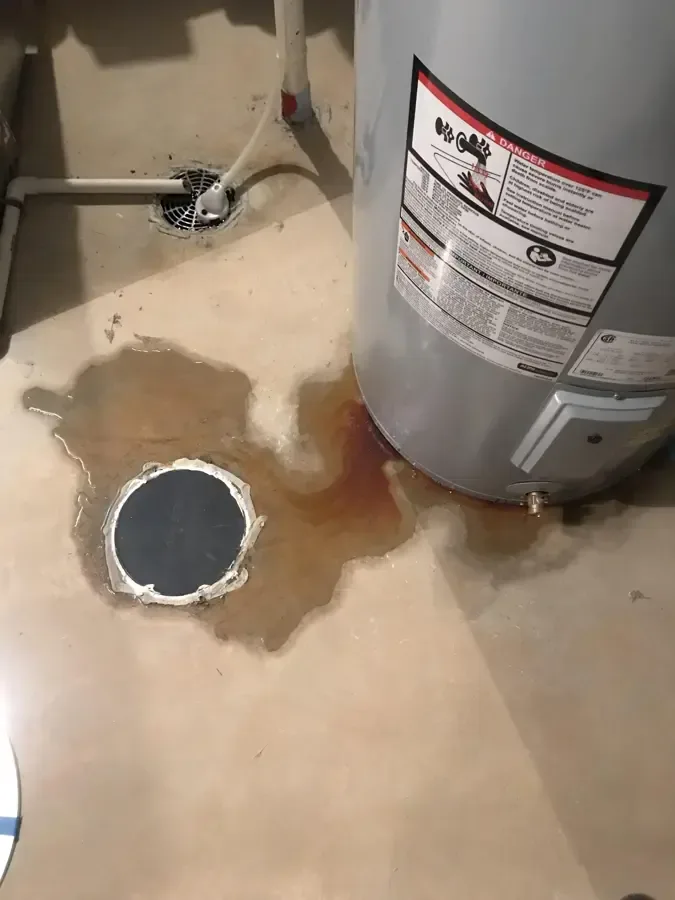
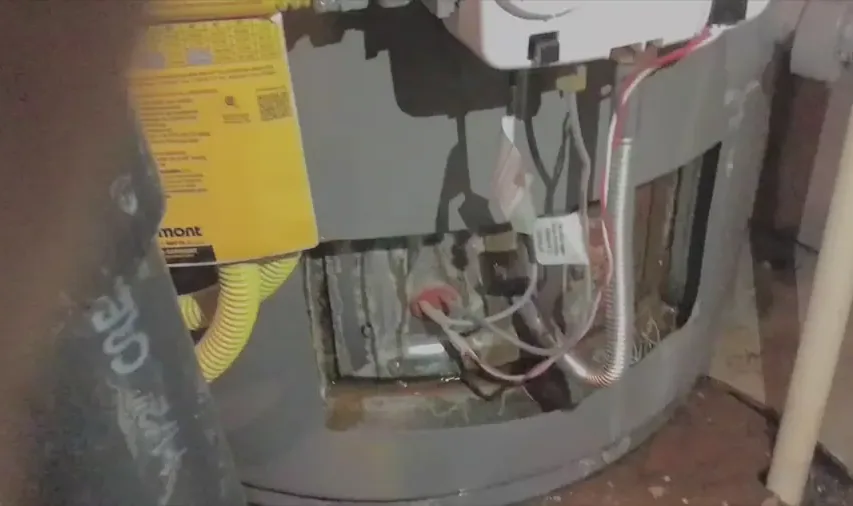 WD 08Water Heater Leak CleanupTank area spills deserve a moisture check beyond the utility space and its visible puddle.Explore this cleanup
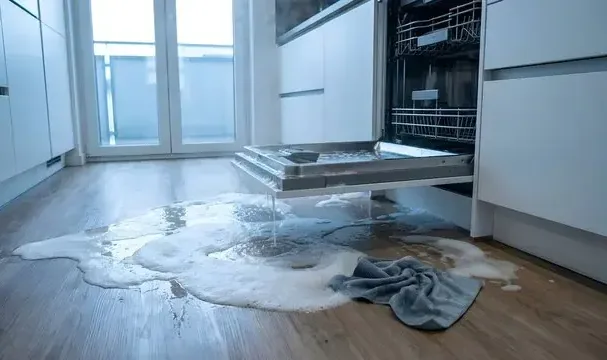 WD 09Appliance Leak Water DamageDishwasher and laundry leaks can trap water beneath cabinets, resilient flooring and nearby wall finishes.Explore this cleanup
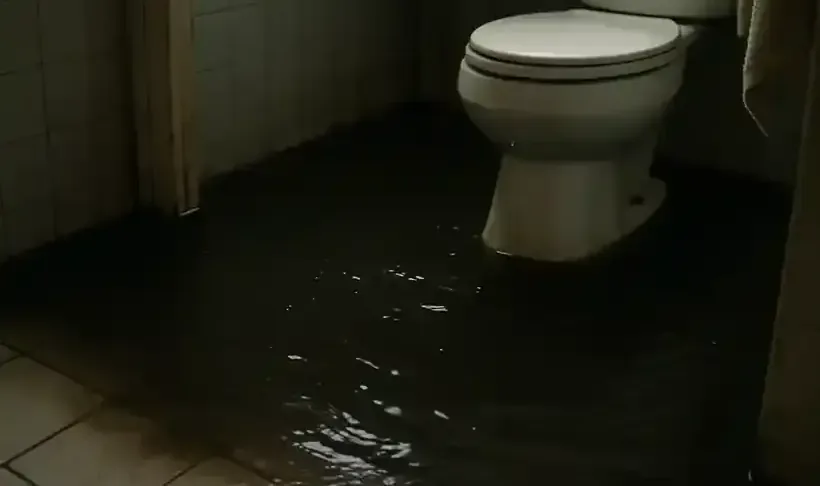 WD 10Toilet Overflow CleanupBathroom cleanup starts by separating supply water from bowl contents and identifying everything the overflow reached.Explore this cleanup
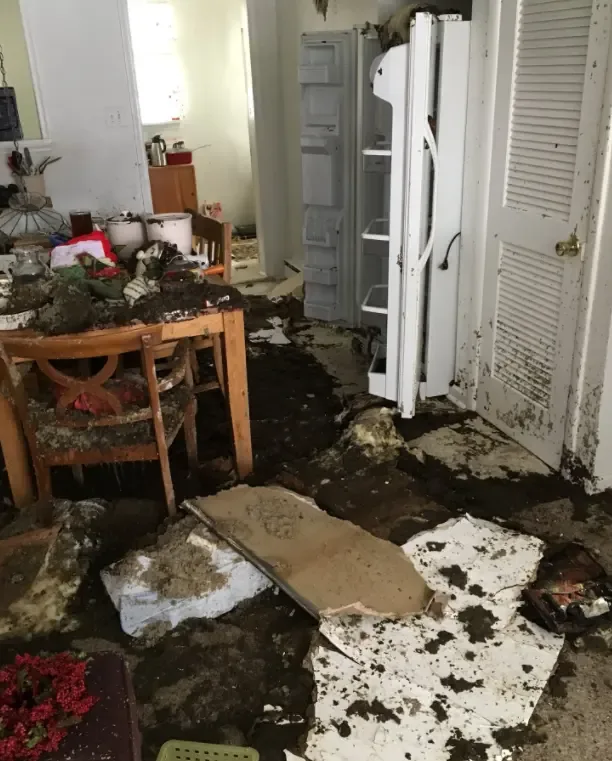
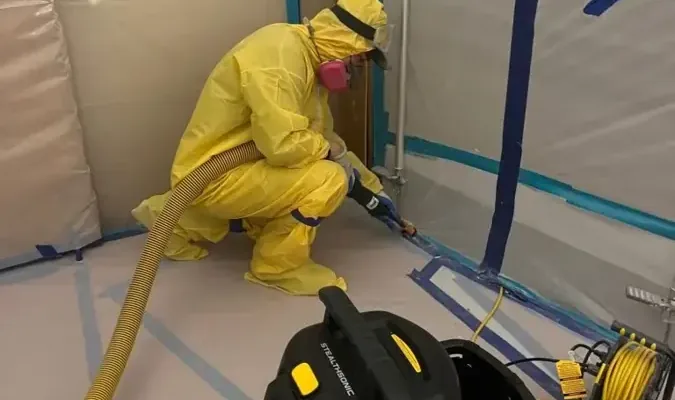 WD 11Sewage Backup CleanupWastewater exposure calls for restricted access, controlled removal and cleaning before any retained structure dries.Explore this cleanup
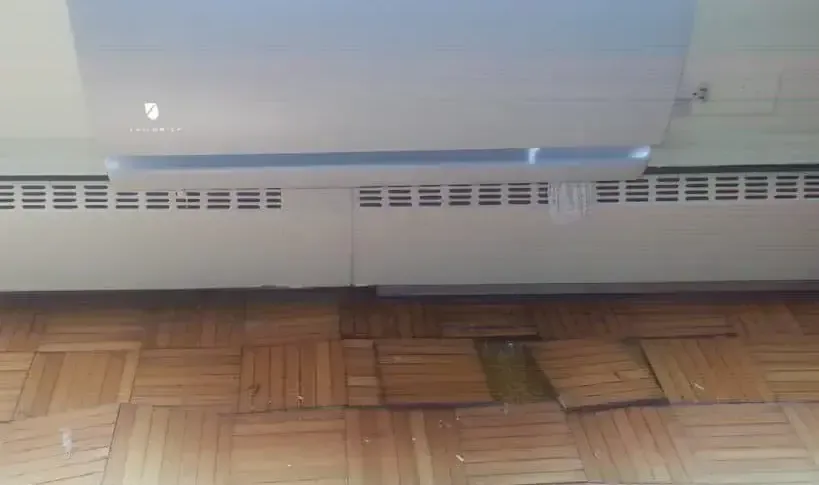 WD 12Hardwood Floor Water DamageWood floor recovery depends on board condition, hidden moisture and the layers beneath the finish.Explore this cleanup
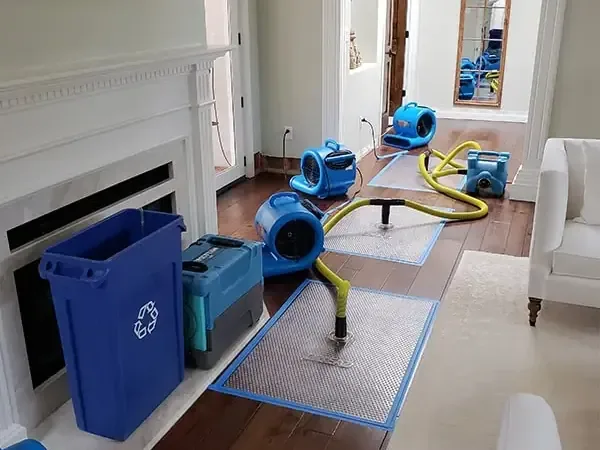 WD 13Structural DryingRepeated measurements show whether retained framing and other building materials are progressing toward a drying target.Explore this cleanup
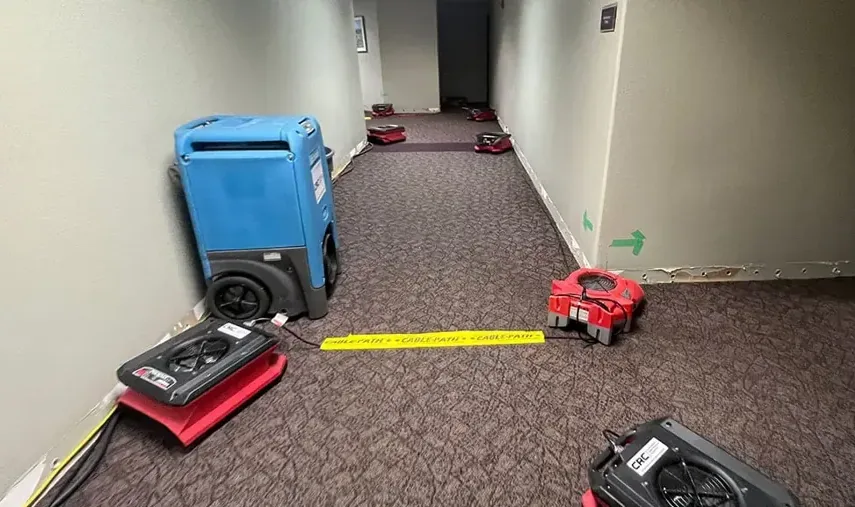 WD 14Commercial Water DamageBusiness recovery needs a workable access plan alongside protection for contents and drying of affected rooms.Explore this cleanup
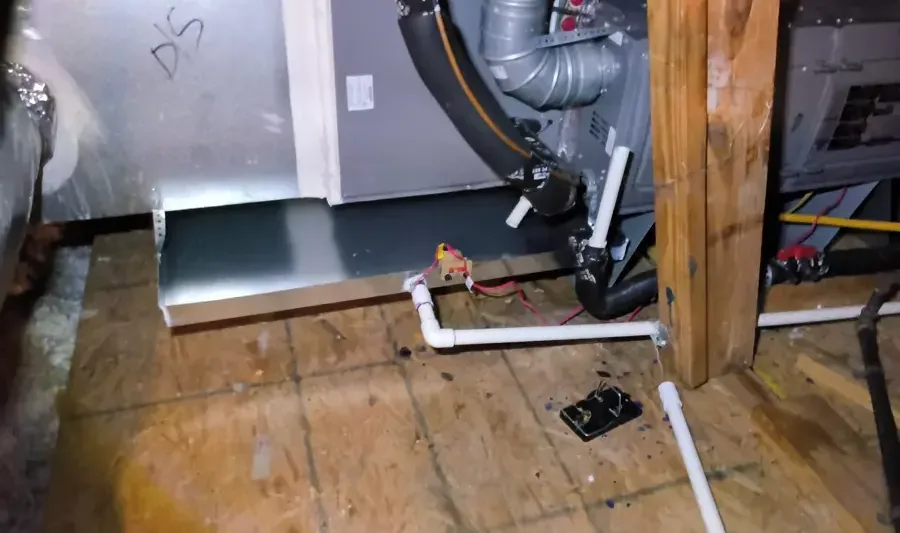 WD 15AC Leak Water DamageCondensate leaks can damage a platform or ceiling while the cooling equipment needs its own repair.Explore this cleanup
Make the affected space safer before moving belongings
Keep people outside the wet area
A household member can close an interior door from a dry position. Children and pets should remain away from standing water, loose ceilings and cleanup equipment throughout the assessment.
Stop a reachable water supply
An accessible fixture valve may limit an appliance or plumbing release. Reaching it must not require stepping into water near electrical equipment or beneath a damaged ceiling.
Record the original scene
Photographs taken from a safe doorway can preserve the water path, damaged possessions and visible source. A short written timeline helps distinguish the discovery from any earlier warning signs.
Protect a dry storage space
Unwet belongings need somewhere separate from the cleanup route. Wet items should not be dragged across clean flooring, especially when the release contains sewage or outdoor runoff.
Describe the rooms involved
The first conversation is more useful with a description of the source, affected surfaces and current access restrictions than with a guess about total damage.
Cleanup decisions begin with the source, the materials touched and the route water followed through the occupied property.
(888) 949-8496Discuss the wet roomsA visible plan for concealed moisture
A room can look better before its materials are ready for repair. Written findings keep removal, drying and replacement decisions tied to the actual damage.
- Photographs of the source before repairs change its appearance
- A written discovery timeline with known changes recorded
- An inventory separating wet possessions from undamaged stored items
- Cleanup estimates with removal and equipment charges clearly identified
- Drying records and receipts retained with the claim correspondence
How a water loss is handled
Material specific readings
Drywall, framing and floor layers do not respond identically to moisture. The assessment identifies the materials present and records where readings were taken so later comparisons remain useful.
A defined removal scope
The owner should know which finishes need opening and why. Access cuts, contamination and loss of material strength belong in the explanation before disposal changes the original scene.
Separate repair responsibilities
Stopping a leak and drying the resulting damage are different jobs. A clear handoff helps the property owner coordinate plumbing, roofing or equipment repair with the interior recovery work.
Progress that can be evaluated
Follow up records should show the direction of drying, any stubborn locations and changes to equipment placement. Material readings support the decision to close concealed layers before finish repairs begin.
Each stage answers a different question
The restoration sequence should leave the owner with understandable answers about safety, water movement, material condition and the evidence supporting closure of the drying work.
| 01 | Locate the wet boundary. Assessment follows moisture beyond the obvious stain. Doorways, wall bases and connected flooring deserve attention because the visible water edge can be smaller than the area requiring drying or removal. |
|---|---|
| 02 | Remove water and unsuitable finishes. Water extraction reduces standing water while material assessment identifies damaged or contaminated items that need removal. The working area and disposal route should protect the remaining dry portions of the property. |
| 03 | Manage moisture in retained materials. Structural drying equipment placement follows the exposed materials and room arrangement. Measurements taken during the work help determine whether additional access, a smaller drying area or changed airflow would improve progress. |
| 04 | Document the transition into repair. Before replacement finishes close the work area, the records should show source control and acceptable moisture conditions in retained assemblies. The repair scope then addresses the openings left by necessary removal. |
Useful information for a claim
An insurer may request evidence of the release, affected rooms and mitigation work. Keeping those records together makes the discussion more precise without predicting a policy decision.
When the owner pays directly
A direct payment job still benefits from a written scope. The owner can compare the urgent water removal work with later reconstruction and identify which approvals are needed first.
If conditions change after a wall or floor opens, revised pricing should explain the added materials and labor. That conversation belongs before additional repair work proceeds.
What affects Valencia West water damage costs?
A small contained loss and widespread concealed saturation require different work. These planning ranges describe restoration scope; the written estimate should identify extraction, removal, drying and any repair allowances before the owner approves the proposed work.
Limited accessible room damage
$1,000 to $2,500- Reachable wet floor surfaces
- Small material removal area
- Focused equipment placement
Water crossing room boundaries
$2,500 to $8,000- Several affected floor finishes
- Wall cavity moisture checks
- Broader drying arrangement
Extensive or contaminated exposure
$8,000 to $20,000+- Complex disposal and cleaning
- Multiple concealed wet assemblies
- Detailed repair coordination
The source condition, affected materials and access can change the estimate. Plumbing repairs, finish reconstruction and coverage decisions should be discussed separately from the immediate cleanup authorization.
From the first inspection to a measured finish
- 1
Locate the wet boundary
Assessment follows moisture beyond the obvious stain. Doorways, wall bases and connected flooring deserve attention because the visible water edge can be smaller than the area requiring drying or removal.
- 2
Remove water and unsuitable finishes
Water extraction reduces standing water while material assessment identifies damaged or contaminated items that need removal. The working area and disposal route should protect the remaining dry portions of the property.
- 3
Manage moisture in retained materials
Structural drying equipment placement follows the exposed materials and room arrangement. Measurements taken during the work help determine whether additional access, a smaller drying area or changed airflow would improve progress.
- 4
Document the transition into repair
Before replacement finishes close the work area, the records should show source control and acceptable moisture conditions in retained assemblies. The repair scope then addresses the openings left by necessary removal.
A precise property location helps planning
Valencia West is an unincorporated community in Pima County. Tucson Estates and Drexel Heights are neighboring places, so the property location should be established clearly when arranging an assessment.
ZIP area 85757 overlaps the community. The mailing ZIP should be checked for the individual property, along with entry instructions and any restrictions that affect access to wet rooms.
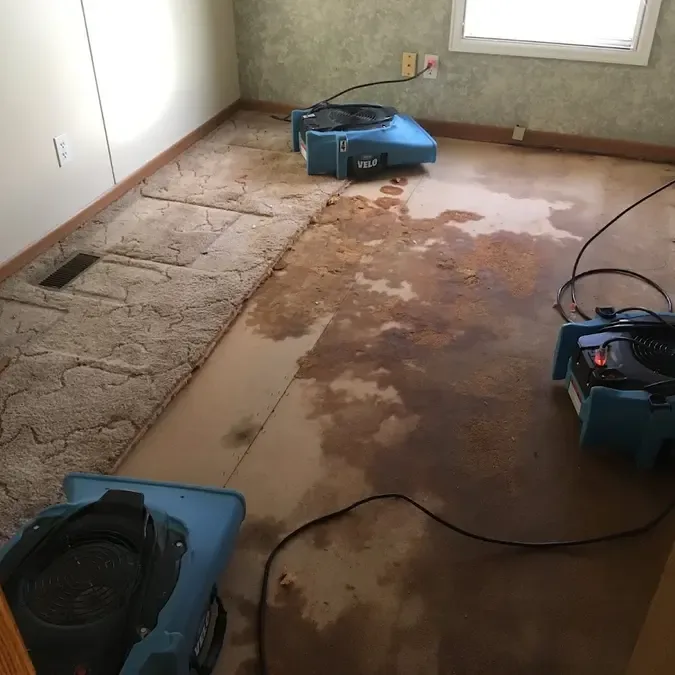
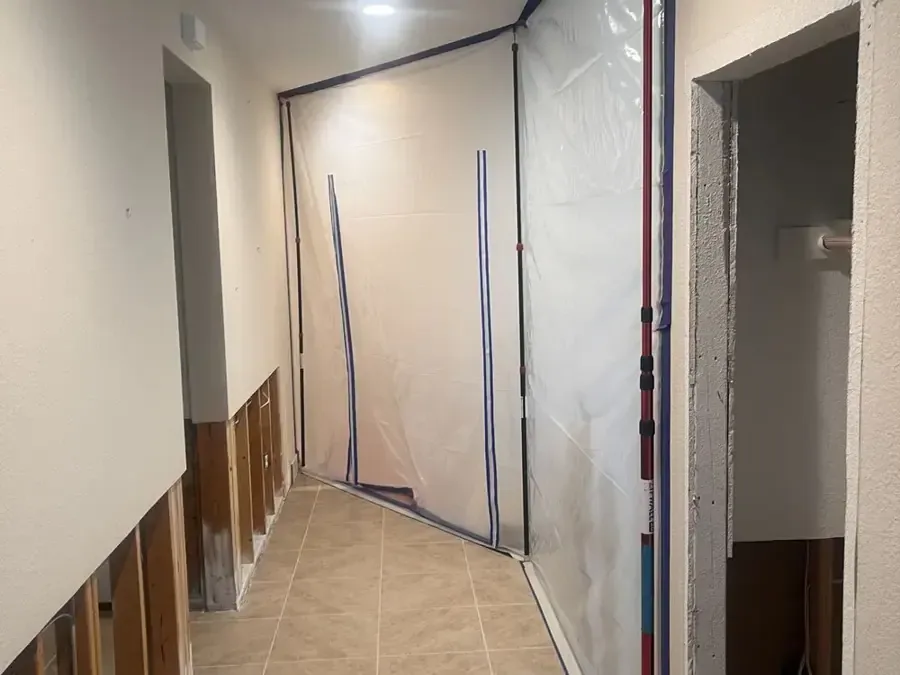
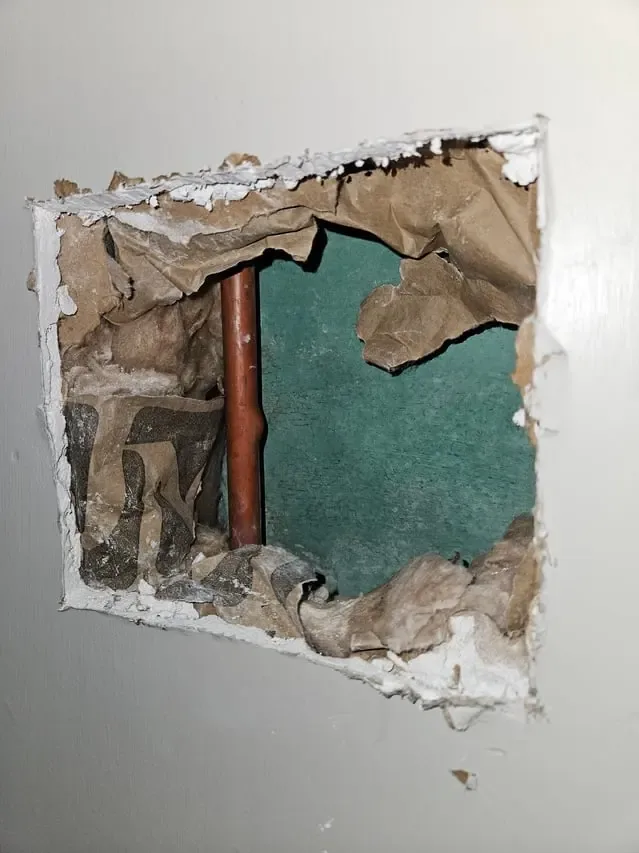
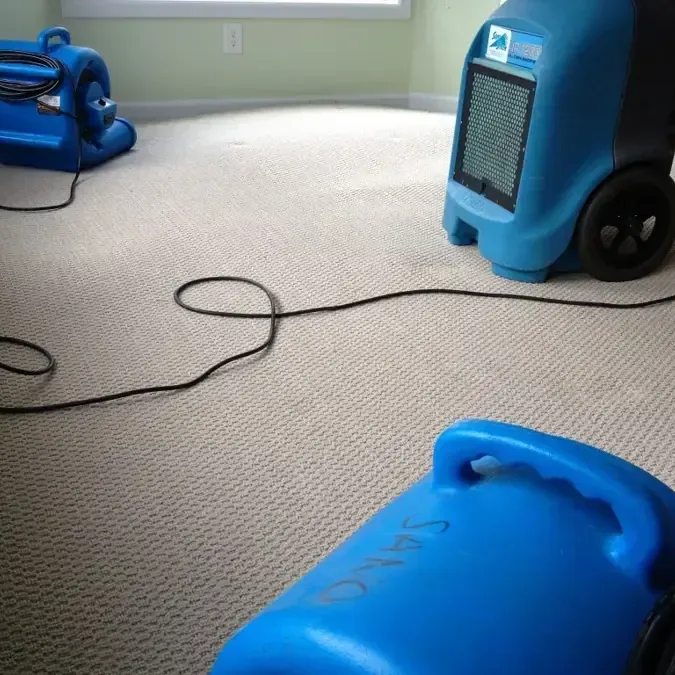
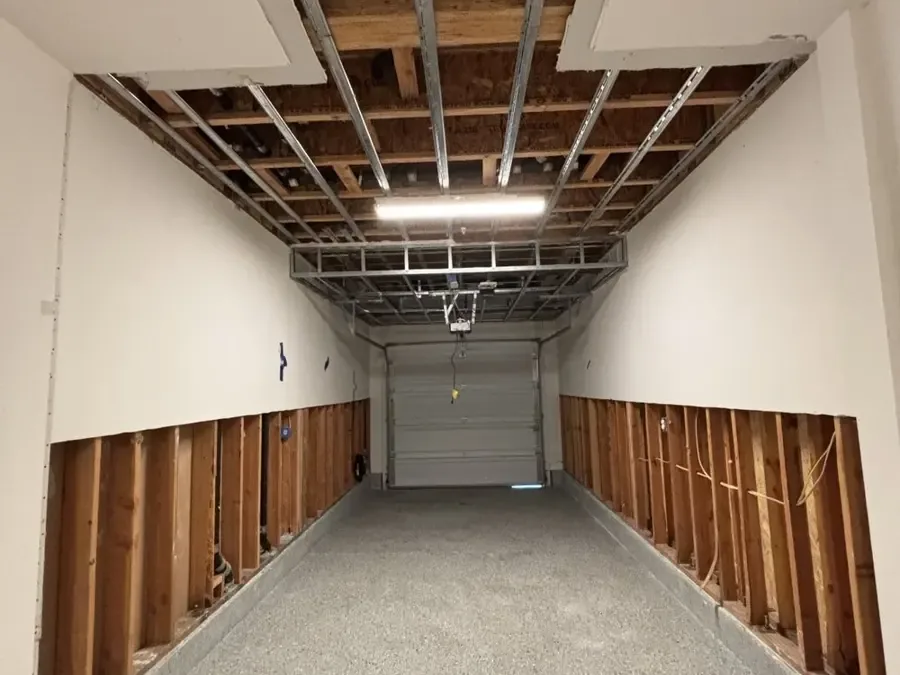
Read about the drying approachExamples of extraction, access openings and interior drying
Source and contact history shape the response
Supply water release
A broken supply pipe needs prompt control and a check of every material along its path, including cavities beyond the visible puddle.
Pipe damageWater carrying household residue
An appliance discharge can include detergent or food residue. Cleanup accounts for that contact history before deciding which finishes can stay in place.
Appliance cleanupWastewater in living areas
Sewage requires controlled access and careful disposal of affected porous materials. Moving air across dirty surfaces is not a substitute for removing contamination.
Wastewater assessmentWater damage help in Valencia West
Other service communities
A precise property location helps planning
Cleanup decisions begin with the source, the materials touched and the route water followed through the occupied property.
(888) 949-8496Describe the property accessPractical context for a damaged property
Local recovery questions can involve drainage information or permit assessment as well as drying. The appropriate next step depends on the individual property and proposed repairs.
- Property specific flooding. Pima County Regional Flood Control District provides flood hazard information for individual properties. That service can help an owner frame drainage questions alongside the immediate work of cleaning wet rooms.
- Changes to interior assemblies. Pima County lists remodel improvements as requiring permits. Proposed repairs should be described clearly when checking requirements, especially when water damage has opened more than a decorative finish.
- Conditional drywall exemptions. County guidance includes a drywall exemption with exceptions for specified wall types. The repair plan needs to identify the affected assembly before relying on an exemption for replacement material.
- Roof structure decisions. Structural roof work requires a county permit. Replacing like roofing materials appears separately in the exemption examples, with conditions that still need consideration for the project.
- Occupied household routines. The 2020 Census counted 4,308 households in the community. Within an affected home, safe sleeping arrangements, bathroom access and a dry route through the building deserve early discussion.
Countywide monitoring. The Pima County ALERT system collects rain and streamflow data. Property owners can also request flow direction information from Pima County Regional Flood Control District.
Questions after finding water indoors
What information helps during the first conversation?
The most useful details are the apparent source, whether water is still entering and which rooms are affected. A caller can describe floor finishes, ceiling changes and any electrical concerns from a safe position. Photos can preserve details that may change before an assessment.
Does every wet wall need complete replacement?
Removal depends on contamination, physical condition and access to trapped moisture. Some wall materials may be suitable for drying; others lose strength or prevent access to a wet cavity. The proposed scope should explain the decision for each affected assembly before repair begins.
Can an outside puddle be treated like a pipe leak?
Outdoor water has a different contact history from a recent supply pipe release. Soil and other contaminants can change cleaning and disposal decisions. The assessment should establish how water entered and what it touched before retained materials receive a drying plan.
How is the end of drying determined?
Measurements in affected materials are compared with the drying target and suitable reference areas. Readings should cover the layers that were wet, rather than only the surface that feels dry. Any remaining inaccessible area should be addressed before new finishes conceal the assembly.
Who handles permits for a repair?
Pima County requirements depend on the work proposed. The Permit Gateway offers a decision tree and permit applications. The owner and repair contractor should clarify responsibility for assessment before reconstruction, particularly when structural work or changes beyond a finish replacement enter the scope.
Is a water removal estimate also a plumbing quote?
Those scopes can be separate. Extraction and drying address the damage left by water, while a plumbing repair stops the failed component from releasing more. An estimate should identify included work and explain which source repairs require another appointment or separate authorization.
Should wet furniture be carried through dry rooms?
A clean route and protected storage area should be planned first. Moving wet contents can transfer moisture or contamination and hide the original damage pattern. Heavy or unstable items are better left for assessment, especially when reaching them requires entry into standing water.
Does insurance always pay for interior drying?
Payment depends on the policy and circumstances of the loss. The insurer makes the coverage decision. Photographs, a discovery timeline, itemized estimates and drying records help describe the work, while the owner should confirm any approval requirements directly with the assigned claims contact.
Where can a property owner ask about drainage?
Pima County Regional Flood Control District accepts flow direction inquiries and requests for drainage advice. It also provides property specific flood hazard information. These services can support longer term drainage questions while the restoration scope deals with water already inside the building and affected belongings.
Begin with the rooms that are wet
An assessment can turn scattered stains and standing water into a defined cleanup and drying scope.