Protect access while recovery proceeds

Commercial Water Damage in Sahuarita, AZ

The commercial restoration assessment separates wet work zones from occupied areas, identifies source repairs and documents the drying sequence. Managers receive a scope built around the actual rooms, materials and access restrictions.

(888) 949-8496Assess the affected business space
24/7 commercial-loss dispatch Documented work-zone planning Material and equipment logs
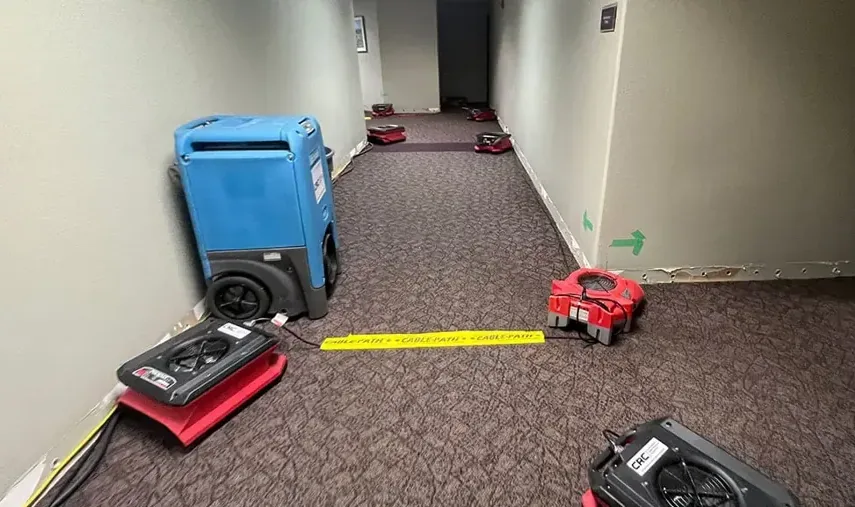
Dehumidifier and several air movers positioned along a carpeted hallway
Immediate priorities

Commercial Water Damage: first steps

  1. 1

    Identify the authorized representative

    The manager confirms who can approve access, removal and equipment placement. Tenant and building responsibilities need coordination before work affects shared assemblies, locked rooms or occupied circulation routes.

  2. 2

    Restrict the wet work zone

    Staff and visitors stay away from wet electrics, sagging ceilings and contaminated flooring. The responsible safety professional addresses immediate hazards before the restoration team plans extraction or drying.

  3. 3

    Record operational constraints

    The manager identifies sensitive equipment, inventory and essential access routes. The contractor uses that information to plan a safe sequence without promising that every activity can continue during mitigation.

  4. 4

    Preserve the starting record

    Photographs and a room inventory document conditions before movement or removal. The assessor adds moisture locations and explains which items require specialist handling rather than ordinary cleanup.

Assessment and control

How commercial water damage is handled

Rapid local response

The response team prioritizes active water movement and unsafe access. The first assessment separates source control from extraction, so a stopped leak does not leave hidden wet materials untreated.

IICRC S500 drying standard

The drying specialist sets a material-specific goal using unaffected reference readings. Airflow and dehumidification follow the evaporation load, with equipment adjusted when the daily measurements show a change.

Claim-ready documentation

The project file records the water source, affected rooms, material condition and work performed. Photographs and moisture logs let the owner and insurer examine the scope without relying on a dry-looking surface.

Local water experts

The site assessment checks the building actually affected, including access restrictions and shared assemblies. The restoration contractor distinguishes cleanup from plumbing, roof or equipment repair before recommending the next step.

Planning the cleanup

What does commercial water damage cost in Sahuarita, AZ?

Commercial water damage mitigation can range from $2,500 to $20,000 or more, depending on affected area, access and material complexity. Contamination, equipment density and occupied-space controls can increase the scope. Business equipment service, reconstruction and source repairs require separate review.

A contained commercial room

$2,500 to $5,000
  • Source and access assessment
  • Localized extraction and drying
  • Initial scope documentation

Several occupied spaces

$5,000 to $20,000
  • Protected circulation routes
  • Multiple drying zones
  • Daily material and equipment logs

Extensive property exposure

$20,000 to $50,000+
  • Complex containment and phasing
  • Large material-removal scope
  • Coordinated repair handoff

Category, wet square footage, material class and the delay before drying determine the scope. Repairing the source and replacing finishes may add separate charges. Compare the assumptions with the water damage cost calculator.

Work sequence

Commercial Water Damage process

The crew records the starting condition, adjusts the equipment and verifies the result.

  1. 1

    Map rooms and responsibilities

    The assessor meets the authorized representative, records the source status and maps wet assemblies. The Town Center area and Rancho Sahuarita Marketplace provide local commercial context, but each property has its own occupancy and systems. The scope identifies access decisions and the specialists responsible for source or equipment repairs.

  2. 2

    Create a safe work sequence

    The contractor separates wet areas from permitted occupancy, plans hose and cable routes and coordinates material movement. Extraction begins where safe access and source control allow it. The manager reviews any interruption to normal circulation or room use, with conditions reassessed when demolition or contamination changes the work zone.

  3. 3

    Monitor the drying chambers

    The team sets equipment for the affected materials and checks air and material readings across each zone. Large open spaces, enclosed offices and concealed assemblies can respond differently. The daily record explains equipment changes and highlights areas that need further access instead of treating the whole building as one uniform chamber.

  4. 4

    Document the recovery handoff

    The contractor reports final moisture findings, removed materials and limitations that remain. Building and tenant repair teams then address reconstruction, systems and equipment according to their own requirements. The manager receives a clear distinction between completed mitigation, safe occupancy decisions and the additional work needed for normal operations.

CoordinationAuthorized owner or manager
AccessSeparate work and occupant routes
DryingRoom and material zones
RecordsScope, equipment and readings

Commercial water damage in Sahuarita requires a recovery plan that accounts for people as well as wet materials. The contractor assesses source control, occupied access and the authority to approve work before treating a business loss as a larger residential room.

Local activity does not determine the building scope

Rancho Sahuarita Marketplace and the Town Center area bring commercial properties into the local service area. The water-provider information also identifies the Sahuarita Unified School District in its service description. An assessment in that setting considers property access, the affected rooms and the people responsible for authorizing work.

The assessor evaluates the actual building use and affected materials. A manager may need to coordinate access around staff, visitors or secure storage. The written scope identifies those conditions and avoids promising uninterrupted operations when contamination or electrical hazards require separation.

  • The authorized representative confirms who can approve access to shared and tenant-controlled spaces.
  • Equipment routes must not create new trip hazards across permitted circulation areas.
  • Wet electrical or specialty equipment needs the appropriate technical inspection before reuse.
  • Contaminated rooms require controls that protect unaffected operations and occupants.

One loss can require several drying zones

An open work area and a covered utility cavity can hold water differently. The drying specialist records material and air conditions by location, then sizes and adjusts the equipment accordingly. A single humidity reading near the entrance cannot verify every assembly within the property.

The water extraction service clears accessible liquid, while the structural drying process tracks retained material afterward. The manager receives daily records that explain changes rather than an equipment list with no indication of progress.

Keeping the operational handoff explicit

Mitigation completion does not automatically approve every room for normal use or every device for operation. The relevant safety, building and equipment professionals evaluate their own requirements. The contractor identifies final moisture conditions and any inaccessible areas, leaving a clear record for those next decisions.

Property and business insurance arrangements can differ, and the insurer determines coverage. The restoration file includes photographs, source findings, removal notes and a detailed scope. An itemized scope separates cleanup charges, tenant finish work and equipment repair. The owner can also document interrupted operations alongside the restoration records for the loss.

Practical answers

Commercial Water Damage questions in Sahuarita, AZ

Can a business remain open during drying?

That depends on safety, contamination and the ability to separate work from occupied routes. The contractor coordinates with the responsible manager and relevant safety professionals. The scope should describe restrictions and changing conditions rather than promise uninterrupted operations for every commercial loss.

Who authorizes work in a leased space?

The manager identifies the authorized owner or tenant representative and clarifies access to shared assemblies. Contractual responsibilities can differ by property. The restoration team needs approval for the proposed work and should document decisions that affect building systems or adjacent spaces.

Why use separate drying zones?

Different rooms and concealed assemblies can hold different amounts of moisture and respond at different rates. The specialist measures each relevant area and adjusts equipment to its load. Zone-specific records provide a more useful completion basis than one reading for the entire property.

Does the crew evaluate damaged computers or machinery?

Specialty equipment needs the appropriate technical professional. The restoration contractor can document exposure and coordinate access, but structural drying does not certify a device safe to operate. The manager should keep equipment service and building mitigation as separate scope responsibilities.

What reporting helps a property manager?

A useful record identifies affected rooms, source status, safety restrictions, material removal, equipment use and daily readings. The final report distinguishes completed drying from reconstruction or system work still needed. Those details support coordination with owners, tenants, repair specialists and insurers.

Is commercial mitigation available after hours?

Water loss dispatch is available 24/7. The response team confirms access, authorization and current hazards before arranging the assessment. Timing depends on conditions, and an unsafe electrical or structural situation may require emergency or specialist intervention before restoration work starts.

Service area

Commercial water damage coverage

Sahuarita, AZ

The restoration team covers ZIP 85629, including Rancho Resort, Quail Creek, Madera Highlands and Los Arroyos. Access, water source and the affected rooms shape the initial assessment.

Neighborhoods and communities served

24/7 water damage dispatch

Build the recovery sequence around the actual property

The contractor documents wet rooms, access restrictions and material readings so the manager can coordinate source repair, mitigation and reconstruction with clear responsibilities.

(888) 949-8496Arrange commercial-loss coordination
(888) 949-849624/7 dispatch