Bulk water comes out first

Water Extraction in Sahuarita, AZ

The extraction crew removes standing water from affected rooms, checks the path into adjoining materials and prepares the space for controlled drying. Urgent water loss dispatch operates 24/7.

(888) 949-8496Clear the standing indoor water
24/7 extraction assessment Portable and truck-mounted equipment Moisture checks after removal
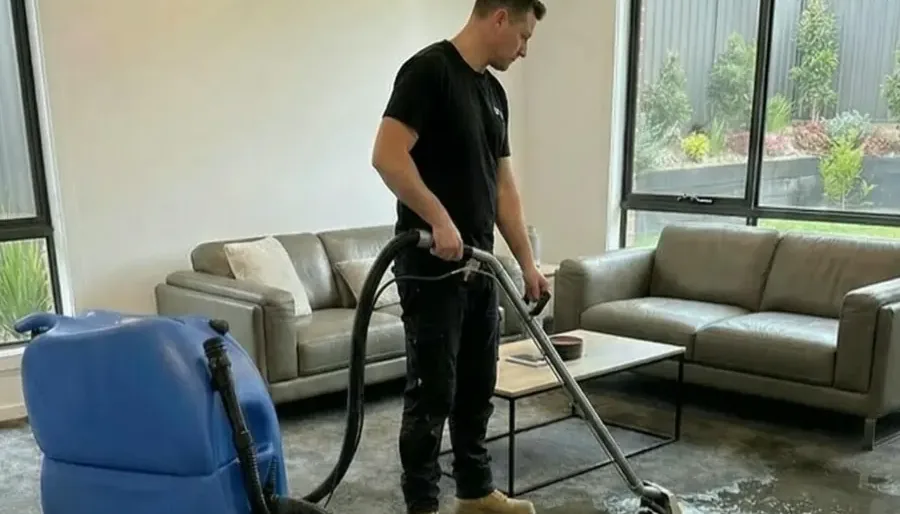
Technician using an extraction wand across a wet living room floor
Immediate priorities

Water Extraction: first steps

  1. 1

    Identify a safe route

    The household stays on dry flooring and avoids submerged cords or outlets. An unsafe electrical condition needs the appropriate emergency or electrical professional before water-removal work proceeds.

  2. 2

    Limit the incoming water

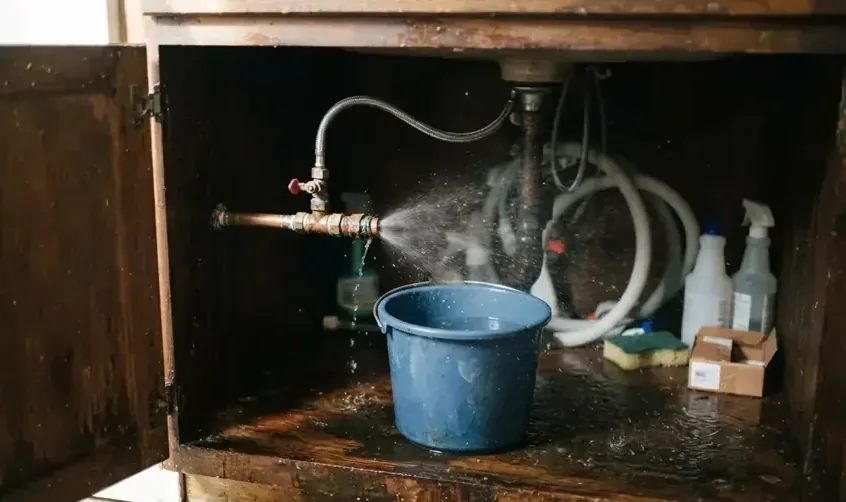
    A responsible occupant closes a known supply valve from a safe position. Storm runoff requires different source control; entering moving outdoor water to block it is unsafe.

  3. 3

    Describe what became wet

    The owner notes the affected rooms, flooring and water source. Photos from the dry side help the extraction crew plan equipment and document the starting condition.

  4. 4

    Leave concealed spaces for assessment

    Residents avoid removing wet electrical covers or opening swollen ceilings. The technician checks hidden moisture after bulk water removal and determines where controlled access is necessary.

Assessment and control

How water extraction is handled

Rapid local response

The response team prioritizes active water movement and unsafe access. The first assessment separates source control from extraction, so a stopped leak does not leave hidden wet materials untreated.

IICRC S500 drying standard

The drying specialist sets a material-specific goal using unaffected reference readings. Airflow and dehumidification follow the evaporation load, with equipment adjusted when the daily measurements show a change.

Claim-ready documentation

The project file records the water source, affected rooms, material condition and work performed. Photographs and moisture logs let the owner and insurer examine the scope without relying on a dry-looking surface.

Local water experts

The site assessment checks the building actually affected, including access restrictions and shared assemblies. The restoration contractor distinguishes cleanup from plumbing, roof or equipment repair before recommending the next step.

Planning the cleanup

What does water extraction cost in Sahuarita, AZ?

Water extraction commonly costs $500 to $3,000 for a contained indoor loss, with larger or contaminated areas requiring more work. Water depth, access, debris and floor coverings affect the removal effort. Structural drying, disposal and source repair can be additional scope items.

A shallow localized release

$500 to $1,200
  • Accessible standing-water removal
  • Initial moisture boundary
  • Limited equipment setup

Several wet rooms

$1,200 to $3,000
  • Repeated extraction passes
  • Furniture access coordination
  • Flooring and edge checks

Heavy or dirty water

$3,000 to $7,000+
  • Special handling and cleanup
  • Greater pump or extractor use
  • Contaminated material decisions

Category, wet square footage, material class and the delay before drying determine the scope. Repairing the source and replacing finishes may add separate charges. Compare the assumptions with the water damage cost calculator.

Work sequence

Water Extraction process

The crew records the starting condition, adjusts the equipment and verifies the result.

  1. 1

    Assess source and depth

    The technician records how water entered and whether it still moves through the building. The crew checks electrical access, surface conditions and the contamination category before selecting equipment. A home in Quail Creek needs a source-specific evaluation before the crew classifies the water and selects a cleanup method.

  2. 2

    Choose the removal method

    A pump handles suitable deeper accumulations, while extraction equipment removes shallow water from finishes and absorbent surfaces. The operator works the accessible area in deliberate passes, paying attention to edges and transitions. Equipment selection follows the job conditions rather than a promise that one machine fits every room.

  3. 3

    Check where the water traveled

    After the visible water leaves, the inspector tests adjoining wall bases, floor layers and cabinet recesses. The readings can reveal a larger affected area than the original puddle. The crew records inaccessible spaces and discusses selective access where a finish prevents meaningful moisture assessment.

  4. 4

    Hand over to controlled drying

    The drying specialist sizes dehumidification and airflow to the remaining evaporation load. The owner receives a scope that distinguishes completed extraction from the continuing dry-out. Daily material readings track progress, and the contractor checks that the source remains controlled before treating the loss as ready for repairs.

First objectiveRemove standing water
EquipmentPumps and extraction wands
InspectionWet edges and concealed layers
Next phaseControlled structural drying

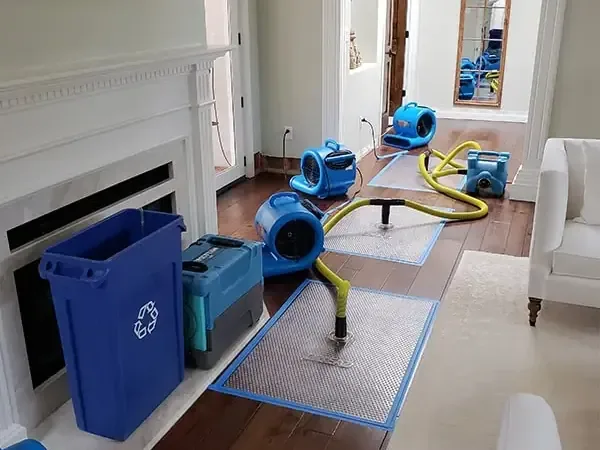
Water extraction in Sahuarita reduces the liquid load before a room can dry effectively. Air movers alone leave the building to evaporate water that suitable extraction equipment can remove directly. That distinction matters when water has spread through connected rooms.

Choosing equipment for the surface

The operator considers water depth, debris, flooring condition and the route for hoses. A narrow passage beside fixed cabinetry calls for different access from an open living room. The first inspection records the practical constraints instead of judging the entire job from a square-foot estimate.

Rancho Resort and La Joya are part of the coverage area, but the contractor still checks each property's materials. A hard floor can hide wet seams and underlayment, while an absorbent finish can retain water after a quick surface pass. The flooring assessment explains why retaining a finish depends on more than appearance.

  • The crew removes accessible water before relying on evaporation from the remaining materials.
  • Operators check low spots and transitions that can hold water after the center of a room looks clear.
  • The assessor documents contamination before recommending that a porous material remain in place.
  • Hoses and equipment require protected walkways so occupants do not cross the active work area.

Extraction after rain differs from a supply release

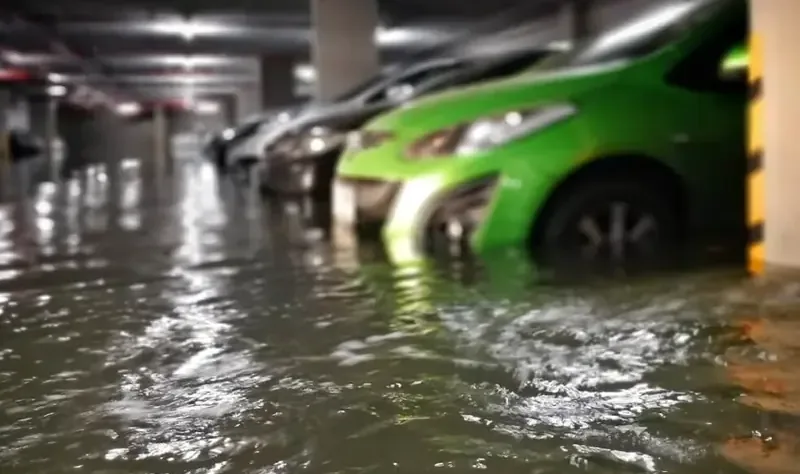
The Santa Cruz River setting and local seasonal runoff make the water source an important question. A room flooded by outdoor flow requires a contamination assessment even if the water is shallow. Soil and other material can remain after pumping, so the next work may be removal and cleaning before drying.

A controlled sanitary supply release can allow a different retention decision. Time, contact with other materials and the condition of the room still matter. The contractor evaluates those circumstances and avoids calling water clean just because no odor or discoloration is obvious.

The puddle is only part of the loss

Removing visible water creates access for more useful measurements. A technician checks the bottom of partitions, floor edges and nearby cabinetry for residual moisture. The resulting map supports the structural drying plan, including the number and placement of air movers and dehumidifiers.

The owner should receive a clear account of work completed and work continuing. Extraction records, photographs and starting moisture readings support that distinction. Source repairs, disposal and replacement finishes belong in their own scope entries so a preliminary removal price does not imply a fully repaired room.

Practical answers

Water Extraction questions in Sahuarita, AZ

Can air movers replace extraction?

Air movers encourage evaporation but do not efficiently remove a room full of liquid water. The crew extracts accessible standing water first. Dehumidification and directed airflow then handle moisture retained in appropriate building materials, with readings showing whether that later phase is progressing.

Does every water-covered carpet need disposal?

The assessor considers the water category, exposure and the condition of the carpet, backing and pad. Contaminated porous material can require removal. A clean-water loss may allow a different approach, but the crew needs to inspect the layers rather than judge from the visible fibers.

What information helps with an urgent request?

The response team needs the location, source if known, whether the flow has stopped and any access hazard. The owner can describe the rooms and approximate water depth from a safe position. No one needs to walk through water to provide measurements.

Why does the crew return after the water is gone?

The material can remain wet after extraction. Repeat readings show whether walls and flooring are drying toward the goal or whether a hidden pocket needs access. Removing the puddle and verifying the structure are separate stages of the same water loss.

Can someone stay in unaffected rooms?

Occupancy depends on contamination, electrical safety and the ability to keep routes separate from equipment. The contractor explains the work-zone boundaries and access needs. The household should not assume that a dry bedroom makes an adjoining contaminated or electrically unsafe area safe to cross.

Is water removal available overnight?

Urgent extraction dispatch operates 24/7. The team assesses current access and safety information before arranging service. Arrival timing varies, and active electrical danger or moving floodwater may require emergency authorities to make the area safe before restoration work can begin.

Service area

Water extraction coverage

Sahuarita, AZ

The restoration team covers ZIP 85629, including Rancho Resort, Quail Creek, Madera Highlands and Los Arroyos. Access, water source and the affected rooms shape the initial assessment.

Neighborhoods and communities served

24/7 water damage dispatch

Start with the water that can be removed

The extraction team clears accessible liquid, measures the remaining moisture and outlines the drying work that follows. A documented scope keeps each stage clear.

(888) 949-8496Request an extraction assessment
(888) 949-849624/7 dispatch