Green Valley Water Damage Restoration
A wet room needs a clear starting point: stop the source, identify the affected materials, and arrange extraction before water travels farther beneath finished surfaces.
(888) 949-8496Discuss the wet rooms
Cleanup shaped around what actually got wet
A supply leak, muddy entry and backed up toilet require different decisions. Select the closest description for source control, material handling and drying details.
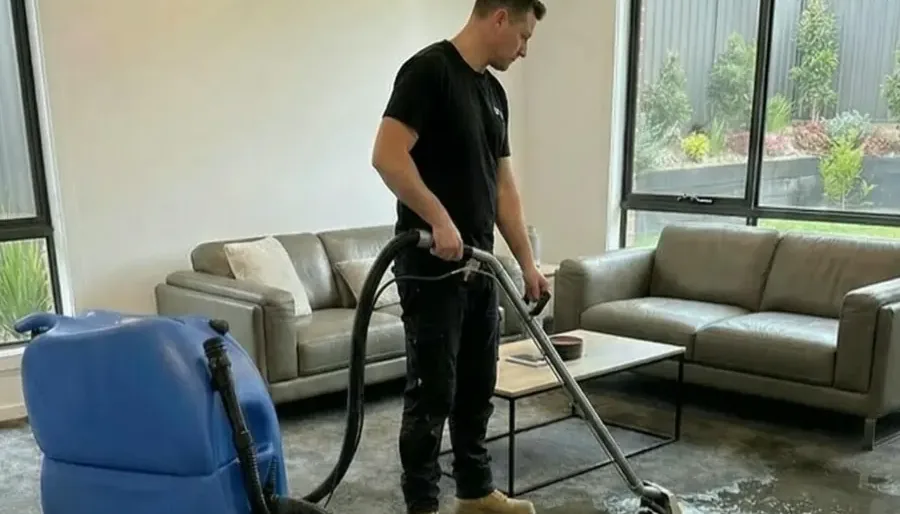 WD 01Water ExtractionStanding water comes out before equipment can address moisture held inside carpet, trim and walls.Explore this cleanup
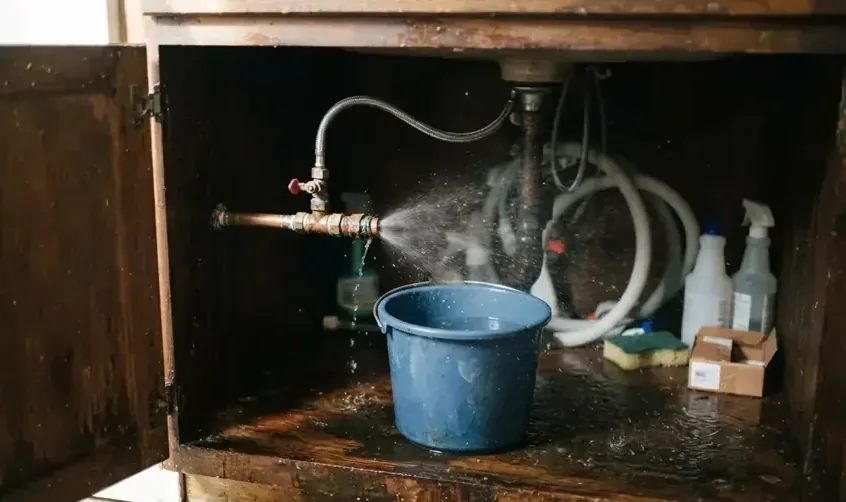 WD 02Burst Pipe Water DamageA ruptured pipe may soak adjoining rooms while the first visible puddle remains surprisingly small.Explore this cleanup
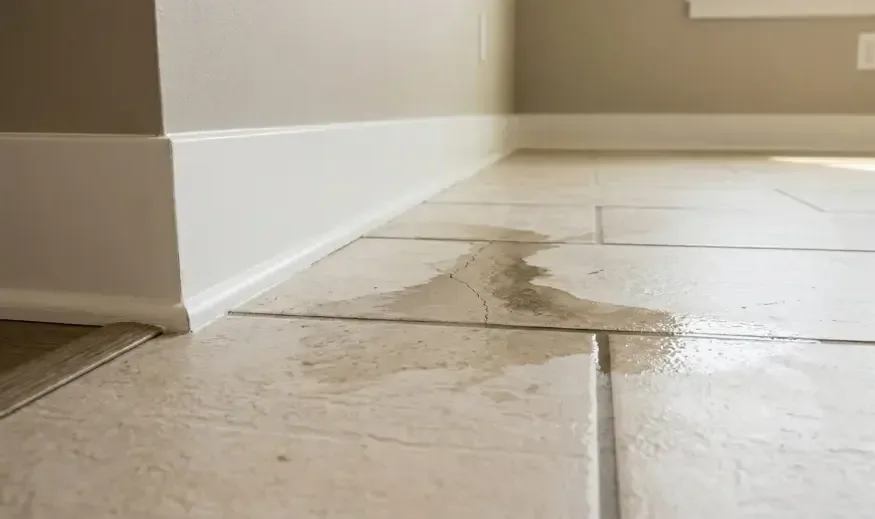 WD 03Slab Leak Water DamageMoisture rising at a floor edge calls for plumbing diagnosis and checks beneath the finish.Explore this cleanup
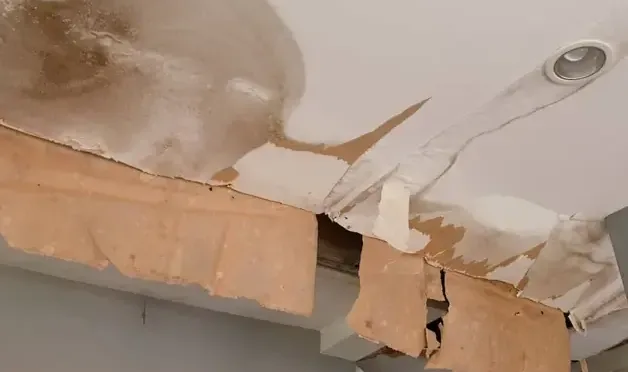 WD 04Ceiling Leak Water DamageSagging overhead material changes where occupants can safely stand while the leak source is traced.Explore this cleanup
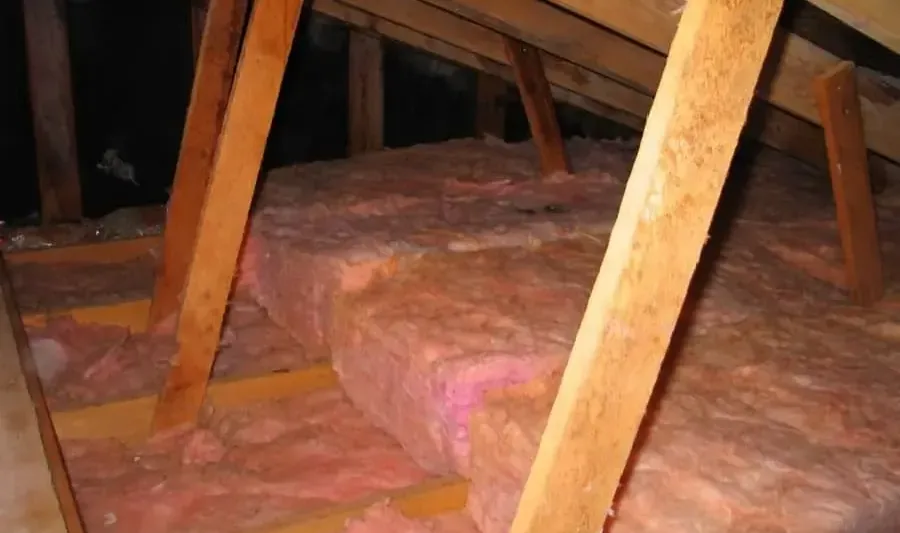 WD 05Roof Leak Water DamageRain entry demands coordinated roof repair and interior drying, including insulation hidden above the ceiling.Explore this cleanup
 WD 06Storm Water DamageWind driven rain and ground runoff follow different routes and need distinct material cleanup decisions.Explore this cleanup
 WD 07Flood CleanupOutdoor water can leave sediment inside floor joints and wall cavities after the puddles disappear.Explore this cleanup
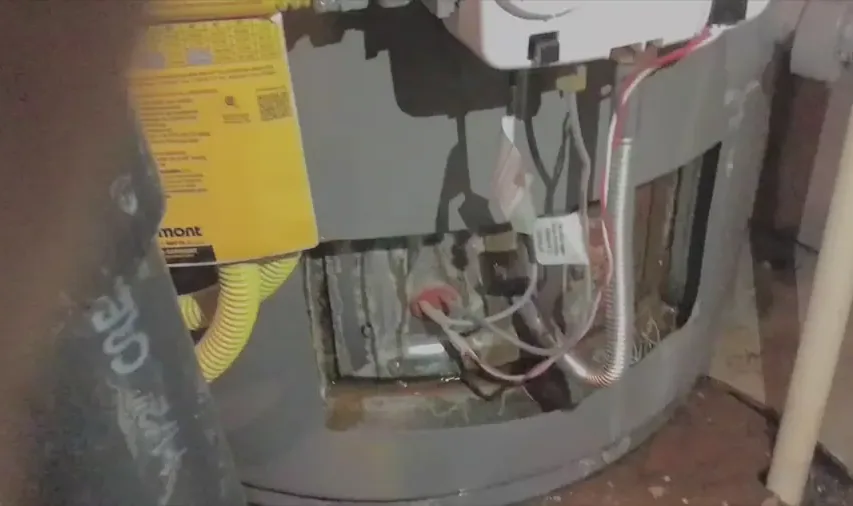 WD 08Water Heater Leak CleanupTank spills often spread behind utility room trim before anyone notices water beside the heater.Explore this cleanup
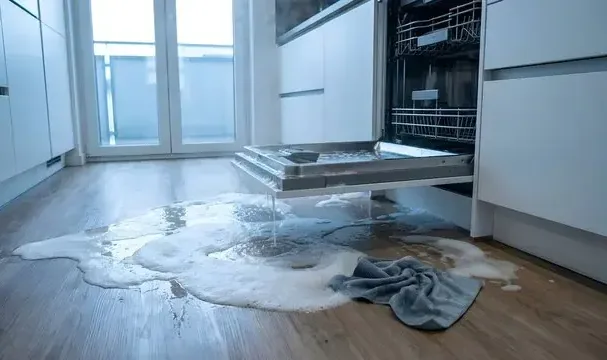 WD 09Appliance Leak Water DamageA dishwasher or washer release needs inspection beyond the appliance footprint and across adjoining finishes.Explore this cleanup
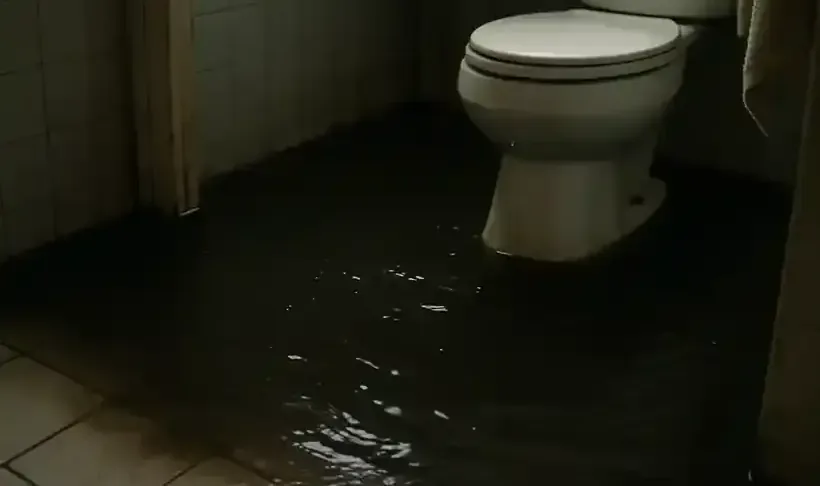 WD 10Toilet Overflow CleanupOverflow contents determine handling precautions, with bathroom thresholds checked for travel into the next room.Explore this cleanup
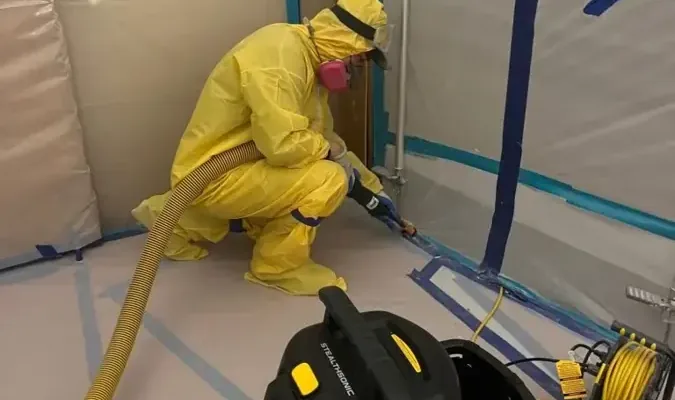 WD 11Sewage Backup CleanupWastewater exposure requires restricted access, controlled removal and cleaning before a drying plan can proceed.Explore this cleanup
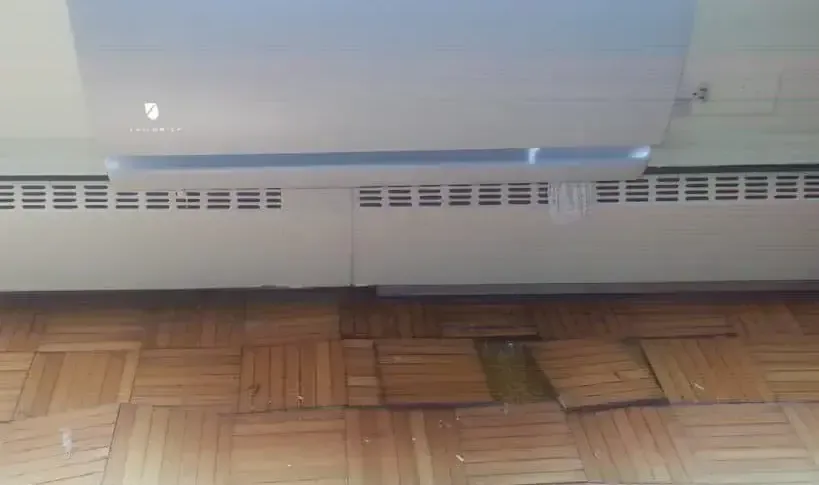 WD 12Hardwood Floor Water DamageSwollen boards need measurements through the floor assembly before sanding, replacement or drying choices become clear.Explore this cleanup
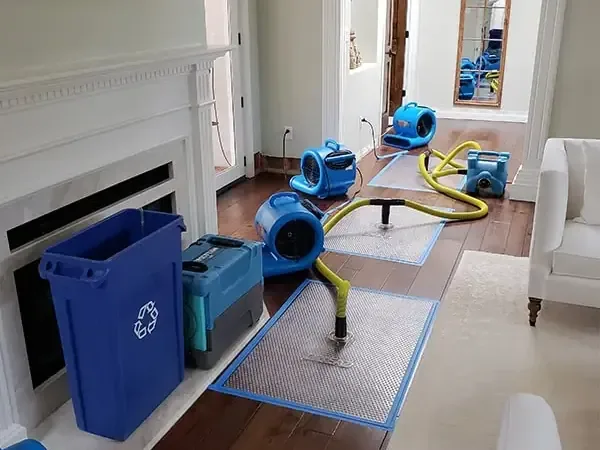 WD 13Structural DryingCavity measurements track progress after extraction and help establish when repair materials can be installed.Explore this cleanup
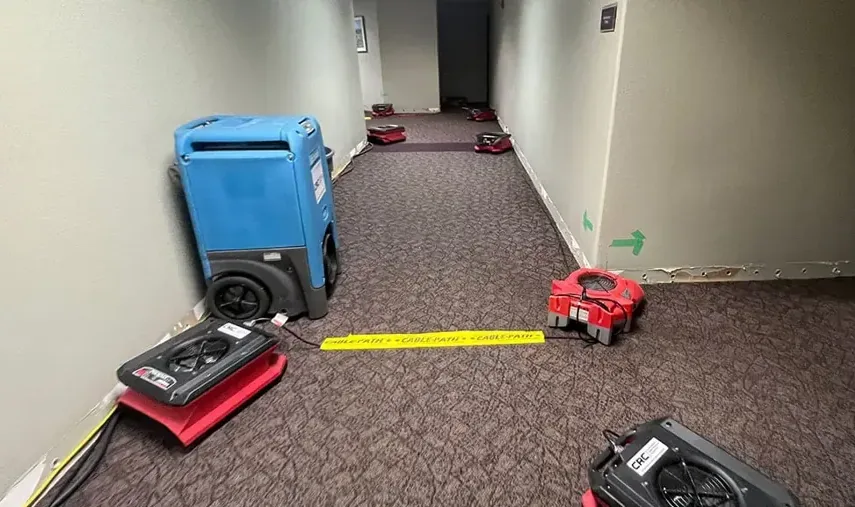 WD 14Commercial Water DamageBusiness cleanup balances affected materials with occupied spaces, access routes and authorization for necessary work.Explore this cleanup
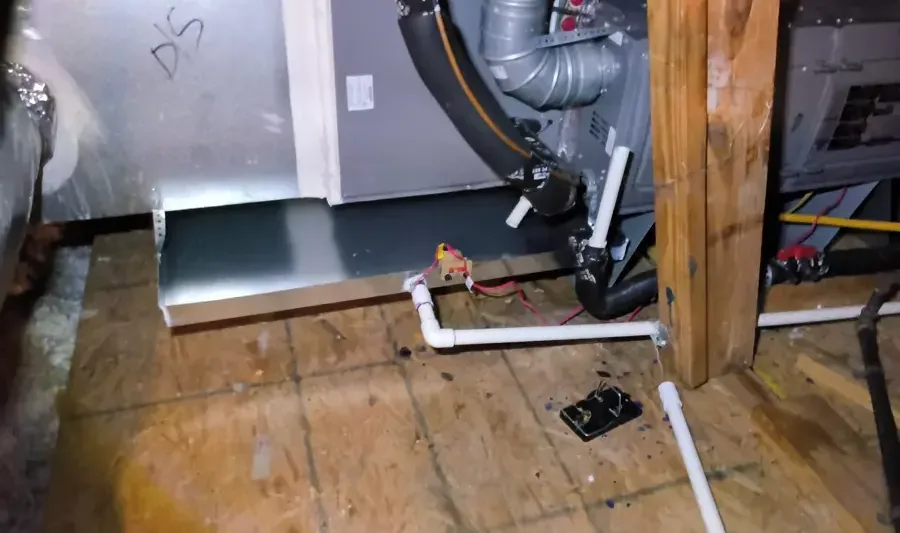 WD 15AC Leak Water DamageCondensate escaping an air handler can wet its platform and nearby ceiling without a plumbing rupture.Explore this cleanup
Make the affected space safer to assess
Stay outside unstable areas
A bowed ceiling, wet electrical equipment or dirty standing water calls for separation from the affected room. Keep children, visitors and pets away from that area.
Locate a safe shutoff
An accessible supply valve can limit a plumbing release. Leave wet switches and unfamiliar equipment alone, and arrange a qualified repair when the source remains active.
Record the visible starting condition
Photograph water paths and damaged belongings from a dry position. Include the room entrance and adjoining surfaces so the record shows more than the deepest puddle.
Notify the responsible property contact
Condominium and HOA arrangements can involve several decision makers. Identify the person who can authorize entry, plumbing work and removal of wet finishes before work expands.
Describe every affected space
Report water upstairs, below cabinets or through a doorway separately. Those details help shape the inspection and prevent an overlooked room from remaining damp.
Green Valley is an unincorporated community in Pima County, with separate dwellings, town houses and condominiums requiring individual access planning.
(888) 949-8496Discuss the wet roomsDecisions tied to the building in front
A clear scope connects the water source to each affected surface, explains removal choices, and records drying progress before the property moves into repairs.
- Photograph the source area before safe access changes.
- Save repair invoices identifying the failed component involved.
- List affected belongings with their rooms and condition.
- Retain equipment records and dated moisture measurement notes.
- Keep written approvals for removal and repair changes.
How a water loss is handled
Visible boundaries
The initial sketch includes dry reference areas and rooms beside the loss. Water crossing beneath a partition may require a broader inspection than the visible stain suggests.
Specific material decisions
Carpet backing, cabinet bases and wall insulation behave differently after wetting. The work description should state which materials remain, which require access and which need removal.
Access coordination
An owner, tenant or management contact needs a workable entry arrangement. Equipment placement should preserve necessary movement while keeping occupants away from unstable or contaminated spaces.
Repair readiness
Final notes should connect moisture readings with the surfaces prepared for reconstruction. A dry room feeling pleasant does not replace checking the previously wet assembly itself.
A sequence that keeps repairs accountable
Restoration progresses through inspection, water removal, controlled structural drying and verification. Each stage should answer a practical question about the condition of the affected building.
| 01 | Establish the starting condition. Identify the source and inspect the rooms reached by water. Record safety restrictions, surface conditions and concealed areas that need access so the work begins with a usable map. |
|---|---|
| 02 | Remove water and damaged material. Extract pooled water with suitable equipment. Evaluate saturated finishes and contamination, then explain removal boundaries before opening assemblies or moving affected belongings into another part of the property. |
| 03 | Manage the drying environment. Position equipment around the materials being retained. Measure humidity and material moisture during followup visits, adjusting the arrangement when a cavity or dense assembly responds differently from surrounding surfaces. |
| 04 | Prepare the repair handoff. Compare final readings with appropriate reference conditions and identify any remaining work. The handoff should tell the owner which surfaces are ready and which source repairs still require attention. |
Keep the loss understandable
Clear photographs, item descriptions and work records help explain what happened. Coverage and payment decisions belong to the applicable policy and claim assessment, separate from the physical cleanup scope.
When paying for work directly
A written scope remains useful when no claim is involved. Ask for the extraction, cleaning, drying and reconstruction portions to be distinguishable so changes can be discussed clearly.
Decisions about salvage should account for material condition and contamination. A low initial figure becomes less useful when hidden wetting or source repairs are left unexplained until later.
What changes a Green Valley cleanup estimate
Green Valley water damage costs depend on the water source, affected area and depth of hidden wetting. Removal, cleaning and equipment needs should appear separately so the property contact can see how the proposed work addresses the loss.
Contained room damage
$1,000 to $2,500- Accessible wet interior surfaces
- Limited material removal
- Focused drying setup
Connected wet spaces
$2,500 to $8,000- Water beneath interior partitions
- Several finish materials
- Expanded moisture monitoring
Extensive building exposure
$8,000 to $20,000+- Concealed wet assembly access
- Substantial contaminated material
- Coordinated reconstruction planning
These planning ranges describe different scopes rather than a property quote. Source repairs, replacement finishes and necessary permit work should be identified explicitly before the owner authorizes the final plan.
From the first inspection to a measured finish
- 1
Establish the starting condition
Identify the source and inspect the rooms reached by water. Record safety restrictions, surface conditions and concealed areas that need access so the work begins with a usable map.
- 2
Remove water and damaged material
Extract pooled water with suitable equipment. Evaluate saturated finishes and contamination, then explain removal boundaries before opening assemblies or moving affected belongings into another part of the property.
- 3
Manage the drying environment
Position equipment around the materials being retained. Measure humidity and material moisture during followup visits, adjusting the arrangement when a cavity or dense assembly responds differently from surrounding surfaces.
- 4
Prepare the repair handoff
Compare final readings with appropriate reference conditions and identify any remaining work. The handoff should tell the owner which surfaces are ready and which source repairs still require attention.
Describe the property and entry arrangement
ZIP areas overlap the community, so service arrangements start with the actual property location. Include a gate or management contact when that person controls access to the affected space.
Canoa Hills and Desert Hills are recreation centers on Camino del Sol. Such location references can help describe the area, while the building inspection determines the work required.
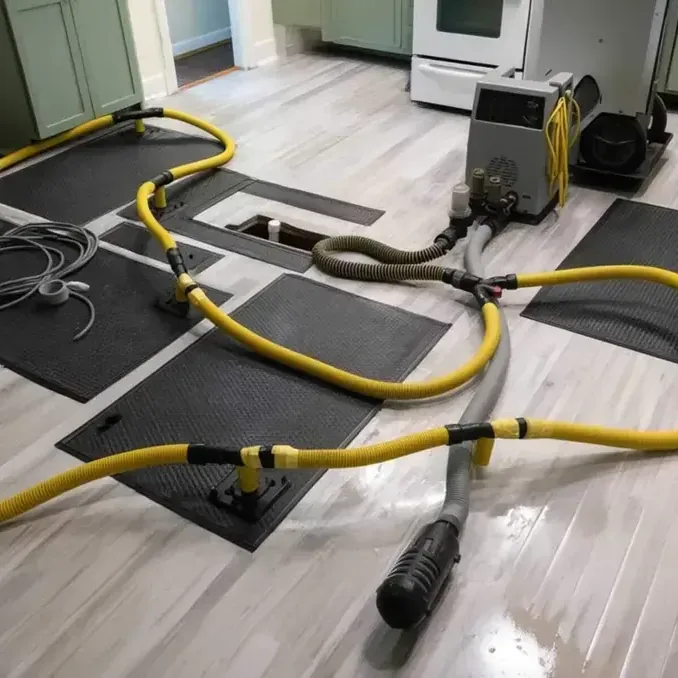
Read about the drying approachSurfaces and equipment seen during practical cleanup
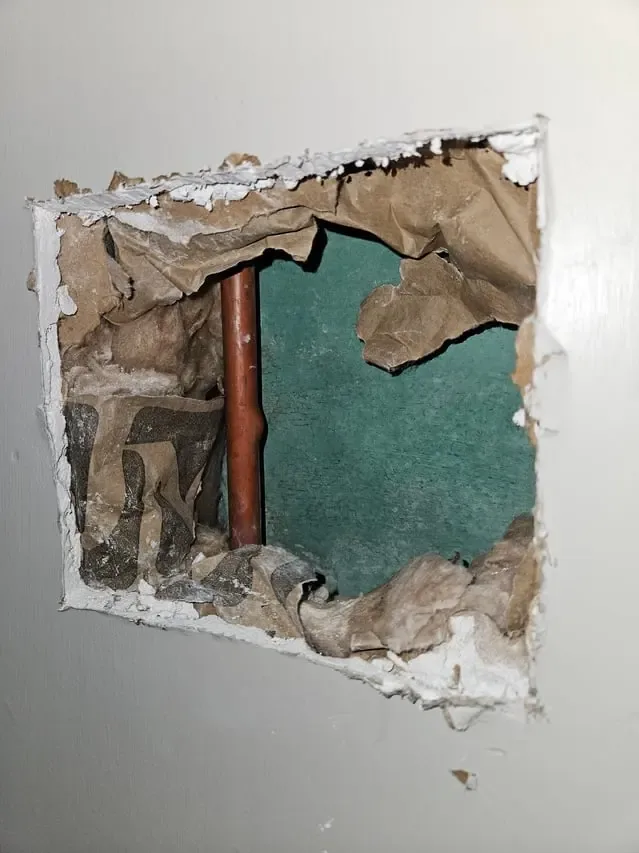
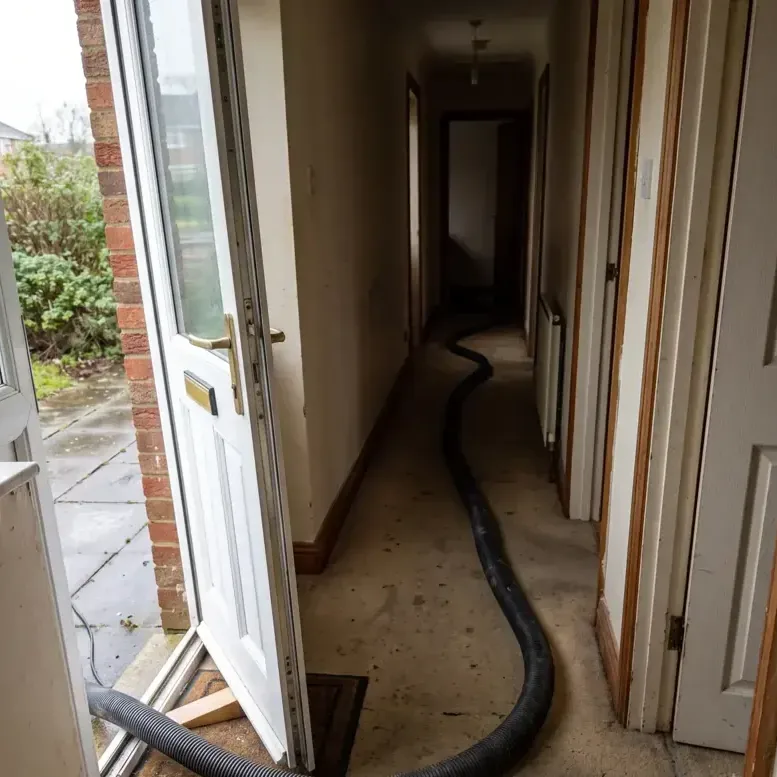
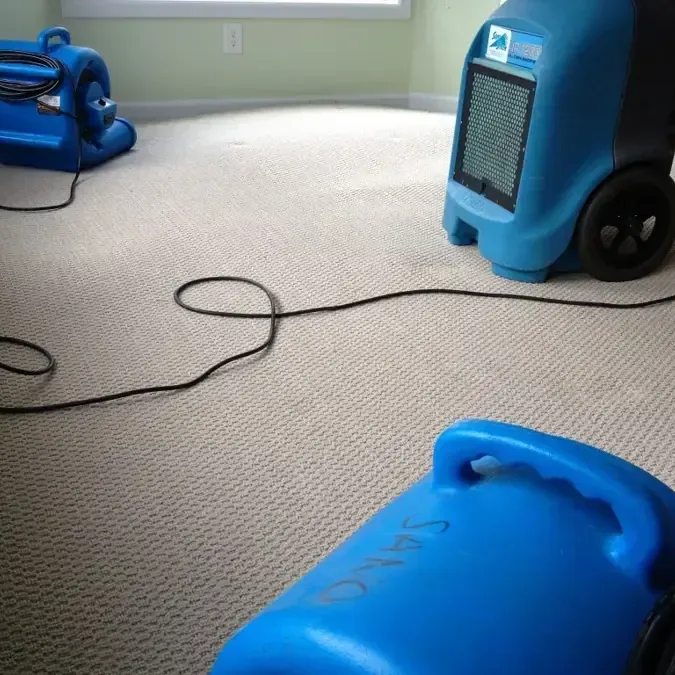
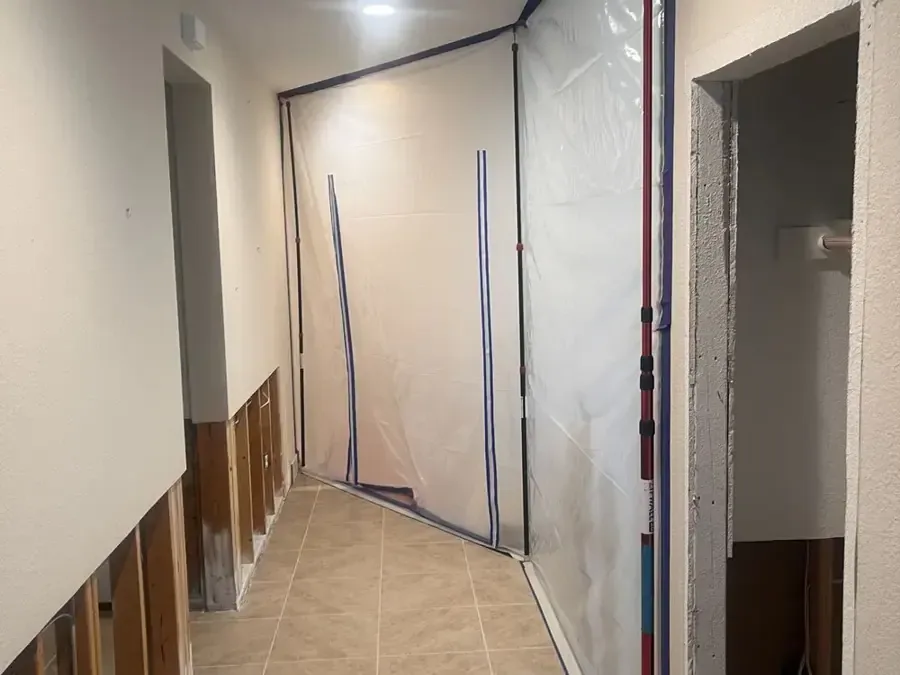
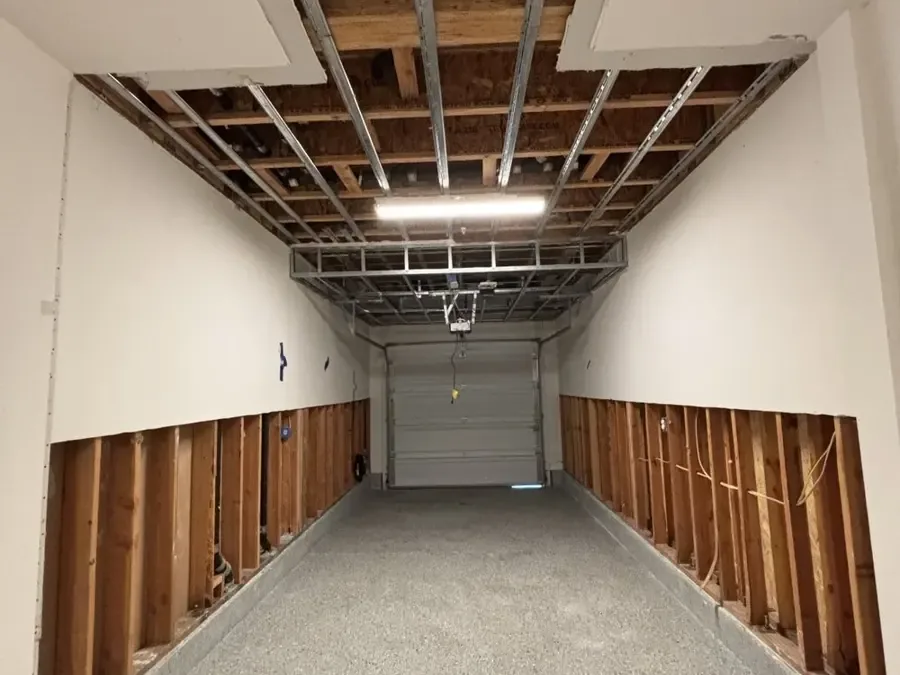
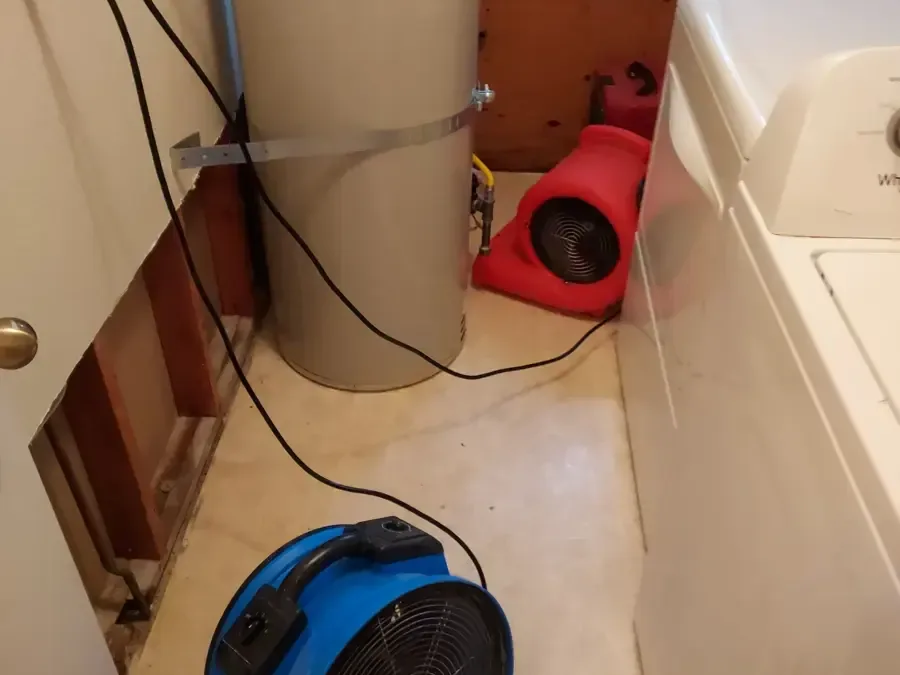
Different releases need different cleanup choices
Pressurized supply water
A sudden plumbing failure can wet cavities quickly. Isolation and repair of the source accompany extraction, with material checks extending beyond the broken connection.
Pipe damage detailsAppliance discharge
Water from a machine may include detergent or food residue. The appliance connection and the spaces under nearby cabinets both deserve attention.
Appliance cleanup optionsWastewater intrusion
A backup requires an exposure boundary and controlled handling. Contaminated porous materials need separate decisions before fans or routine cleaning methods enter the picture.
Wastewater cleanup stepsGreen Valley properties and shared spaces
Other community pages
Describe the property and entry arrangement
Green Valley is an unincorporated community in Pima County, with separate dwellings, town houses and condominiums requiring individual access planning.
(888) 949-8496Discuss property accessLocal conditions shape the inspection
Seasonal rain, indoor plumbing and shared property arrangements create different starting points. Green Valley cleanup begins with the actual route water took into the affected space.
- Monsoon entry. The hot monsoon season generally runs from July through September. Rain entering overhead requires a different inspection route from runoff that crosses a doorway or garage threshold.
- River setting. The community sits west of the Santa Cruz River. For a particular water loss, the inspection follows entry marks and affected materials rather than relying on geography alone.
- Shared responsibilities. Local housing includes condominiums and town houses within HOA arrangements. A leak through a shared assembly may require access authorization from more than the occupant of the wet room.
- Dry outdoor periods. April through late June is hot and very dry. Moisture trapped behind cabinets or within insulation still needs direct checks before the surrounding finishes are closed.
- Community facilities. Green Valley Recreation facilities host meetings, classes and member activities. Water damage in a shared building needs an access plan that accounts for scheduled use and occupant movement.
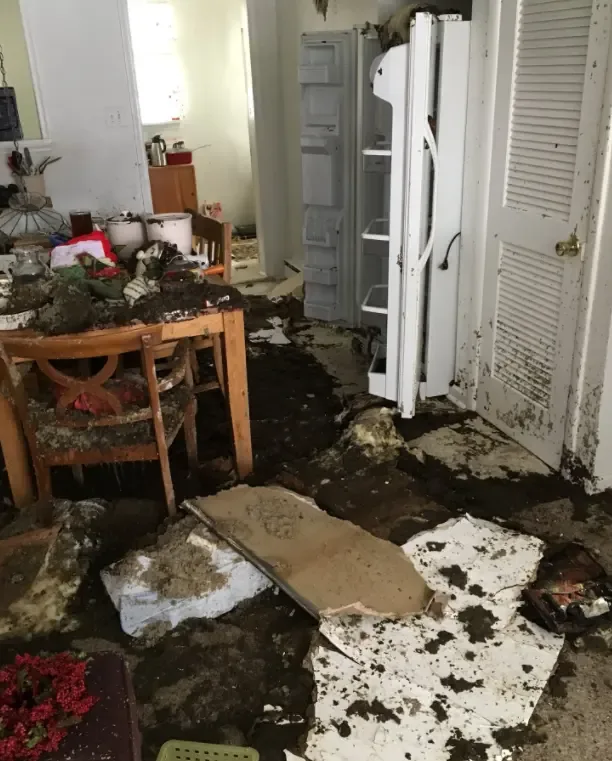
Casas de Abrego flooding. Flood reporting from Casas de Abrego describes property damage and thick street mud. Outdoor water entering a building calls for sediment removal and careful material assessment.
Questions before cleanup begins
Does a small puddle need an inspection?
The visible puddle can be smaller than the wet area beneath a finish. Check nearby trim, floor joints and the room on the other side of the wall. Persistent staining, swelling or recurring moisture warrants a closer assessment of the assembly.
Who authorizes work in a condominium?
The occupant should identify the owner or management contact responsible for the affected space. Shared walls and adjoining units can require additional permission. Record who approves access and removal, while the applicable ownership documents determine responsibility for particular repair costs.
Can a ceiling stain be painted after drying?
Painting follows source repair and assessment of the ceiling material. A stain can sit beside wet insulation or weakened board, so the surrounding area needs inspection. Repairs should address any damaged components before cosmetic finishing hides the original water path.
Should outdoor water be treated like a pipe spill?
Water that crossed the ground can carry sediment and contamination into porous finishes. Its cleanup plan should reflect that exposure. A supply release has a different starting condition, although time and contact with other materials can change the assessment.
What information helps with an initial call?
The source, rooms involved and whether water is still entering are useful starting details. Mention a sagging ceiling, sewage or wet electrical equipment immediately. Property access, occupancy and the person able to authorize work help complete the initial picture.
Is hot weather enough to dry a wall?
Heat outside does not show the moisture content inside a wall. Insulation, layered flooring and cabinet voids can remain wet after the room feels comfortable. Restoration uses material readings and controlled conditions to establish progress before closing those spaces.
Will all wet flooring require replacement?
The answer depends on the flooring assembly, water exposure and condition of its layers. Some materials can be dried while others separate, swell or retain contamination. Inspection should explain the decision for the particular floor instead of applying a blanket rule.
What records should remain after equipment is removed?
Keep photographs, source repair details, material decisions and moisture records together. The final description should identify retained surfaces and any remaining repair needs. Those records help the owner discuss reconstruction and explain the sequence of work if a claim is reviewed.
Do repairs require a county permit?
Pima County uses electronic permit and site development submittals. The person performing regulated repairs should confirm the requirements for the actual scope. Where applicable, closeout can include final inspections and a Certificate of Occupancy, so approvals belong in the repair schedule.
Start with the source and wet rooms
A clear description of the damage helps establish safe access, inspection priorities and the next cleanup decision.