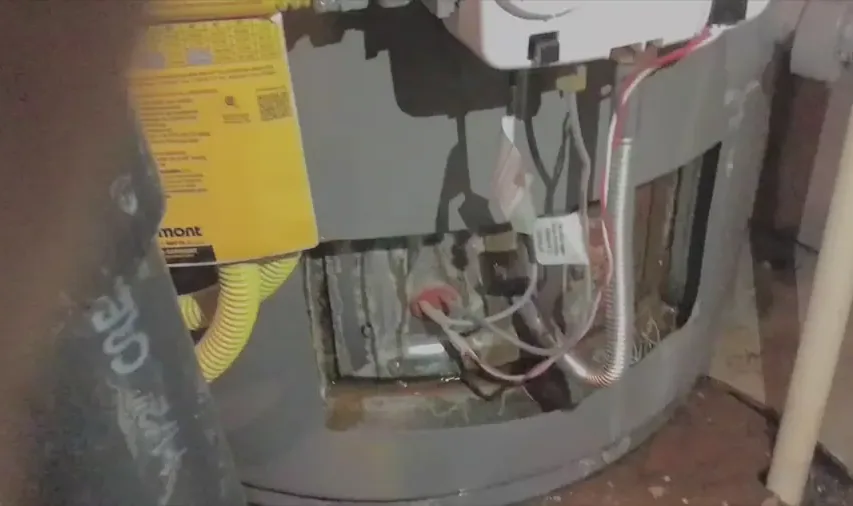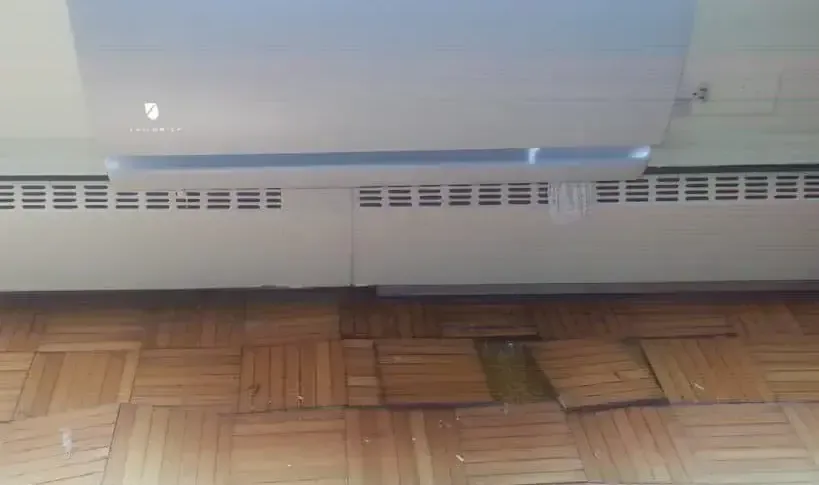
Water beneath and behind the machine

Appliance Leak Water Damage in Sahuarita, AZ

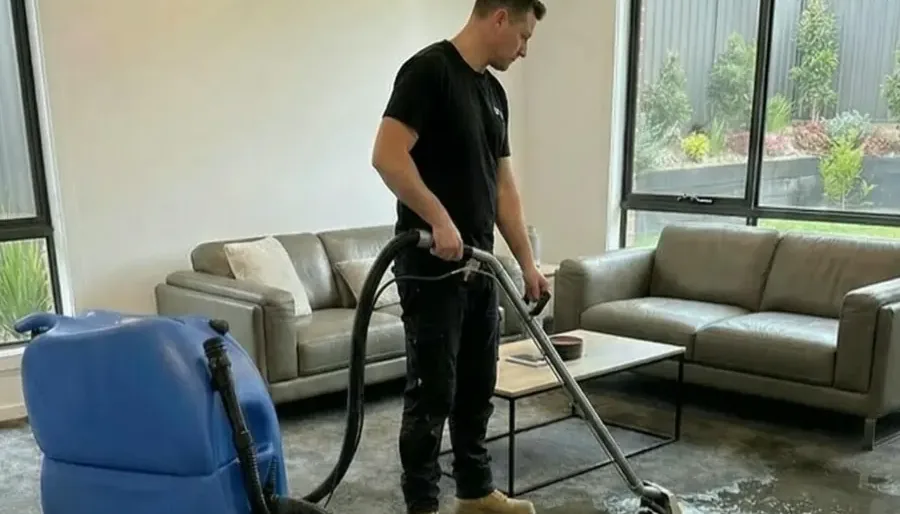
The restoration crew checks beneath appliances and fixed cabinetry after a washer, dishwasher or refrigerator release. Extraction and controlled drying address the hidden spread after an appropriate specialist controls the source.

(888) 949-8496Check behind the leaking appliance
24/7 appliance-loss dispatch Cabinet-base moisture testing Supply and discharge assessment
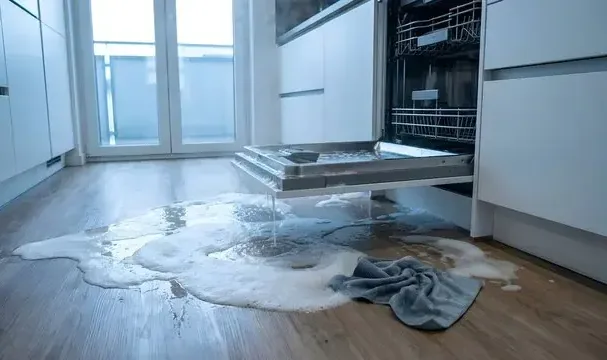
Foamy water spread across the kitchen floor beside an open dishwasher
Immediate priorities

Appliance Leak Water Damage: first steps

  1. 1

    Stop operation without touching wet electrics

    The household avoids wet controls, outlets and plugs. A safe accessible water valve may limit a supply release, while a qualified specialist handles uncertain isolation and repair of the appliance.

  2. 2

    Identify supply versus discharge

    The owner reports whether the machine was filling, draining or idle when water appeared. Those details help the assessor distinguish a supply leak from discharged appliance water and select the appropriate contamination controls before drying begins.

  3. 3

    Keep the machine movement controlled

    The crew coordinates access with the appliance specialist instead of forcing a connected unit out. Heavy equipment, supply hoses and sharp cabinet edges can complicate a seemingly simple inspection.

  4. 4

    Record the cabinet and floor changes

    The owner notes swelling, loose trim or damp edges near the machine. The restoration technician measures the affected assembly and checks the next room where flooring or partitions continue.

Assessment and control

How appliance leak water damage is handled

Rapid local response

The response team prioritizes active water movement and unsafe access. The first assessment separates source control from extraction, so a stopped leak does not leave hidden wet materials untreated.

IICRC S500 drying standard

The drying specialist sets a material-specific goal using unaffected reference readings. Airflow and dehumidification follow the evaporation load, with equipment adjusted when the daily measurements show a change.

Claim-ready documentation

The project file records the water source, affected rooms, material condition and work performed. Photographs and moisture logs let the owner and insurer examine the scope without relying on a dry-looking surface.

Local water experts

The site assessment checks the building actually affected, including access restrictions and shared assemblies. The restoration contractor distinguishes cleanup from plumbing, roof or equipment repair before recommending the next step.

Planning the cleanup

What does appliance leak water damage cost in Sahuarita, AZ?

Appliance leak mitigation often costs $700 to $5,000, depending on the discharge, cabinet access and spread below flooring. Repairing or replacing the machine is separate work. Saturated fixed cabinetry and contaminated porous layers can increase removal and reconstruction costs.

An accessible appliance spill

$700 to $1,600
  • Water removal beside the unit
  • Initial floor-edge testing
  • Small drying setup

Cabinets or adjoining rooms wet

$1,600 to $5,000
  • Controlled appliance access
  • Toe-kick and wall-base checks
  • Daily concealed-moisture monitoring

Extensive layered damage

$5,000 to $10,000+
  • Selective cabinet or floor removal
  • Contaminated material handling
  • Repair-scope coordination

Category, wet square footage, material class and the delay before drying determine the scope. Repairing the source and replacing finishes may add separate charges. Compare the assumptions with the water damage cost calculator.

Work sequence

Appliance Leak Water Damage process

The crew records the starting condition, adjusts the equipment and verifies the result.

  1. 1

    Investigate the operating conditions

    The assessor asks when water appeared and records the appliance, supply and drain observations. A service technician determines the component repair. The restoration inspection in La Joya focuses on the actual machine location and adjoining materials, without inferring a failure pattern from the neighborhood or appliance age.

  2. 2

    Open access to the wet footprint

    Once safe disconnection and movement are arranged, the crew checks beneath and behind the unit. The assessor records cabinet bases, floor transitions and wall conditions before selective access work. Hidden wetting may extend beyond the machine footprint, so the map follows connected assemblies rather than a rectangular appliance outline.

  3. 3

    Extract and dry suitable retained layers

    The team removes accessible water and makes contamination-based retention decisions. Suitable exposed materials receive directed airflow and dehumidification, while inaccessible wet layers may need further opening. Repeated readings distinguish a drying cabinet base from a covered pocket that still needs attention. The contractor explains any change in scope.

  4. 4

    Verify before the machine returns

    The drying record identifies the condition of the floor and surrounding fixed materials. The appliance specialist confirms source repair, and the installer avoids concealing areas still needed for testing or finish work. The owner receives separate notes on appliance service, mitigation and cabinet or flooring replacement.

Common sourcesSupply, wash water or drain
Hidden zoneCabinet base and floor layers
AccessSafe appliance isolation
Drying checkTest before reinstalling

Appliance leak water damage in Sahuarita can remain concealed behind a toe-kick or beneath a machine after the visible floor has been wiped. The cleanup scope follows those hidden materials, not just the water left in front of the appliance.

The operating cycle helps identify the source

A washer filling with supply water, a dishwasher discharging used water and a refrigerator supply connection present different clues. The appliance specialist investigates the component. The restoration assessor evaluates the water exposure and what it means for retaining porous materials.

Rancho Resort and Madera Highlands homes need individual inspection of the actual kitchen or laundry assembly. The contractor should not assume a particular cabinet construction or flooring installation from the community name. The owner can describe the discovery and operating cycle while the crew confirms the affected extent.

  • Water can travel beneath a cabinet without leaving a large puddle in the room.
  • A toe-kick panel can block air from reaching a wet cabinet base.
  • Continuous flooring may carry moisture beyond the appliance into an adjoining space.
  • Used wash water requires an exposure assessment before a simple in-place drying decision.

Access matters as much as equipment

Safe movement of the appliance can reveal wet material that was inaccessible during the first visit. The team documents those findings before removing finishes or changing the drying plan. A dehumidifier in the middle of the room cannot prove that a covered layer under the unit is dry.

In Los Arroyos, as elsewhere, the actual moisture readings determine whether access is adequate. The hardwood floor assessment addresses flooring response, while the appliance technician resolves the defective hose, connection, seal or drain component.

Reinstallation should preserve the drying result

The contractor records the final condition of retained materials and identifies any reconstruction still needed. Installing a repaired machine over a wet floor can conceal the same problem that prompted the assessment. The owner should know whether the scope includes moving the unit again if final repairs require access.

Photographs and daily measurements help explain cabinet and flooring decisions to the insurer. Coverage depends on the policy and circumstances of the release. The cost calculator can illustrate scope factors, but a machine repair invoice and a restoration estimate describe different work.

Practical answers

Appliance Leak Water Damage questions in Sahuarita, AZ

Is dishwasher water treated like a supply leak?

Not automatically. The assessor distinguishes incoming sanitary water from used wash water and drain discharge. Contact and material condition also matter. The cleanup plan should follow that evaluation rather than assume that all water released near a kitchen appliance permits the same retention decisions.

Should the homeowner pull the appliance out?

A connected heavy appliance can create electrical, plumbing and handling hazards. The crew coordinates safe isolation and movement with the appropriate specialist. The owner can report visible water and cabinet changes without forcing the machine across wet flooring or stretching its connections.

Why test the room beside the kitchen?

Floor layers and wall bases can continue beneath a threshold or partition. Water may travel along those connections before the visible room looks extensively wet. The technician checks the likely path and records the boundary rather than limiting testing to the appliance footprint.

Can swollen cabinetry always be dried?

Drying removes moisture but does not reverse every form of material damage. The assessor considers the cabinet material, contamination and loss of shape or strength. The scope should distinguish drying a suitable retained assembly from replacing a component that can no longer serve its intended function.

When can the appliance be reinstalled?

The source repair and surrounding material condition both need review. The contractor records the drying result and remaining finish work, while the appliance specialist handles installation requirements. Reinstallation should not block access to an area that still needs testing or reconstruction.

What belongs in the cleanup estimate?

The estimate should identify extraction, access, cabinet or floor decisions, equipment monitoring and any removal. Appliance repair and replacement may be separate. Separate scope items let the owner compare appliance repair, cleanup and finish replacement, then submit each estimate and the supporting records to the insurer.

Service area

Appliance leak water damage coverage

Sahuarita, AZ

The restoration team covers ZIP 85629, including Rancho Resort, Quail Creek, Madera Highlands and Los Arroyos. Access, water source and the affected rooms shape the initial assessment.

Neighborhoods and communities served

24/7 water damage dispatch

Check the cabinet base before the appliance returns

The restoration specialist measures connected flooring and fixed materials, then documents drying and replacement decisions separately from the machine repair.

(888) 949-8496Arrange appliance-loss moisture testing
(888) 949-849624/7 dispatch