Corona de Tucson Water Damage Restoration
A spreading puddle, stained ceiling or swollen floor needs a clear next step. Cleanup in Corona de Tucson starts with the source and the wet materials.
(888) 949-8496Discuss the wet rooms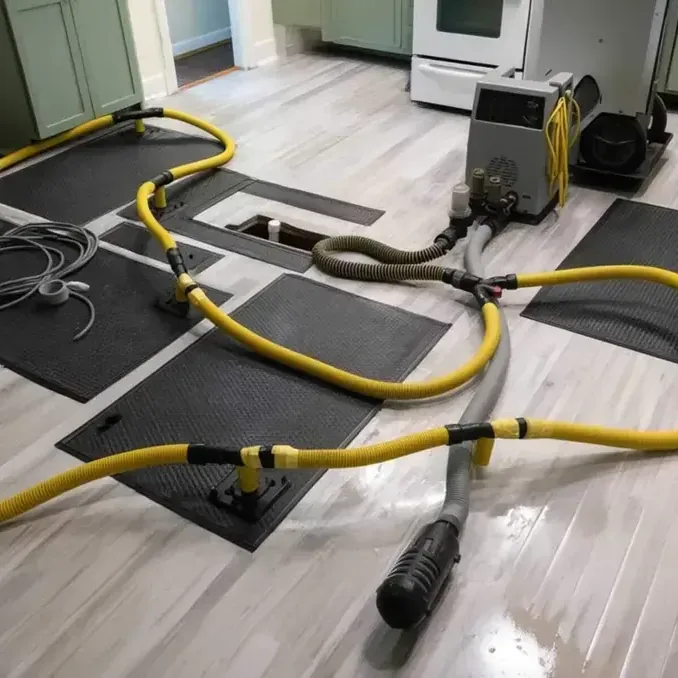
Different leaks require different cleanup decisions
The service descriptions below separate household leaks, exterior water and wastewater so the cleanup approach fits what actually entered the building.
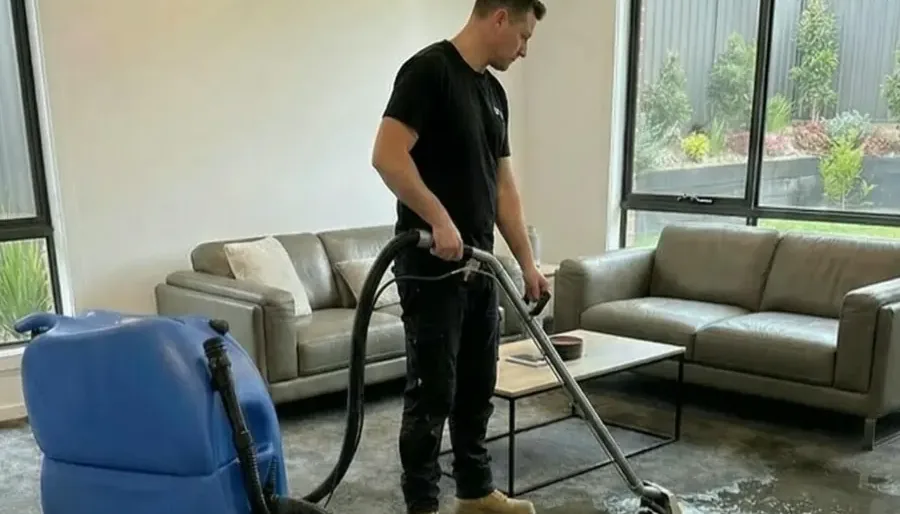 WD 01Water ExtractionStanding water removal opens access to the floor edges and materials that still need drying.Explore this cleanup
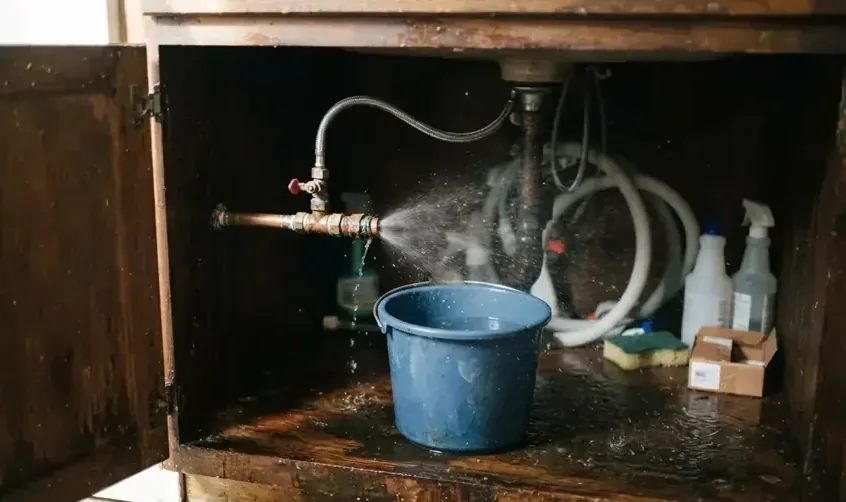 WD 02Burst Pipe Water DamageA broken supply pipe can wet wall cavities long before water reaches the room center.Explore this cleanup
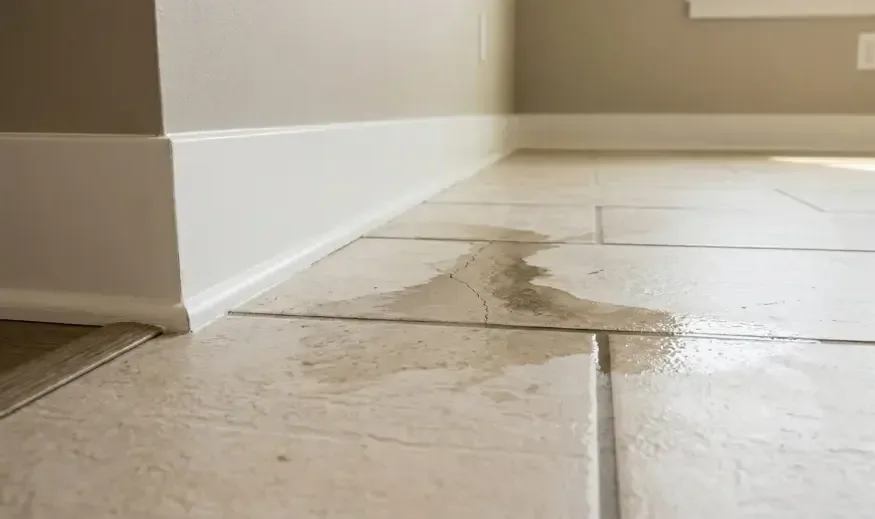 WD 03Slab Leak Water DamageMoisture beneath flooring needs source investigation alongside a careful assessment of the materials above it.Explore this cleanup
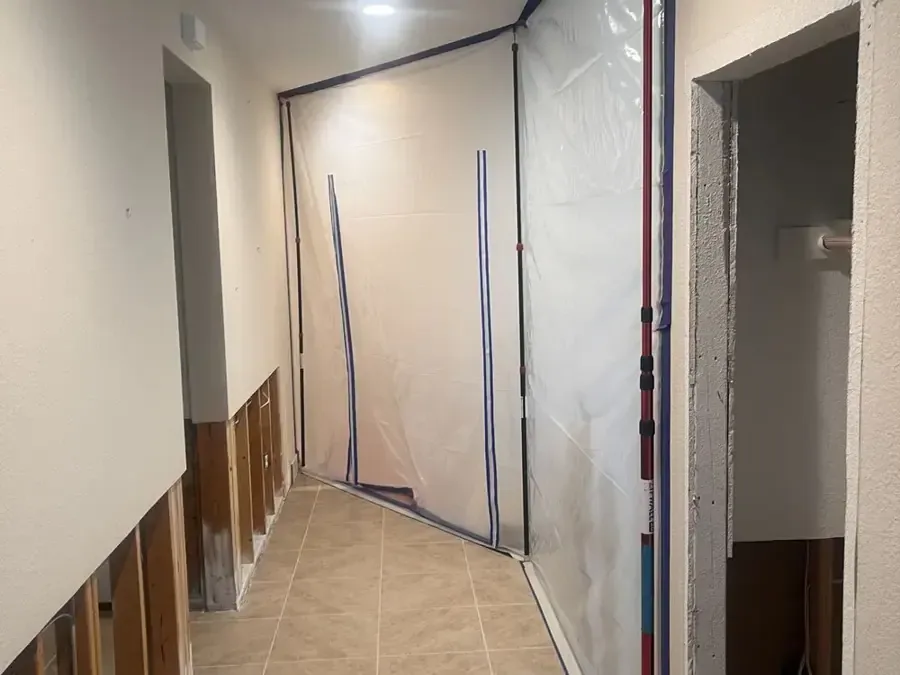
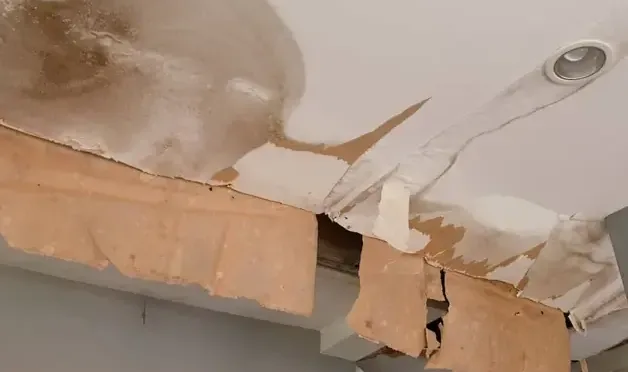 WD 04Ceiling Leak Water DamageSagging ceiling finishes require an exclusion area before the wet assembly can be safely examined.Explore this cleanup
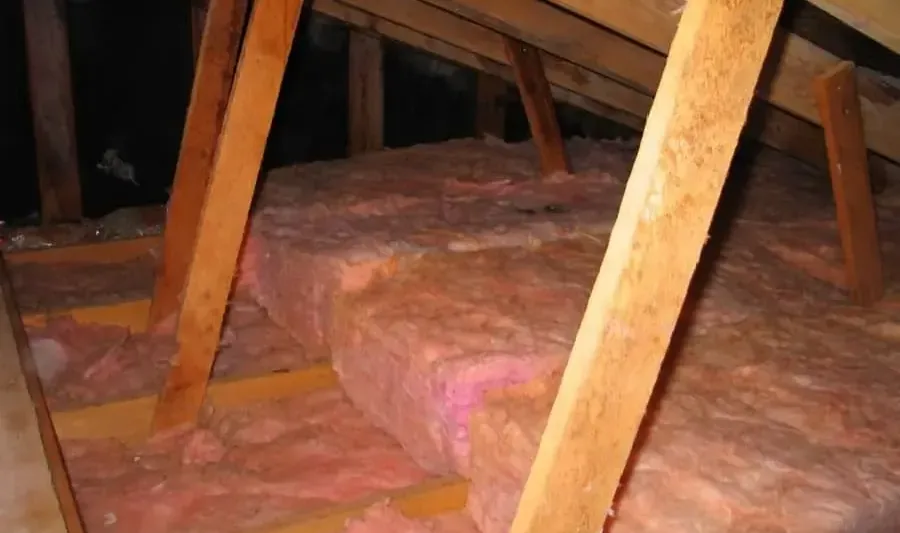 WD 05Roof Leak Water DamageInterior stains can trace a winding path from roof entry through decking, framing and insulation.Explore this cleanup
 WD 06Storm Water DamageRain entry calls for temporary protection and a room assessment after access becomes safe again.Explore this cleanup
 WD 07Flood CleanupOutdoor runoff brings sediment and contamination that change removal, cleaning and material retention decisions.Explore this cleanup
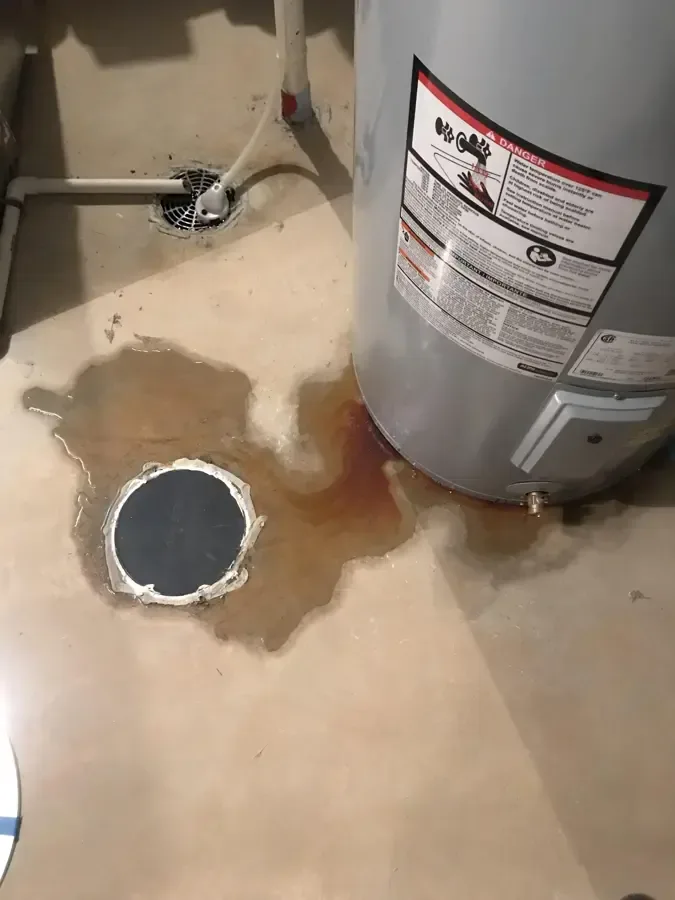
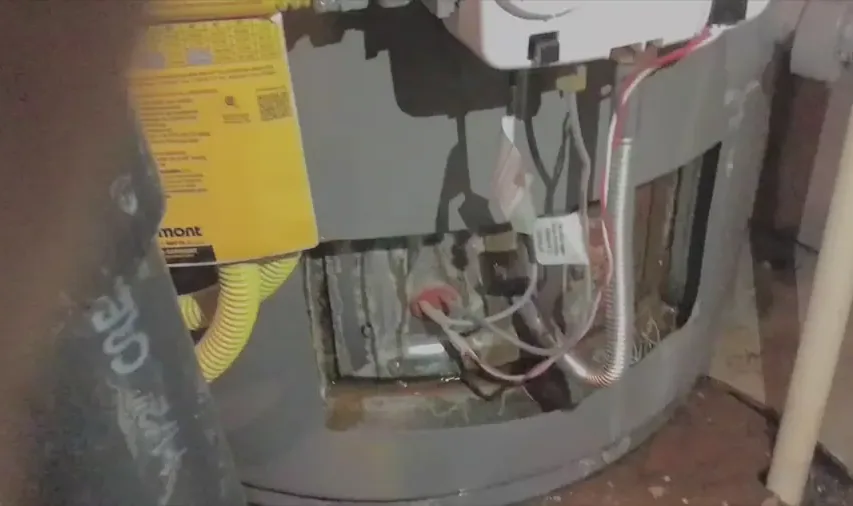 WD 08Water Heater Leak CleanupA tank spill may travel beneath nearby partitions even when the utility floor looks clear.Explore this cleanup
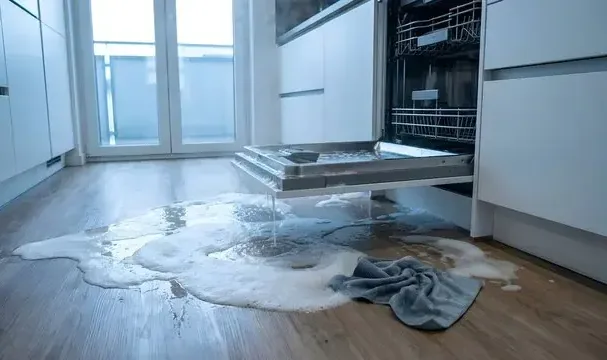 WD 09Appliance Leak Water DamageDishwasher and washer releases can hide beneath cabinets, floor coverings and the appliance itself.Explore this cleanup
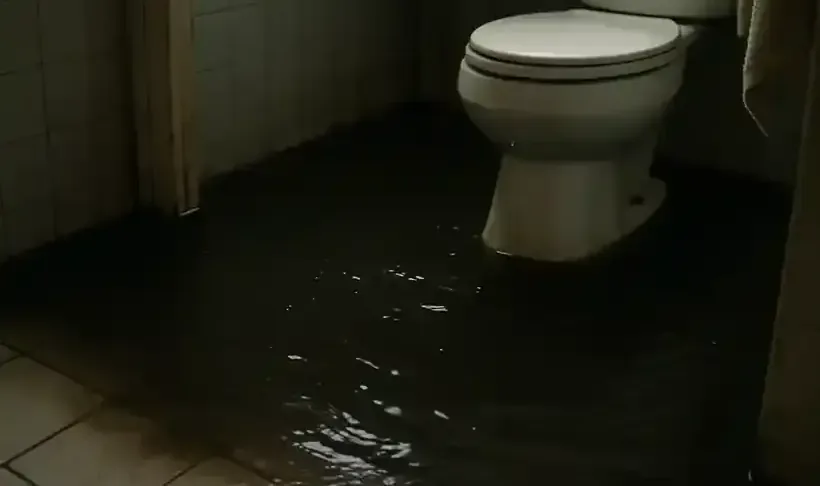 WD 10Toilet Overflow CleanupOverflow cleanup depends on the water source, contact with waste and spread beyond the bathroom.Explore this cleanup
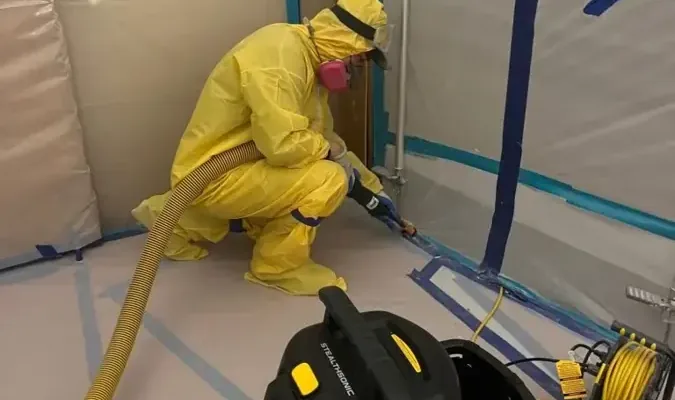 WD 11Sewage Backup CleanupWastewater intrusion requires separation from occupied spaces and careful handling of contaminated porous materials.Explore this cleanup
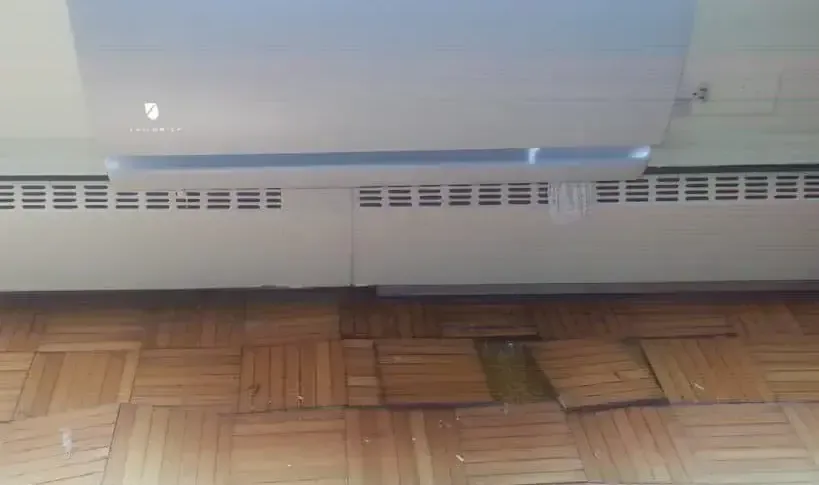 WD 12Hardwood Floor Water DamageSwollen boards need moisture comparisons through the floor assembly before sanding or replacement decisions.Explore this cleanup
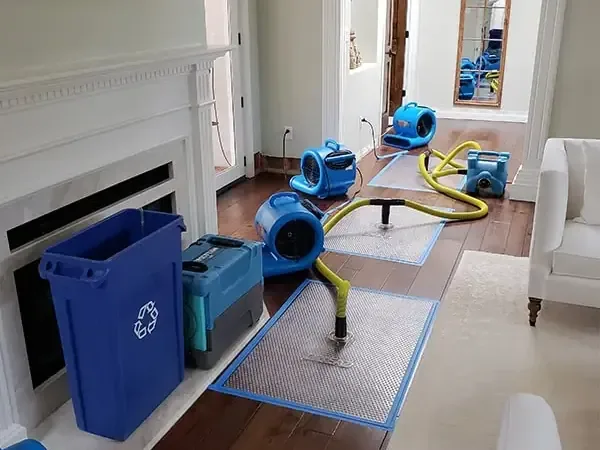 WD 13Structural DryingMeasured drying follows retained framing and surfaces until moisture goals support the next repair stage.Explore this cleanup
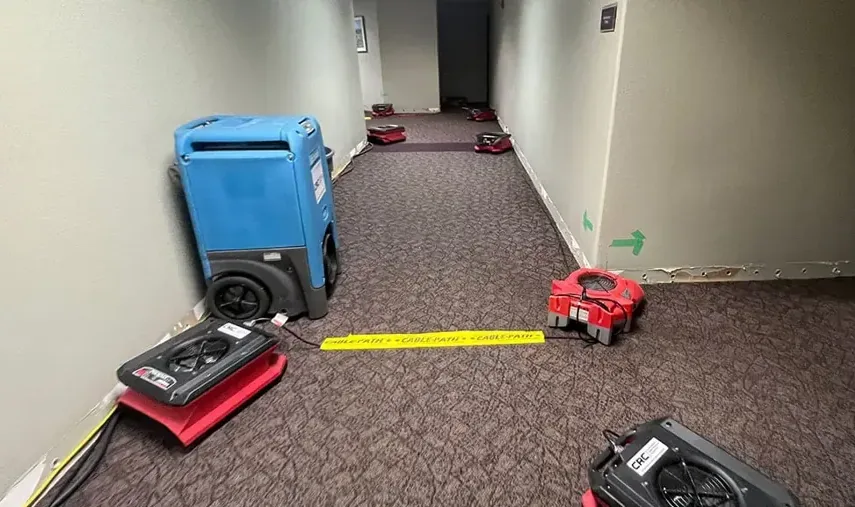 WD 14Commercial Water DamageOccupied businesses need a cleanup boundary that accounts for customers, stock, equipment and safe access.Explore this cleanup
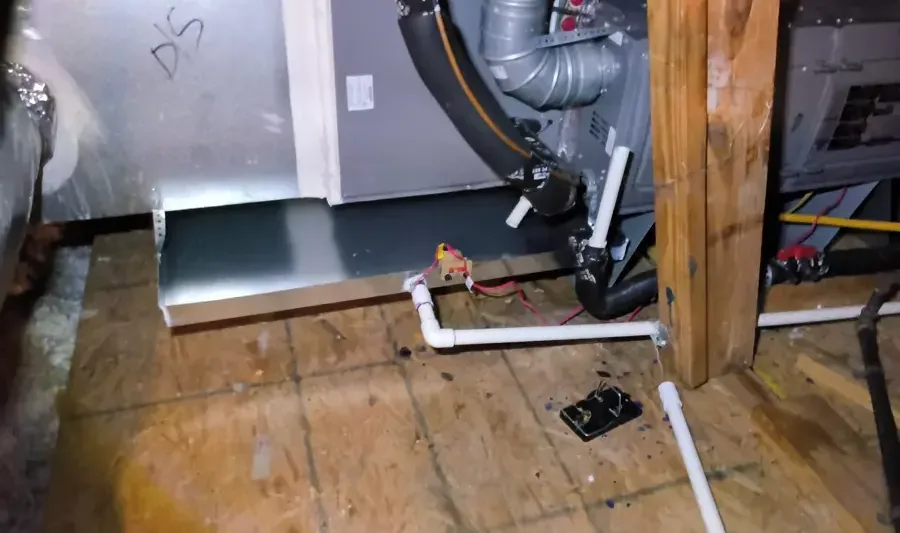 WD 15AC Leak Water DamageCondensate escaping an air handler can soak its platform and concealed areas below the unit.Explore this cleanup
Protect people before moving wet belongings
Keep away from electrical exposure
Water around outlets, appliances or electrical equipment makes access unsafe. Leave the affected space alone until the electrical hazard has been evaluated by an appropriate professional.
Stop an accessible household source
A clearly identified shutoff can limit continued discharge when it is reachable from dry ground. Avoid moving appliances or opening equipment panels to search for a hidden valve.
Separate people from dirty water
Keep children and pets outside rooms containing sewage or outdoor runoff. Prevent shoes, cleaning tools and wet belongings from carrying contamination into otherwise unaffected living spaces.
Record the visible water path
Photograph the entry point, wet surfaces and damaged items from a safe position. Preserve the sequence of discovery, shutoff and changes in visible water for later discussions.
Describe obstacles before arranging access
Mention blocked doors, sagging finishes and any continuing discharge. A useful first conversation identifies the affected rooms and the safest available entrance.
Describe the source, affected spaces and any electrical hazards when calling so the initial discussion addresses the immediate problem.
(888) 949-8496Discuss the wet roomsDry surfaces can conceal wet assemblies
Water often escapes view at cabinet bases, thresholds and wall edges. A practical drying plan connects visible damage with readings from those less accessible places.
- Photograph damaged rooms before movable contents are disturbed.
- Keep receipts for emergency protection and cleanup expenses.
- Record discovery, shutoff and subsequent changes in conditions.
- Save repair findings that identify the original water source.
- Ask for itemized estimates separating cleanup from rebuilding.
How a water loss is handled
Source resolution
A cleanup scope should identify how water entered and who will address that defect. Extraction cannot solve a supply leak, blocked drain or opening that continues to admit rain.
Defined wet boundary
Room observations and moisture readings establish the affected area. That boundary can extend beneath flooring or behind trim even after the obvious puddle has been removed from view.
Material decisions
Solid framing, layered flooring and soaked insulation respond differently. Retention decisions should consider contamination, access, damage and the ability to reach a measurable drying goal.
Useful completion records
Written readings, photographs and itemized work descriptions make the transition to repairs clearer. They also preserve the difference between cleanup work, source repairs and finish replacement.
Decisions follow the condition of the building
Restoration progresses through source assessment, removal, cleaning and controlled drying. The order can change when unstable finishes or wastewater make ordinary room access unsafe.
| 01 | Identify the active problem. The inspection traces entry and spread while checking immediate hazards. Source repair arrangements and the cleanup boundary should be clear before equipment placement or decisions about retaining wet building materials. |
|---|---|
| 02 | Remove accessible water and debris. Extraction reduces the liquid load. Damaged or contaminated materials are handled according to their condition, with protection for the route used to carry waste out of the building. |
| 03 | Manage evaporation and humidity. Equipment serves the retained materials and enclosed drying space. Air movement alone is incomplete when released moisture remains indoors or concealed surfaces cannot exchange air effectively. |
| 04 | Check readiness for repair. Follow up readings compare affected materials with appropriate goals. Remaining wet pockets, unresolved leaks or inaccessible areas should be addressed before finishes cover the drying work. |
Documentation for the claim discussion
Photographs and clear work descriptions help explain what happened. Coverage decisions belong to the insurer and depend on the policy, water source and circumstances of the loss.
When paying directly for cleanup
An owner arranging payment can request a written scope that distinguishes necessary emergency work from later repairs. Clear boundaries help compare estimates describing different amounts of removal or drying.
Discuss how additional hidden damage will be documented before the work expands. The final record should explain the equipment used, materials removed and areas ready for the next trade.
What can cleanup cost in Corona de Tucson?
A limited indoor loss may fit the lower planning range, while concealed saturation or contaminated water expands the work. Pricing in Corona de Tucson depends on affected materials, access, removal needs and the documented drying scope.
Limited indoor cleanup
$1,000 to $2,500- Accessible wet surfaces
- Contained water removal
- Focused room drying
Connected rooms and cavities
$2,500 to $8,000- Moisture beyond thresholds
- Selective access work
- Several materials monitored
Extensive or contaminated damage
$8,000 to $20,000+- Broader removal needs
- Controlled dirty material handling
- Complex drying access
These ranges support an initial discussion. The written estimate should identify equipment, labor, affected materials and exclusions, including separate plumbing, roofing or finish repair work.
From the first inspection to a measured finish
- 1
Identify the active problem
The inspection traces entry and spread while checking immediate hazards. Source repair arrangements and the cleanup boundary should be clear before equipment placement or decisions about retaining wet building materials.
- 2
Remove accessible water and debris
Extraction reduces the liquid load. Damaged or contaminated materials are handled according to their condition, with protection for the route used to carry waste out of the building.
- 3
Manage evaporation and humidity
Equipment serves the retained materials and enclosed drying space. Air movement alone is incomplete when released moisture remains indoors or concealed surfaces cannot exchange air effectively.
- 4
Check readiness for repair
Follow up readings compare affected materials with appropriate goals. Remaining wet pockets, unresolved leaks or inaccessible areas should be addressed before finishes cover the drying work.
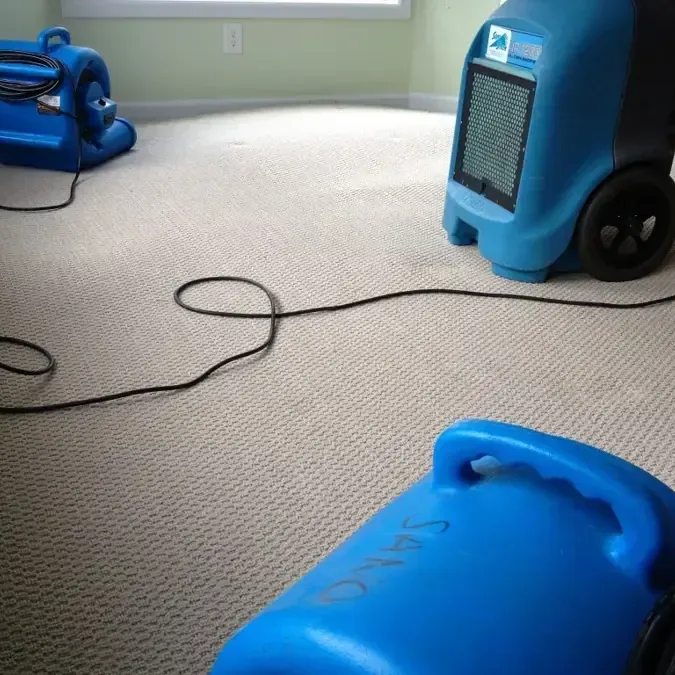
Describe the property and the affected rooms
Corona de Tucson is an unincorporated community in Pima County. South Houghton Road serves its commercial center, and the county path project addresses access to neighborhoods, schools and businesses.
A service request should include the property location and practical access information. Mention the water source, room conditions and any blocked entrance so the conversation starts with the actual cleanup needs.
Read about the drying approachVisible clues from extraction through material access
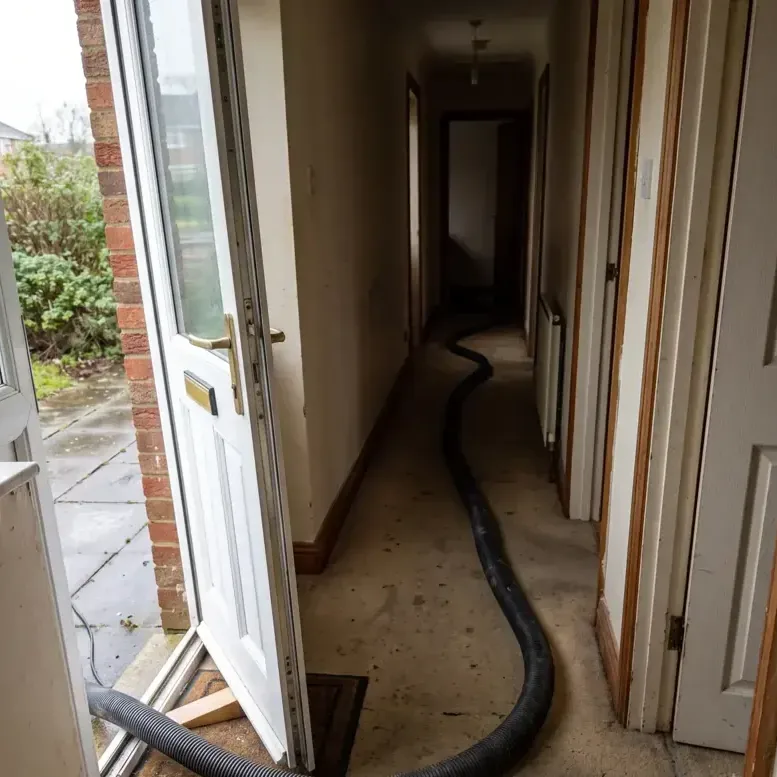
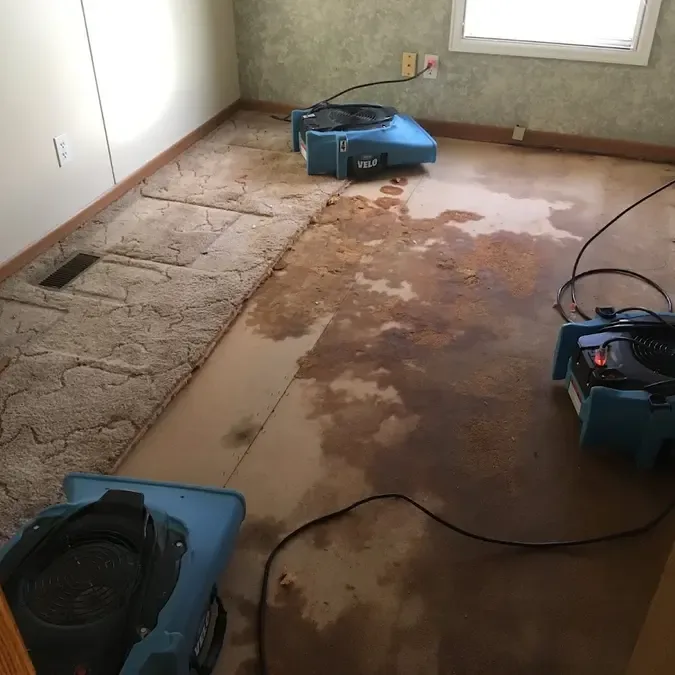
The water source changes the work
Supply water release
An indoor plumbing failure starts with source control, then a search for migration beneath surfaces. Water conditions can deteriorate during prolonged exposure.
Pipe cleanupEquipment discharge
Appliance water may contain detergent or residues. The condition of concealed cabinet components matters as much as the visible kitchen or laundry floor.
Appliance assessmentWastewater exposure
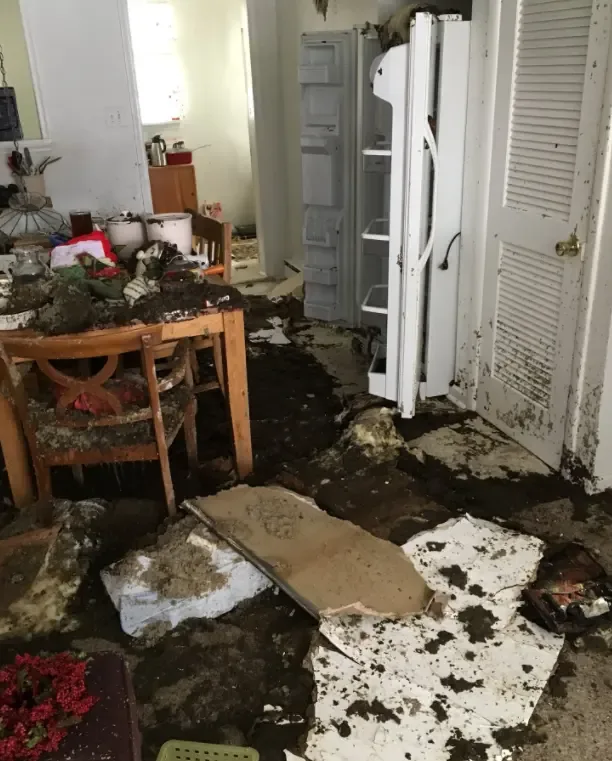
Sewage introduces a different handling problem. Occupancy boundaries, removal of affected porous items and cleaning come before drying equipment is positioned.
Wastewater responseCleanup requests in Corona de Tucson
Other service communities
Describe the property and the affected rooms
Describe the source, affected spaces and any electrical hazards when calling so the initial discussion addresses the immediate problem.
(888) 949-8496Describe access and damageSeparate regional drainage from indoor leaks
County floodplain work and past road flooding provide useful context for access. Inside a building, the cleanup scope follows the source and materials actually affected.
- Changing road access. Floodwater can make an approach unsafe before a property inspection begins. A closed or inundated road should change travel plans, even when the building itself remains accessible elsewhere.
- County floodplain mapping. The Pima County Regional Flood Control District manages floodplains throughout the county. Property questions should use the relevant map and actual site conditions when evaluating exterior water pathways.
- Watershed drainage information. The Lee Moore Wash Basin Management Study addresses drainage hazards, flood potential and erosion. Houghton Road divides revised study areas, with county studies supporting more detailed property assessment.
- Indoor water migration. A supply pipe leak can move through a doorway or concealed cavity. The source room alone may understate how much material needs inspection and drying.
- Wastewater handling. The Pima County Regional Wastewater Reclamation Department serves the community. Indoor wastewater exposure still requires a property assessment to locate the blockage or discharge and determine safe cleanup boundaries.
July 17, 2017. A reported flooding incident affected South Houghton Road near the Pima County Fairgrounds, with a road closure near East Dawn Road during the same event.
Questions before restoration starts
What information helps during the first cleanup call?
Describe where water appeared, whether it is still entering and which surfaces are wet. Mention nearby electrical equipment, wastewater or unstable ceiling materials. The property location and safe access arrangements are also useful. Photographs can help explain the layout once immediate hazards have been addressed.
Does a dry floor surface mean cleanup is finished?
Water retained beneath flooring, behind trim or inside a partition needs attention even after exposed surfaces dry. Moisture readings and accessible inspection points help locate retained water. Completion depends on the materials involved and their drying goals, along with correction of the source that caused the damage.
Can normal household fans handle the entire loss?
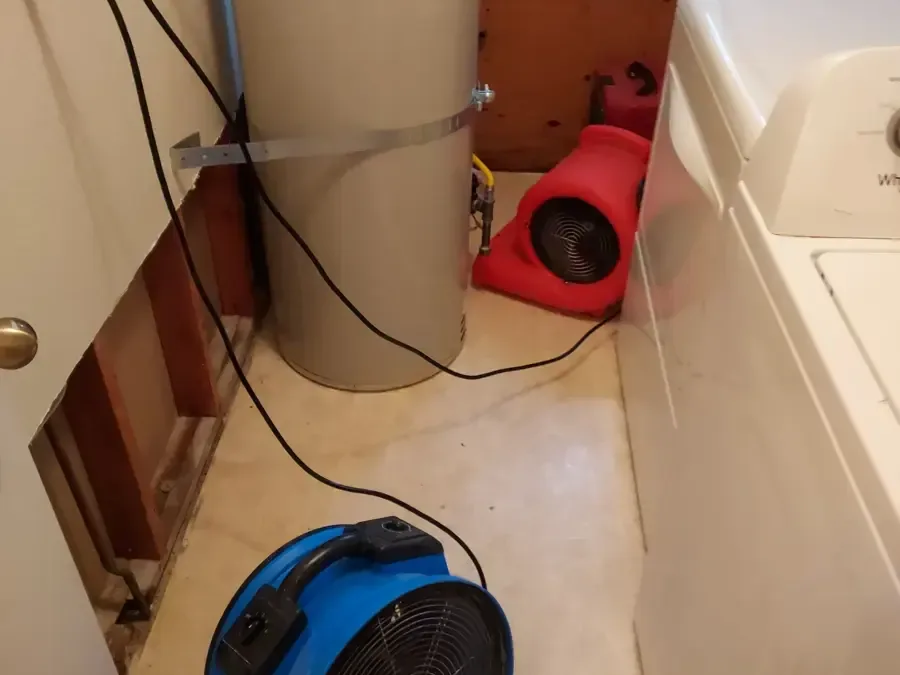
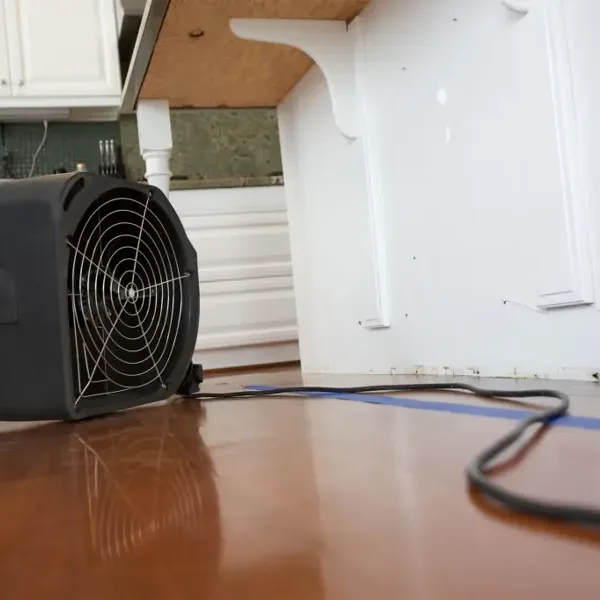
Fans move air but do not remove the building's full moisture load. Concealed water, wet padding and humidity may require extraction, access and dehumidification. Wastewater also changes what equipment can be used safely. Equipment choices should follow an assessment of water conditions and affected materials.
Who addresses a leaking appliance or broken pipe?
The failed component needs an appropriate repair professional. Restoration handles the resulting water and affected building materials, while plumbing or appliance repair stops recurrence. Coordinating these tasks prevents a repaired room from being wetted again. The written scope should distinguish each responsibility before reconstruction starts.
Are all wet belongings automatically thrown away?
Retention depends on the item's material, contamination, physical condition and access for cleaning or drying. Some solid items can be treated while saturated porous contents may need removal. Photograph affected belongings and keep an inventory. Ask how each decision will be documented before disposal takes place.
How are outdoor runoff and plumbing leaks treated differently?
Runoff may carry sediment and contamination into the building, changing handling and cleaning requirements. A supply leak begins with a different source but still needs prompt assessment of conditions and elapsed exposure. The cleanup plan should explain what water entered and how that affects material retention.
Will the insurance policy pay for every repair?
The insurer evaluates coverage under the policy and the circumstances of the event. Restoration records document observed damage, removal and drying for the insurer to review alongside the policy terms. Keep source repair reports and itemized estimates. Ask the insurer directly about deductibles, exclusions and any required claim documentation.
Does Corona de Tucson use municipal city rules?
Corona de Tucson is an unincorporated community, and Pima County has land use authority over density changes in unincorporated areas. A property needing rebuilding or drainage changes should be evaluated for its specific proposed work. Cleanup planning should identify any separate assessment needed for those repairs.
What should happen before walls are closed again?
The active leak should be corrected, affected retained materials should meet drying goals and any removal work should be complete. Final readings and photographs help record those conditions. Covering a cavity too early can hide residual moisture and complicate the next repair stage or a later recurrence.
Turn the wet area into a clear scope
Describe the source and affected materials to begin a practical conversation about cleanup, drying and the next repair steps.