Stains, drips and loaded drywall

Ceiling Leak Water Damage in Sahuarita, AZ

The restoration specialist checks the source above a wet ceiling, restricts unsafe access and measures affected framing and insulation. A stopped drip can leave the cavity wet.

(888) 949-8496Assess the ceiling before it opens
24/7 ceiling-loss dispatch Controlled access to wet cavities Framing and insulation assessment
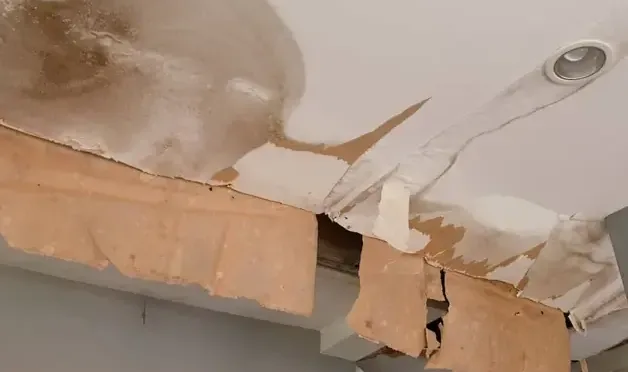
Torn and sagging ceiling drywall with visible water staining around the opening
Immediate priorities

Ceiling Leak Water Damage: first steps

  1. 1

    Keep the space below clear

    Residents move out from under the wet section and keep furniture retrieval secondary to safety. A ceiling that bows or sheds material needs professional assessment before anyone works beneath it.

  2. 2

    Avoid affected electrical fixtures

    The household does not touch dripping lights, switches or nearby cords. Electrical isolation needs a safe dry location and qualified assistance when the condition of the circuit is uncertain.

  3. 3

    Locate the likely source safely

    An owner can report plumbing use, recent rainfall or cooling-system operation without entering an unsafe attic. Those observations help specialists investigate; they do not replace source testing.

  4. 4

    Preserve access for the crew

    The manager identifies upper rooms, locked spaces and permission requirements. The restoration team needs access to both the visible stain and the assembly above it to define the drying scope.

Assessment and control

How ceiling leak water damage is handled

Rapid local response

The response team prioritizes active water movement and unsafe access. The first assessment separates source control from extraction, so a stopped leak does not leave hidden wet materials untreated.

IICRC S500 drying standard

The drying specialist sets a material-specific goal using unaffected reference readings. Airflow and dehumidification follow the evaporation load, with equipment adjusted when the daily measurements show a change.

Claim-ready documentation

The project file records the water source, affected rooms, material condition and work performed. Photographs and moisture logs let the owner and insurer examine the scope without relying on a dry-looking surface.

Local water experts

The site assessment checks the building actually affected, including access restrictions and shared assemblies. The restoration contractor distinguishes cleanup from plumbing, roof or equipment repair before recommending the next step.

Planning the cleanup

What does ceiling leak water damage cost in Sahuarita, AZ?

Ceiling leak mitigation generally ranges from $800 to $4,500 for a limited loss, with extensive cavity wetting costing more. Safe removal, insulation condition and framing access affect the price. Plumbing or roof repair, electrical work and replacement finishes may require separate estimates.

A limited ceiling patch

$800 to $1,800
  • Source-path assessment
  • Small controlled opening
  • Localized cavity drying

A wet room ceiling

$1,800 to $4,500
  • Insulation evaluation
  • Framing moisture readings
  • Protected removal and drying

Several affected assemblies

$4,500 to $10,000+
  • Connected ceiling and wall checks
  • Multiple drying zones
  • Repair-stage documentation

Category, wet square footage, material class and the delay before drying determine the scope. Repairing the source and replacing finishes may add separate charges. Compare the assumptions with the water damage cost calculator.

Work sequence

Ceiling Leak Water Damage process

The crew records the starting condition, adjusts the equipment and verifies the result.

  1. 1

    Identify what sits above the stain

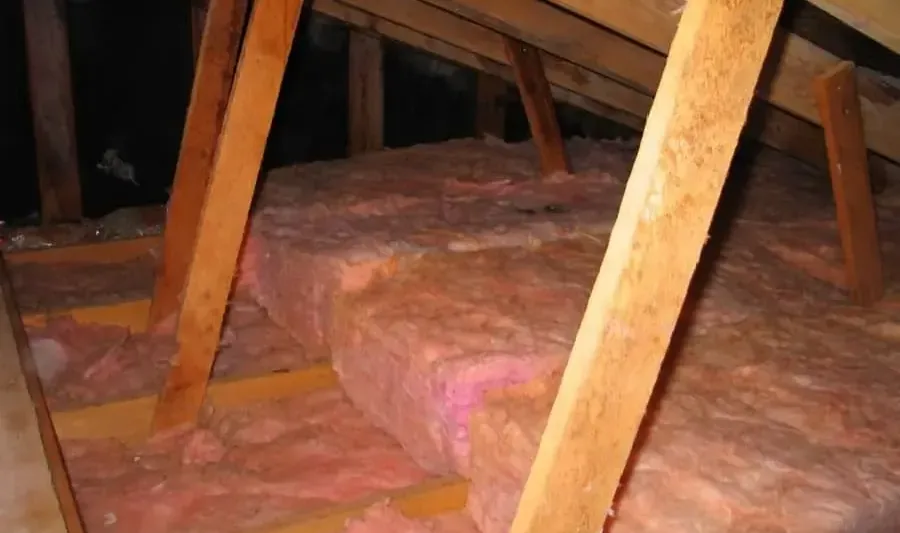
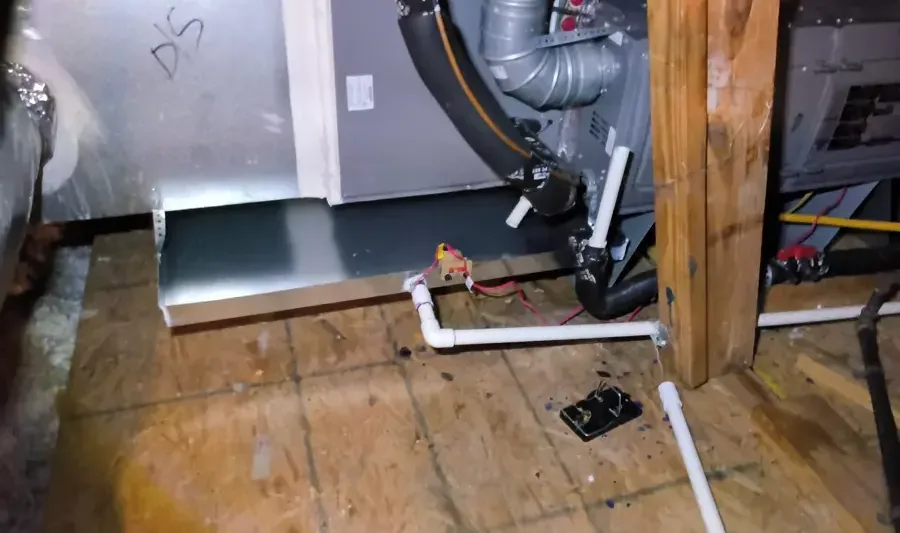
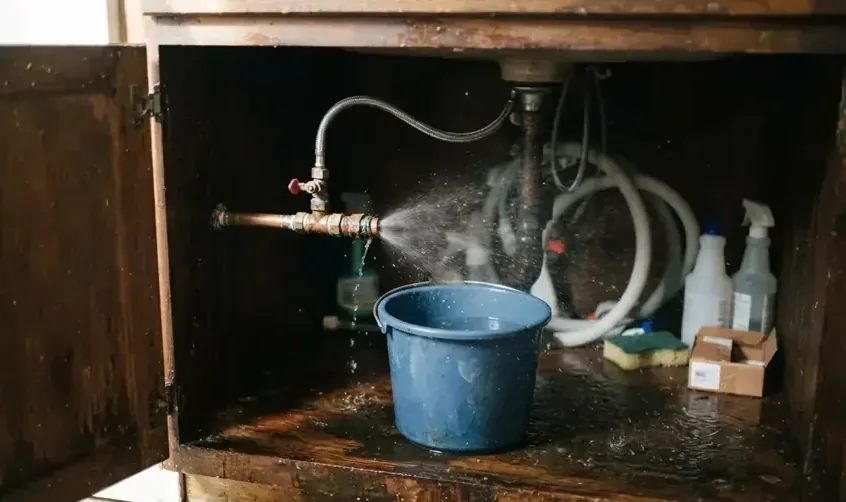
    The assessor records the affected ceiling and investigates the space above with safe access. A supply pipe, bathroom fixture, roof entry and AC drain can produce similar marks. The inspection in La Joya follows those possibilities without assigning a cause from the appearance of the paint alone.

  2. 2

    Remove unsafe or unsuitable material

    The contractor establishes a protected work area before releasing loaded drywall or removing wet insulation. Photographs document the condition and the reason for removal. The crew keeps debris and equipment routes separate from occupied rooms, then exposes enough of the assembly for meaningful testing and drying access.

  3. 3

    Track framing and cavity moisture

    The drying specialist measures remaining wood and adjoining surfaces, directs airflow through suitable openings and controls humidity. Readings at repeatable locations show whether hidden moisture is declining. The contractor checks the upper source again if material becomes wetter or a stain expands during the dry-out.

  4. 4

    Prepare the handoff for closing

    Before replacement drywall conceals the cavity, the team records the final condition and any testing limitations. The repair contractor confirms source repairs and applicable requirements. The owner receives separate information about completed drying, remaining electrical concerns and the work needed to restore the room finish.

Warning signSagging or stained ceiling
SafetyKeep the area beneath clear
InspectionCheck the assembly above
CompletionDry before the cavity closes

Ceiling leak water damage in Sahuarita needs a source investigation and a structural moisture assessment. Repainting a brown ring may hide the mark while leaving wet insulation or framing above the room.

A ceiling stain is an exit point

Water can travel along framing or a pipe before it drips through drywall. The visible mark may therefore sit away from the entry location. The inspector records the room below and the accessible space above, then coordinates with the specialist responsible for the suspected source.

In Madera Highlands, a ceiling below plumbing needs a different source check from one below an attic. The neighborhood name does not decide the building layout. The owner can help by describing when dripping starts, but the contractor tests the actual assembly before recommending removal or repair.

  • A bulging panel can fail without further warning and should not become a household drain point.
  • Wet insulation can obstruct airflow and keep framing damp after the room surface dries.
  • A dripping light fixture requires electrical attention before restoration equipment enters the area.
  • Water reaching the top of a wall can continue downward into a separate concealed space.

Safe openings serve the drying plan

The crew may remove damaged drywall to eliminate a hazard and reach wet materials. That opening has a specific purpose: access, contamination control or removal of material that cannot remain. The contractor documents the decision rather than treating all ceiling stains as an automatic whole-room demolition.

Los Arroyos properties receive the same careful distinction between the finish and the assembly above it. The drying specialist tests the remaining framing and checks adjoining wall sections. The structural drying service addresses moisture after safe access has been established.

Preventing the same stain from returning

A roof leak, plumbing defect or overflowing condensate pan needs its own repair. The restoration contractor records the source status but does not substitute dehumidification for that repair. If the ceiling becomes wet again, the team reassesses the source before extending equipment time.

The owner retains photographs, source findings and drying readings for the claim file. The insurer determines coverage under the applicable policy. Before the cavity closes, the repair contractor checks both moisture readiness and any electrical or permit requirements. The roof leak assessment explains the additional envelope checks when rainfall is the suspected cause.

Practical answers

Ceiling Leak Water Damage questions in Sahuarita, AZ

Should a resident poke a hole in a bulging ceiling?

A loaded ceiling can collapse or release water near electrical equipment. The household should leave the area beneath it and arrange safe professional access. The restoration contractor determines how to control the water and remove weakened material without placing occupants under the hazard.

Can the source be somewhere other than directly above?

Yes. Water can follow framing, pipes or material joints before it appears. The inspector checks the accessible assembly and coordinates source testing rather than assuming the stain pinpoints the defect. A rainfall pattern, plumbing use or AC operation can help narrow the investigation.

Must all wet insulation be replaced?

The decision depends on the material, saturation, contamination and whether it can dry adequately in place. The assessor documents the actual condition and explains any removal. Insulation that blocks access to wet framing can also affect the drying plan even if the visible ceiling patch is small.

Is paint enough after the drip stops?

Stopping the drip addresses only the active release. The remaining cavity can still hold water. Material testing establishes drying progress, and damaged drywall may need replacement before finishing. Painting without that assessment can hide a recurring stain or leave a concealed wet assembly.

Can an occupied room remain open during work?

A sagging ceiling, electrical concern or controlled removal area needs separation from occupants. The contractor explains safe boundaries and routes around equipment. Access can change as the work progresses, but the household should not enter beneath a wet panel before the hazard has been assessed.

What does the final ceiling record contain?

The report identifies the source findings, material removed, drying locations and final readings. It should distinguish completed mitigation from plumbing, roof, electrical or finish work still required. Those records support repair planning and insurer review while coverage and completion depend on the policy and material condition.

Service area

Ceiling leak water damage coverage

Sahuarita, AZ

The restoration team covers ZIP 85629, including Rancho Resort, Quail Creek, Madera Highlands and Los Arroyos. Access, water source and the affected rooms shape the initial assessment.

Neighborhoods and communities served

24/7 water damage dispatch

Give the ceiling cavity a measured finish

The restoration contractor controls unsafe access, exposes the materials that need attention and checks drying results before the repair closes the space.

(888) 949-8496Arrange a ceiling-loss assessment
(888) 949-849624/7 dispatch