Drexel Heights Water Damage Restoration
A spreading puddle can conceal soaked flooring and wall cavities. Water damage restoration in Drexel Heights begins with controlling the source and tracing its reach.
(888) 949-8496Discuss the wet rooms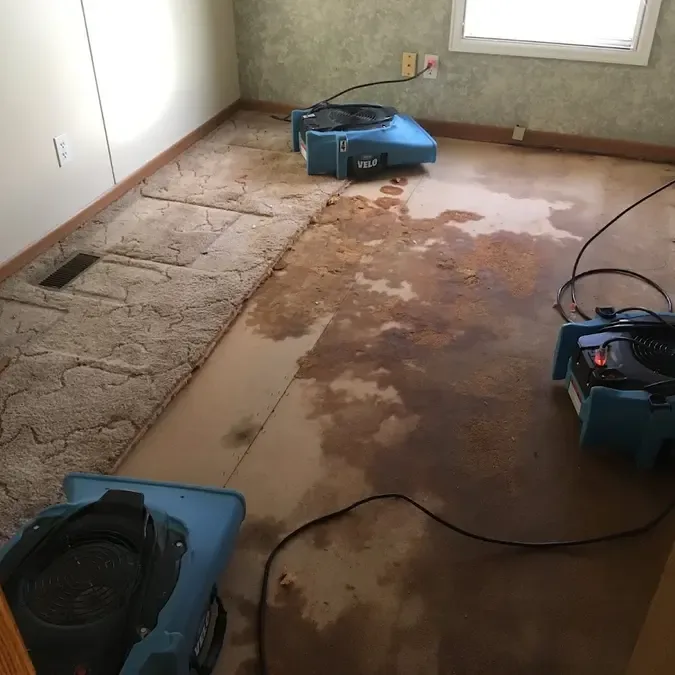
Different leaks need different cleanup decisions
A burst supply pipe, returning drain water and rain entering overhead leave different conditions. Select the service that best matches the visible problem.
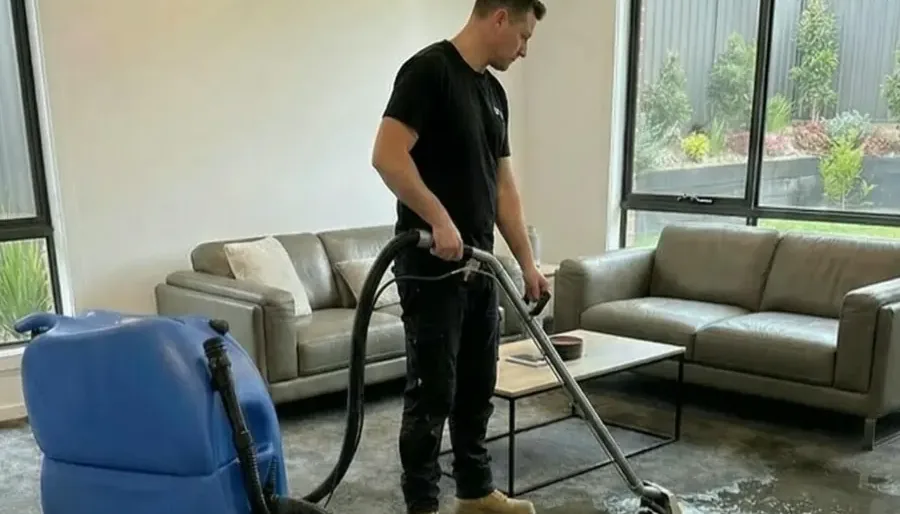 WD 01Water ExtractionStanding water is removed before technicians assess moisture held underneath flooring and behind room finishes.Explore this cleanup
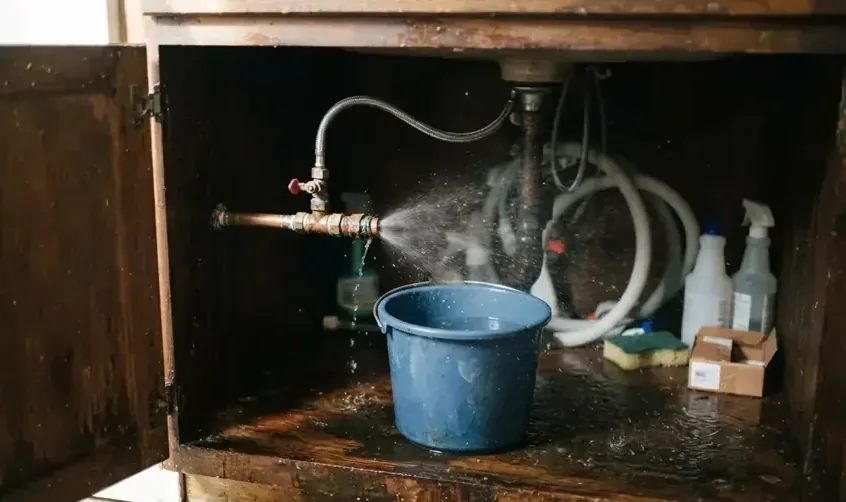 WD 02Burst Pipe Water DamagePressurized pipe releases require a room by room search for water beyond the obvious puddle.Explore this cleanup
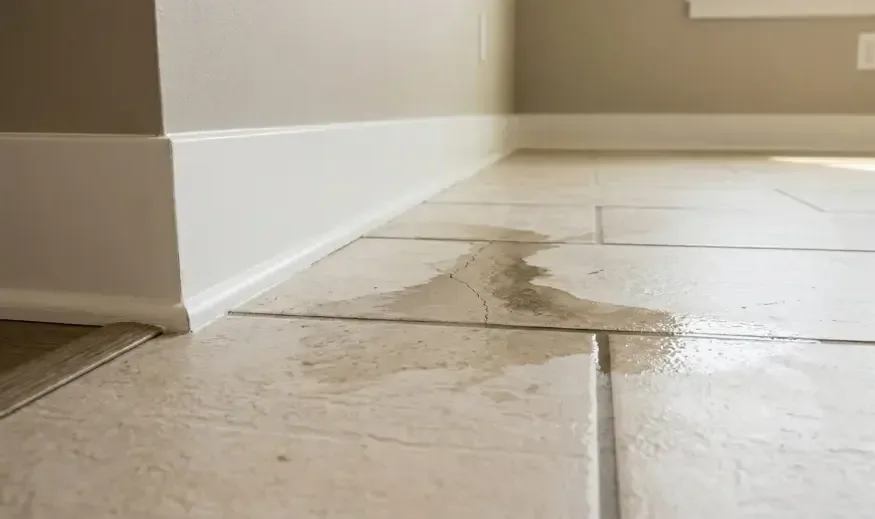 WD 03Slab Leak Water DamageFloor edges and adjoining materials need attention when plumbing beneath a slab releases water upward.Explore this cleanup
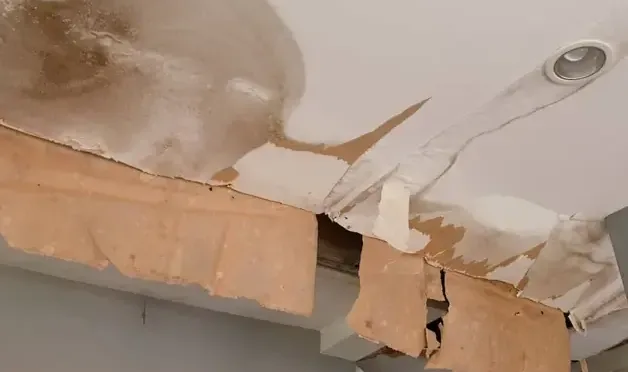 WD 04Ceiling Leak Water DamageA stained or sagging ceiling calls for careful overhead assessment before damaged material is disturbed.Explore this cleanup
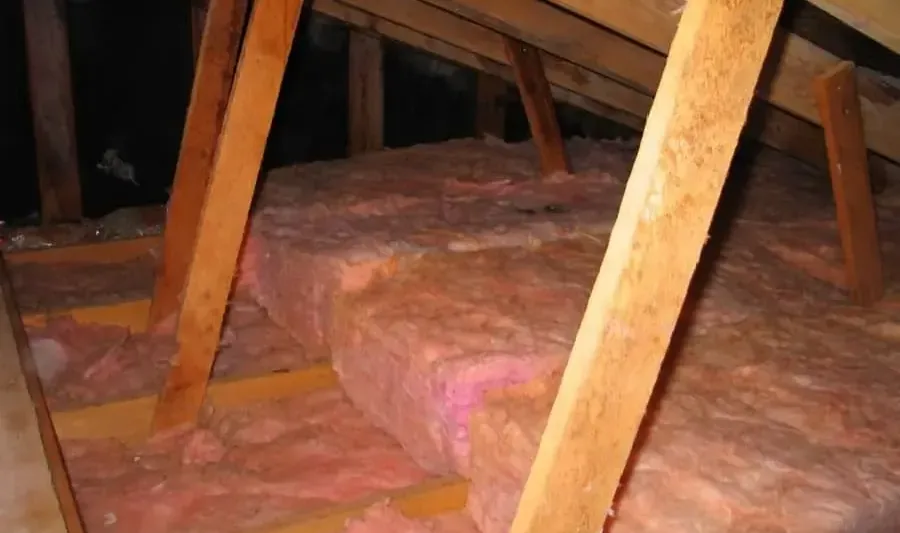 WD 05Roof Leak Water DamageInterior roof leak cleanup follows moisture from the upper assembly into insulation and finished rooms.Explore this cleanup
 WD 06Storm Water DamageRain entering through different openings can create separate cleanup areas with different material removal needs.Explore this cleanup
 WD 07Flood CleanupWater arriving from outdoors brings a cleaning challenge that extends beyond pumping the room empty.Explore this cleanup
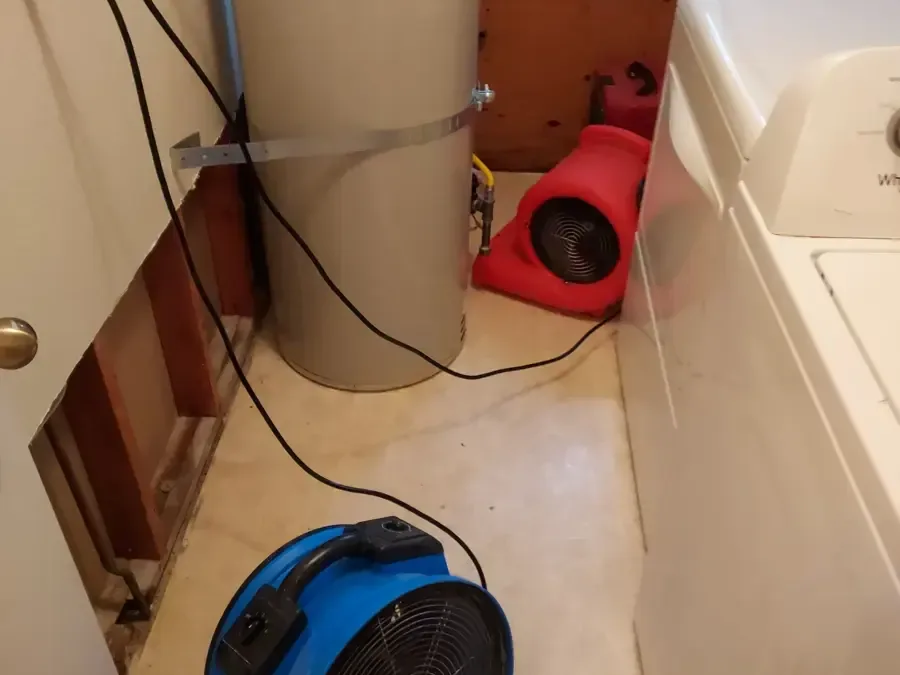
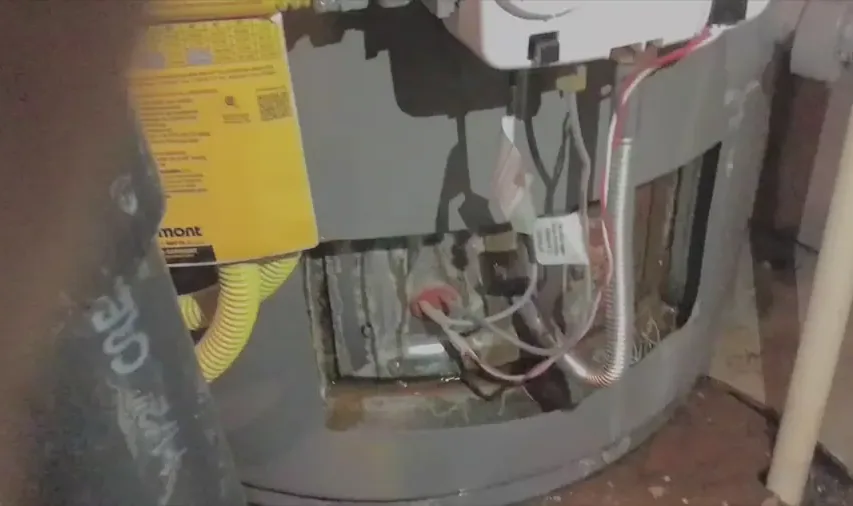 WD 08Water Heater Leak CleanupA leaking tank can soak its platform and nearby rooms before the floor looks flooded.Explore this cleanup
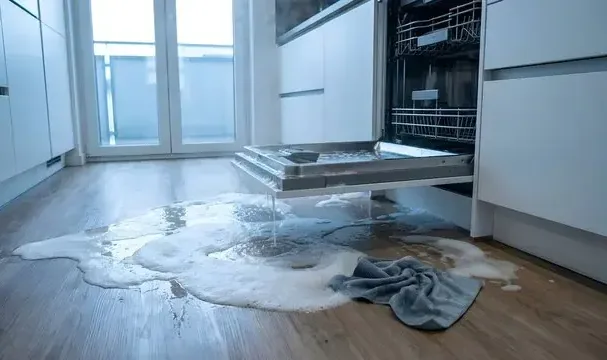 WD 09Appliance Leak Water DamageHidden cabinet recesses deserve close inspection after a dishwasher, washer or refrigerator releases water indoors.Explore this cleanup
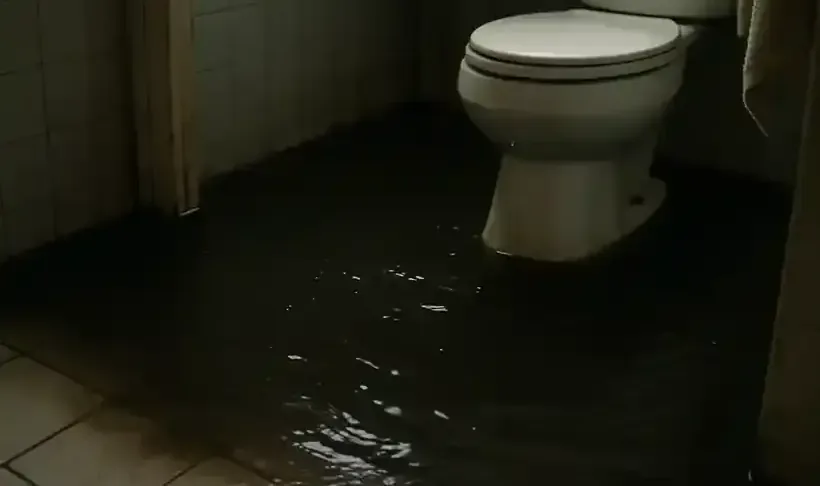 WD 10Toilet Overflow CleanupBathroom overflow cleanup depends on the water source, contamination and travel beneath nearby finish materials.Explore this cleanup
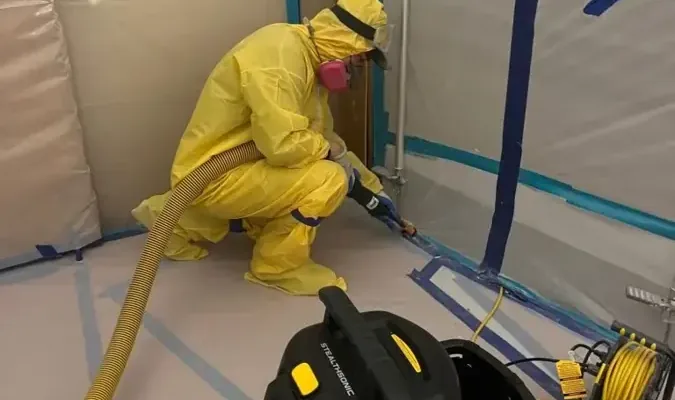 WD 11Sewage Backup CleanupWastewater requires controlled access, removal of affected porous material and cleaning before structural drying begins.Explore this cleanup
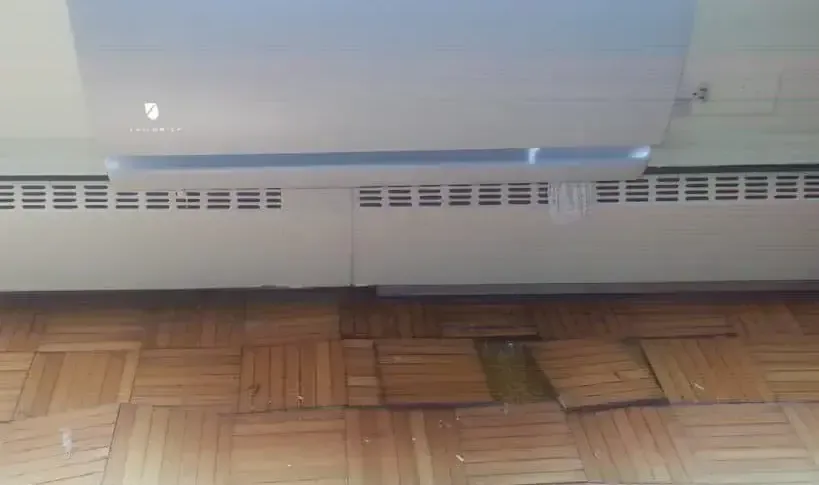 WD 12Hardwood Floor Water DamageWet boards need measurements through their layers before decisions about drying, replacement or refinishing proceed.Explore this cleanup
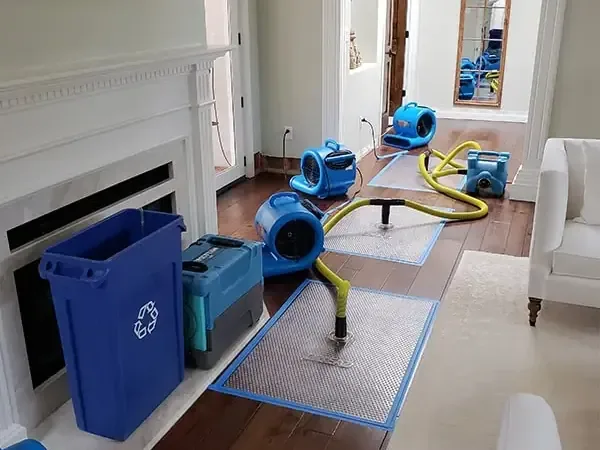 WD 13Structural DryingMoisture readings direct equipment adjustments until retained building materials reach their established drying targets.Explore this cleanup
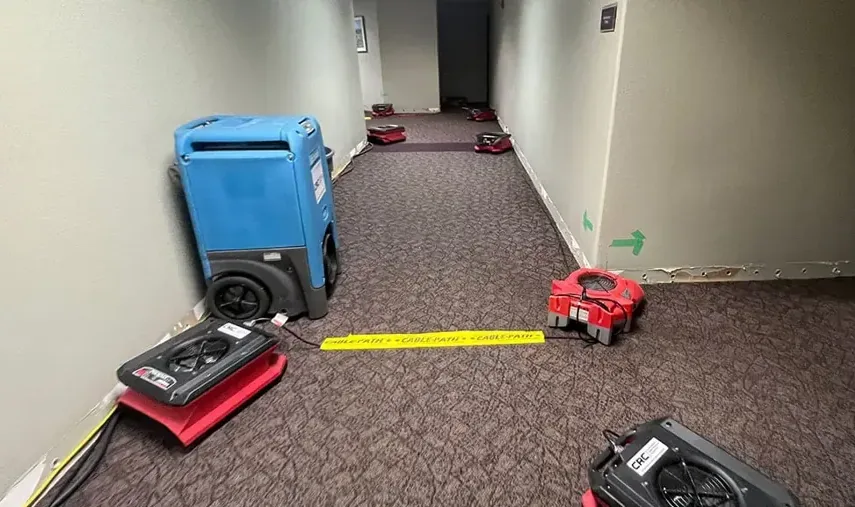 WD 14Commercial Water DamageOccupied buildings need cleanup boundaries that account for access routes, shared spaces and affected contents.Explore this cleanup
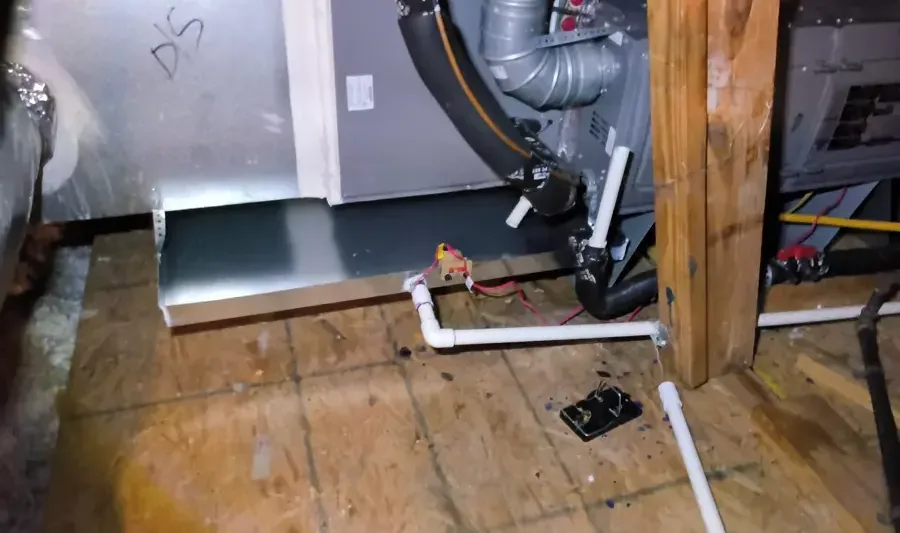 WD 15AC Leak Water DamageCondensate escaping an air handler may wet supports, ceiling cavities and walls below the equipment.Explore this cleanup
Make room for a safe assessment
Keep people clear
Restrict access where water touches electrical equipment, ceilings sag or wastewater is present. A dry viewing point is better than crossing the affected room for a closer photograph.
Control an accessible source
A known water shutoff may stop an indoor supply leak when it can be reached safely. Equipment faults and inaccessible valves need the appropriate repair professional before cleanup proceeds.
Record what is visible
Photograph the floor, nearby walls and the apparent source from a safe position. Keep a short written account of when the problem appeared and which rooms were affected.
Protect an unaffected route
Move dry belongings away from the wet boundary when access is safe. Leave saturated heavy furniture in place until lifting and movement can avoid injury or spreading dirty water.
Describe the building clearly
Mention stairs, locked entries, pets and occupied rooms when arranging an assessment. These details help plan access without sending anyone through a hazardous section of the property.
Describe the room, the suspected source and any immediate hazards when calling so the first assessment starts with useful details.
(888) 949-8496Discuss the wet roomsVisible water is only the starting point
Drying decisions should follow the construction and condition of the affected space. The wettest looking surface may sit beside materials holding much more moisture.
- Wide room photographs showing the initial wet boundary
- Close views of the suspected source when accessible
- A dated account of discovery and immediate actions
- Item descriptions for belongings affected by the water
- Work scopes, receipts and recorded changes during cleanup
How a water loss is handled
Trace the boundary
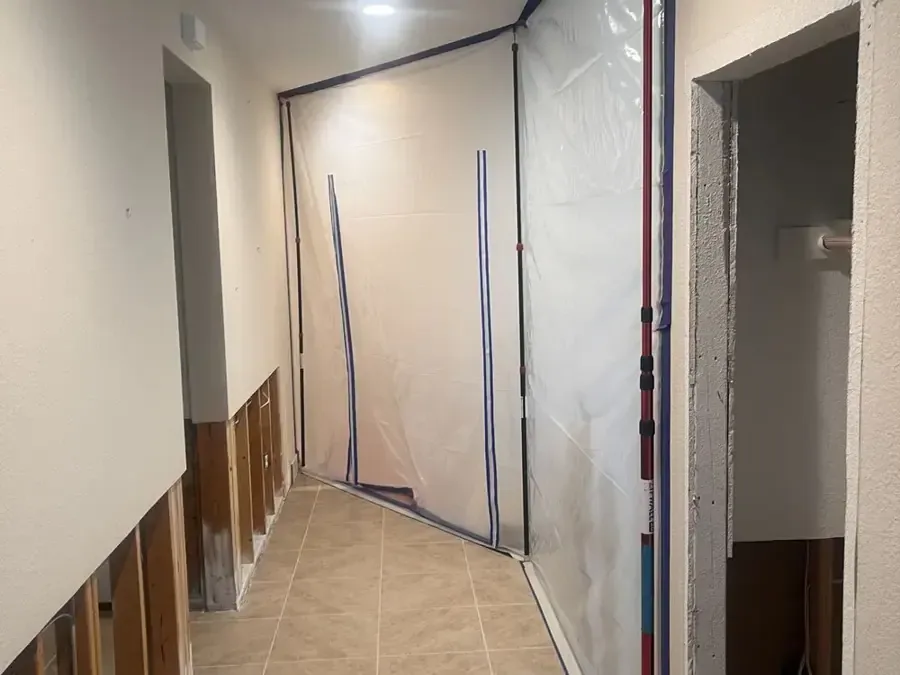
Water can follow seams into closets and beneath built in furniture. Inspection extends past the visible mark so retained wet layers receive attention before repairs hide them again.
Explain each removal
A swollen panel and an intact framing member need different decisions. The scope should state which materials can remain, which require removal and what condition led to that choice.
Measure the change
Equipment noise alone says little about progress. Repeated readings at identified locations show whether moisture is declining and whether a closed cavity needs another way to release trapped water.
Keep the record useful
Photographs, moisture notes and itemized work descriptions help owners follow the job. Clear records also make the transition to plumbing repairs and finish replacement easier to understand.
Restore a dry structure before replacing finishes
A material drying plan connects the source, affected materials and equipment arrangement. Each revisit should answer whether the building is progressing toward documented material targets.
| 01 | Map the affected spaces. The assessment marks wet surfaces and checks adjoining areas, including concealed edges where access permits. That map becomes the starting point for deciding where extraction, cleaning and drying equipment belong. |
|---|---|
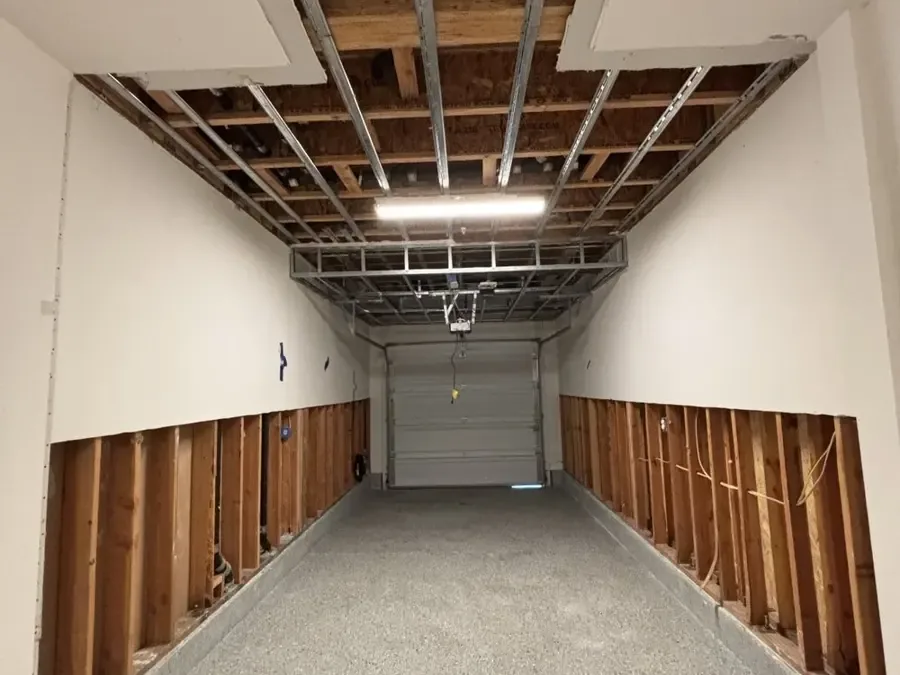
| 02 | Open only where needed. Some assemblies release moisture through accessible surfaces; others trap it behind finishes. Targeted access allows inspection and drying while the condition of each layer determines what remains and what is removed. |
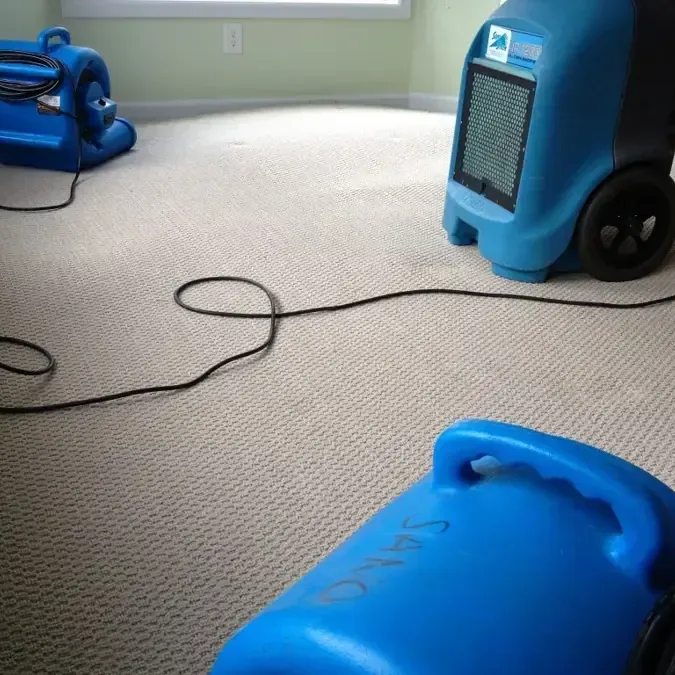
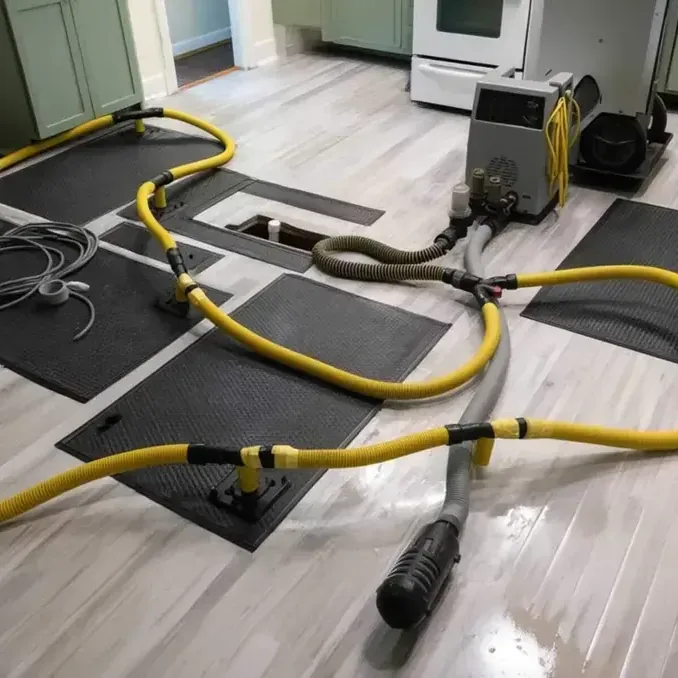
| 03 | Balance air and moisture removal. Air movement helps moisture leave materials, while dehumidification removes it from the room. Placement and containment should suit the affected assembly rather than relying on a uniform equipment arrangement throughout the property. |
| 04 | Check before closing cavities. Final readings are compared with the established targets and retained in the job record. Remaining repair needs are described before wall, floor or ceiling finishes cover the work area again. |
Records that follow the water damage
An owner can document the discovery while professionals assess the building. Coverage depends on the policy and cause; organized records help explain the loss and the work performed.
Planning a directly paid job
For a directly paid project, ask for the immediate cleanup work to be separated from later finish repairs. That makes the first spending decision easier to assess.
Discuss access limitations and approval for additional removal before work begins. A newly exposed wet cavity may change the scope, and that change should receive a clear explanation.
What affects water cleanup cost in Drexel Heights?
The amount of wet material matters more than the size of the visible puddle. Access, contamination, removal and the drying setup all affect cost in Drexel Heights. An inspection separates immediate mitigation from source repairs and finish replacement.
Contained indoor wetting
$1,000 to $2,500- Accessible affected floor surfaces
- Limited removal needs
- Focused moisture checks
Several connected spaces
$2,500 to $8,000- Water spreading across thresholds
- Multiple material types
- Expanded equipment placement
Broad or contaminated exposure
$8,000 to $20,000+- Concealed wet assemblies
- Controlled debris handling
- Extensive drying access
These planning ranges depend on the inspected condition. A written scope should identify exclusions, explain removal decisions and show how changes in the affected area alter the estimate.
From the first inspection to a measured finish
- 1
Map the affected spaces
The assessment marks wet surfaces and checks adjoining areas, including concealed edges where access permits. That map becomes the starting point for deciding where extraction, cleaning and drying equipment belong.
- 2
Open only where needed
Some assemblies release moisture through accessible surfaces; others trap it behind finishes. Targeted access allows inspection and drying while the condition of each layer determines what remains and what is removed.
- 3
Balance air and moisture removal
Air movement helps moisture leave materials, while dehumidification removes it from the room. Placement and containment should suit the affected assembly rather than relying on a uniform equipment arrangement throughout the property.
- 4
Check before closing cavities
Final readings are compared with the established targets and retained in the job record. Remaining repair needs are described before wall, floor or ceiling finishes cover the work area again.
Describe the property and access
Drexel Heights is an unincorporated community in Pima County. The overlapping ZIP areas help identify a service request, while the actual property location determines the assessment and access arrangements.
Landmarks such as Winston Reynolds Manzanita Park can help describe the surrounding area. Give entry instructions separately, including gates or occupied rooms that could affect safe equipment movement during cleanup.
Read about the drying approachWhat water cleanup can reveal inside a building
Supply water, appliance discharge or wastewater
Pressurized supply releases
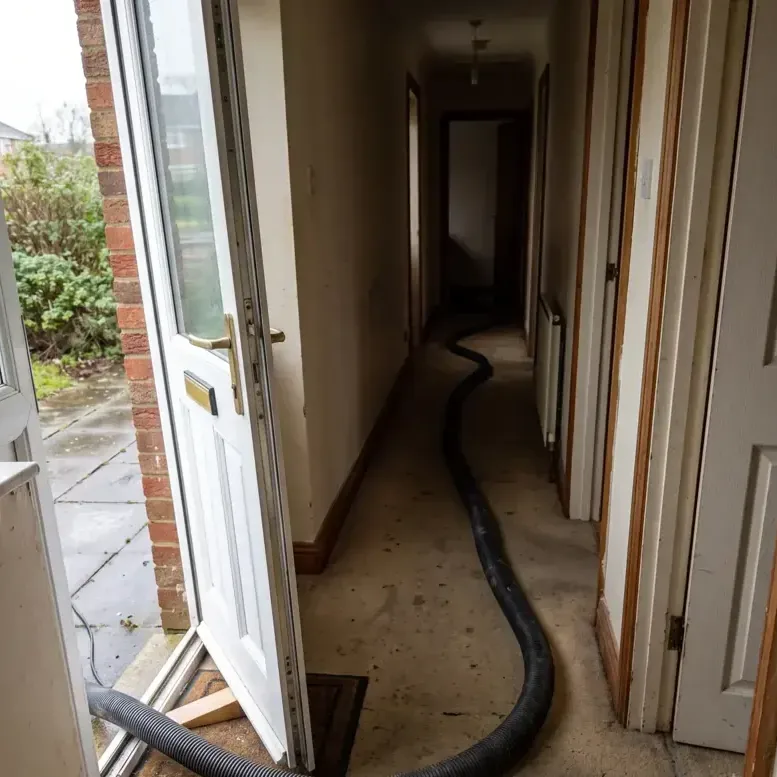
A broken pipe may continue feeding the loss until isolated. The assessment then follows water into the surrounding floor and wall assemblies.
Pipe release cleanupEquipment related spills
An appliance can leave water in a tight recess with little visible pooling. Cabinets, connections and the floor underneath deserve separate inspection.
Appliance water assessmentReturning drain water
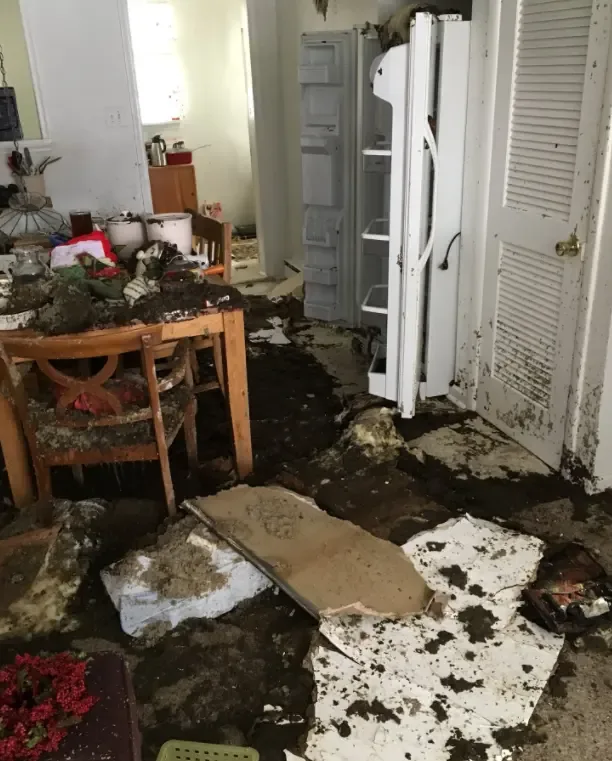
Sewage exposure changes handling and disposal decisions. Controlled access and cleaning protect unaffected rooms while contaminated porous materials are evaluated for removal.
Wastewater cleanup detailsDrexel Heights homes and occupied properties
Other community pages
Describe the property and access
Describe the room, the suspected source and any immediate hazards when calling so the first assessment starts with useful details.
(888) 949-8496Discuss property accessIndoor leaks and changing weather
Drexel Heights has homes and community spaces with different water cleanup needs. The affected building, its source and material condition determine the practical response.
- Household disruption. The community has an estimated 9,353 households. A leak can interrupt sleeping, cooking or laundry space, so cleanup planning should identify which daily activities depend on the affected rooms.
- Meeting space access. Drexel Heights Community Center offers meeting and event rooms. In occupied buildings, water cleanup requires attention to entrances, room use and the route for removing wet materials safely.
- Hidden indoor movement. An appliance spill may reach the back of cabinetry before reaching an open floor. Moisture checks along adjoining finishes help define the loss without relying solely on visible standing water.
- Overhead warning signs. A ceiling stain or drooping panel warrants a clear area below it. The source may involve plumbing or rain entry, and safe investigation establishes which repair is needed.
- Recreation and routine. Manzanita Pool and Coach Tadeo Fields are community landmarks. At any property, reporting occupied spaces and expected access helps organize a cleanup visit around the building's immediate safety needs.
Regional weather monitoring. The National Weather Service provides regional monsoon precipitation charts and thunderstorm information. During wet weather, active entry points deserve attention alongside water already inside the building.
Questions after discovering water
What information helps during the first call?
The useful starting details are the suspected source, affected rooms and any visible hazards. Mention active dripping, standing water, electrical equipment or a sagging ceiling. Access instructions and whether the building remains occupied help shape the assessment without requiring anyone to enter an unsafe area.
Can a room need drying after mopping?
Yes. Mopping removes accessible surface water, but floor seams and wall bases can retain moisture beyond that surface. A material assessment checks those areas and adjoining rooms. Equipment is then selected for the wet assembly, with readings used to follow progress rather than appearance alone.
Is every bathroom overflow a sewage backup?
No. A bathroom can become wet from a supply connection, an overflowing fixture or returning wastewater. The source and contact history determine the handling needed. Until those are understood, keep the wet area separate from normal household traffic and avoid moving contaminated items into clean rooms.
Should a damaged ceiling be opened immediately?
Opening a ceiling can release water and unstable material onto the area below. Keep people out from beneath sagging drywall and let qualified personnel evaluate access and electrical concerns. Controlled removal may be needed, but the source and surrounding assembly should be assessed together first.
What happens to furniture near the wet area?
Dry movable items may be relocated through a safe route. Saturated upholstery, heavy cabinets and furniture connected to electricity need assessment before handling. Photographs and an item list preserve useful details, while decisions about cleaning or replacement depend on the material and its contact with the water.
How is cleanup completion evaluated?
The work should have material drying targets established during assessment. Repeated readings show whether retained components are reaching those targets, and final documentation records their condition. A dry carpet surface alone cannot describe the moisture beneath it or inside an adjoining wall cavity.
Does a cleanup estimate include the source repair?
The estimate should state exactly what is included. Water removal, cleaning and drying may be separate from plumbing work, roof repairs or replacement finishes. Keeping those tasks identifiable lets an owner understand which professional handles the cause and which work addresses the resulting damage.
Can an owner pay without an insurance claim?
Yes. A directly paid cleanup can begin with a written assessment of the affected materials and necessary work. Discuss exclusions and how additional wet areas will be handled if discovered. Retain the scope, photographs and invoices so the project remains understandable as it moves toward repairs.
Are the listed ZIP areas exact service boundaries?
ZIP areas 85746 and 85757 overlap Drexel Heights. A ZIP alone cannot describe an individual building's access or damage. Provide the property location and the rooms involved when requesting help, along with any restrictions affecting entry, equipment placement or movement of wet contents.
Make the next decision with clear information
A description of the source and wet rooms helps organize the first assessment and the cleanup priorities.