Dryness measured inside the material

Structural Drying in Sahuarita, AZ

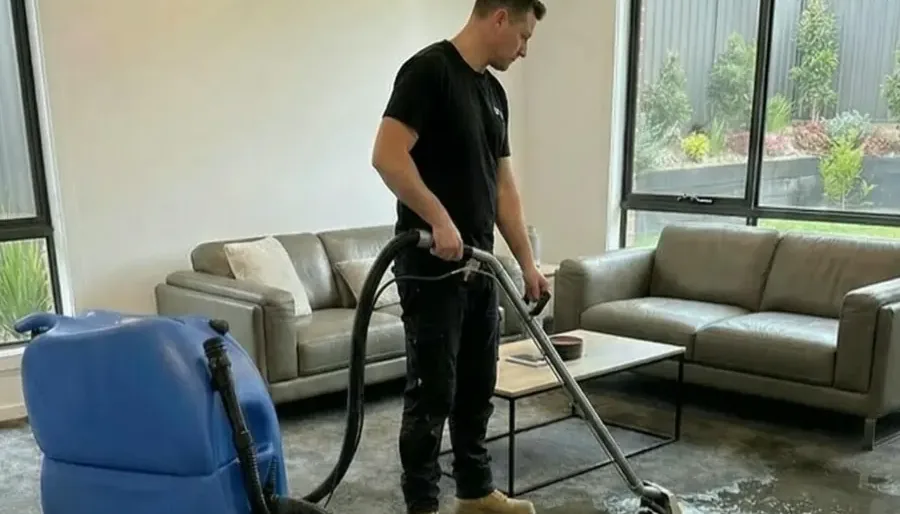
The drying specialist maps wet walls, floors and framing, sets a material-specific goal and adjusts equipment as readings change. The room stays under assessment until the measurements support repair readiness.

(888) 949-8496Check the moisture still inside
IICRC S500 drying framework Daily material and air readings 24/7 water-loss dispatch
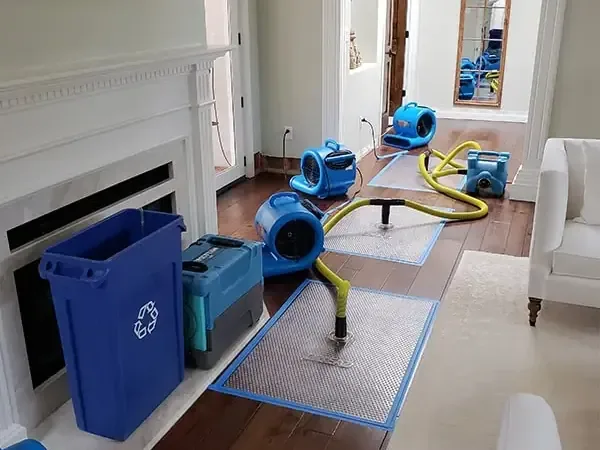
Air movers and floor drying mats arranged along a hallway and adjoining room
Immediate priorities

Structural Drying: first steps

  1. 1

    Confirm the earlier work is complete

    The contractor checks source repair, standing-water removal and contamination decisions. A drying setup should not conceal an active leak or circulate air through an area that still needs controlled cleanup.

  2. 2

    Identify the material layers

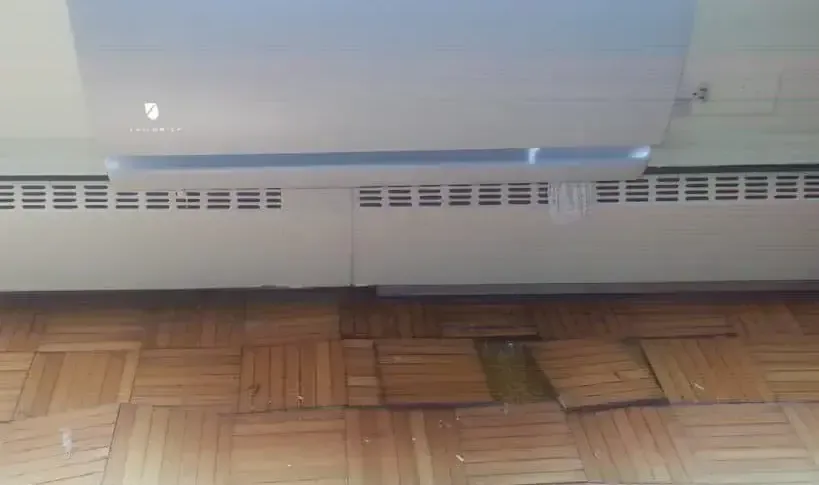
    The technician records what became wet and which areas remain covered. Drywall, wood, concrete and layered flooring require different testing methods and access before a reliable goal can be set.

  3. 3

    Protect equipment routes

    Occupants keep hoses, cables and air paths clear. The crew explains heat, noise and condensate handling so the household can report a problem without silently changing the drying setup.

  4. 4

    Keep repeat readings accessible

    The owner allows access to marked test locations and reports renewed staining or leakage. Consistent measurements help distinguish normal drying progress from a blocked cavity or a new water release.

Assessment and control

How structural drying is handled

Rapid local response

The response team prioritizes active water movement and unsafe access. The first assessment separates source control from extraction, so a stopped leak does not leave hidden wet materials untreated.

IICRC S500 drying standard

The drying specialist sets a material-specific goal using unaffected reference readings. Airflow and dehumidification follow the evaporation load, with equipment adjusted when the daily measurements show a change.

Claim-ready documentation

The project file records the water source, affected rooms, material condition and work performed. Photographs and moisture logs let the owner and insurer examine the scope without relying on a dry-looking surface.

Local water experts

The site assessment checks the building actually affected, including access restrictions and shared assemblies. The restoration contractor distinguishes cleanup from plumbing, roof or equipment repair before recommending the next step.

Planning the cleanup

What does structural drying cost in Sahuarita, AZ?

Structural drying often costs $1,000 to $6,000 for a contained residential loss, with dense or inaccessible assemblies requiring more work. Equipment quantity, evaporation load, monitoring visits and drying access affect the total. Source repairs and replacement finishes remain separate unless specifically included.

One drying chamber

$1,000 to $2,500
  • Defined material testing points
  • Airflow and humidity control
  • Documented daily progress

Several connected rooms

$2,500 to $6,000
  • Multiple material assemblies
  • Equipment layout adjustments
  • Broader moisture verification

Dense or concealed wetting

$6,000 to $12,000+
  • Specialty drying access
  • Longer measurement sequence
  • Detailed repair-readiness checks

Category, wet square footage, material class and the delay before drying determine the scope. Repairing the source and replacing finishes may add separate charges. Compare the assumptions with the water damage cost calculator.

Work sequence

Structural Drying process

The crew records the starting condition, adjusts the equipment and verifies the result.

  1. 1

    Record starting conditions

    The technician measures material moisture and the surrounding air, identifies suitable dry references and maps inaccessible areas. In Quail Creek, the inspection evaluates the assembly actually present rather than presuming one local construction type. Those baseline readings establish what the equipment must accomplish and how later progress can be judged.

  2. 2

    Balance evaporation and dehumidification

    Air movers direct energy across exposed wet surfaces while LGR dehumidifiers collect moisture from the air. The specialist sizes the setup for the evaporation load, room conditions and access. Adding fans without controlling humidity can move water into the air without producing the intended improvement in the material.

  3. 3

    Respond to the measurement trend

    The drying team records repeat readings and changes placement or access when a material stalls. A wet pocket behind a cabinet may need a different approach from an exposed wall plate. The contractor also checks whether an ongoing source or changing outdoor conditions are adding moisture to the chamber.

  4. 4

    Verify the goal and explain limits

    The final assessment compares retained materials with the established goal and documents any remaining inaccessible assembly. The owner receives the readings, equipment record and reconstruction considerations. A flooring installer may require additional product-specific testing, so mitigation completion and installation approval remain clearly identified decisions.

StandardIICRC S500
EvaporationDirected air movement
Humidity controlLGR dehumidification
End pointMaterial-specific readings

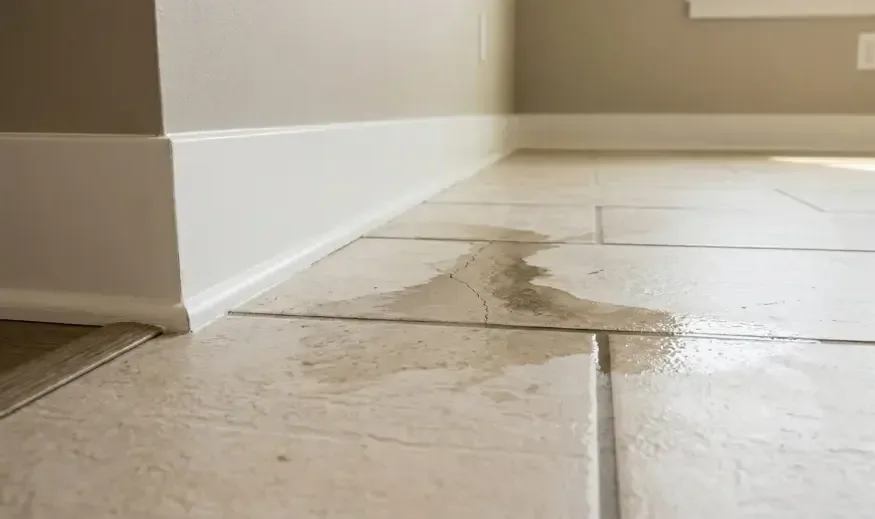
Structural drying in Sahuarita addresses water stored in the building after the puddle is gone. The process uses instruments, access and controlled air conditions to distinguish a dry-looking room from materials that have actually reached the drying goal.

A reference reading gives the goal meaning

The technician chooses an unaffected reference appropriate to the material and meter. The same numeric reading can mean different things on different scales or assemblies. A drying report should identify what was tested and how the comparison supports the final decision.

Rancho Resort and Madera Highlands contain individual buildings with their own finishes, access and repair histories. The specialist inspects those conditions directly. Readings at affected floor layers and accessible wall cavities show where drying should continue and where selective opening may be needed.

  • Surface moisture and moisture within the assembly are different measurement questions.
  • Consistent test locations help the crew see progress rather than compare unrelated readings.
  • Room humidity can rise when equipment is interrupted or an active source adds water.
  • Dense layers may need longer drying or different access than exposed lightweight material.

Equipment follows the evaporation load

Air movement encourages moisture to leave suitable wet surfaces. Dehumidification removes that moisture from the environment. The specialist considers temperature and access alongside those functions, then adjusts the plan as the materials change. A successful dry-out brings retained materials to their documented moisture targets.

The Santa Cruz River's seasonal weather context does not mean outdoor desert heat can finish an indoor loss. Covered cavities can remain wet while an open room feels dry. The drying-time estimator illustrates planning assumptions, but daily material measurements determine the actual sequence.

Closing the work without hiding uncertainty

The contractor records final readings and identifies places that could not be tested. If replacement flooring requires a specific concrete test or moisture limit, the installer evaluates that requirement separately. That avoids treating one mitigation measurement as universal approval for every finish.

Owners can use the equipment log, moisture map and photographs to understand the scope and support an insurance review. The report also distinguishes drying from reconstruction. A slab leak loss, for example, can need a plumbing repair, a structural dry-out and an installation decision at different points in the recovery.

Practical answers

Structural Drying questions in Sahuarita, AZ

How does the specialist choose the drying goal?

The goal depends on the material, suitable unaffected references and the instrument used. The technician records that basis before tracking progress. A single universal number cannot describe every wall, wood member or concrete assembly, so the final report should explain the comparison.

Why are both air movers and dehumidifiers used?

Air movers support evaporation from wet surfaces, while dehumidifiers remove water vapor from the room air. The drying specialist balances those functions for the actual load. Fans alone can raise humidity without achieving the intended moisture reduction inside the building material.

Can equipment be turned off while occupants sleep?

Unplanned interruptions can change humidity and slow the dry-out. The contractor explains operation and discusses any noise, heat or safety concern. An equipment fault or electrical issue needs prompt attention; the owner should report the condition rather than quietly changing the documented setup.

What does a stalled reading mean?

A slow or unchanged result can reflect limited access, dense material, equipment placement or renewed water input. The technician investigates before extending the same setup. The next step may involve another source check, a controlled opening or a different drying method.

Does dry framing mean flooring can be installed?

Not necessarily. Flooring products can have specific substrate tests and moisture limits. The mitigation record provides useful evidence, but the installer evaluates its own requirements. Keeping those decisions separate prevents a completed framing dry-out from being mistaken for universal installation approval.

How long does the equipment stay?

The equipment remains according to material response and the established goal, with no fixed calendar deadline. A contained loss may take several days, while concealed or dense assemblies require longer. Daily readings explain continued operation and the adjustments made along the way.

Service area

Structural drying coverage

Sahuarita, AZ

The restoration team covers ZIP 85629, including Rancho Resort, Quail Creek, Madera Highlands and Los Arroyos. Access, water source and the affected rooms shape the initial assessment.

Neighborhoods and communities served

24/7 water damage dispatch

Finish the dry-out with a record of the result

The drying team tracks material response, adjusts equipment and documents the goal before the owner proceeds with replacement finishes or concealed repairs.

(888) 949-8496Arrange measured structural drying
(888) 949-849624/7 dispatch