Rain through a damaged opening

Storm Water Damage in Sahuarita, AZ

The restoration team traces storm-related entry at roofs, doors and other openings, then removes water and dries affected interiors. The cleanup plan distinguishes direct rain entry from contaminated ground runoff.

(888) 949-8496Assess the storm entry indoors
24/7 storm-loss dispatch Entry-path moisture mapping Weather-aware drying sequence
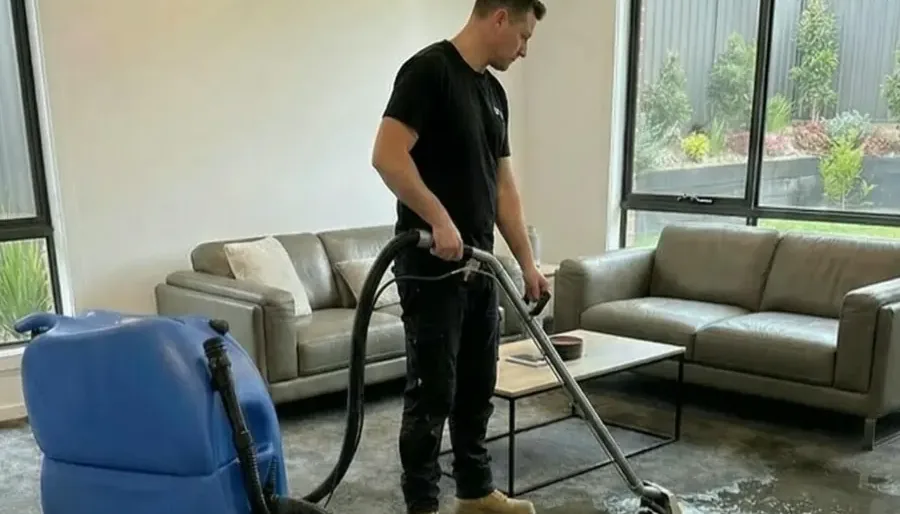
Standing water reflecting furniture across the floor of a living room
Immediate priorities

Storm Water Damage: first steps

  1. 1

    Wait for safe access

    The household stays clear of damaged roof edges, loose material and wet electrical areas. Emergency officials or the appropriate specialist address immediate building hazards before interior restoration begins.

  2. 2

    Report the entry route

    The owner notes whether rain came through an opening or water rose from outside. That distinction guides the contamination assessment: runoff across the ground requires different cleaning and removal decisions from rain entering through an opening.

  3. 3

    Protect evidence without exposure

    Photographs from sheltered dry areas can record wet finishes and damage at openings. Residents do not climb, enter moving water or disturb unstable material to improve the record.

  4. 4

    Limit another wetting event

    A qualified repair specialist evaluates temporary protection and permanent source work. The drying crew coordinates its setup around that work and checks for renewed moisture if rainfall continues.

Assessment and control

How storm water damage is handled

Rapid local response

The response team prioritizes active water movement and unsafe access. The first assessment separates source control from extraction, so a stopped leak does not leave hidden wet materials untreated.

IICRC S500 drying standard

The drying specialist sets a material-specific goal using unaffected reference readings. Airflow and dehumidification follow the evaporation load, with equipment adjusted when the daily measurements show a change.

Claim-ready documentation

The project file records the water source, affected rooms, material condition and work performed. Photographs and moisture logs let the owner and insurer examine the scope without relying on a dry-looking surface.

Local water experts

The site assessment checks the building actually affected, including access restrictions and shared assemblies. The restoration contractor distinguishes cleanup from plumbing, roof or equipment repair before recommending the next step.

Planning the cleanup

What does storm water damage cost in Sahuarita, AZ?

Storm-entry cleanup often ranges from $1,200 to $8,000 for water removal and interior drying. The price depends on the number of openings, material exposure, water category and safe access. Envelope repair and reconstruction can add substantial separate work.

One contained entry point

$1,200 to $2,800
  • Wet-finish inspection
  • Localized extraction and drying
  • Source-status documentation

Several rain-affected rooms

$2,800 to $8,000
  • Connected moisture mapping
  • Insulation or finish access
  • Daily environmental checks

Complex storm exposure

$8,000 to $18,000+
  • Multiple water entry routes
  • Contamination controls if needed
  • Coordinated material removal

Category, wet square footage, material class and the delay before drying determine the scope. Repairing the source and replacing finishes may add separate charges. Compare the assumptions with the water damage cost calculator.

Work sequence

Storm Water Damage process

The crew records the starting condition, adjusts the equipment and verifies the result.

  1. 1

    Separate the water routes

    The assessor records roof, wall and doorway entry independently of any ground runoff. In Los Arroyos, the building inspection establishes which route applies rather than treating regional monsoon conditions as a diagnosis. The resulting moisture map links each visible effect to a source investigation and suitable safety controls.

  2. 2

    Stabilize the interior work area

    The crew establishes safe boundaries around wet ceilings, damaged finishes and equipment routes. Source specialists address protection at the envelope while the restoration team removes accessible water. The written sequence accounts for continuing weather and explains which tasks depend on a safe exterior repair.

  3. 3

    Dry by material and exposure

    The technician evaluates porous finishes and concealed spaces for retention or removal. Cleanable retained materials receive the necessary cleaning before directed airflow and dehumidification. Daily readings show whether the drying environment is effective or whether another release or blocked cavity is adding moisture to the plan.

  4. 4

    Check the weather-related repair handoff

    The contractor records final moisture findings alongside the known status of the entry repair. An owner should not confuse a dry room with a weather-tight building. Reconstruction proceeds with the appropriate source and material checks, and the documentation identifies any separate work that remains unresolved.

FocusStorm-created interior entry
Key distinctionRain versus ground runoff
PlanningSafe weather protection
Drying recordEntry route and material response

Storm water damage in Sahuarita can involve roof entry, doorway runoff or several wet areas with different cleanup needs. Rain through an opening, water beneath a door and dirty runoff across the floor need different source checks, contamination decisions and repair coordination.

Monsoon context without a property assumption

The Santa Cruz River flows through the town during monsoon or extended wet periods, and Pima County describes regional wash and sheet-flow hazards. Those facts explain why the water route matters. They do not identify the flood zone, roof condition or drainage behavior of an individual home.

At a La Joya property, the contractor checks the actual opening and the surfaces the water touched. The owner can describe the storm timing and where wetting appeared. The assessor then separates direct entry from runoff, plumbing failure or an unrelated appliance discharge.

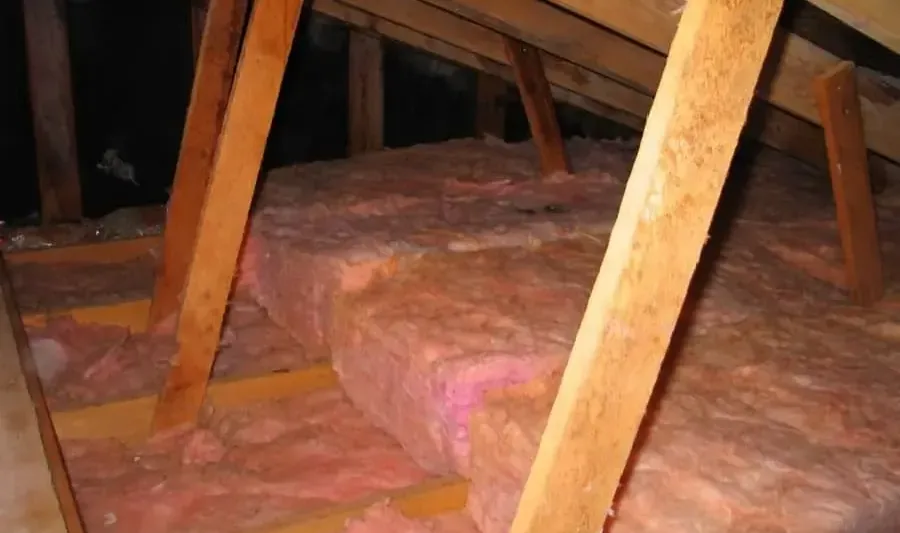
  • Water through a roof opening can wet insulation before the ceiling shows a mark.
  • Doorway entry can spread under flooring and along the bottom of adjoining walls.
  • Ground runoff requires a different contamination response from a fresh indoor supply release.
  • Temporary protection must remain part of the repair discussion when more rain is possible.

Interior mitigation while source work proceeds

The restoration team removes accessible water once access is safe, then tests the connected assemblies. A source specialist evaluates the roof, opening or other defect. Keeping these tasks separate makes the scope easier to review and prevents equipment operation from being mistaken for a completed envelope repair.

The roof leak service addresses attic and roof-path moisture. If water instead arrives across the ground, the flood cleanup assessment explains contaminated-material decisions. A single property can require both approaches when a storm creates more than one entry route.

Drying records after changing conditions

The inspector marks repeatable test locations and records the starting material condition. If another rain event adds water, the team identifies that change in the log and revisits source control. A longer equipment period should have an observable reason rather than an automatic extension.

In Rancho Resort, access arrangements and occupancy can also affect the sequence. The owner or manager identifies areas that must remain separated from work. Photographs, readings and a source-specific scope support insurer review, while the policy determines which storm-related components receive coverage.

Practical answers

Storm Water Damage questions in Sahuarita, AZ

Is storm cleanup the same as flood cleanup?

Storm cleanup can involve direct rain entering through a damaged opening. Flood cleanup often involves water that traveled across the ground and carried contamination. The assessor establishes the actual route and exposure, then chooses the appropriate removal, cleaning and drying sequence.

Can the crew begin while rain continues?

Some interior work may proceed when the building and access are safe, but active entry can limit the drying plan. A qualified specialist evaluates source protection. The restoration contractor explains which tasks can start and which depend on safer conditions or repair at the opening.

Does regional flood mapping identify the source of this leak?

No. A map provides broader hazard information, not an inspection of a damaged roof or doorway. The contractor evaluates the building and reported water path. Parcel-specific flood questions also need the appropriate local authority rather than an assumption from a nearby river or wash.

Why take readings again after another storm?

New entry can change a moisture map that was previously improving. Repeat readings help distinguish slow drying from a fresh release. The contractor records the change and coordinates source review before adjusting equipment or closing the affected assembly for repairs.

Should wet belongings remain in the room?

The team assesses contamination and safe handling before deciding what can move or remain. Wet contents can obstruct access and add moisture to the environment. The owner should not carry contaminated items through unaffected rooms without a plan for containment and cleaning.

Which records help explain storm-related work?

The file should distinguish entry routes, source protection, material removal, extraction and drying. Photographs and daily measurements document the conditions and decisions. The insurer applies the policy terms to the cause and scope; the contractor does not decide coverage based simply on a storm report.

Service area

Storm water damage coverage

Sahuarita, AZ

The restoration team covers ZIP 85629, including Rancho Resort, Quail Creek, Madera Highlands and Los Arroyos. Access, water source and the affected rooms shape the initial assessment.

Neighborhoods and communities served

24/7 water damage dispatch

Give storm-wet rooms a clear repair sequence

The restoration team documents the wet materials and drying progress while the appropriate specialist resolves the opening that admitted the rain.

(888) 949-8496Arrange storm-entry moisture checks
(888) 949-849624/7 dispatch