Moisture beneath the finish

Slab Leak Water Damage in Sahuarita, AZ

The restoration team traces water beneath flooring and along wall bases after a suspected slab leak. Source isolation and measured drying protect the repair from hidden moisture.

(888) 949-8496Discuss water beneath the floor
24/7 leak damage dispatch Floor and wall moisture mapping Drying verified by readings
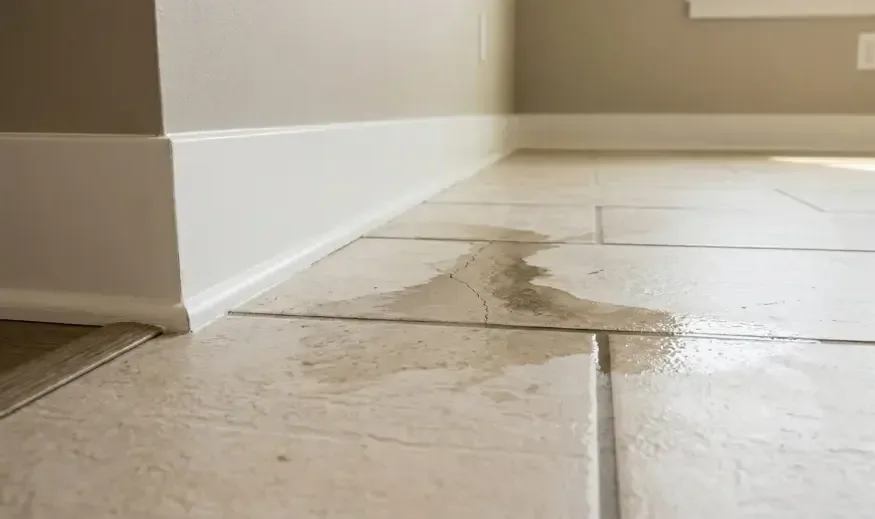
Water pooled across floor tiles beside a white baseboard and doorway
Immediate priorities

Slab Leak Water Damage: first steps

  1. 1

    Control the continuing release

    The owner uses an accessible shutoff only when the route and valve are safe. A plumber investigates suspected concealed supply leakage before the restoration crew begins an equipment layout.

  2. 2

    Protect the floor evidence

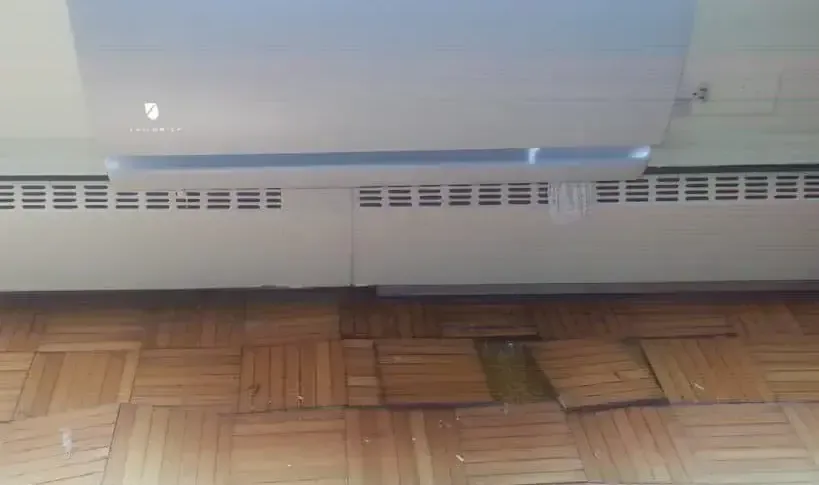
    The household photographs lifted edges, damp joints and baseboard stains. The assessor marks test locations before moving furnishings, so the moisture pattern remains available for comparison.

  3. 3

    Separate source work from drying

    The repair specialist identifies access needs, while the restoration contractor records wet materials outside that opening. Water can travel beyond the spot selected for a pipe repair.

  4. 4

    Keep the repair area accessible

    Residents keep belongings away from test points and equipment. The drying specialist needs repeat access to the same locations to judge progress beneath and beside the floor finish.

Assessment and control

How slab leak water damage is handled

Rapid local response

The response team prioritizes active water movement and unsafe access. The first assessment separates source control from extraction, so a stopped leak does not leave hidden wet materials untreated.

IICRC S500 drying standard

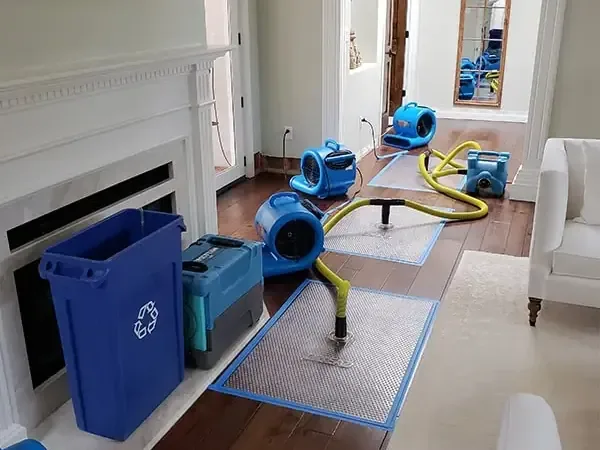
The drying specialist sets a material-specific goal using unaffected reference readings. Airflow and dehumidification follow the evaporation load, with equipment adjusted when the daily measurements show a change.

Claim-ready documentation

The project file records the water source, affected rooms, material condition and work performed. Photographs and moisture logs let the owner and insurer examine the scope without relying on a dry-looking surface.

Local water experts

The site assessment checks the building actually affected, including access restrictions and shared assemblies. The restoration contractor distinguishes cleanup from plumbing, roof or equipment repair before recommending the next step.

Planning the cleanup

What does slab leak water damage cost in Sahuarita, AZ?

Slab leak water damage mitigation commonly requires $1,500 to $7,500 for extraction, access to wet materials and drying. Plumbing diagnosis, buried-pipe repair and replacement flooring are separate scope items. Saturated assemblies and restricted access can move the total above that planning range.

A limited wet floor

$1,500 to $3,000
  • Localized moisture mapping
  • Accessible floor-edge drying
  • Repeat material checks

Water across adjoining rooms

$3,000 to $7,500
  • Multiple flooring transitions
  • Wall-base access where needed
  • Longer equipment monitoring

Extensive concealed saturation

$7,500 to $15,000+
  • Selective finish removal
  • Complex drying zones
  • Detailed repair coordination

Category, wet square footage, material class and the delay before drying determine the scope. Repairing the source and replacing finishes may add separate charges. Compare the assumptions with the water damage cost calculator.

Work sequence

Slab Leak Water Damage process

The crew records the starting condition, adjusts the equipment and verifies the result.

  1. 1

    Establish the moisture boundary

    The inspector compares wet and unaffected portions of the floor, records wall-base readings and notes the location of plumbing access. In Rancho Resort, the inspection identifies the floor assembly and follows the wet pattern so plumbing access and material drying can be planned together.

  2. 2

    Extract accessible water

    The crew removes water from exposed finishes and reachable cavities after the source is controlled. A floor covering that traps moisture may need selective removal, but the contractor documents that decision before work. The goal is access to wet material, not unnecessary expansion of the plumbing opening.

  3. 3

    Dry the connected assembly

    Dehumidification manages room humidity while directed airflow addresses exposed edges and wall bases. The specialist tests concrete and adjacent materials using suitable methods, then adjusts the plan when readings stall. Dense assemblies can retain moisture even while the upper surface appears comfortable and dry.

  4. 4

    Check readiness for replacement

    The final report records material readings and any remaining limitations. The flooring installer evaluates its product-specific moisture requirements before replacement; a mitigation drying goal is not automatically the same as an adhesive installation limit. The owner receives a clear distinction between completed drying and unfinished repair.

SourceSuspected buried plumbing
AssessmentFloor and wall-base readings
DryingExposed material and humidity control
FinishMeasured repair readiness

Slab leak water damage in Sahuarita can appear as a damp edge far from the actual release. Water follows gaps and material interfaces, so the first puddle is a starting point for inspection rather than a reliable map of the pipe failure.

Finding the wet assembly without guessing the pipe

A persistent patch beneath a rug, moisture at a baseboard or a change in flooring can justify an assessment. The plumber determines whether the supply system is leaking and selects the repair method. The restoration technician identifies water held in concrete, flooring layers and adjacent walls. These are connected tasks with different evidence.

For a property in Madera Highlands, the assessment starts with the floor actually present and the reported symptoms. The inspector identifies the foundation assembly and the plumber checks the installed pipe material. The contractor should explain the observations that support opening a finish, rather than attributing the problem to a neighborhood reputation.

  • Moisture near a cabinet can extend beneath its base where room airflow does not reach.
  • An intact finish may conceal wet underlayment even after the visible puddle has disappeared.
  • A stopped supply leak can leave enough stored water to keep adjoining wall plates damp.
  • A new stain after drying begins calls for another source check, not simply more air movers.

Drying the floor before covering it again

The drying plan depends on the finish, the contamination assessment and the available access. Some assemblies allow edge drying or specialty equipment; others require removal to expose the wet layer. The technician explains what the measurements can show and where a covered area remains untested.

In Los Arroyos, the same property-specific approach separates water damage from unrelated flooring movement. A warped board or cracked joint needs a source investigation before the owner authorizes buried-pipe repair. The owner can compare the plumber's source findings with the restoration moisture map before approving a larger repair. The structural drying process describes how changing readings guide equipment adjustments.

What the repair record should explain

The file identifies the reported discovery, source investigation, wet-material boundary and removal decisions. Photographs before opening the floor help distinguish preexisting wear from the area involved in the water loss. Daily readings document progress and provide useful context if the installer asks about remaining moisture.

The homeowner checks insurance terms directly with the insurer. Gradual seepage, sudden discharge and access costs may receive different treatment under the policy. A proposed mitigation price does not decide coverage, and a plumber's successful repair does not clear the floor for immediate replacement. The floor damage assessment addresses the separate question of retaining a wet wood finish.

Practical answers

Slab Leak Water Damage questions in Sahuarita, AZ

Does a warm patch prove a slab leak?

A warm patch warrants further investigation to identify the cause. The plumbing specialist checks the supply system and other possible sources. The restoration technician then measures the affected floor assembly rather than selecting a demolition location from temperature alone.

Can the team dry tile without removing it?

The answer depends on the assembly and where moisture remains. The assessor may reach some edges or adjoining materials while other wet layers stay inaccessible. Readings, contamination and the finish condition determine whether selective removal is necessary to produce a reliable result.

Does the mitigation price include plumbing repair?

The written scope should separate leak detection, pipe repair, drying and reconstruction. Different specialists may perform those tasks. The owner can compare separate charges for drying, buried plumbing repair and new floor covering, with the responsible contractor identified for each part of the work.

Why test a wall beside the wet floor?

Water can move into the bottom of a wall through contact with wet flooring or concrete. A dry paint surface does not rule that out. The technician checks suitable wall-base locations and compares them with an unaffected reference before closing the drying plan.

When can replacement flooring go down?

The installer checks the moisture limits and testing method required by the chosen product. The drying contractor provides its recorded results and identifies any inaccessible layers. Installation should follow those requirements rather than a fixed number of days after the pipe repair.

Is help available when the leak appears at night?

Dispatch is available 24/7 for urgent water damage. The response team asks whether the supply is controlled, which rooms are affected and whether access is safe. Timing depends on current conditions, and the household avoids wet electrical equipment while arranging the assessment.

Service area

Slab leak water damage coverage

Sahuarita, AZ

The restoration team covers ZIP 85629, including Rancho Resort, Quail Creek, Madera Highlands and Los Arroyos. Access, water source and the affected rooms shape the initial assessment.

Neighborhoods and communities served

24/7 water damage dispatch

A repaired pipe still leaves a drying question

The restoration specialist checks the floor assembly and adjacent walls, records progress and identifies the work needed before replacement finishes return.

(888) 949-8496Arrange a floor-moisture assessment
(888) 949-849624/7 dispatch