Look beneath the changed surface

Hardwood Floor Water Damage in Sahuarita, AZ

The floor assessment checks water exposure, board response and moisture in the assembly below. The drying specialist documents what can remain and what needs further access before repair decisions proceed.

(888) 949-8496Assess the wet wood assembly
24/7 floor-loss dispatch Board and substrate readings Retention decisions by condition
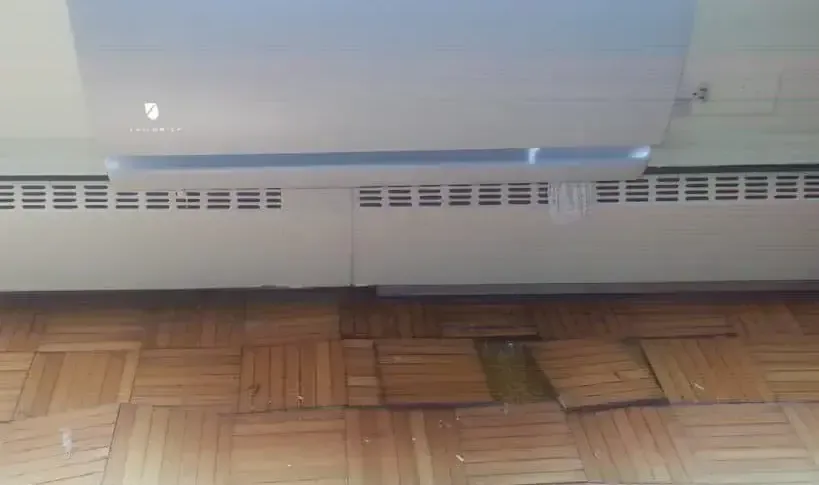
Buckled parquet wood flooring below a wall mounted heating unit
Immediate priorities

Hardwood Floor Water Damage: first steps

  1. 1

    Stop the source before treating the boards

    The appropriate repair specialist addresses the leak, while the owner avoids walking across unstable flooring. Continued water input prevents a meaningful retention decision even when the surface has been wiped.

  2. 2

    Record the changed floor areas

    Photographs show cupping, lifted seams and the visible water path before furnishings move. The technician uses measurements to establish extent rather than assuming that every marked board belongs to the same loss.

  3. 3

    Avoid early refinishing

    The household does not sand, coat or aggressively heat a wet floor. A flooring specialist needs the material to reach suitable conditions before judging the final shape and repair method.

  4. 4

    Allow access at edges and transitions

    The crew checks the floor beside cabinets, walls and doorways where moisture can remain concealed. The contractor explains any selective lifting needed to assess a covered layer.

Assessment and control

How hardwood floor water damage is handled

Rapid local response

The response team prioritizes active water movement and unsafe access. The first assessment separates source control from extraction, so a stopped leak does not leave hidden wet materials untreated.

IICRC S500 drying standard

The drying specialist sets a material-specific goal using unaffected reference readings. Airflow and dehumidification follow the evaporation load, with equipment adjusted when the daily measurements show a change.

Claim-ready documentation

The project file records the water source, affected rooms, material condition and work performed. Photographs and moisture logs let the owner and insurer examine the scope without relying on a dry-looking surface.

Local water experts

The site assessment checks the building actually affected, including access restrictions and shared assemblies. The restoration contractor distinguishes cleanup from plumbing, roof or equipment repair before recommending the next step.

Planning the cleanup

What does hardwood floor water damage cost in Sahuarita, AZ?

Hardwood floor water damage mitigation often ranges from $1,200 to $7,000, depending on wet area, flooring layers and drying access. Refinishing, replacement boards and adhesive or substrate repairs are separate considerations. Contaminated or permanently damaged material may require removal rather than retention.

Localized clean-water exposure

$1,200 to $2,800
  • Board and edge moisture map
  • Suitable extraction and drying
  • Repeat reference comparisons

Several connected floor areas

$2,800 to $7,000
  • Substrate access assessment
  • Specialty drying where suitable
  • Daily material monitoring

Extensive layered saturation

$7,000 to $14,000+
  • Selective flooring removal
  • Complex concealed-moisture testing
  • Installer handoff documentation

Category, wet square footage, material class and the delay before drying determine the scope. Repairing the source and replacing finishes may add separate charges. Compare the assumptions with the water damage cost calculator.

Work sequence

Hardwood Floor Water Damage process

The crew records the starting condition, adjusts the equipment and verifies the result.

  1. 1

    Identify the floor assembly

    The assessor distinguishes the finish, installation and material below before interpreting readings. For a wood floor in Madera Highlands, the specialist identifies solid or engineered boards, checks the supporting substrate and records the installation method before planning treatment. The contractor also records the water source and contamination history.

  2. 2

    Remove accessible water carefully

    The crew extracts standing water and evaluates whether specialty floor equipment suits the installation. Retention depends on contamination, material integrity and access to the wet layers. The contractor documents any selective removal, preserving photographs and measurements that explain why an apparently intact surface could not remain covered.

  3. 3

    Track moisture through the layers

    The drying specialist compares affected boards and suitable reference locations, then checks the underlying material where access permits. Airflow and dehumidification follow the observed response. A dry top surface and wet substrate can coexist, so the team records limitations rather than treating one shallow reading as a complete assessment.

  4. 4

    Coordinate the flooring decision

    The final mitigation record describes moisture conditions and remaining deformation or damage. The flooring installer evaluates product requirements, repair options and any additional substrate testing. The owner can then distinguish a completed dry-out from the separate decision to refinish, replace or reinstall the affected floor.

SymptomsCupping, lifting or damp seams
Test areaBoards and underlying layers
RetentionCondition and contamination
RepairInstaller-specific requirements

Hardwood floor water damage in Sahuarita requires a measured decision about the entire assembly. A board that looks better after extraction may still cover moisture, while a visibly changed finish may need a later flooring assessment after suitable drying.

Moisture changes shape before the cause is clear

The inspector records the release history, board condition and test locations. Cupping or a dark seam can support further investigation, but it does not by itself prove a buried supply leak or establish permanent damage. The source specialist and drying contractor provide different parts of the explanation.

Floor assessments in Rancho Resort and Quail Creek begin with the installed product, its fastening method and the layers reached by water. The technician identifies the actual installation and suitable meter method. A comparison with unaffected material gives the reading context and helps avoid an unsupported all-or-nothing recommendation.

  • Moisture can remain beneath a floor that no longer feels damp to the touch.
  • Adhesive, underlayment and substrate condition can affect whether a finish stays in place.
  • Contamination can rule out retention even when the board shape appears acceptable.
  • Sanding wet boards too early can complicate the final repair after moisture conditions change.

Drying access controls the available options

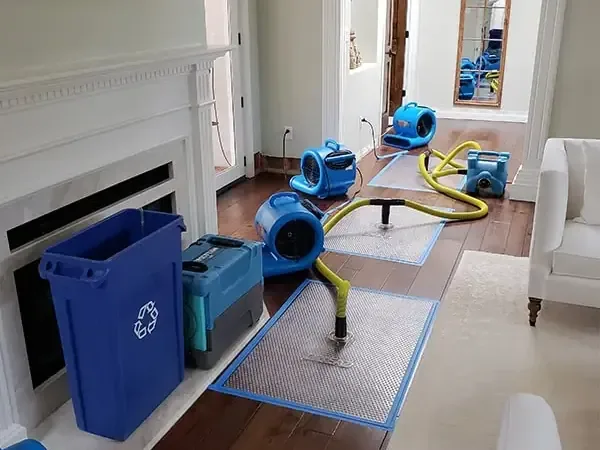
The crew considers edge access, selective lifting and specialty extraction or drying equipment where appropriate. No single method suits every installation. The contractor explains how the chosen setup reaches the wet material and what measurements will demonstrate progress.

A slab leak assessment may be relevant when the source lies beneath a floor. An appliance leak may instead require access below fixed cabinetry or a machine. In either case, the moisture map follows connected layers rather than the most visible damaged board.

Separating drying from restoration of the finish

The drying specialist records the final material condition and any area that remains covered or uncertain. The flooring professional then evaluates appearance, stability and installation requirements. The flooring specialist uses the drying report alongside installation requirements to determine suitable refinishing or replacement options.

Los Arroyos homeowners can use those separate findings to review the repair scope and insurance documentation. Photographs taken before work, source findings and daily readings show the progression. Coverage remains a policy decision, while the written estimate should distinguish mitigation from sanding, coating, board replacement or complete installation.

Practical answers

Hardwood Floor Water Damage questions in Sahuarita, AZ

Does cupping mean the floor must be replaced?

Cupping signals a moisture-related condition that needs assessment, but it does not settle every repair decision. The contractor identifies the assembly and exposure, then tracks suitable drying. A flooring specialist evaluates remaining shape, integrity and finish options after the material reaches appropriate conditions.

Can a wet wood floor be sanded immediately?

Early sanding can complicate the final result as moisture conditions change. The drying specialist first establishes the material condition and progress toward the goal. The flooring professional then determines whether sanding is appropriate and what additional preparation or replacement the installation needs.

Do floor-drying mats work on every installation?

No. The method must suit the flooring, installation and contamination conditions. The contractor should explain how equipment reaches the wet layer and what testing verifies progress. A covered substrate may need other access or testing even when the exposed board surface improves.

Why test unaffected flooring too?

A suitable reference helps interpret the affected material reading and set the drying goal. Meter scale, species or product and assembly can influence interpretation. The record should identify the comparison rather than present an unexplained universal number as proof that every floor is dry.

Does mitigation include refinishing?

The written scope determines that. Extraction, moisture testing and drying often sit apart from sanding, coating or replacement. The owner should receive clear entries for those stages so an estimate for reducing moisture is not mistaken for a promise to restore the original appearance.

What if contaminated water reached the boards?

The exposure can change retention decisions regardless of appearance. The assessor evaluates the finish and porous layers, documents the contamination and explains removal where necessary. Drying alone does not remove contaminants held in an unsuitable material or inaccessible backing.

Service area

Hardwood floor water damage coverage

Sahuarita, AZ

The restoration team covers ZIP 85629, including Rancho Resort, Quail Creek, Madera Highlands and Los Arroyos. Access, water source and the affected rooms shape the initial assessment.

Neighborhoods and communities served

24/7 water damage dispatch

Make the floor decision with measurements

The drying specialist documents material response, and the flooring professional evaluates the finish and installation requirements before the next repair stage.

(888) 949-8496Arrange a wood-floor moisture assessment
(888) 949-849624/7 dispatch