Water Damage Restoration in Vail
A spreading puddle demands a clear starting point. Restoration begins with the water source, safe access and a room by room assessment of wet materials.
(888) 949-8496Discuss the wet rooms
Choose the damage that needs attention
Some losses begin overhead; others spread unseen beneath a floor. These services address the affected materials and the source that must be stopped.
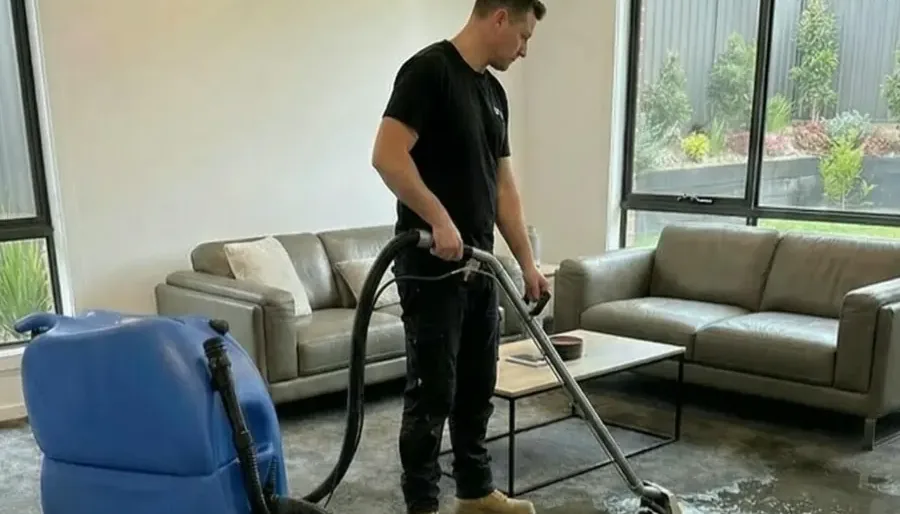 WD 01Water ExtractionStanding water is removed before soaked edges and lower surfaces receive closer moisture checks.Explore this cleanup
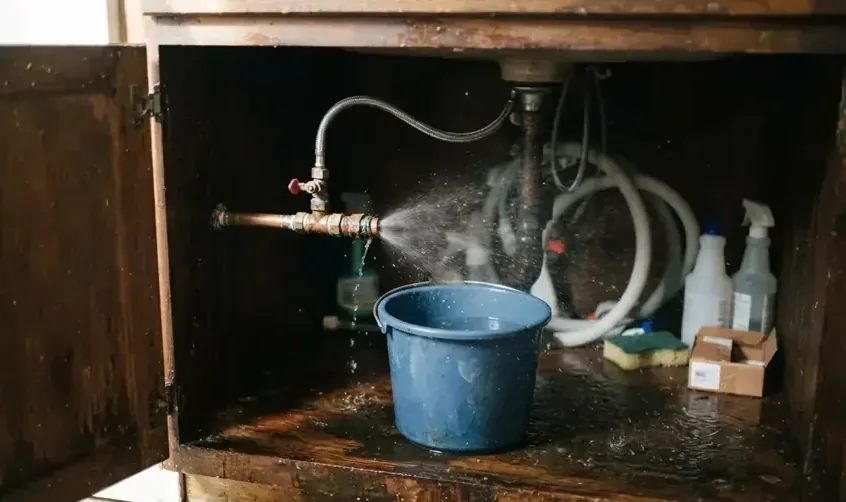 WD 02Burst Pipe Water DamageA broken supply pipe can wet several rooms before the first ceiling mark appears.Explore this cleanup
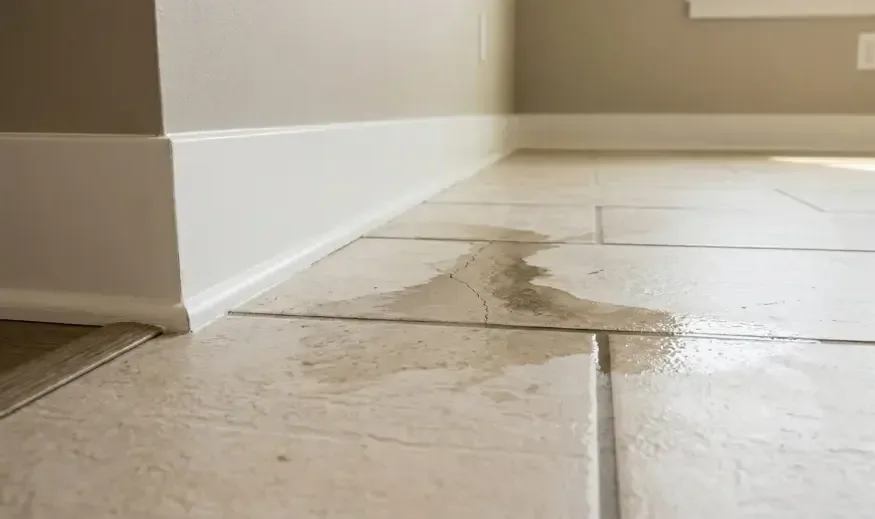 WD 03Slab Leak Water DamagePersistent floor moisture calls for leak assessment and attention beneath the visible finish layer.Explore this cleanup
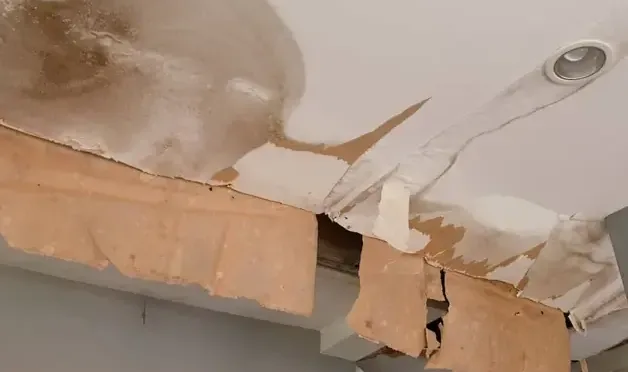 WD 04Ceiling Leak Water DamageSagging drywall needs a controlled inspection before anyone approaches the space beneath the wet area.Explore this cleanup
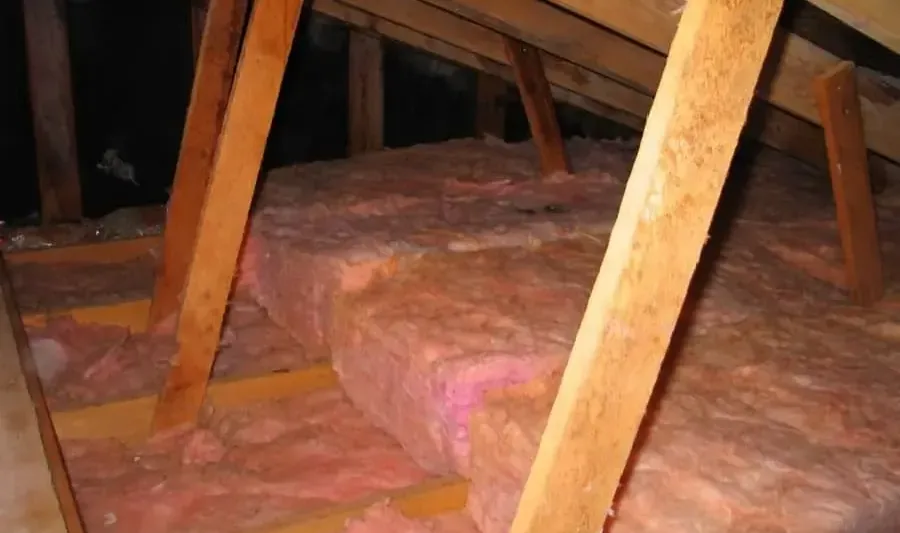 WD 05Roof Leak Water DamageRain entry can leave damp insulation and timber even after the indoor dripping ends.Explore this cleanup
 WD 06Storm Water DamageWind driven rain cleanup starts by identifying each opening where the weather reached indoor materials.Explore this cleanup
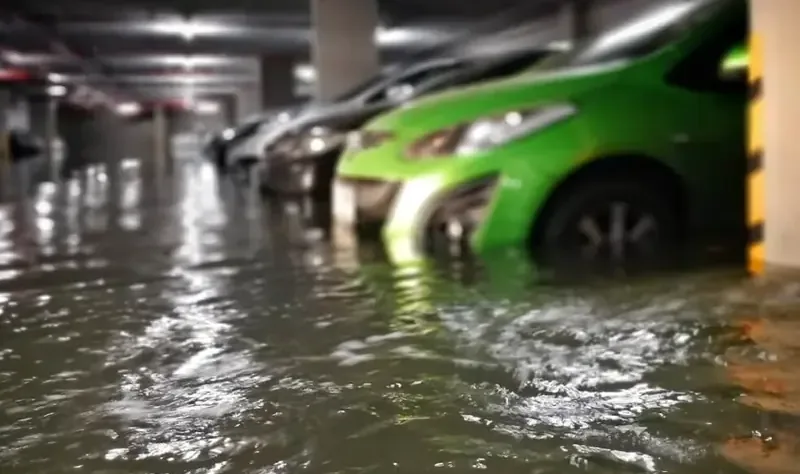 WD 07Flood CleanupOutdoor water carries dirt indoors, changing the removal, cleaning and material decisions after extraction.Explore this cleanup
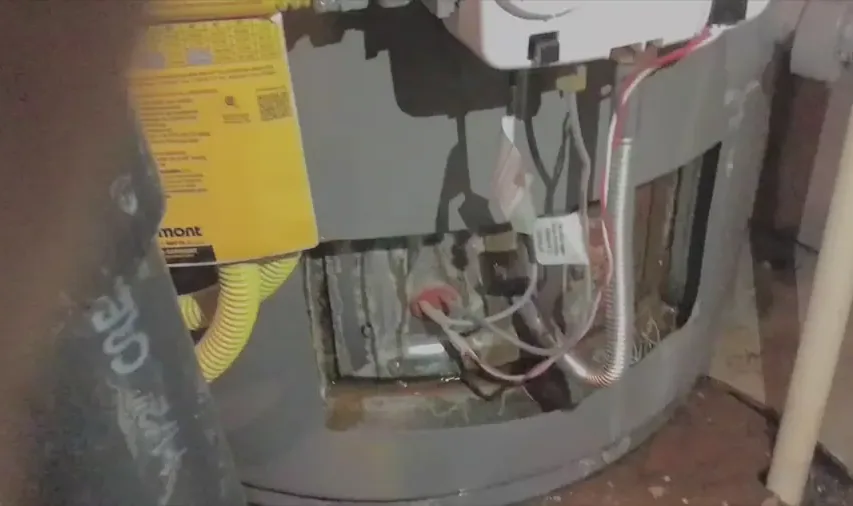 WD 08Water Heater Leak CleanupA tank spill may reach wall bases and storage beyond the appliance itself.Explore this cleanup
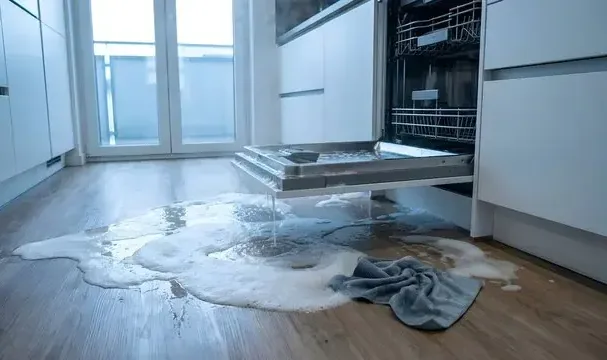 WD 09Appliance Leak Water DamageHidden connections and cabinet recesses deserve inspection when a washer or dishwasher releases water.Explore this cleanup
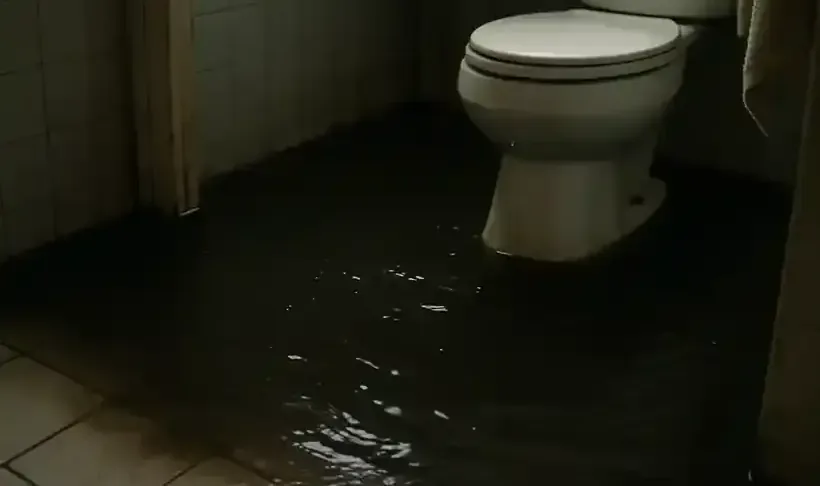 WD 10Toilet Overflow CleanupThe origin of an overflow determines whether bathroom materials require contaminated water cleanup methods.Explore this cleanup
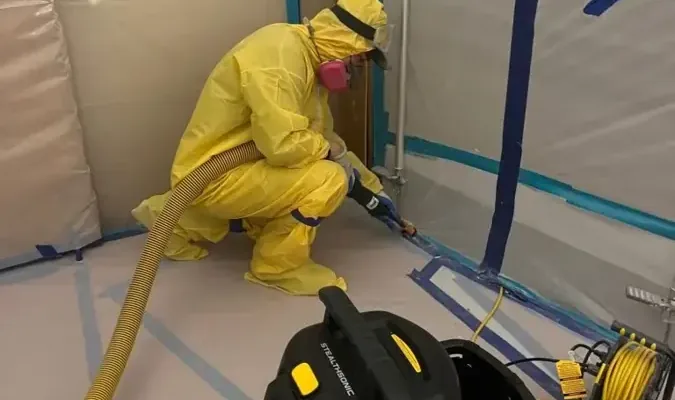 WD 11Sewage Backup CleanupWastewater exposure requires separation of affected spaces and careful handling of porous building materials.Explore this cleanup
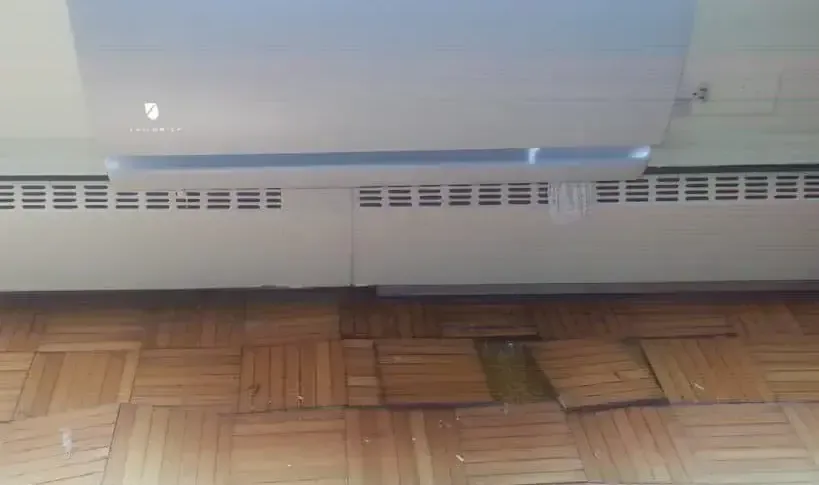 WD 12Hardwood Floor Water DamageWet wood needs moisture comparisons before a decision about drying, lifting or replacing boards.Explore this cleanup
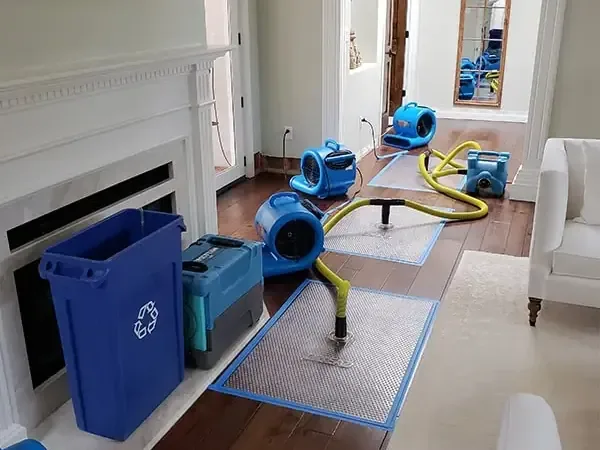 WD 13Structural DryingMoisture readings track progress inside retained assemblies until the drying goals are met.Explore this cleanup
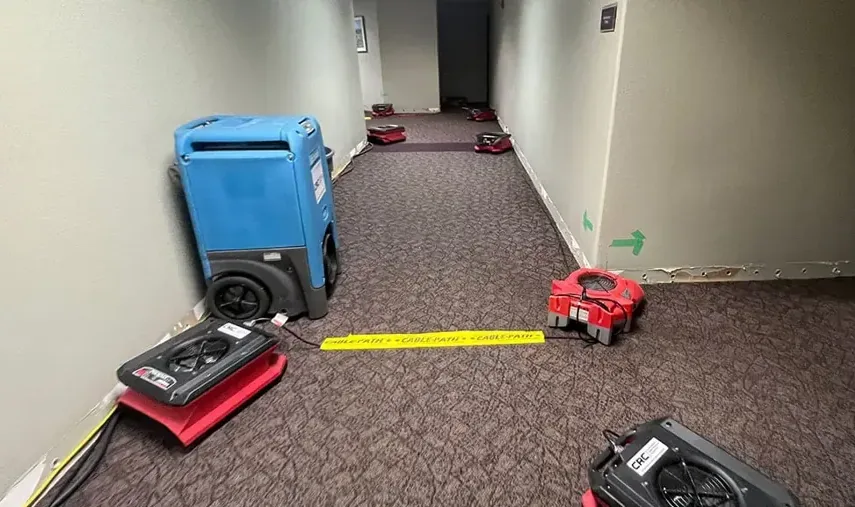 WD 14Commercial Water DamageOccupied buildings need work zones that account for access, contents and necessary business functions.Explore this cleanup
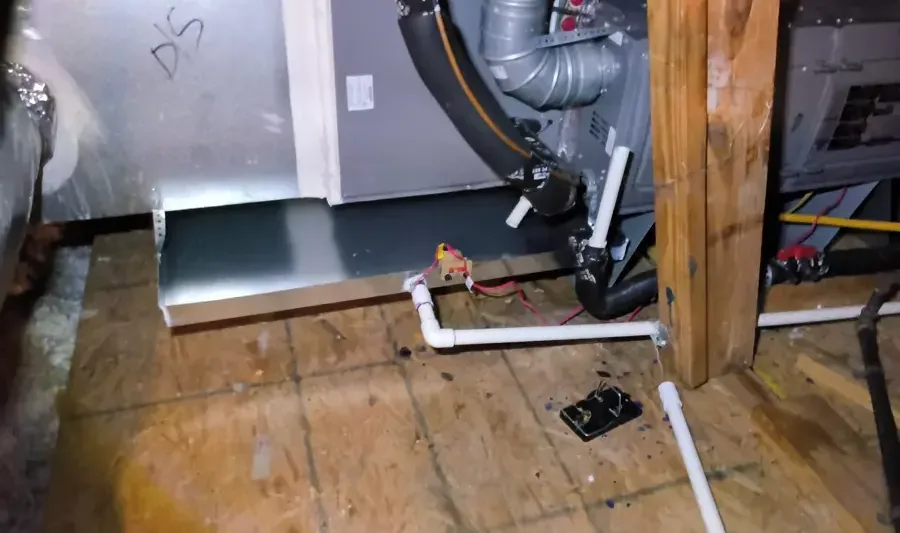 WD 15AC Leak Water DamageCondensate can soak a platform or ceiling while the cooling equipment continues operating above it.Explore this cleanup
Keep the situation safe before moving belongings
Avoid wet electrical equipment
Standing water beside an outlet, appliance or electrical panel needs professional safety assessment. Occupants should remain on a dry route and keep others outside the affected room.
Stop an accessible supply
A reachable shutoff can limit a plumbing spill when access is dry and safe. A stuck valve or uncertain connection belongs with a qualified plumbing professional.
Separate clean and affected areas
Pets and children should stay away from wet surfaces. Footwear and moved belongings can carry dirty water into rooms that were dry at the start.
Record what is visible
Photographs taken from a safe position can show the source, water boundary and damaged contents. A brief discovery timeline helps explain changes during the initial assessment.
Describe the whole water path
Mention wet doorways, adjoining closets and marks below the source. The smallest visible puddle may sit beyond a larger concealed area.
Supply leaks, runoff and wastewater need different handling. The initial inspection establishes which cleanup approach fits the affected property.
(888) 949-8496Discuss the wet roomsDrying follows the material, not appearances
A floor may feel dry while its backing remains damp. A useful restoration plan makes the hidden checks and the next decisions easy to understand.
- Photograph the source from a safe, dry position.
- List rooms with visible water or fresh staining.
- Keep receipts for approved emergency work and materials.
- Record damaged belongings before removal when safely possible.
- Retain the estimate, moisture records and repair recommendations.
How a water loss is handled
Visible boundaries
An inspection maps affected rooms and checks the edges beyond obvious staining. That boundary helps determine where equipment belongs and where ordinary household access can continue during the work.
Retention explained
Each material receives a practical recommendation based on condition, water exposure and drying access. Owners should know why an item can remain or why removal is necessary before work proceeds.
Progress recorded
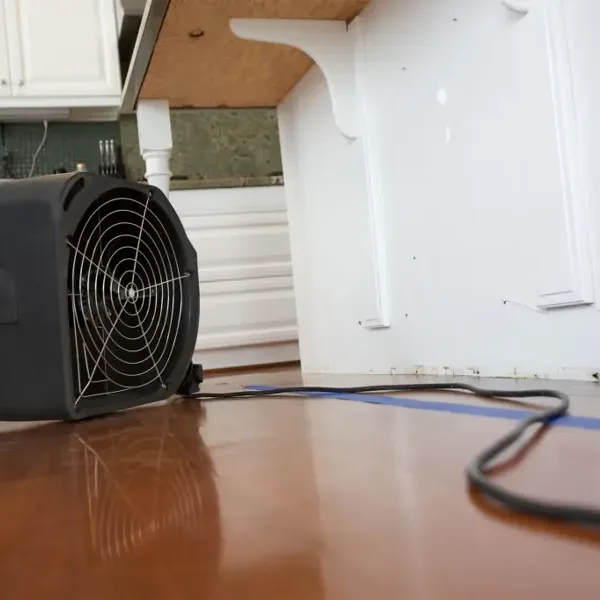
Repeated moisture measurements help distinguish steady drying from a pocket that needs better access. Equipment changes should follow those readings rather than the appearance of the room alone.
Clear handoff
Cleanup and reconstruction are separate decisions. A completion record identifies remaining repair needs so painting, flooring and cabinetry work can be planned around the actual condition of the building.
A drying plan with measurable checkpoints
Restoration moves forward when each decision has an observable basis: the source is controlled, wet materials are mapped and retained surfaces reach appropriate moisture goals.
| 01 | Identify the release. The assessment follows where water started and where it traveled. Plumbing, roof or equipment repair may need separate coordination so drying begins with the ongoing source under control. |
|---|---|
| 02 | Recover and prepare. Accessible water is recovered with suitable extraction equipment. Contents and vulnerable finishes receive attention while damaged materials are evaluated for cleaning, selective removal or retention within the drying area. |
| 03 | Monitor the assemblies. Drying equipment works against recorded material conditions. Repeat checks include edges, cavities and adjoining surfaces, allowing adjustments when a hidden layer remains wetter than the accessible surface beside it. |
| 04 | Document the endpoint. The final assessment compares readings with the established drying goals and describes repair needs. That record gives the owner a practical handoff for restoring finishes and returning affected rooms to use. |
Make the damage easier to explain
Clear records connect the discovery, mitigation work and affected belongings. Coverage decisions belong to the insurer, while the cleanup scope describes what happened inside the property.
When paying directly
A direct payment job still benefits from an itemized scope. The owner can compare the proposed material handling, equipment needs and follow up checks before authorizing the work.
If the condition changes after an assembly is opened, the revised plan should explain the added work. Clear communication keeps hidden damage from becoming an unexplained charge.
What affects water cleanup cost in Vail?
A small, accessible spill costs differently from water trapped beneath flooring or inside walls. The estimate should identify removal, drying, cleaning and monitoring separately, with repair work explained before approval. Water condition and access matter as much as room size.
Limited room exposure
$1,000 to $2,500- Safe reachable wet surfaces
- Focused equipment placement
- Limited material handling
Several connected spaces
$2,500 to $8,000- Broader moisture mapping
- Multiple room drying zones
- Additional contents protection
Extensive concealed wetting
$8,000 to $20,000+- Detailed concealed cavity access
- Greater removal needs
- Detailed progress documentation
These planning ranges are not a property estimate. An inspection establishes the affected materials, necessary access and cleanup scope before a written price can be evaluated.
From the first inspection to a measured finish
- 1
Identify the release
The assessment follows where water started and where it traveled. Plumbing, roof or equipment repair may need separate coordination so drying begins with the ongoing source under control.
- 2
Recover and prepare
Accessible water is recovered with suitable extraction equipment. Contents and vulnerable finishes receive attention while damaged materials are evaluated for cleaning, selective removal or retention within the drying area.
- 3
Monitor the assemblies
Drying equipment works against recorded material conditions. Repeat checks include edges, cavities and adjoining surfaces, allowing adjustments when a hidden layer remains wetter than the accessible surface beside it.
- 4
Document the endpoint
The final assessment compares readings with the established drying goals and describes repair needs. That record gives the owner a practical handoff for restoring finishes and returning affected rooms to use.
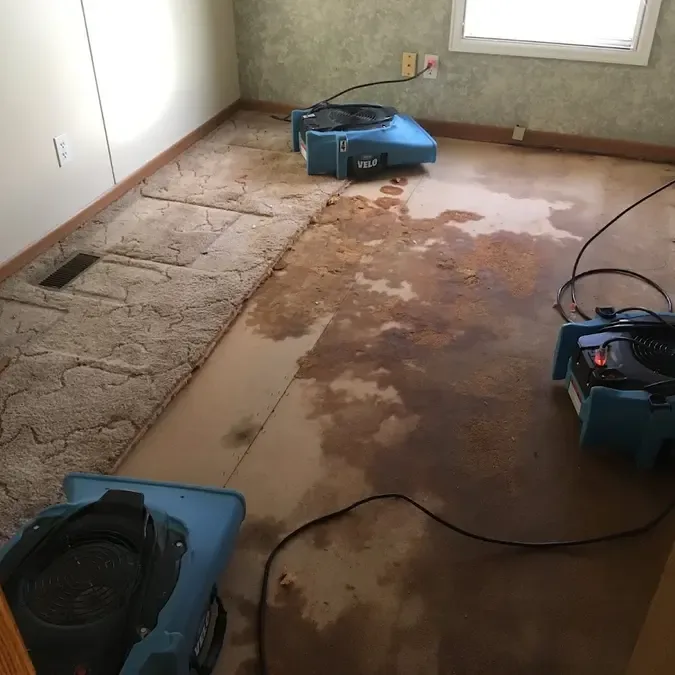
Describe access along with the damage
Vail is an unincorporated community in Pima County. A property description should include the affected building, safe entry arrangements and any areas that need to remain accessible during cleanup.
A mention of a nearby landmark can help orient the initial conversation. The scope itself follows conditions inside the property, including wet contents, hidden cavities and the route water traveled.
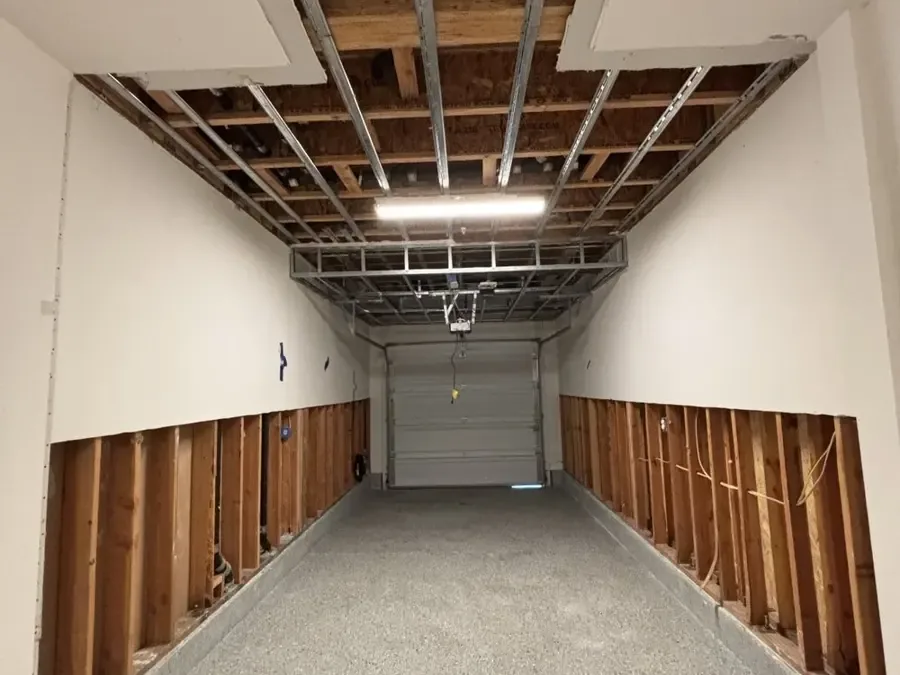
Read about the drying approachWater paths, access openings and drying equipment
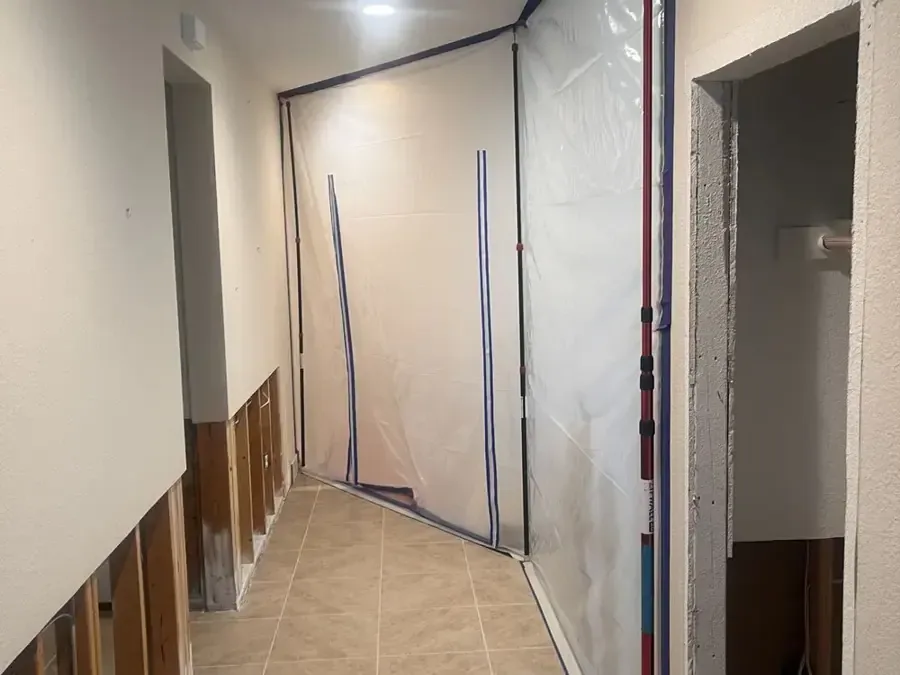
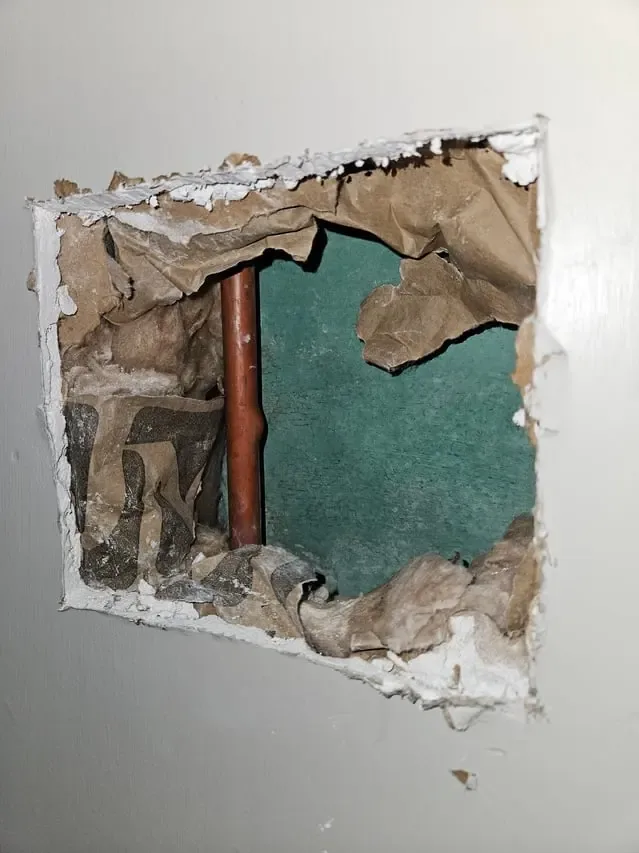
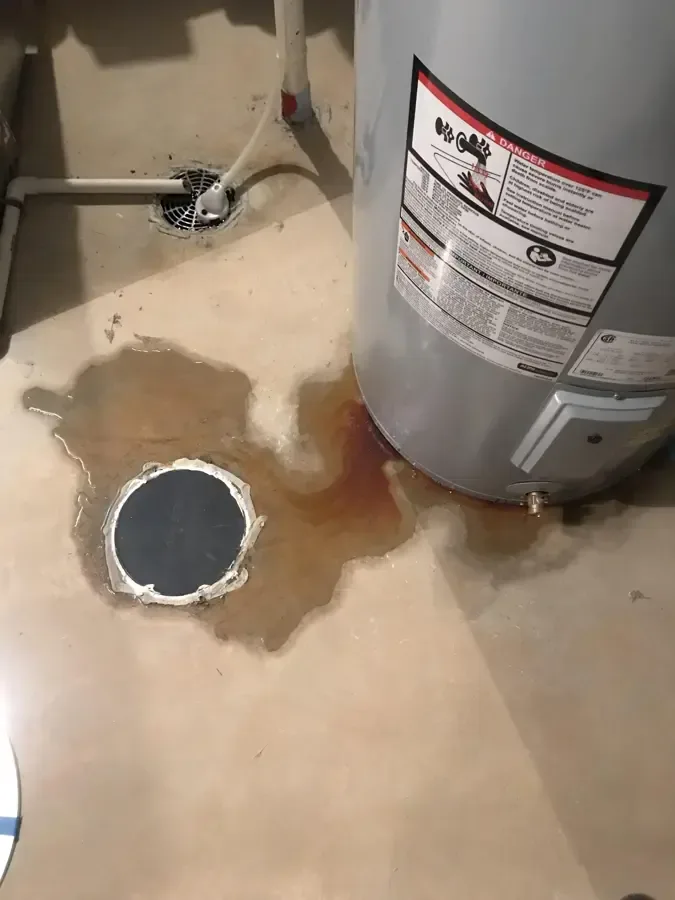
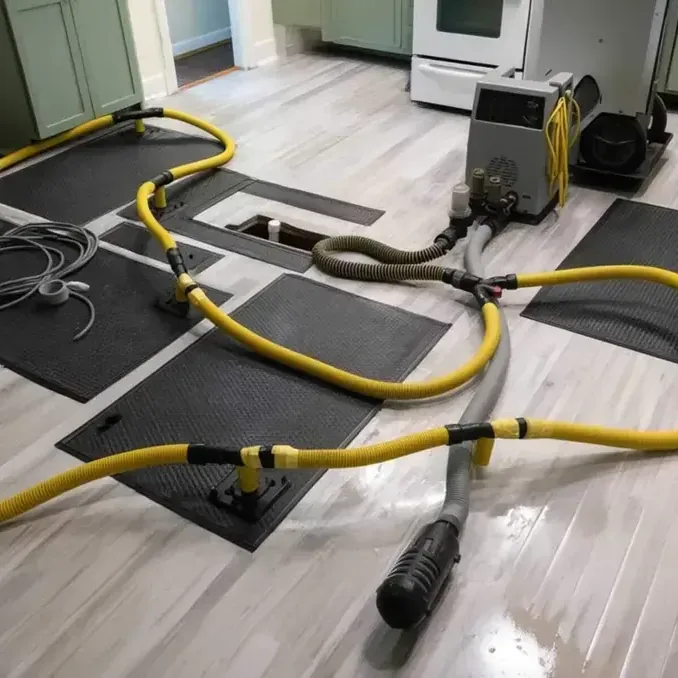
The source changes the cleanup plan
Pressurized supply
A failed pipe may keep feeding water until isolated. Wet finishes and concealed cavities need assessment after the plumbing repair stops the release.
Pipe cleanupHousehold equipment
Appliance water can collect beneath cabinets or flooring. Inspection should include the hidden recess behind the machine and adjoining materials beyond the visible spill.
Appliance assessmentWastewater entry
A drain backup needs controlled handling of exposed materials. The drainage problem and the interior cleanup must both be addressed before normal use resumes.
Wastewater cleanupWater cleanup for Vail properties
Other service communities
Describe access along with the damage
Supply leaks, runoff and wastewater need different handling. The initial inspection establishes which cleanup approach fits the affected property.
(888) 949-8496Explain the property accessSeasonal washes and household water sources
Pantano Wash carries seasonal water through the community. Indoors, a broken fitting or drain backup creates a different water path that requires its own assessment.
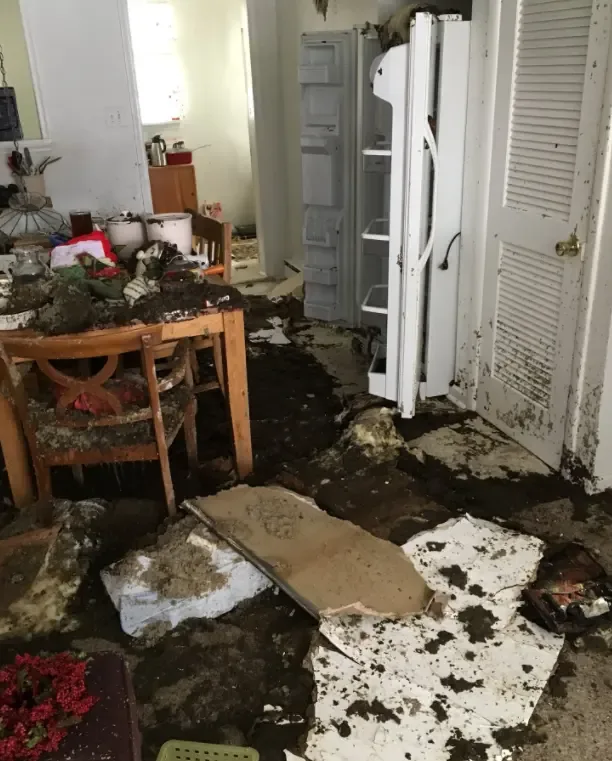
- Seasonal runoff. Outdoor water may carry soil and debris across a doorway. When that happens, the cleanup plan needs to address contamination as well as the moisture left within materials.
- Supply connections. Vail Water Company serves a defined area and blends Central Arizona Project water with groundwater. For an indoor leak, locating the affected fixture or pipe comes first.
- Wastewater arrangements. Pima County regulates septic systems and publishes sewer connection record information. The actual property connection helps direct the drainage investigation when wastewater rises through a fixture or floor opening.
- Permit coordination. Pima County publishes water heater replacement information through its building permit materials. Replacing damaged equipment and drying the surrounding room are related tasks with distinct decisions.
- Concealed spread. Water follows gaps behind trim, underneath finishes and through ceiling penetrations. Inspection of these connections can reveal a wider drying area than the first visible stain suggests.
September 6, 2021. The Vail Voice described raging water in Pantano Wash during the monsoon season. After heavy weather, safe access comes before checking any suspected water entry indoors.
Questions after finding water indoors
What information helps during the initial cleanup discussion?
Describe where water first appeared, whether the source continues running and which rooms are affected. Mention electrical concerns or wastewater before anyone enters. A safe access route and photographs of visible changes can help organize the inspection without disturbing wet materials.
Does a dry looking floor mean the work is finished?
The inspection follows water beneath the visible finish to check the layers it has reached. Backing, underlayment and lower wall edges may retain moisture after visible water disappears. Measurements and access checks help determine whether drying can stop or whether a concealed layer still needs attention.
Should water from a wash be handled like a pipe spill?
Water that travels outdoors can bring sediment and other contamination into the building. That changes cleaning and removal decisions. A supply leak also needs assessment, but its history and contact with materials differ from runoff that crosses soil before entering.
Can occupants stay during the restoration work?
That depends on the affected rooms, electrical safety, water condition and available access. A contained drying area may allow use of separate spaces. Wastewater, extensive removal or disrupted essential rooms can require different arrangements, which should be discussed during the inspection.
What happens to furniture standing on wet flooring?
Contents are evaluated for safe movement, protection and cleaning. Furniture can leave staining or obstruct drying when it remains on a wet surface. The plan should identify which belongings can be moved safely and which need controlled handling within the affected area.
Who determines whether the insurer covers the damage?
The insurer applies the policy to the reported loss. Restoration records can describe the water path, affected materials and work performed. The property owner should retain those records and ask the insurer about claim requirements, deductibles and any requested documentation.
Is replacing a leaking appliance enough to finish cleanup?
A replacement stops the equipment problem only after its connections are sound. Water may already have reached cabinets, nearby walls or flooring layers. Those materials still need inspection and appropriate drying, even when the new appliance is ready for normal operation.
Why might a small area of drywall be opened?
Selective access can reveal wet insulation or framing that surface measurements cannot fully describe. The reason and proposed extent should be explained before removal. Openings are based on the affected assembly, its condition and the practical access needed for drying.
How does the community setting affect the inspection?
Vail includes residential properties with individual water and drainage arrangements. Inspection starts with that building's connections and observed damage. Details such as an outdoor entry point, utility shutoff location or septic connection help direct the work without treating every property alike.
Turn the water discovery into a plan
Describe the affected rooms and current conditions so the next cleanup decision has a clear starting point.