Burst pipe water damage in Sahuarita often requires two parallel assessments: what failed in the plumbing and what became wet in the building. Treating the repaired fitting as the finish point can leave moisture in rooms the owner never saw flood.
Following the release beyond the pipe opening
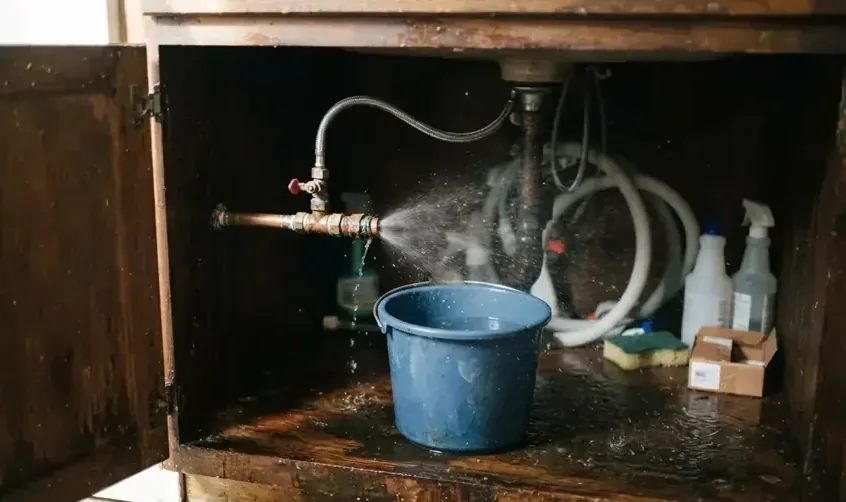
Pressurized water can travel into a partition, emerge at a doorway or collect beneath cabinetry. The technician uses the reported source as a starting location, then verifies the rest with moisture measurements. Removing trim or opening a suitable cavity may reveal conditions that surface readings cannot resolve.
For service in Rancho Resort or Los Arroyos, the owner can identify the shutoff location and the rooms reached by the pipe release. The plumber identifies the installed pipe and checks the failed component before describing a cause. The contractor identifies the actual installation and discusses any uncertainty before describing the cause.
- A wall patch needs evaluation on both sides when water has moved through the cavity.
- Wet flooring may continue under a fixed cabinet or across a threshold into another room.
- Stored belongings can hide the first visible signs of saturation near the floor.
- An unchanged moisture reading after source repair can indicate restricted drying access.
Fresh supply water still needs an assessment
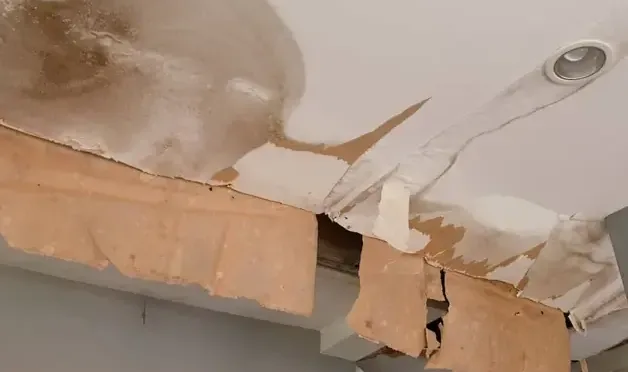
The source may be sanitary, but the crew also examines what the released water contacted and how conditions developed. Material condition matters when deciding whether carpet, pad or drywall can remain. A retention decision should describe the observed loss, not promise that every pipe break is harmless clean water.
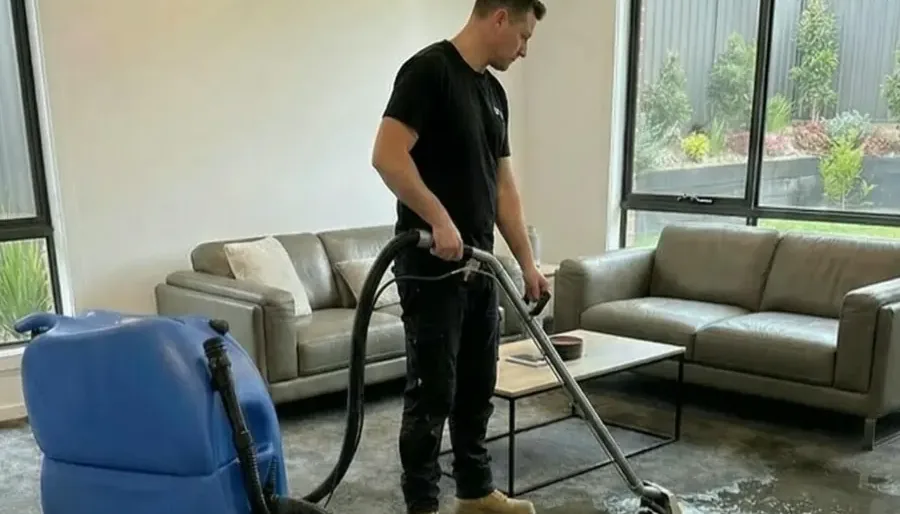
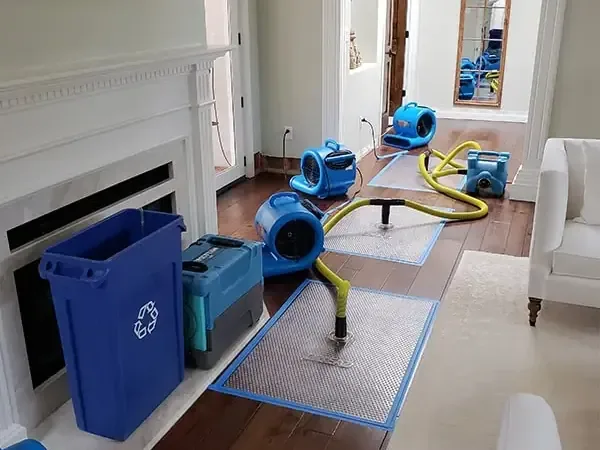
The water extraction service removes accessible liquid. The next phase addresses water absorbed into framing and finishes. Directed airflow without dehumidification can shift moisture into room air without controlling the total load, so the drying specialist considers the whole environment.
Keeping repair and drying responsibilities clear
The plumbing scope identifies the failed section, replacement work and any testing. The mitigation scope records extraction, material access and equipment use. A separate reconstruction scope can then address wall finishes or flooring once moisture conditions permit it.
Quail Creek properties, like other homes, need that distinction regardless of how small the exposed repair looks. The owner keeps photographs and drying logs for a policy review, while the insurer decides coverage. The structural drying page explains why daily readings and a dry reference provide a stronger completion test than a fixed equipment-rental period.
- Flood safety: Ready.gov flood precautions
- Cleanup guidance: EPA flooded-home cleanup information