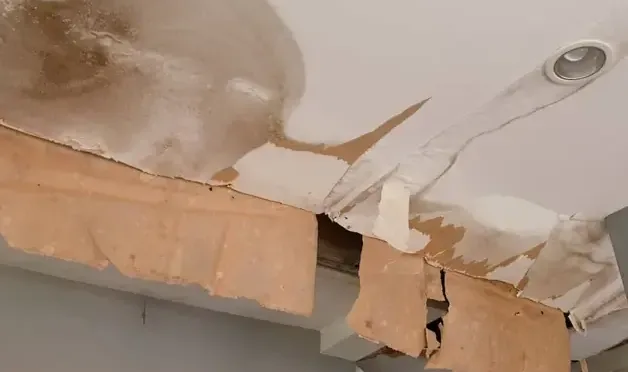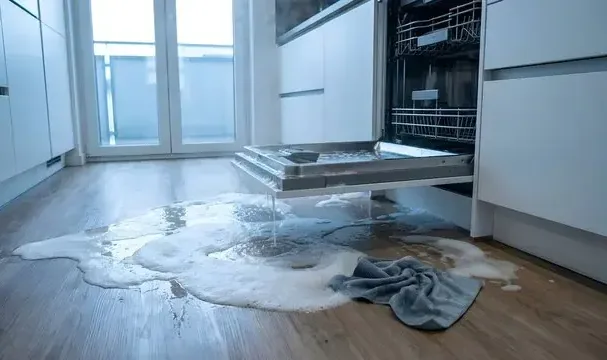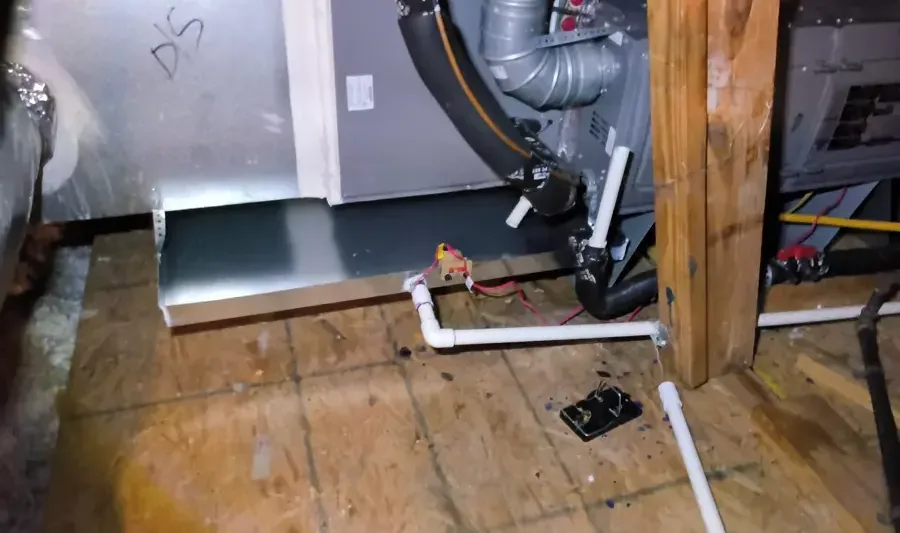
AC leak water damage in Sahuarita can begin out of sight near an air handler and emerge as a ceiling stain or damp wall base. The restoration assessment follows the water beyond the equipment so source repair and building drying both receive attention.
Condensate symptoms need source testing
A stain that changes while cooling runs can point toward the condensate system, but plumbing and roof entry can produce similar symptoms. The HVAC specialist investigates the equipment, pan and drain. The restoration technician records where the resulting water remains in the building materials.
Homes in Madera Highlands and Quail Creek need direct inspection of the actual unit location. The HVAC technician locates the unit and follows its condensate route, then checks the equipment for the source of the release. The service scope therefore follows observed conditions instead of a neighborhood-wide equipment claim.
- A cleared condensate drain can leave wet insulation or a saturated equipment platform behind.
- Water can follow framing before appearing through a ceiling below the unit.
- Electrical equipment and unstable ceiling material require safe access before restoration work.
- A hidden cavity needs meaningful measurements rather than an assumption based on room comfort.
Opening only what the moisture assessment requires
The contractor evaluates damaged ceiling finish, retained framing and access to the wet area. Suitable removal can serve safety, drying access or replacement of material that cannot remain. The crew photographs the starting condition and explains the purpose of the opening before work proceeds.
Los Arroyos properties receive the same material-specific evaluation regardless of whether the equipment sits in a closet or another location. The ceiling leak assessment covers the hazards below a wet assembly, while the HVAC technician determines the equipment repair.
Keeping the system repair and dry-out coordinated
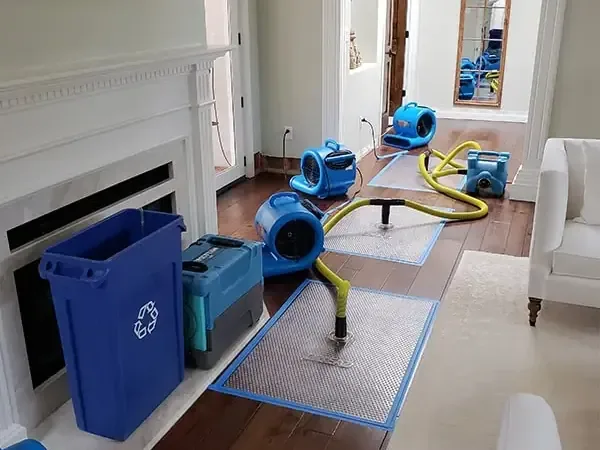
The drying specialist tracks material response and discusses environmental conditions with the source technician where necessary. If system operation produces new moisture, the team revisits the source rather than extending an unchanged drying plan. A cooler room does not demonstrate a dry wall cavity.
The owner keeps the HVAC findings, photographs and daily readings together for the claim file. The insurer decides how the policy applies to the cause and exposure. The structural drying process explains the measurement-based finish, which remains separate from confirming that the AC unit drains correctly again.
- Flood safety: Ready.gov flood precautions
- Cleanup guidance: EPA flooded-home cleanup information