Category 3 from the start

Sewage Backup Cleanup in Sahuarita, AZ

The sewage cleanup crew isolates the affected rooms, removes contaminated porous material and cleans retained surfaces. The drying team then verifies moisture conditions before the space moves toward repair.

(888) 949-8496Isolate the sewage-affected room
24/7 sewage-loss dispatch Category 3 containment Cleaning before structural drying
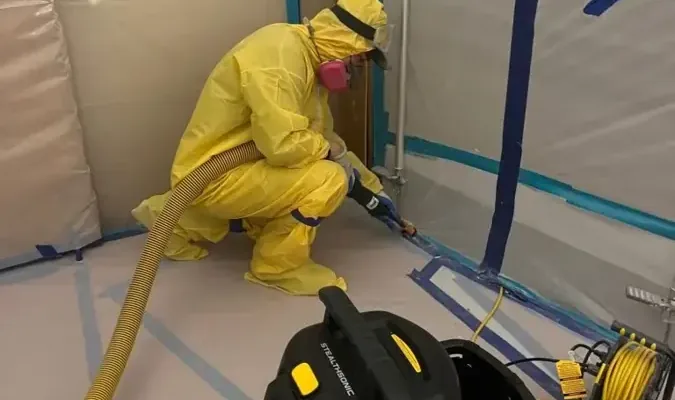
Worker in yellow protective coveralls using equipment inside a plastic containment area
Immediate priorities

Sewage Backup Cleanup: first steps

  1. 1

    Stop adding water to the backup

    Occupants stop flushing and using affected drains. A plumbing or wastewater specialist investigates the blockage, while the cleanup contractor addresses the material already released into the building.

  2. 2

    Separate the dirty area

    The household keeps people and animals out and avoids moving soaked belongings across clean rooms. The crew establishes containment and a controlled route for equipment, debris and disposable materials.

  3. 3

    Avoid improvised chemical treatment

    Residents do not mix cleaning products or pour chemicals into standing sewage. The cleanup team selects physical cleaning methods and labeled products after assessing the exposed surfaces and source.

  4. 4

    Record affected rooms safely

    The owner photographs visible conditions from a clean location. The contractor documents contaminated flooring, wall bases and contents before controlled removal changes the appearance of the loss.

Assessment and control

How sewage backup cleanup is handled

Rapid local response

The response team prioritizes active water movement and unsafe access. The first assessment separates source control from extraction, so a stopped leak does not leave hidden wet materials untreated.

IICRC S500 drying standard

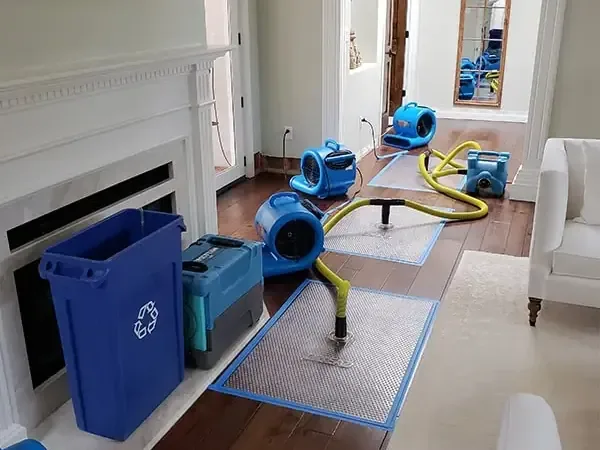
The drying specialist sets a material-specific goal using unaffected reference readings. Airflow and dehumidification follow the evaporation load, with equipment adjusted when the daily measurements show a change.

Claim-ready documentation

The project file records the water source, affected rooms, material condition and work performed. Photographs and moisture logs let the owner and insurer examine the scope without relying on a dry-looking surface.

Local water experts

The site assessment checks the building actually affected, including access restrictions and shared assemblies. The restoration contractor distinguishes cleanup from plumbing, roof or equipment repair before recommending the next step.

Planning the cleanup

What does sewage backup cleanup cost in Sahuarita, AZ?

Sewage backup cleanup commonly ranges from $2,000 to $10,000, depending on the contaminated area, porous-material removal and access. Drain repair, major contents handling and reconstruction can add separate costs. A small water depth can still require substantial cleanup when wastewater reaches hidden absorbent layers.

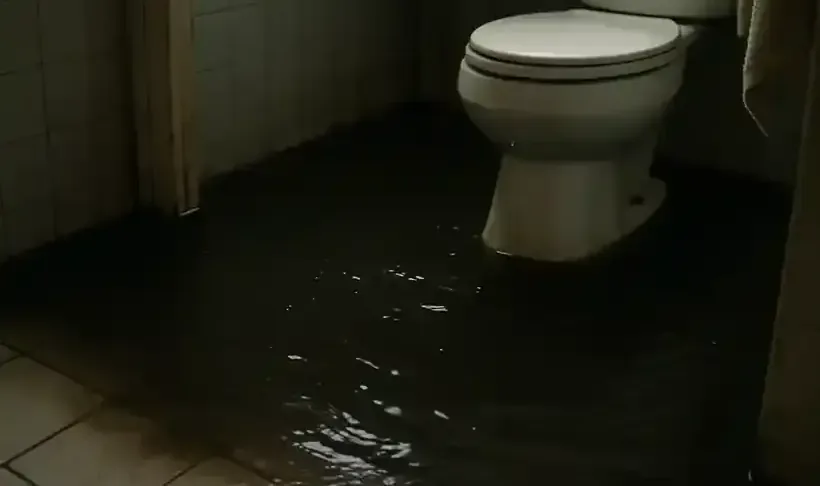
A contained bathroom loss

$2,000 to $4,000
  • Isolation and extraction
  • Localized porous-material removal
  • Retained-surface cleaning

Several affected rooms

$4,000 to $10,000
  • Controlled debris handling
  • Wall and floor layer assessment
  • Cleaning and structural drying

Extensive wastewater exposure

$10,000 to $22,000+
  • Multiple containment zones
  • Broader material disposal
  • Detailed recovery documentation

Category, wet square footage, material class and the delay before drying determine the scope. Repairing the source and replacing finishes may add separate charges. Compare the assumptions with the water damage cost calculator.

Work sequence

Sewage Backup Cleanup process

The crew records the starting condition, adjusts the equipment and verifies the result.

  1. 1

    Set contamination boundaries

    The technician identifies the affected rooms, water travel and safe clean access. The crew selects PPE and containment for the exposure, with attention to occupied adjoining spaces. The municipal wastewater system and a private building drain have different roles, so the source investigation determines whom the owner should contact.

  2. 2

    Remove sewage and porous exposure

    The cleanup team extracts wastewater and removes contaminated absorbent finishes using controlled handling. The removal boundary follows actual exposure and wicking, including above the obvious waterline where necessary. Photographs and material notes explain those decisions so the owner can review why a layer cannot simply dry in place.

  3. 3

    Clean before product application

    Workers remove residues from retained hard surfaces and accessible structural material. An appropriate EPA-registered antimicrobial follows its label, including dwell time and surface requirements. The contractor does not rely on spraying alone, and the work sequence keeps dirty tools and debris from crossing back into cleaned areas.

  4. 4

    Dry and document retained structure

    After cleanup, the drying specialist controls humidity and airflow around the remaining assembly. Repeat readings track the material response until the drying goal is met. The final record separates completed decontamination and drying from blockage repair, replacement finishes and any other work the owner still needs to authorize.

Water categoryCategory 3 sewage
ProtectionPPE and controlled access
Porous exposureRemoval, not fan drying
Retained surfacesClean before the dry-out

Sewage backup cleanup in Sahuarita involves contamination control before moisture control. The odor or apparent depth does not set the safety boundary. The crew assesses what wastewater touched and where it traveled beneath finishes.

The backup source and cleanup are separate tasks

The town wastewater utility collects and treats sewage, while separate providers supply drinking water. That distinction matters when reporting a problem. A plumbing or wastewater specialist determines whether the blockage lies in a building drain or another part of the serving system; the restoration contractor does not assign responsibility from the location alone.

A property in La Joya or Valle Verde del Norte can need an individual service check before the owner knows which utility or repair professional should respond. Neither neighborhood name proves lateral ownership or the cause of a backup. The cleanup scope addresses the released sewage while that investigation proceeds.

  • Residents stop using affected fixtures to avoid adding wastewater to the loss.
  • The crew keeps contaminated shoes, hoses and debris away from clean occupied rooms.
  • Porous layers above the visible water mark may need removal when wicking has carried contamination.
  • Cleaning must reach the retained surface before a labeled antimicrobial can serve its intended role.

Material removal follows exposure

Carpet, pad, damaged drywall and other absorbent finishes can hold contamination that drying does not remove. The assessor records the affected assembly and explains selective removal. A clean-looking upper surface does not clear a concealed backing or a wet cabinet base.

In Los Arroyos, the inspection identifies the affected drain connection, traces the sewage spread and records which porous materials require removal. The toilet overflow page explains why a fixture supply leak differs from wastewater leaving the bowl or backing through the drain.

A clean surface still needs a dry structure

After removal and cleaning, retained framing and other suitable materials can remain wet. The drying specialist uses moisture measurements to plan equipment and record progress. Containment, access and humidity control remain part of the work until the contractor confirms the relevant completion conditions.

The owner retains source findings, photographs, disposal notes and daily drying records. Sewer-backup coverage can differ from other water coverage, so the insurer reviews the policy and any endorsement. The structural drying service describes the measurements that support repair readiness after the contaminated portion of the work is complete.

Practical answers

Sewage Backup Cleanup questions in Sahuarita, AZ

Is a sewage backup always Category 3?

Yes. Sewage entering the building requires Category 3 handling from the start. The household avoids contact and stops adding water through affected fixtures. The cleanup contractor establishes exposure boundaries, protective equipment and removal decisions before ordinary drying equipment operates.

Can a resident clean it with bleach first?

Improvised chemical treatment does not replace removal of sewage and physical cleaning. Mixing products can create additional hazards. The cleanup team assesses the surfaces, removes contamination and selects a suitable labeled product, including the required dwell time and application conditions.

Why remove material above the water mark?

Porous material can draw wastewater above the obvious visible boundary. The assessor follows the actual exposure rather than a fixed arbitrary cut height. Photographs and inspection notes should explain which layers need removal and why they cannot remain for drying in place.

Who fixes the blocked drain?

A plumbing or wastewater specialist investigates the serving system and repair responsibility. The restoration contractor cleans the released sewage and dries retained materials. The written scopes should distinguish those tasks so a cleared drain does not leave an untreated contaminated room.

Can occupants use the unaffected bathroom?

The blockage location determines whether another fixture could add to the problem. The appropriate plumbing specialist advises on safe water use. The cleanup contractor also establishes access boundaries so residents do not cross contaminated areas or interfere with equipment while using unaffected rooms.

What does insurance need from the cleanup?

Useful records include the reported source, affected-material inventory, photographs, removal notes, cleaning scope and drying measurements. The owner checks sewer-backup terms with the insurer. Documentation explains the work but does not decide coverage or establish responsibility for the underlying drain defect.

Service area

Sewage backup cleanup coverage

Sahuarita, AZ

The restoration team covers ZIP 85629, including Rancho Resort, Quail Creek, Madera Highlands and Los Arroyos. Access, water source and the affected rooms shape the initial assessment.

Neighborhoods and communities served

24/7 water damage dispatch

Clear the contamination before rebuilding the room

The cleanup team documents removal and retained-surface cleaning, then the drying specialist measures the structure that remains. Source repair receives its own scope.

(888) 949-8496Arrange the Category 3 assessment
(888) 949-849624/7 dispatch