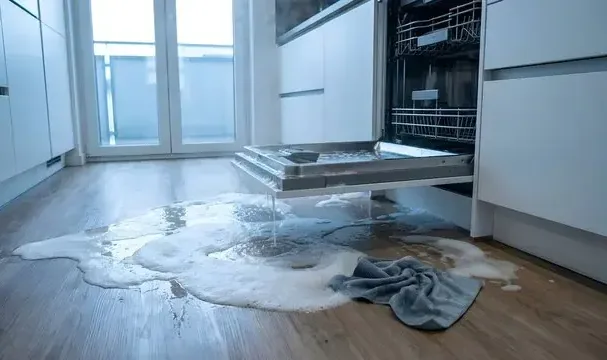
A dishwasher leak in Drexel Heights may first appear as water near a cabinet toe kick rather than a large puddle. The community's households need a usable plan for the kitchen while the appliance and surrounding materials are checked. Careful inspection follows the release behind the visible edge and keeps everyday foot traffic outside the wet work area.
Key takeaways
- Stop using a leaking appliance and report any wet electrical connection.
- Record whether the water appeared during filling, washing or draining.
- Ask the contractor to check cabinet bases and adjoining floor transitions.
- Move kitchen contents only after a dry holding area is identified.
- Keep the appliance repair and the building drying records together.
Notice the details that help the appliance inspection
The first useful observation is often about timing within the appliance cycle. Water noticed during filling presents a different starting point from water first seen during draining.
The owner should describe what was happening when the leak became visible and stop further use until the appliance is assessed.
A photograph can include the appliance front, nearby cabinet base and floor trail. The person taking it should remain clear of wet electrical parts.
Pulling the machine forward or reaching behind it can expose connections that belong in the appliance professional's inspection.
A brief note about recent use helps preserve the sequence without requiring a household diagnosis. The note might describe visible suds, the first damp seam or a change after the cycle was stopped.
Those observations are more useful than a guessed component failure when arranging the visit.
- Record the appliance activity when water was first noticed.
- Photograph the floor trail from a safe position.
- Leave connections and equipment movement to the responsible professional.
Protect the kitchen route used by the household
Drexel Heights is an unincorporated community in Pima County. A kitchen disruption can affect the route between the entrance and occupied rooms, so the owner should identify the doorway that household members need to use during the work.
A kitchen appliance cleanup assessment considers those routes along with the wet materials. A clear boundary helps prevent someone stepping onto slick flooring or moving equipment to reach a cupboard.
Essential items can be relocated once the contractor identifies a suitable dry location.
The work plan should address access to meals, drinking water and stored supplies in practical terms. That discussion can happen before cabinetry is opened or hoses cross a doorway.
The aim is to reduce repeated trips through the affected area while inspection and drying proceed.
- Identify the household's necessary passage through the room.
- Choose a dry place for essential kitchen items.
- Ask before moving barriers, hoses or drying equipment.
Inspect the recess and cabinet base as separate spaces
The appliance recess can hold water that is not visible from the front. Once safe removal is arranged, the contractor can examine the floor beneath the machine and the adjoining cabinet sides.
A close photograph should show the exposed area before extraction or cleaning changes its appearance.
Cabinet bases can create another concealed pocket. The technician should explain whether a removable panel provides inspection access or whether damaged material needs a different approach.
Each opening should have a defined purpose, such as viewing the floor edge or reaching trapped liquid.
The underside of a neighboring unit may differ from the surface beside the dishwasher. Material type, assembly and condition affect the decision to retain or remove it.
The contractor should describe those findings individually so that the repair scope reflects the actual cabinets affected.
- Photograph the floor revealed when the appliance is moved.
- Check the adjoining cabinet sides and lower edges.
- Record the reason for each access opening.
Trace moisture across the flooring transition
A small kitchen release can travel beneath a covering and appear farther away at a joint or doorway. Technicians use the observed route and comparative readings to decide where the inspection continues.
The original puddle should remain part of the record even if the eventual wet boundary is larger.
The water extraction process targets accessible liquid in the affected assembly. Recovery at the surface may need to be accompanied by access at a floor edge or cabinet base.
The crew should explain which layer is being treated and how the result will be checked.
A rug, movable island or stored carton can conceal evidence along that path. Before an item is relocated, its position and condition should be noted.
This prevents a later photograph of the cleared kitchen from losing the relationship between the leak and the belongings it contacted.
Separate appliance repair from cabinet decisions
Repairing the dishwasher addresses the equipment problem. Cabinet and flooring decisions depend on the water exposure, material condition and access needed for recovery.
The owner should receive an explanation for each proposed removal rather than assuming the appliance repair resolves everything nearby.
The appliance professional's written findings should identify the work performed and the outcome of any operational check. The restoration report should describe the building surfaces inspected and treated.
Keeping both documents makes the handoff clearer if the machine returns before finish reconstruction is complete.
A cabinet contractor may need photographs of hidden edges that will be covered again. Those images can show the original assembly and the condition after mitigation.
Planning that exchange before closing access reduces the chance that a repaired surface must be opened again just to understand the earlier work.
Monitor concealed edges while the room is drying
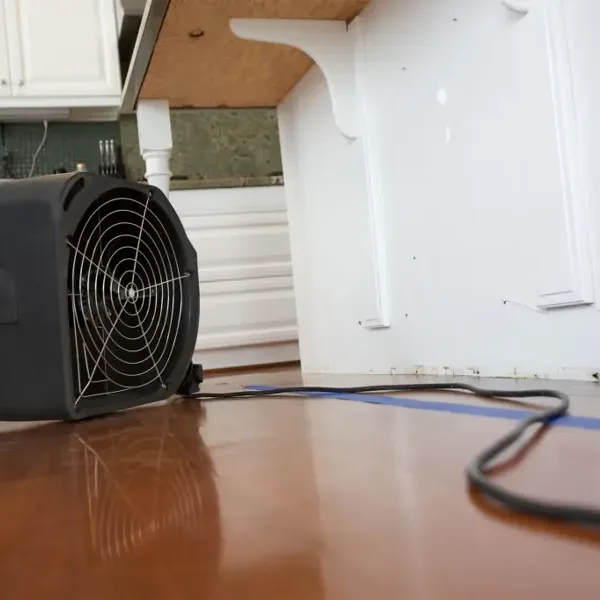
The room's air can feel comfortable while a cabinet base or floor backing still needs attention. A structural drying assessment follows selected material locations over time.
The contractor should identify those points clearly enough that repeated checks refer to the same surfaces.
If one section responds slowly, the crew may change equipment placement or recommend additional access. That change should come with an explanation of the material finding behind it.
The owner can then understand why one part of the kitchen is ready for repair while another remains in active work.
Household concerns about noise or blocked cupboards deserve a planned adjustment. Disconnecting a unit without telling the contractor can alter the drying conditions and confuse the monitoring record.
A coordinated change keeps the room usable to the extent practical while preserving the purpose of the setup.
Reassemble the kitchen from a documented repair list
The closing walkthrough should identify the appliance status, retained cabinet pieces and remaining floor or trim work. A list organized by location is easier to use than a broad statement that the kitchen is dry.
Each unfinished item should have a responsible trade or owner action attached.
A household contact should be available to admit the cabinet, flooring and appliance professionals at the agreed times. Each person arriving needs the current task list and any remaining access restriction.
Scheduling those visits together helps prevent completed finish work from blocking a task that still requires an exposed edge.
Keep the discovery images and the exposed recess photographs with the final report. That sequence shows what changed between the first puddle and the restored appliance position.
It also gives future service personnel a useful record if the same area needs inspection again.
Questions
Is water at the toe kick always a cabinet problem?
That location identifies where water became visible. The appliance professional and cleanup contractor should trace the source and inspect the adjoining recess, cabinet base and flooring before deciding which components need work.
What information helps when arranging appliance service?
A concise account of when the water appeared during use gives the technician a useful starting point. Photographs of the visible trail and notes about whether the release stopped can support that account.
Why move contents before opening a cabinet base?
An agreed holding area protects unaffected belongings and gives the contractor workable access. The items' original position and any visible contact with water should be recorded before relocation changes the scene.
Can the kitchen floor look dry while work continues?
Hidden edges and backing layers can respond differently from the visible surface. The contractor's material checks explain whether those layers are ready for closure or still need access and drying.
What should happen before the dishwasher returns?
The installer and restoration contractor should coordinate the condition of the recess and surrounding layers. Any area that will become inaccessible after placement should be inspected and documented before the machine covers it.