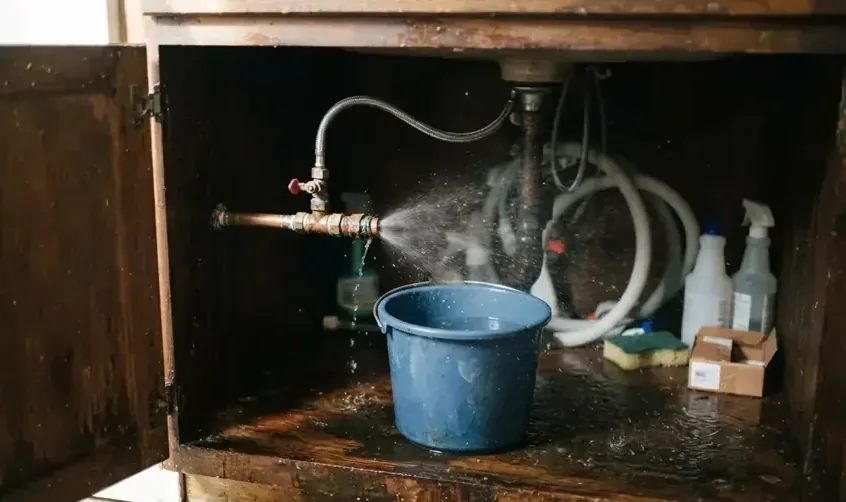
A pipe leak in Sahuarita creates separate tasks: stopping the supply, finding the failed plumbing, and recovering the rooms that got wet. The town does not provide drinking water. Identifying the property's supplier early helps direct the water service question while a plumber and restoration contractor address the building itself.
Key takeaways
- Find the supplier on the property's water account before reporting a service problem.
- Leave wet electrical areas alone and describe the hazard when requesting help.
- Photograph the failed connection and the water path before repairs conceal them.
- Ask for moisture checks behind affected trim and beneath adjacent flooring.
- Keep the plumbing repair record together with the drying measurements.
Locate the account that serves the property
Sahuarita Water Company supplies Rancho Sahuarita, Rancho Resort, Rancho Sahuarita Marketplace and the Town Center area using groundwater. A recent bill or account record gives an owner a practical starting point for contacting the supplier about service or an accessible shutoff.
A description of the problem makes that conversation more useful. The owner can report water emerging inside a room, a visible broken fitting, or a loss of supply after a valve was closed.
Those observations help separate the immediate household plumbing task from a question about the water service.
Anyone contacting help for another person should have permission to discuss the account and access the property. An absent owner can send a photograph of the bill to the person coordinating the response while keeping account details out of public posts and photographs.
- Locate the current bill or property manager's supplier record.
- Describe the visible leak location and whether water continues flowing.
- Note which shutoff was operated and what changed afterward.
Make the wet room safe before approaching the fitting
Water around an outlet, appliance connection or electrical panel changes the access plan. Occupants should remain outside that area and request qualified electrical assistance.
A valve is useful only when it can be reached and operated without entering an unsafe wet space.
A burst pipe cleanup assessment begins with the active source and the rooms it has reached. Water pouring through a ceiling, loose finishes and slippery flooring should be described during the first conversation so that the arriving professionals understand the access problem.
Once a safe approach is established, the plumber identifies the failed component and controls the release. The restoration contractor then evaluates the surrounding materials.
Keeping those responsibilities clear helps an owner understand why closing a valve and drying a wall require different work.
- Keep people and pets out of wet electrical areas.
- Avoid handling plugged in equipment on damp flooring.
- Leave swollen ceilings and loose wall finishes undisturbed.
Preserve the plumbing story while it is visible
A useful photograph shows the whole room before narrowing to the failed fitting. That wider view connects the pipe location with nearby cabinets, door openings and floor transitions.
A close image alone can leave a later reader unable to tell where the component was installed.
The repair record should describe what the plumber found, what was replaced and whether the water remained controlled afterward. If a removed piece is retained, it should be stored safely and identified so that it can be matched with the repair description and photographs.
The owner can add the discovery sequence in plain language: where water first appeared, what fixtures were operating and which rooms were wet on arrival. An observation written down promptly is easier to compare with material findings than an account reconstructed after the room has been cleared.
- Include wide views and clear close photographs.
- Keep the repair invoice with the component description.
- Label the affected rooms consistently across the record.
Follow the release beneath the visible puddle
A kitchen puddle can spread beneath a cabinet toe kick or cross under flooring into an adjoining room. Technicians inspect those edges and compare material readings with suitable dry references.
The goal is a usable map of affected layers, including places that no longer look wet.
During water extraction, accessible liquid is removed before the remaining moisture is managed. The crew records where water was recovered and whether removing a small piece of trim exposed another wet surface.
Findings can change the equipment and access plan.
Furniture and stored items deserve their own notes. A swollen cabinet base, damp carton and wet floor finish can require different decisions even when they touched the same release.
Photographs should show each item's condition before it is moved into a designated dry holding area.
Use measurements to decide what stays open
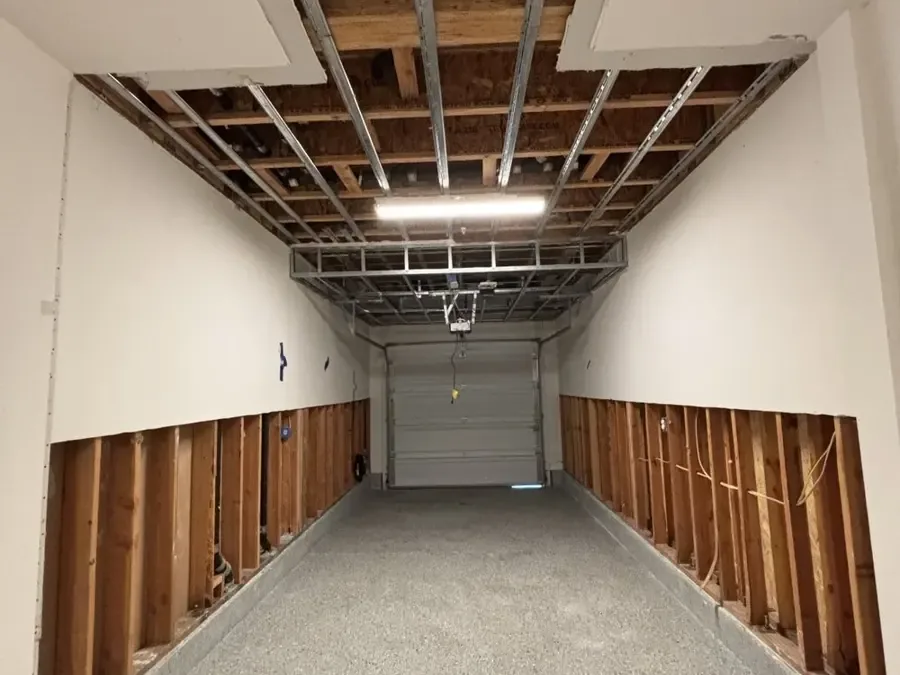
Closing a repaired pipe opening immediately can hide damp framing or backing material. The drying contractor evaluates those layers and explains which access points need to remain available.
Openings should have a purpose tied to inspection, liquid recovery or equipment access.
The structural drying plan sets monitoring locations that can be checked repeatedly. Readings taken at consistent points help show whether the wall base, flooring and cavity respond together or whether a concealed section needs a different approach.
An owner should receive an explanation when equipment placement changes. A slow cabinet base might need additional access, while a recovered room might no longer need the same airflow.
Decisions based on material response make the transition from active drying to repair easier to follow.
Describe the repair scope for the town
Sahuarita directs most alteration, replacement and repair work through permit assessment, with exemptions depending on the work. The owner or repair contractor should describe the actual plumbing and building changes when contacting the town.
A general label such as water damage leaves too much of the scope unstated.
A useful description identifies the failed pipe repair, any opened wall or ceiling and the finishes proposed for replacement. It also distinguishes retained material that was dried from material that must be rebuilt.
That detail helps the permit conversation stay connected to the planned work.
The project file should keep source correction and finish restoration as separate entries. A plumbing invoice can establish what happened at the fitting, while the drying report describes the wet building materials.
Both records help the next trade prepare without guessing which tasks remain.
Prepare the handoff before equipment leaves
The final walkthrough should return to the original room map. Technicians can identify the material checked at each location, show the final condition and point out any area awaiting reconstruction.
The owner should be able to match those explanations with the photographs taken at discovery.
Any remaining restriction should be specific to a room or item. A cabinet awaiting replacement, an electrical concern awaiting clearance and a finish opening awaiting repair should each have a named next action.
Clear ownership prevents an unresolved task from disappearing between trades.
Keep the water account information available until the source and service questions are settled. The completed file then brings together utility correspondence, plumbing findings, moisture records and repair scope.
That organization supports future maintenance as well as later assessment of the loss.
Questions
Does the town supply drinking water?
Separate providers supply local properties. The supplier shown on the household account is the appropriate starting point for a water service question, while an indoor plumbing failure needs attention at the building.
Can cleanup begin before a wall is repaired?
Inspection and drying commonly require access to the wet layers around a plumbing opening. The contractor should explain the access needed and document material conditions before the repair trade closes the surface.
What should an absent owner send first?
Permission for access, the property contact and a short account of the discovery help organize the visit. Photographs of the wet rooms and the supplier information can follow through a private communication channel.
Why check beyond the room with standing water?
A release can pass under trim and floor coverings. Measurements at adjoining surfaces help identify a wet edge that is larger than the puddle visible when the contractor arrives.
Does a repaired pipe mean the job is finished?
Source correction stops additional supply water. Retained walls, flooring and contents still need their condition assessed, with drying or replacement tasks recorded separately before the room is restored.