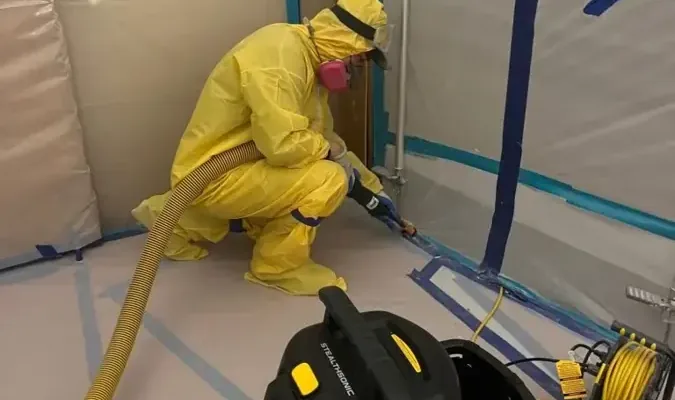
The Pima County Regional Wastewater Reclamation Department serves Corona de Tucson. When sewage appears indoors, the homeowner has an immediate room safety problem and a separate drainage question to report. A useful response keeps those tasks connected through photographs and observations while preventing traffic through the contaminated area.
Key takeaways
- Keep occupants and pets away from sewage and the surfaces it touched.
- Report the fixtures involved and any continuing rise in water.
- Document the indoor exposure boundary before contents are removed.
- Keep wastewater correspondence separate from the room cleaning record.
- Examine cleaning and retained material checks before rebuilding finishes.
Describe what emerged and where it appeared
The first report should identify the affected fixture and the rooms reached by the overflow. A bathroom floor, adjoining hallway and closet may each need their own entry in the record.
The caller should state whether water is still rising and whether other drains are showing a problem.
The county wastewater department is a relevant contact for a system question in this unincorporated community. The owner can provide the property details privately and describe the observed symptoms.
A plumbing professional can inspect the building drainage while the restoration contractor assesses the exposed interior.
Avoid operating additional fixtures to test the problem during an active backup. A useful report can rely on what has already happened: the fixture in use, the first sign of overflow and any change after use stopped.
Those details support the investigation without adding to the release.
- Name each fixture showing a backup.
- Record whether the overflow continues after fixture use stops.
- Describe affected rooms and access hazards separately.
Establish a boundary around contaminated surfaces
Sewage contact changes the handling of floors, contents and equipment. Occupants should stay outside the affected space and avoid carrying wet belongings into clean rooms.
A door or other clear boundary can help household members understand which area is unavailable while the contractor organizes the response.
The sewage cleanup assessment considers the water route, material condition and safe work access. Wet electrical equipment and unstable finishes should be reported before anyone enters.
The contractor can then plan protective measures and a controlled path for removal.
A shared bathroom may leave a household with an immediate access problem. That need should be raised during the initial discussion so the work plan accounts for occupied areas.
Any route through the building should avoid spreading residue onto dry flooring or belongings.
- Keep children and pets outside the work area.
- Leave contaminated items in place until handling is planned.
- Avoid contact with wet electrical devices or cords.
Photograph contact with each material type
A wide view establishes the room layout, while closer photographs show where sewage touched wall bases, cabinets and flooring. The distinction matters because different materials may need different treatment.
A single picture of the overflowing fixture cannot describe the full indoor cleanup scope.
Soft contents and porous finishes should be identified before disposal decisions are made. The contractor can record the item, its location and the observed exposure.
The owner should receive a clear explanation of what can be cleaned and what requires removal based on that assessment.
If water moved beneath a door or into a closet, the record should follow it there. Lower shelves, cartons and stored fabrics may be affected beyond the main puddle.
A sketch linking those areas helps the crew and owner follow the same boundary as contents are moved.
- Take room views that show the route from the fixture.
- Identify affected floor coverings and lower wall finishes.
- Record contents before controlled removal or relocation.
Keep drainage findings distinct from exposure findings
The drainage professional investigates why wastewater returned through the fixture. The cleanup team records what the release contacted after entering the room.
Those are different questions, and both deserve a clear written answer rather than a single general statement that the bathroom was repaired.
A report to the Pima County Regional Wastewater Reclamation Department should preserve the department's response and any next action. The owner can store that correspondence beside the plumber's findings.
The source correction record should identify the work completed before normal fixture use resumes.
For a release confined initially to the toilet, the toilet overflow cleanup page explains the surrounding bathroom assessment. The physical boundary may expand as trim or floor edges are inspected.
New findings should be added to the exposure record as they appear.
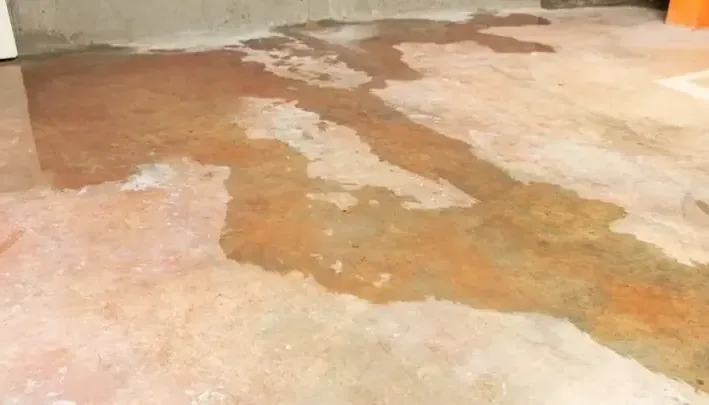
Complete controlled removal before drying the remainder
Sewage residue and affected materials need an organized handling sequence. The contractor first establishes access and removal controls, then addresses liquid and contaminated surfaces.
Equipment used for drying retained layers should fit that sequence so that unresolved contamination is not overlooked.
The removal record should distinguish contents from building material. A damaged cabinet base and a stored carton may leave the room through the same route but belong in different parts of the repair file.
Clear descriptions help the owner understand both disposal and reconstruction decisions.
Retained surfaces require appropriate cleaning before the drying phase is evaluated. The contractor should explain which layers remain, what cleaning was completed and which areas still need access.
An owner should be able to follow that explanation without having to infer it from the equipment left in the room.
Monitor the wall base and adjoining floor
After liquid recovery, moisture may remain behind trim or within a floor assembly. Structural drying follows the retained materials using repeatable measurement locations.
The record should connect each reading with a room, surface and position so that later checks are comparable.
An adjoining hallway may need attention even when it never held a deep puddle. Water can cross a threshold and reach the edge of a covering before the overflow is noticed.
Inspection of those transitions helps prevent a narrow bathroom estimate from missing a connected wet layer.
The contractor can explain any adjustment to equipment or access during monitoring. A slow wall cavity, a removed vanity and a recovered floor area each change the practical layout of the work.
Updates should identify the reason for the change and the next material check.
Close the room with a complete task list
Before the bathroom returns to use, the owner should confirm the drainage correction and the interior cleanup as separate completed tasks. The file should show what was removed, how retained surfaces were handled and what material checks support the move to finish repair.
Any remaining restriction should be explicit.
A repair contractor needs the final room dimensions, exposed layer photographs and a list of finishes awaiting replacement. The same room labels used at discovery should continue into the repair description.
This avoids confusion when the cleaned room looks very different from the original photographs.
Keep future maintenance questions with the responsible plumbing or wastewater contact. The restoration handoff should identify its own completed work and the contact responsible for unresolved drainage concerns.
A short, specific action list makes the final conversation more useful than a general assurance that everything has been handled.
Questions
Which wastewater department serves the community?
The Pima County Regional Wastewater Reclamation Department serves the area. A report should include the property details and the fixtures showing symptoms so the department can address the service question presented.
Should household members move wet bathroom contents?
The safest practical step is to keep people outside the affected space until controlled handling is arranged. Moving contaminated belongings through occupied rooms can enlarge the cleanup area and complicate the contents record.
Why preserve a photograph before removing a vanity?
The image connects the cabinet's condition with its original position and the overflow route. That context helps explain the removal decision and gives the repair contractor a clearer account of the affected assembly.
Does stopping the backup complete the cleanup?
Correcting the drainage problem addresses the source. Exposed surfaces and retained building materials still require their own assessment, cleaning decisions and moisture checks before the interior work is finished.
What belongs in the closing file?
The most useful packet combines the fixture report, drainage findings, exposed material photographs and final interior task list. It should also identify any remaining finish work and the contact responsible for that repair.