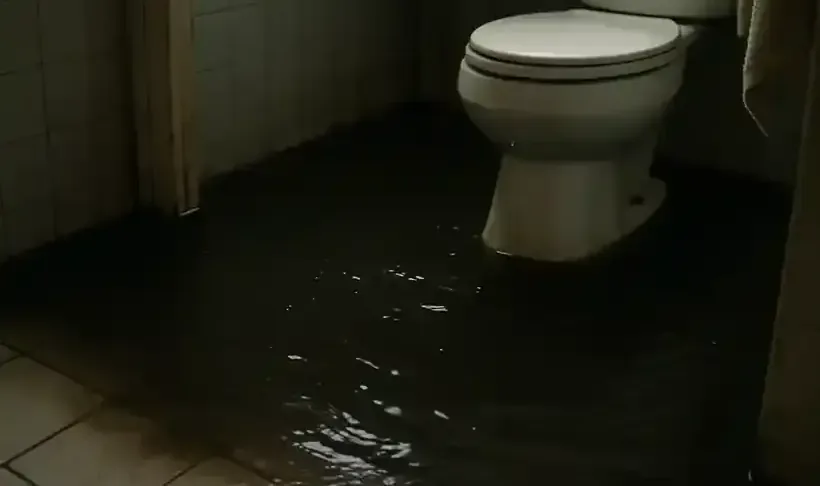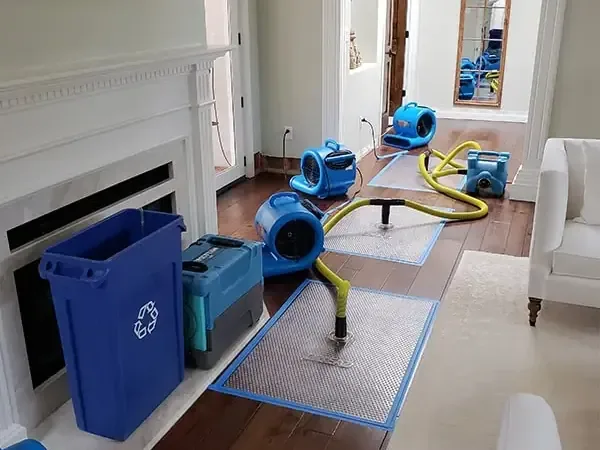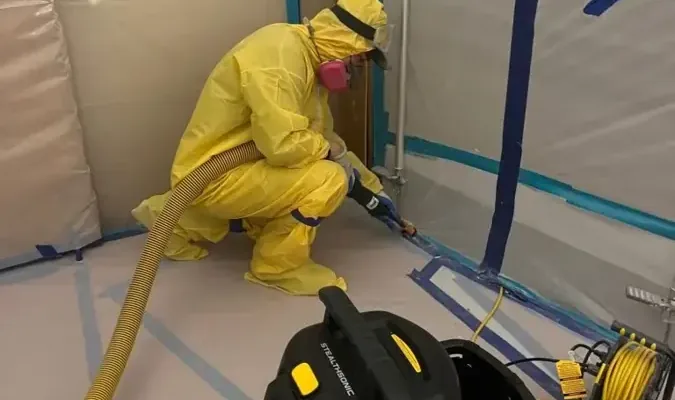
When wastewater recedes, the contamination boundary can remain. A drain may look normal again while nearby carpet, wall bases or stored contents still require treatment. Corona de Tucson sewage restoration should preserve that distinction and address every reached surface through a controlled cleanup scope.
Coordinate the backup investigation with local wastewater service
The Pima County Regional Wastewater Reclamation Department serves Corona de Tucson. A reported backup needs information about the affected property and fixture behavior so the cause can be investigated. The restoration assessment separately records the interior exposure, avoiding a premature assumption about which component or part of the drainage system failed.
South Houghton Road, Vista Monte Drive and Forrest Feezor Street provide useful corridor references for locating a request. Describe the safe entrance and whether wastewater blocks ordinary access. That practical information matters before equipment, workers or damaged materials move through the building.
- Wastewater beneath a floor covering can require access even after the open surface has stopped looking wet.
- Contaminated contents should remain separated from clean rooms until their handling and treatment have been planned.
- A recurring backup can recontaminate completed work, making source correction essential to the overall cleanup sequence.
- The cleanup record should identify which porous layers were removed and which exposed surfaces were cleaned before drying began.
Explain removal choices before repairs are priced
Material composition and exposure determine what can remain. A solid cleanable surface differs from saturated padding or damaged wallboard. The estimate should explain these decisions and the waste route. A smaller fixture event can be reviewed through toilet overflow cleanup, while a broader backup needs its full affected boundary documented.
Drying follows the contamination work
Structural drying addresses moisture remaining in cleaned retained materials. It should not obscure the earlier need for controlled removal and surface treatment. The final report should make those stages understandable, with photographs and readings showing the condition of areas that will later be hidden by trim, flooring or wall finishes.
Keep the source investigation findings alongside the restoration record. That combined account helps the next trade proceed with repairs and gives the owner a clearer basis for recognizing any new wastewater event.
- Flood safety: Ready.gov flood precautions
- Cleanup guidance: EPA flooded-home cleanup information