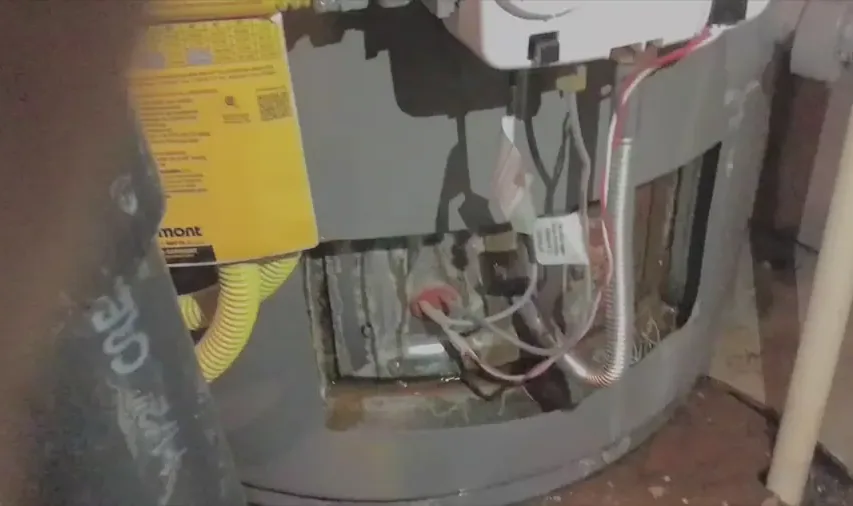
Pima County publishes water heater replacement guidance for properties such as those in unincorporated Vail. A leaking heater creates a practical overlap between equipment work and building recovery: the tank needs attention, but its position may hide a wet wall or floor. Planning those tasks together keeps the replacement from covering material that still needs inspection.
Key takeaways
- Report a leaking heater along with any wet electrical connections or unsafe access.
- Photograph the tank area and the water route before equipment removal.
- Coordinate replacement access with inspection of the floor and wall behind the unit.
- Use county replacement guidance when preparing the equipment work.
- Keep final drying records alongside the new installation paperwork.
Look beyond the base of the leaking tank
Water around a heater can run toward a doorway, beneath stored items or into the lower wall. The inspection should follow those paths before boxes and equipment obscure the original condition.
A wide photograph helps show how the unit, wall and floor relate to one another.
A water heater leak cleanup visit evaluates the source area and the surrounding materials. The owner can describe whether the water was noticed beneath the tank, at a connection or farther into the room.
That account helps the plumber and restoration contractor start with the same observations.
A wet electrical connection or unsafe route to the heater should be reported immediately. Occupants should avoid touching equipment or valves that cannot be reached safely.
The equipment professional can establish source control while the cleanup team plans its access to the affected building surfaces.
- Show the tank and surrounding floor in the first photographs.
- Identify adjoining rooms reached by water.
- Keep people away from wet electrical equipment.
Preserve useful information before the heater moves
Removal of the unit can change the scene considerably. The owner should keep the plumber's description of the failed component and photographs taken before disconnection.
Any identification relevant to replacement belongs in the equipment record, where it can be matched with the later installation details.
Stored belongings near the heater need an inventory as well. A damp carton against the wall can conceal a wet floor edge that is otherwise easy to overlook.
The contractor should record the condition of those items before relocation and designate an appropriate holding space.
The discovery account can be brief and factual. It should state where water first appeared, whether the heater was still operating and what action was taken to control the release.
Later source findings can be added without rewriting the original observations.
- Keep the plumber's failure description with the photographs.
- Record contents touching the wet floor or wall.
- Note source control actions in the order they occurred.
Use replacement guidance for the actual installation
Vail is an unincorporated community in Pima County. County building permit applications use the Pima County Permit Gateway, and an account is needed to apply through that system.
The installer can use the county's heater replacement guidance to prepare the particular scope of work.
The project description should explain the proposed equipment change and any surrounding repair. If a wet platform, wall finish or connection requires additional work, that detail should be included in the discussion.
The installer and owner can then coordinate the applicable permit process before the work is closed.
Keep permit correspondence with the equipment paperwork instead of mixing it into a general cleanup invoice. The drying report serves a different purpose: describing the materials affected by the release and their condition during recovery.
Separate records make both parts of the project easier to understand.
- Describe the replacement and any associated building repair.
- Have the installer check the county's heater information.
- Retain application and installation records together.
Schedule access to the wall and floor behind the unit
The best opportunity to inspect a concealed surface may occur after the old heater is removed and before the replacement is placed. The trades should discuss that interval in advance.
A clear access plan allows the restoration contractor to check the exposed floor and lower wall without delaying a visit unexpectedly.
If accessible liquid remains, water extraction reduces the load before the remaining materials are dried. A raised support, floor covering or cabinet enclosure may create additional edges to inspect.
The contractor should explain what is visible and which layers need further access.
A temporary interruption to normal hot water use needs practical coordination with the household. The owner can discuss the sequence with the installer and drying contractor before equipment arrives.
The goal is a workable schedule that gives both the replacement and material assessment the access they require.
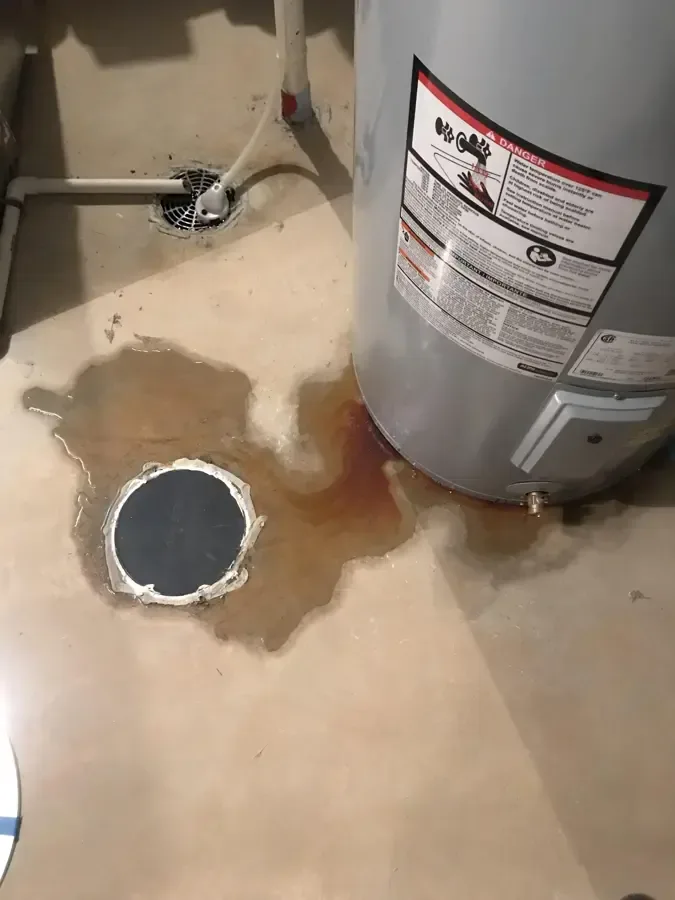
Measure the surrounding assembly before concealing it
The heater footprint, nearby wall bases and supporting floor layers all need a moisture check before replacement equipment covers the area. Technicians compare affected surfaces with suitable references and record the locations checked.
Wall bases, floor edges and any support material should each be identified when they are part of the loss.
The structural drying service follows retained materials as they respond to equipment. A slow area may require changed airflow or additional access.
The explanation should connect that decision to the measured material rather than simply extending the equipment rental period.
The replacement schedule should account for any location that will become difficult to reach again. Before the new unit or surrounding finish covers that spot, the responsible contractor should document its condition.
A photograph and a labeled measurement can preserve a useful record of the concealed surface.
Match water service questions to the property account
Vail Water Company is a private utility serving customers in the community, and it blends Central Arizona Project water with groundwater. If the heater incident also raises a water service question, the owner should check the actual supplier on the property account before making that report.
The utility conversation should stay specific to the service concern, such as a shutoff question or interrupted supply. The equipment installer handles the heater diagnosis and replacement.
Keeping those conversations distinct helps the homeowner direct each question to the party doing the relevant work.
A property manager coordinating the incident can maintain a short contact list with the installer, drying contractor and supplier. Each entry can state the unresolved task and the best way to arrange access.
That is especially useful when different professionals visit on different days.
Finish with equipment and room records side by side
The completed equipment file should identify the installation work and any inspection paperwork. The room recovery file should identify removed finishes, retained layers and final moisture observations.
Placing those records together gives the owner a complete account of the event without treating them as interchangeable.
A closing walkthrough can follow the original water route from the heater to the farthest affected surface. The contractor should point out any remaining floor or wall repair and explain who is expected to complete it.
Stored belongings should return only after their condition and the holding area's purpose are resolved.
Photographs of the restored access space can help with future maintenance. The owner should keep the heater area accessible according to the installer's instructions and retain the source findings for reference.
A clear closeout makes the next inspection easier to arrange and the previous work easier to understand.
Questions
Where can the installer find local replacement information?
Pima County publishes water heater replacement guidance within its building permit information. The installer should apply that information to the proposed work and handle any required application through the county's Permit Gateway.
Why coordinate the old heater's removal with drying?
Moving the unit may expose a floor or wall area that could not previously be inspected. Scheduling that access allows the restoration contractor to evaluate the surface before the new equipment occupies the same space.
Should a homeowner move the tank to inspect underneath?
Equipment handling belongs with the professional responsible for the heater. The owner can preserve photographs and describe the visible water while avoiding unsafe contact with connections or wet electrical components.
Can wet storage boxes be returned immediately?
Contents should be assessed before they go back beside the heater. Their condition and the moisture status of the surrounding surfaces determine how they are handled and where they can be stored during the remaining work.
What shows that the room work is complete?
The closing material record should explain which layers remained, what was removed and how the final condition was checked. Any finish reconstruction still outstanding should be assigned separately from the completed heater installation.