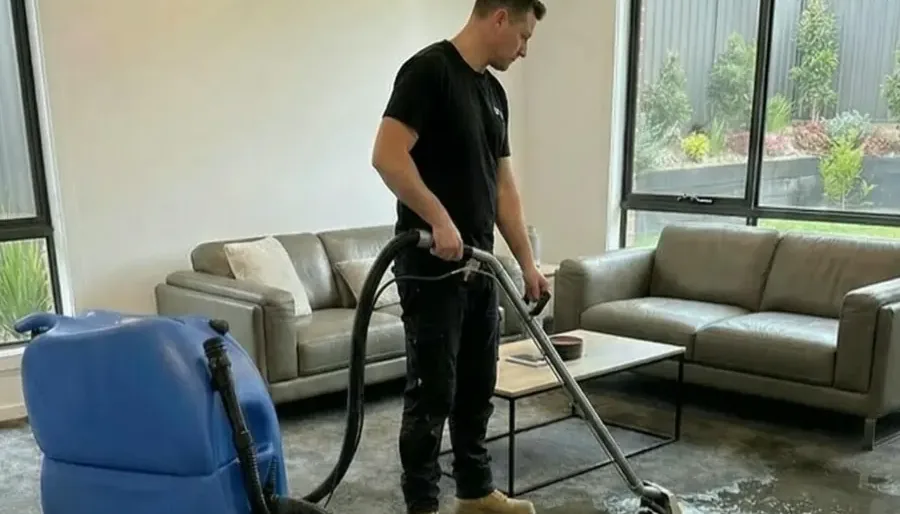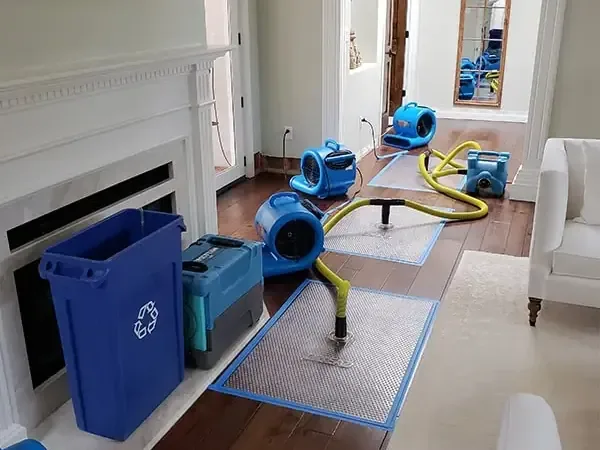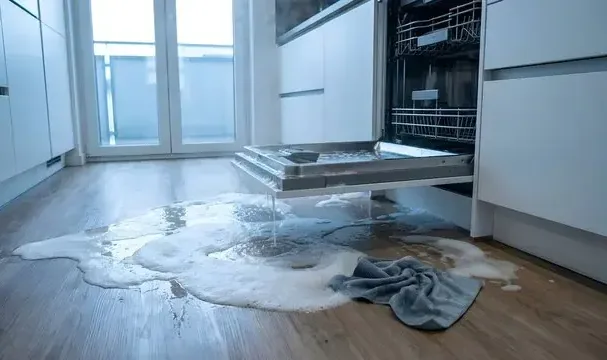
When the tank area becomes wet

Water Heater Leak Cleanup in Vail

A tank leak can reach far beyond the appliance footprint. Cleanup examines the utility area, wall edges and adjoining storage after the equipment has been made safe by appropriate professionals.

(888) 949-8496Assess the water around the tank
Appliance safety first Adjacent materials checked Replacement work coordinated
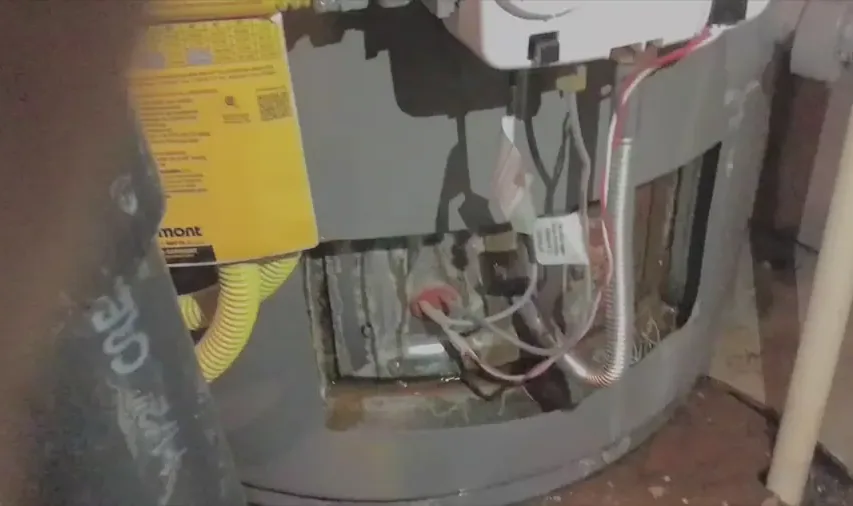
Open lower access panel exposing components inside a tank water heater
Immediate priorities

Water Heater Leak Cleanup: first steps

  1. 1

    Keep away from wet energy connections

    A heater may involve electrical or fuel connections near the leak. Occupants should avoid touching wet controls or approaching unsafe equipment and arrange appropriate professional assessment before the appliance is handled or moved.

  2. 2

    Describe the source without testing the appliance

    Mention visible tank wetting, drips at connections and water on nearby surfaces. Restarting equipment or manipulating unfamiliar valves can complicate the situation, so the actual source should be evaluated by a qualified professional.

  3. 3

    Inspect storage from a dry position

    Boxes, shelves and items resting on the floor can conceal the extent of a spill. Photograph visible contact and identify contents that need attention without moving wet belongings through otherwise unaffected rooms.

  4. 4

    Coordinate the replacement and cleanup sequence

    If the tank must be removed, access may expose additional wet flooring or wall surfaces. The appliance work and restoration plan should account for that opportunity before a replacement blocks the area again.

Assessment and control

How water heater leak cleanup is handled

Rapid local response

The response team prioritizes active water movement and unsafe access. The first assessment separates source control from extraction, so a stopped leak does not leave hidden wet materials untreated.

IICRC S500 drying standard

The drying specialist sets a material-specific goal using unaffected reference readings. Airflow and dehumidification follow the evaporation load, with equipment adjusted when the daily measurements show a change.

Claim-ready documentation

The project file records the water source, affected rooms, material condition and work performed. Photographs and moisture logs let the owner and insurer examine the scope without relying on a dry-looking surface.

Local water experts

The site assessment checks the building actually affected, including access restrictions and shared assemblies. The restoration contractor distinguishes cleanup from plumbing, roof or equipment repair before recommending the next step.

Planning the cleanup

What does water heater leak cleanup cost in Vail, AZ?

Water heater leak cleanup in Vail depends on where the spill traveled and what blocks access around the appliance. The restoration estimate should separate extraction, wet material handling and drying from heater repair or replacement. Hidden saturation behind storage or wall finishes can expand the necessary work.

A contained tank-area spill

$800 to $1,800
  • Open utility floor
  • Limited contents exposure
  • Nearby perimeter checks

Water beyond the utility area

$1,800 to $5,000
  • Adjoining room assessment
  • Stored belongings handling
  • Multiple wet finishes

Extensive hidden saturation

$5,000 to $11,000+
  • Obstructed wall access
  • Layered flooring evaluation
  • Broader drying requirements

Category, wet square footage, material class and the delay before drying determine the scope. Repairing the source and replacing finishes may add separate charges. Compare the assumptions with the water damage cost calculator.

Work sequence

Water Heater Leak Cleanup process

The crew records the starting condition, adjusts the equipment and verifies the result.

  1. 1

    Establish equipment safety and the leak status

    The first assessment identifies whether the appliance remains a source of water and whether energy connections affect access. Repair or replacement responsibilities are clarified with the appropriate professional. Restoration planning then begins around a safe work area rather than treating the wet floor as an isolated housekeeping task.

  2. 2

    Follow the spill beyond the heater footprint

    The inspection checks nearby wall bases, storage zones and thresholds leading into other rooms. Water may pass under shelving or behind a raised platform before becoming visible elsewhere. Mapping those paths helps define the cleanup boundary and highlights areas that may become accessible only after the appliance is removed.

  3. 3

    Recover water and prepare surrounding materials

    Accessible water is extracted while contents and damaged finishes are evaluated. If tank removal exposes wet surfaces, the restoration scope is updated to include them before replacement work closes access. Retained materials receive a drying arrangement suited to the room, with attention to corners and surfaces obstructed during the initial visit.

  4. 4

    Verify the area before normal storage resumes

    Moisture checks track the wall and floor materials around the appliance space. The completion assessment identifies any remaining finish repairs and distinguishes them from the equipment installation. Returning boxes or shelving should follow the condition of the dried area so stored contents do not conceal a remaining damp perimeter.

EquipmentArrange safe source control
SpreadCheck behind stored contents
AccessCoordinate tank removal
FinishDry before restocking

A heater replacement can make the utility area look repaired while moisture remains in its surroundings. Water may have collected beneath storage, behind a platform or at the base of a dividing wall. Cleanup should address those spaces before the new appliance and household contents restrict access again.

Keep the appliance work distinct from material recovery

Pima County publishes water heater replacement information in its building permit materials. For a Vail property, replacement coordination should include the applicable county process while the restoration scope describes wet finishes and contents. These tasks are related, but their completion is measured in different ways.

Houghton Road, Lava Peak Road and Rancho Del Lago Golf Course are useful references when arranging property access. Inside the building, the heater location and adjoining room layout determine where the inspection starts. The equipment professional handles the failed appliance while the cleanup assessment follows the water already released.

Use newly available access carefully

Removing a tank may reveal a wet surface that could not be reached during the initial inspection. That is the point to evaluate the exposed floor and wall rather than immediately hiding them behind a replacement. The findings can change the drying arrangement or reveal damaged material that needs removal.

  • Storage resting directly on a wet floor can hold moisture against otherwise reachable surfaces.
  • Water passing beneath a doorway may affect a different floor finish in the adjoining room.
  • A wall shared with the utility area can need checks on its opposite side.

Finish with a dry space as well as working equipment

Water extraction addresses accessible pooling before the retained materials are dried. Where the spill entered concealed assemblies, structural drying provides a plan for those remaining layers. The scope should explain each task and its relationship to the replacement schedule.

The final assessment should cover the area behind and beside the heater, not just the floor in front. A clear record of material conditions and outstanding finish repairs helps the owner return storage to a space that has been assessed beyond the appliance installation itself.

Practical answers

Water Heater Leak Cleanup questions in Vail, AZ

Is water near the heater always a failed tank?

The source may be the tank or a nearby connection, and it needs professional assessment. The cleanup plan should use that finding while also examining the surrounding water path. Identifying the appliance problem and restoring affected materials are separate decisions within the same loss.

Should wet controls be touched to shut the appliance down?

Wet controls and nearby energy connections require caution and appropriate professional help. Occupants should avoid approaching equipment through standing water or manipulating unfamiliar components. Safe source control comes before appliance handling, and the restoration assessment should begin with the equipment's safety status clearly established.

Does a replacement heater finish the water damage work?

Replacement addresses the appliance, while surrounding walls, flooring and contents may still be wet. Those materials need inspection and suitable drying. The restoration scope should account for surfaces exposed during removal so the replacement does not cover an area that still needs attention.

Why are stored boxes part of the inspection?

Boxes can absorb water, hide the spill boundary and hold moisture against floors or walls. Their condition may also affect how they can be moved safely. Contents assessment helps create access for cleanup and prevents wet storage from returning to an area before its condition is assessed.

Who addresses replacement permit questions?

Pima County publishes water heater replacement information through its building permit materials. The equipment replacement professional and property owner should coordinate the applicable process. The cleanup record separately describes extraction, material handling and drying so appliance installation questions do not obscure the interior restoration needs.

What should be checked before shelving is put back?

The floor, nearby wall bases and any previously hidden surfaces should be assessed against the drying plan. Remaining finish repairs also need to be identified. Replacing shelves too early can restrict access or conceal damp material, so the return of storage should follow the completion assessment.

Service area

Water heater leak cleanup coverage

Vail, AZ

Heater leak cleanup serves the Vail community, with property access discussed around references such as Colossal Cave or Rex Molly Road. Appliance safety and surrounding water spread set the priorities.

The same service nearby: water heater leak cleanup in Sahuarita, Corona de Tucson, Green Valley.

Water damage restoration in Vail · every town covered

24/7 water damage dispatch

Restore the space around the replacement

A coordinated assessment can use available access to check wet walls and flooring before a new tank, shelving or stored contents cover the affected surfaces again.

(888) 949-8496Plan the utility area cleanup
(888) 949-849624/7 dispatch