Assessment above the occupied room

Ceiling Leak Water Damage in Drexel Heights

A ceiling stain shows where water became visible, not necessarily where it entered. Safe assessment follows the overhead assembly while keeping occupants clear of weakened material below.

(888) 949-8496Discuss the overhead damage
Clear area below Source investigation Ceiling cavity assessment
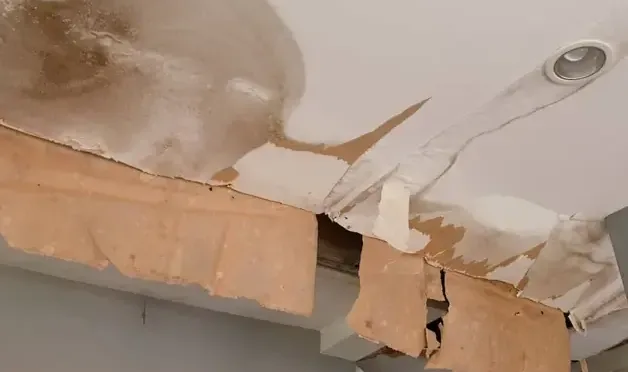
Torn and sagging ceiling drywall with visible water staining around the opening
Immediate priorities

Ceiling Leak Water Damage: first steps

  1. 1

    Clear the space underneath

    Keep people, pets and movable belongings away from sagging or bulging ceiling material. Avoid reaching upward to press on the surface or placing a container where doing so requires standing beneath unstable drywall.

  2. 2

    Respect nearby electrical equipment

    Water around ceiling lights, fans or other powered fittings needs qualified evaluation. Leave switches and wet fixtures alone, and describe their location when arranging help for the affected room and overhead assembly.

  3. 3

    Observe from a dry doorway

    Note the shape of the stain, active dripping and any spreading along a joint. Safe photographs can document changes without entering the fall area or probing a weakened panel for the source.

  4. 4

    Report activity above the room

    Mention recent fixture use, a known plumbing leak or rain occurring around discovery. These details focus the investigation on the path above the ceiling, where water can travel along framing before reaching the visible mark.

Assessment and control

How ceiling leak water damage is handled

Rapid local response

The response team prioritizes active water movement and unsafe access. The first assessment separates source control from extraction, so a stopped leak does not leave hidden wet materials untreated.

IICRC S500 drying standard

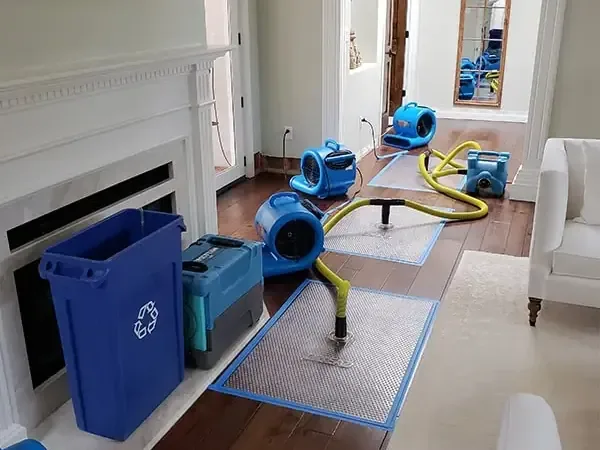
The drying specialist sets a material-specific goal using unaffected reference readings. Airflow and dehumidification follow the evaporation load, with equipment adjusted when the daily measurements show a change.

Claim-ready documentation

The project file records the water source, affected rooms, material condition and work performed. Photographs and moisture logs let the owner and insurer examine the scope without relying on a dry-looking surface.

Local water experts

The site assessment checks the building actually affected, including access restrictions and shared assemblies. The restoration contractor distinguishes cleanup from plumbing, roof or equipment repair before recommending the next step.

Planning the cleanup

What does ceiling leak water damage cost in Drexel Heights, AZ?

Ceiling leak cleanup in Drexel Heights depends on overhead access, material stability and moisture inside the assembly. A small surface stain and saturated insulation require different work. The estimate should separate source correction, cleanup, drying and the finish repairs needed afterward.

A limited ceiling patch

$800 to $1,800
  • Localized panel assessment
  • Accessible wet edge
  • Focused drying access

A wet room ceiling

$1,800 to $4,500
  • Wider overhead inspection
  • Affected insulation handling
  • Room protection needs

Several affected assemblies

$4,500 to $10,000+
  • Connected cavity wetting
  • Multiple repair openings
  • Expanded drying coverage

Category, wet square footage, material class and the delay before drying determine the scope. Repairing the source and replacing finishes may add separate charges. Compare the assumptions with the water damage cost calculator.

Work sequence

Ceiling Leak Water Damage process

The crew records the starting condition, adjusts the equipment and verifies the result.

  1. 1

    Establish safe limits beneath the ceiling

    The first assessment considers sagging, water accumulation and electrical fixtures before deciding how close anyone can work. The occupied area below may need isolation and protection. Access planning accounts for falling material and the route for removing debris without carrying wet fragments through unaffected rooms unnecessarily.

  2. 2

    Trace moisture above the visible mark

    The stain is compared with accessible conditions in the cavity and any source information from plumbing or roof evaluation. Water can move along framing before reaching drywall. Mapping that path helps determine how far inspection and drying need to extend beyond the section that first caught the owner's attention.

  3. 3

    Remove unsound layers with control

    Material that cannot safely remain is removed through a planned opening. Wet insulation and adjacent panels receive their own condition assessment rather than being left because the central stain was small. The opening should provide meaningful inspection and drying access while documenting the layers that will need replacement.

  4. 4

    Dry retained framing and record the handoff

    Equipment is arranged for the exposed wet materials and monitored with repeat readings. Before the ceiling is closed, the record should identify the drying result, source repair status and any remaining concerns. Finish reconstruction can then proceed with a clear understanding of the assembly rather than just the visible room surface.

Warning signSagging overhead material
Safe approachStay outside fall area
InspectionTrace water above
Repair stepDry before closing

A ceiling can hide water until a seam darkens or a panel begins to droop. The immediate decision is about safe access below that material. Source diagnosis and cleanup follow once the affected room has an appropriate working boundary.

The stain and the source may be separated

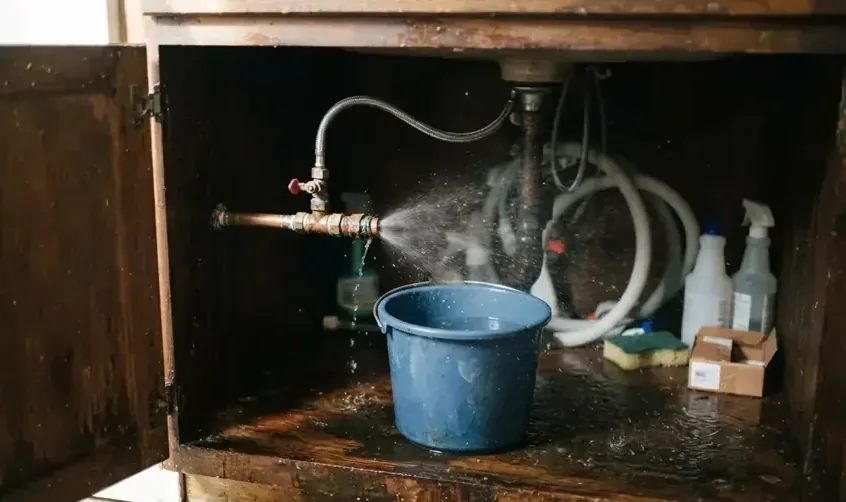
Water can follow framing or a pipe before reaching a ceiling panel. A bathroom above the room, a concealed supply connection or an upper weather opening may each require a different repair professional. Describing the timing and nearby activity helps the investigation start in the right assembly.

Drexel Heights Community Center offers meeting and event rooms. In any occupied space, overhead water damage calls for a clear decision about room access. The same practical issue applies at a home: a hallway or bedroom may need to remain unavailable while unstable ceiling material is assessed.

Inspect the layers that a paint coat conceals

Staining can remain after a material dries, but a pale surface can also hide a wet cavity. The assessment distinguishes appearance from moisture content. Framing, insulation and the back of adjacent panels may require attention even when only a small section of the room ceiling looks damaged.

  • Bulging panels should remain undisturbed until controlled access and falling material risks are addressed.
  • Drips near an electrical fitting require additional caution around the fixture and its controls.
  • Water along a ceiling joint can indicate travel beyond the most obvious stained patch.

Make the room repair follow the cavity assessment

San Joaquin Avenue and Westover Avenue are useful local reference points when arranging a visit. More useful for the job itself are the ceiling height, room use and safe route to the affected space. Describe those conditions without climbing into an attic or opening a wet ceiling independently.

If the investigation points to upper weather entry, roof leak cleanup addresses that moisture path. A supply release may instead need pipe damage restoration. Either way, the ceiling should receive repairs only after the source and retained wet layers have been addressed together.

Practical answers

Ceiling Leak Water Damage questions in Drexel Heights, AZ

Should a bulging ceiling be punctured?

A bulge may contain water and weakened material that can fall unexpectedly. Keep the space below clear and arrange qualified assessment instead of puncturing it. Controlled release or removal requires planning for electrical concerns, falling debris and the condition of the surrounding ceiling assembly before work begins.

Can the source be somewhere beyond the stain?

Yes. Water can move along framing, piping or the upper surface of a panel before appearing in the room. The source investigation should follow that route where access allows. Restricting inspection to the visible stain can leave a wet section of the cavity untreated nearby.

Does every stained ceiling need replacement?

No. Condition and moisture measurements determine whether a panel can remain. Sagging, loss of integrity and inaccessible wet layers can change that decision. The assessment should explain which materials need removal and which can be dried, rather than treating the color of the stain as the only test.

What if water reaches a light fixture?

Keep clear of the affected fixture and avoid operating its controls. Qualified electrical evaluation may be necessary before access or cleanup can proceed safely. Tell the assessor which fittings are involved and whether dripping continues, using observations from a safe location outside the wet area below.

Why inspect insulation above the ceiling?

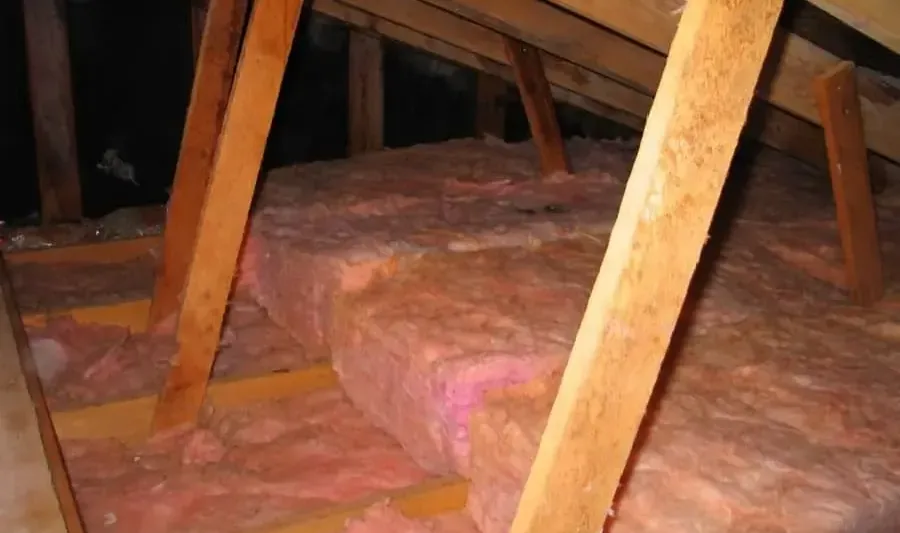
Insulation can retain moisture against other materials and obstruct drying within the cavity. Its type, saturation and condition affect whether it can remain. Examining that layer helps explain the access and removal scope instead of closing the ceiling after addressing only the panel visible from the room.

When can the ceiling receive a new finish?

Finish repairs should follow source correction and verification that retained materials meet the drying targets. The repair professional also needs to know what was removed and what remains exposed. A completion record connects those decisions so patching and painting do not conceal an unresolved wet assembly overhead.

Service area

Ceiling leak water damage coverage

Drexel Heights, AZ

Ceiling damage visits cover Drexel Heights properties, including requests around San Joaquin Avenue. Describe active dripping, unstable panels and whether the room can be approached without passing underneath damage.

The same service nearby: ceiling leak water damage in Sahuarita, Valencia West, Corona de Tucson.

Water damage restoration in Drexel Heights · every town covered

24/7 water damage dispatch

Resolve the wet cavity before patching

The next step should account for the material above the ceiling as well as the surface below. A clear assessment explains access, drying and the remaining finish work.

(888) 949-8496Arrange an overhead assessment
(888) 949-849624/7 dispatch