Interior recovery after roof entry

Roof Leak Water Damage in Drexel Heights

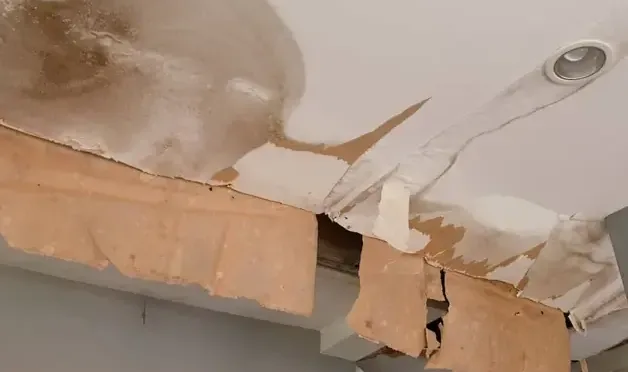
Rain entering above a room can follow an indirect route through the building. Interior cleanup examines that route while roof repair addresses the opening allowing water inside.

(888) 949-8496Trace the roof water path
Upper assembly assessment Insulation decisions Interior drying plan
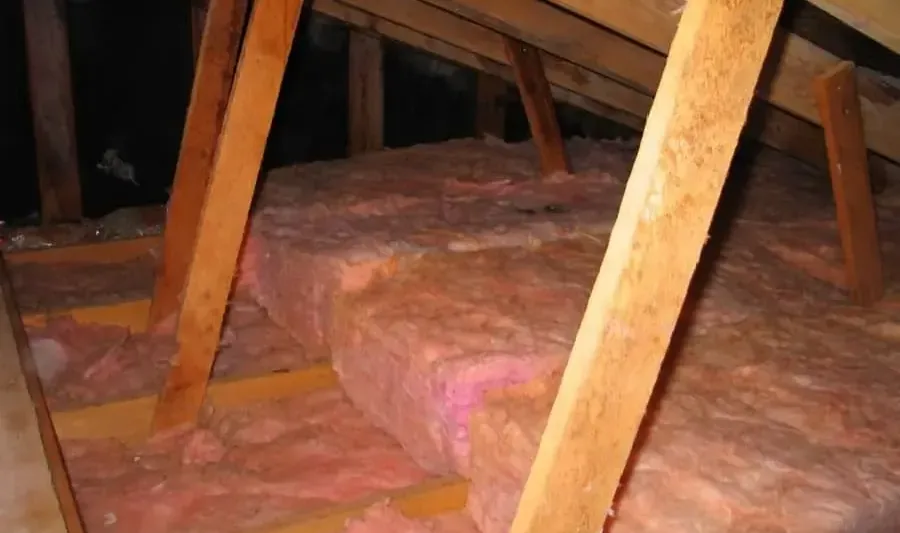
Exposed timber roof framing above pink insulation inside an attic
Immediate priorities

Roof Leak Water Damage: first steps

  1. 1

    Remain inside a safe area

    Do not climb onto a wet roof or enter an uncertain attic to investigate rain entry. Observe interior changes from a stable location and keep people away from sagging ceiling sections below.

  2. 2

    Describe weather and dripping

    Note whether dripping begins during rain, continues afterward or appears around a particular ceiling joint. This history helps connect the interior symptom with the upper assembly while the repair professional investigates the opening.

  3. 3

    Protect dry belongings carefully

    Move lightweight dry items away from the affected area only if the route is safe. Avoid placing containers or protective coverings beneath unstable drywall where access exposes someone to falling wet material.

  4. 4

    Coordinate the exterior repair

    Arrange appropriate roof evaluation while cleanup assesses the interior. Explain any temporary measures already taken so the restoration plan accounts for the possibility of additional water entry before a permanent repair is completed.

Assessment and control

How roof leak water damage is handled

Rapid local response

The response team prioritizes active water movement and unsafe access. The first assessment separates source control from extraction, so a stopped leak does not leave hidden wet materials untreated.

IICRC S500 drying standard

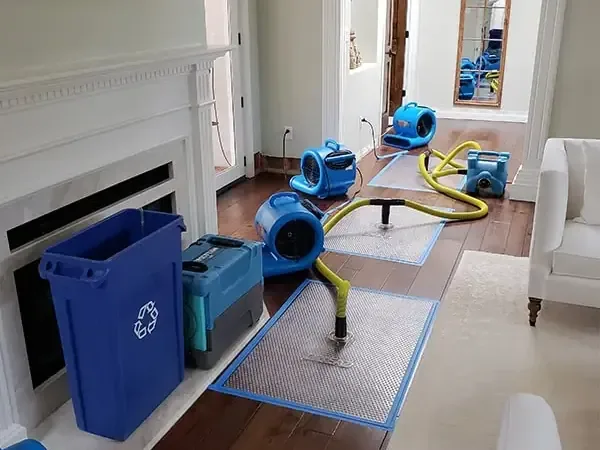
The drying specialist sets a material-specific goal using unaffected reference readings. Airflow and dehumidification follow the evaporation load, with equipment adjusted when the daily measurements show a change.

Claim-ready documentation

The project file records the water source, affected rooms, material condition and work performed. Photographs and moisture logs let the owner and insurer examine the scope without relying on a dry-looking surface.

Local water experts

The site assessment checks the building actually affected, including access restrictions and shared assemblies. The restoration contractor distinguishes cleanup from plumbing, roof or equipment repair before recommending the next step.

Planning the cleanup

What does roof leak water damage cost in Drexel Heights, AZ?

Roof leak cleanup costs in Drexel Heights reflect how far rain traveled beneath the exterior opening. Wet insulation, restricted attic access and damaged ceilings can expand the interior scope. The estimate should identify roof repair separately from extraction, removal, drying and finish reconstruction.

A localized interior leak

$1,000 to $2,200
  • Limited room symptoms
  • Accessible ceiling edge
  • Focused moisture readings

Broader attic saturation

$2,200 to $6,000
  • Wet insulation assessment
  • Extended framing inspection
  • Controlled cavity access

Repeated or extensive entry

$6,000 to $14,000+
  • Multiple interior paths
  • Wider material removal
  • Complex drying arrangement

Category, wet square footage, material class and the delay before drying determine the scope. Repairing the source and replacing finishes may add separate charges. Compare the assumptions with the water damage cost calculator.

Work sequence

Roof Leak Water Damage process

The crew records the starting condition, adjusts the equipment and verifies the result.

  1. 1

    Compare room symptoms with upper access

    The assessment starts with staining, dripping and visible material changes, then checks accessible upper areas safely. Water may have traveled before reaching the room below. Connecting those observations gives the inspection a direction and helps identify whether adjacent ceiling sections need attention beyond the first visible interior mark.

  2. 2

    Separate wet layers from damaged layers

    Decking, framing, insulation and ceiling panels do not respond identically to rain exposure. Each accessible component is assessed for moisture and condition. Material that has lost integrity or obstructs needed access may require removal, while sound retained components need a drying plan suited to their position within the assembly.

  3. 3

    Work around the corrected entry point

    Interior drying is coordinated with the roof repair so fresh rain does not repeatedly wet the same cavity. The scope records temporary protection and remaining repair needs where applicable. Equipment placement addresses exposed wet surfaces and the room environment rather than treating the entire roof area as one uniform drying space.

  4. 4

    Check the assembly before interior finishing

    Measurements are repeated at the identified wet locations and compared with established targets. The closing record should distinguish dry retained materials from areas awaiting reconstruction. That distinction lets the owner schedule ceiling repairs with a clear account of the roof correction and the moisture condition behind the new finish.

EntryRain above the room
Hidden layerInsulation and framing
CoordinationRoof and interior work
CompletionDry retained assembly

The drip that lands inside a room can be the end of a longer path. Water entering a roof assembly may cross framing, wet insulation and collect above a ceiling before the interior gives a clear warning.

Rain history helps locate the problem

The National Weather Service provides regional monsoon precipitation charts. For a Drexel Heights home, the useful discovery record is more immediate: when rain occurred relative to dripping, which room changed and whether the mark spread after the weather cleared. Those observations help the roof and interior assessments connect.

San Joaquin Avenue and Westover Avenue can help describe the property area when arranging service. Include safe entry instructions and whether an attic opening is accessible from an unaffected room. A homeowner should not climb into a wet upper space simply to provide more detail before the visit.

Look beyond the ceiling's visible stain

Insulation can hold water against framing or the back of a ceiling panel. A roof opening may therefore create damage wider than the interior stain suggests. Inspection should evaluate those layers where access permits and explain why removal may be needed to expose a drying surface.

  • Repeated dripping warrants a source check even if the room floor has been kept dry.
  • Softened ceiling sections need an access boundary that keeps people outside the area below.
  • A repaired roof opening still leaves a need to assess moisture already inside the building.

Bring the exterior and interior scopes together

Winston Reynolds Manzanita Park is a local landmark for the community. At any nearby property, the individual roof assembly and interior condition determine the work. A written scope should identify source repair, wet material removal and the retained components that need monitored drying before the room is rebuilt.

Ceiling damage evaluation addresses unstable or saturated panels below the leak. Where several rain entry points are involved, storm cleanup planning considers the separate paths. Keeping these tasks connected helps the owner understand the sequence from stopping water entry to completing interior finishes.

Practical answers

Roof Leak Water Damage questions in Drexel Heights, AZ

Is interior cleanup needed after a roof repair?

It can be. Repairing the opening prevents further entry but does not remove water already absorbed into insulation, framing or drywall. A moisture assessment identifies retained wet layers and determines whether they need access, removal or drying before the room receives replacement finishes.

Should an owner inspect the attic during rain?

An uncertain attic can involve wet wiring, weak surfaces and limited footing. Safe observations from the room below are enough to start a request. Qualified personnel can decide how to inspect the upper assembly without asking the owner to enter a hazardous space for additional photographs.

Can water appear away from the roof opening?

Yes. Water can travel along structural members or across layers before finding a ceiling seam or another low point. The visible drip helps locate the affected interior but may not locate the entry. Both the upper assembly and resulting room damage need a connected assessment.

Must all insulation around the stain be removed?

The decision depends on saturation, condition and whether the material prevents effective access or drying. The assessment should identify the affected insulation and explain its treatment. Removing only the visibly stained ceiling section can leave a wet layer above it that still needs attention.

What if the drip stops when the rain ends?

After dripping stops, the next step is checking the roof assembly for retained water. Wet framing and insulation can remain after active rain entry ends. Record the discovery conditions and arrange evaluation of both the roof opening and the materials underneath before treating the stain as a cosmetic issue.

How are roof repair and restoration scheduled together?

The work should share a clear understanding of source control and interior exposure. Drying needs protection from renewed entry, while roof repair does not replace material assessment below. A written scope and completion notes help coordinate those responsibilities before ceiling reconstruction or other finish work begins.

Service area

Roof leak water damage coverage

Drexel Heights, AZ

Roof leak interior assessments cover Drexel Heights homes and occupied rooms. Describe the affected ceiling, available upper access and any repair already arranged for the exterior entry point.

The same service nearby: roof leak water damage in Sahuarita, Valencia West, Corona de Tucson.

Water damage restoration in Drexel Heights · every town covered

24/7 water damage dispatch

Restore the assembly beneath the roof

An interior assessment connects wet insulation, framing and finishes with a practical drying sequence. That information helps coordinate source correction and the room repairs that follow the cleanup work.

(888) 949-8496Plan the interior roof cleanup
(888) 949-849624/7 dispatch