Overhead stains and saturated board

Green Valley Ceiling Leak Water Damage

A ceiling holding water can become unstable before the dripping stops. Clear the space below sagging material and arrange an assessment of the source, insulation and supporting surfaces.

(888) 949-8496Discuss the wet ceiling safely
Overhead safety Source tracing Insulation assessment
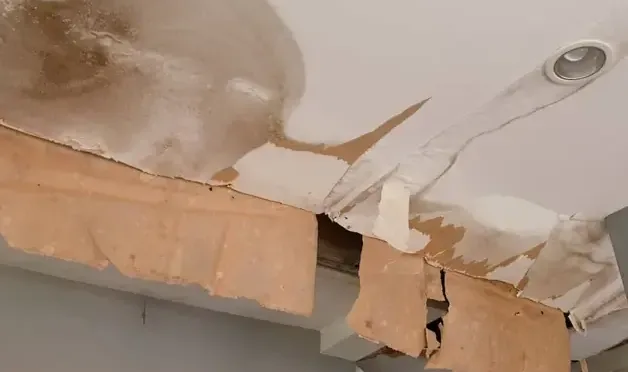
Torn and sagging ceiling drywall with visible water staining around the opening
Immediate priorities

Ceiling Leak Water Damage: first steps

  1. 1

    Move away from the bulge

    Keep occupants and belongings clear of a sagging ceiling when movement can be done safely. Do not stand underneath to collect dripping water or test the surface by pressing it.

  2. 2

    Avoid wet lighting controls

    Leave fixtures and switches associated with the wet area alone. Electrical evaluation may be necessary before anyone works around a light opening or wet equipment concealed above the ceiling.

  3. 3

    Describe activity above the room

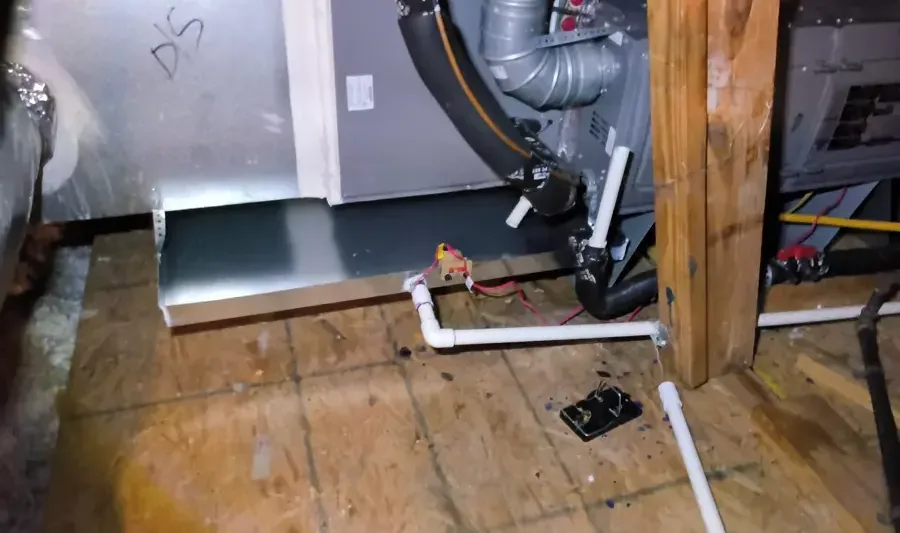
    Report recent plumbing use, visible roof entry or cooling equipment near the affected area. These observations focus the source inspection on the overhead water path, including areas beyond the visible ceiling stain.

  4. 4

    Arrange entry to adjoining spaces

    Contact the owner or management representative when the source investigation needs another unit or a locked service area. Safe access and authorization should be established before opening the overhead assembly.

Assessment and control

How ceiling leak water damage is handled

Rapid local response

The response team prioritizes active water movement and unsafe access. The first assessment separates source control from extraction, so a stopped leak does not leave hidden wet materials untreated.

IICRC S500 drying standard

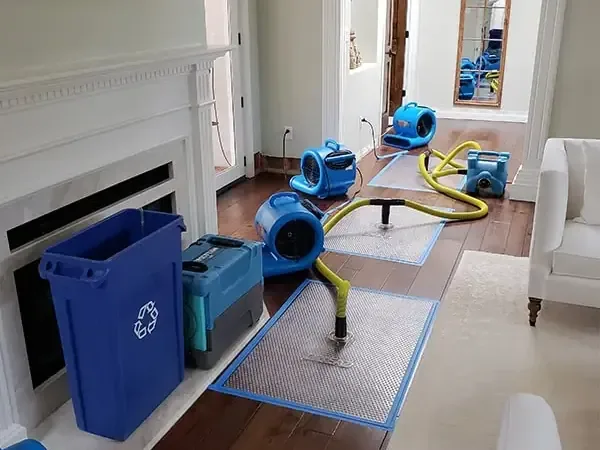
The drying specialist sets a material-specific goal using unaffected reference readings. Airflow and dehumidification follow the evaporation load, with equipment adjusted when the daily measurements show a change.

Claim-ready documentation

The project file records the water source, affected rooms, material condition and work performed. Photographs and moisture logs let the owner and insurer examine the scope without relying on a dry-looking surface.

Local water experts

The site assessment checks the building actually affected, including access restrictions and shared assemblies. The restoration contractor distinguishes cleanup from plumbing, roof or equipment repair before recommending the next step.

Planning the cleanup

What does ceiling leak water damage cost in Green Valley, AZ?

Ceiling leak restoration costs in Green Valley depend on access, insulation condition and the extent of overhead wetting. The estimate should distinguish safe removal, drying and source repair from replacement board and finishing so the work can be authorized in a clear sequence.

A limited ceiling patch

$800 to $1,800
  • Small overhead area
  • Accessible source inspection
  • Focused material handling

A wet room ceiling

$1,800 to $4,500
  • Broader board saturation
  • Insulation removal decisions
  • Room protection needs

Several affected assemblies

$4,500 to $10,000+
  • Connected cavity wetting
  • Multiple access points
  • Extended drying checks

Category, wet square footage, material class and the delay before drying determine the scope. Repairing the source and replacing finishes may add separate charges. Compare the assumptions with the water damage cost calculator.

Work sequence

Ceiling Leak Water Damage process

The crew records the starting condition, adjusts the equipment and verifies the result.

  1. 1

    Establish a protected work area

    The inspection begins outside the fall zone of damaged ceiling material. Occupant routes and contents protection are planned before access is opened. Electrical concerns and the source of continuing water are addressed with the appropriate trades so the removal work can proceed under suitable conditions for the room.

  2. 2

    Inspect above the stained finish

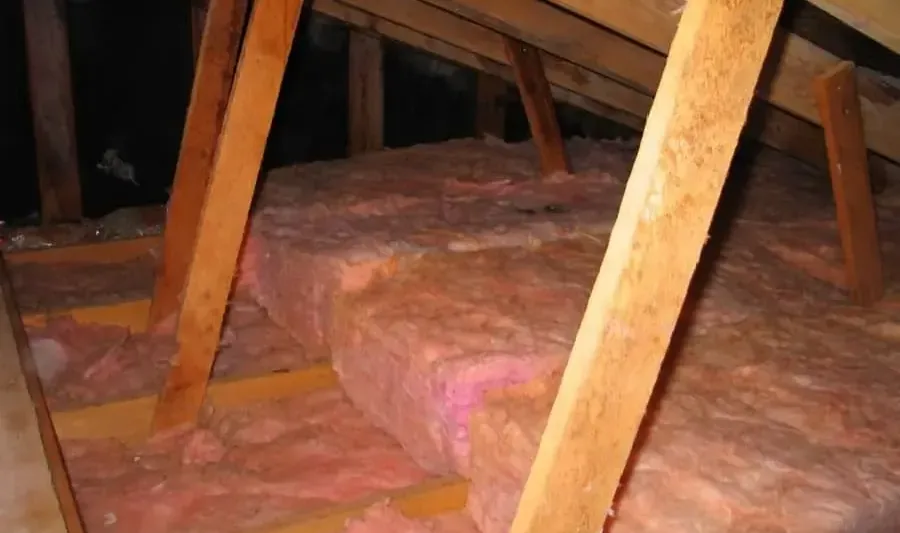
    Controlled access reveals the condition of insulation, framing and surrounding board. A stain may mark the exit point rather than the origin of the leak. The inspection follows the water path and records affected layers, with removal decisions tied to material condition and the access needed for source correction.

  3. 3

    Dry the overhead assembly

    Retained framing and reachable surfaces receive a drying arrangement suited to the exposed cavity. Wet insulation that obstructs assessment or effective drying needs a specific handling decision. Measurements track the response above the room, instead of relying only on the appearance of the remaining ceiling face.

  4. 4

    Prepare a clear finishing scope

    Before replacement board is installed, the source repair and drying condition are reviewed together. The handoff describes opened sections, retained materials and any unresolved trade work. Finishing plans can then address the appearance of the ceiling while preserving the distinction between necessary damage repair and broader cosmetic matching.

ConcernUnstable overhead material
SourceTrace above the stain
AccessCoordinate adjoining spaces
RepairCheck cavity before closing

A dark ring on a ceiling and a swollen sheet of drywall demand different immediate decisions. The ring needs investigation; unstable material also needs a protected area below it. Keeping people clear gives the inspection room to establish the water path and the condition of the overhead assembly.

A stain can be an exit point

Water may follow a framing member or service penetration before dripping into a room. Looking only directly above the stain can miss the source and leave surrounding insulation wet. An assessment should connect the visible damage with the higher surfaces and equipment that could have carried the release.

In Green Valley, town houses and condominiums add an access question to that work. An owner or management contact may need to arrange entry elsewhere before a plumbing problem can be investigated. The ceiling should remain accessible until the source correction and drying condition have both been addressed.

Protect the occupied space below

East Center is a recreation center on Abrego Drive, and Abrego North and Abrego South are satellite centers on the same corridor. These local references can help describe a property area. Inside the affected building, the important boundary is the room beneath the compromised ceiling and its safe exit route.

Contents removal, controlled debris handling and separation from occupied rooms belong in the work plan. Wet board can be heavy, and insulation can conceal additional moisture above an apparently limited opening. The condition found during access may justify a revised scope that should be explained before removal expands.

Close the cavity only after checking its condition

Roof leak restoration addresses rain entering from above, while AC leak cleanup concerns condensate escaping cooling equipment. Choosing the correct source work prevents a repaired ceiling from being exposed again while the original problem remains active.

Drying notes should describe retained framing and adjacent materials, with photographs showing the opened assembly. Painting can hide a stain, but the repair sequence must first address weakened board, wet insulation and any source work. That sequence leaves the owner with a usable record for the finishing contractor.

Practical answers

Ceiling Leak Water Damage questions in Green Valley, AZ

Should a swollen ceiling be punctured to drain it?

Occupants should stay clear of sagging overhead material. Puncturing it can release water or falling debris unexpectedly and may place the person near wet electrical components. A protected work area and professional assessment are safer starting points for controlled access and removal.

Why is the leak source away from the stain?

Water can travel along framing, pipes or the upper face of ceiling material before finding an opening. The visible mark may therefore be the exit point. Tracing that route helps identify the repair location and any wet insulation between the source and the room.

Does ceiling insulation always need removal?

The decision depends on insulation type, condition, exposure and whether it prevents inspection or drying. Saturated or damaged material may need removal while other areas remain. The scope should explain the boundary and record what was found after safe overhead access became available.

Can the room remain occupied during cleanup?

Occupancy depends on overhead stability, electrical conditions and the separation of the work area. A sagging ceiling requires keeping people away from the space beneath it. Access decisions should be reviewed as material is removed and the condition of the assembly becomes clearer.

Who arranges entry into an upstairs space?

The owner or designated property manager should coordinate permission with the person controlling that space. Source investigation may need access beyond the visibly damaged room. Establishing those arrangements early helps keep plumbing repair and ceiling restoration from working around an unresolved access restriction.

When is repainting an appropriate next step?

Repainting belongs after the source is repaired, damaged material is addressed and retained surfaces are ready. Moisture checks and the condition of the remaining board inform that decision. The finishing scope should also identify any replacement sections that require preparation before the ceiling is painted.

Service area

Ceiling leak water damage coverage

Green Valley, AZ

Green Valley ceiling assessments include the room below the stain and access above it. Provide the property contact when source tracing involves an adjoining unit or shared service space.

The same service nearby: ceiling leak water damage in Sahuarita, Corona de Tucson, Drexel Heights.

Water damage restoration in Green Valley · every town covered

24/7 water damage dispatch

Put ceiling safety ahead of surface repairs

Arrange a source and cavity assessment that explains unstable material, insulation handling and the drying needed before replacement board closes the overhead space.

(888) 949-8496Plan safe ceiling access
(888) 949-849624/7 dispatch