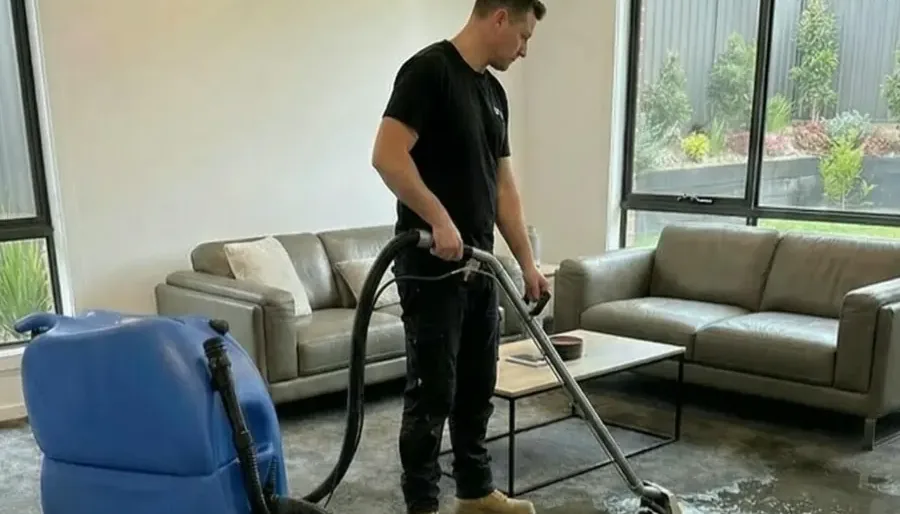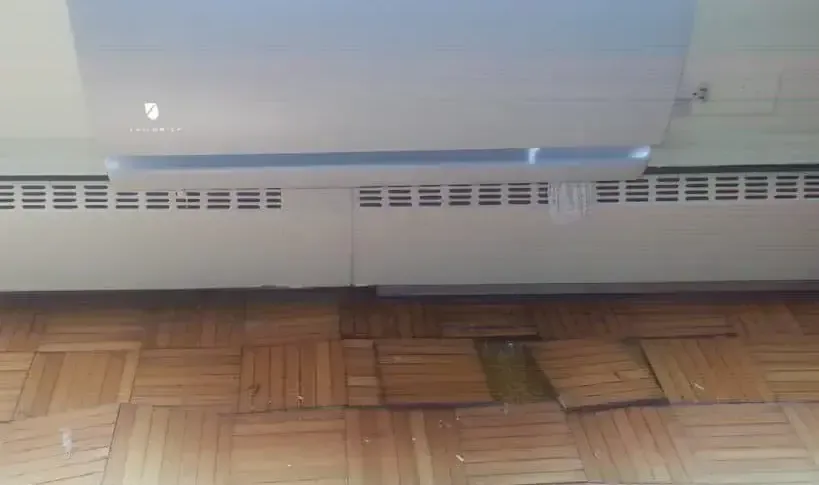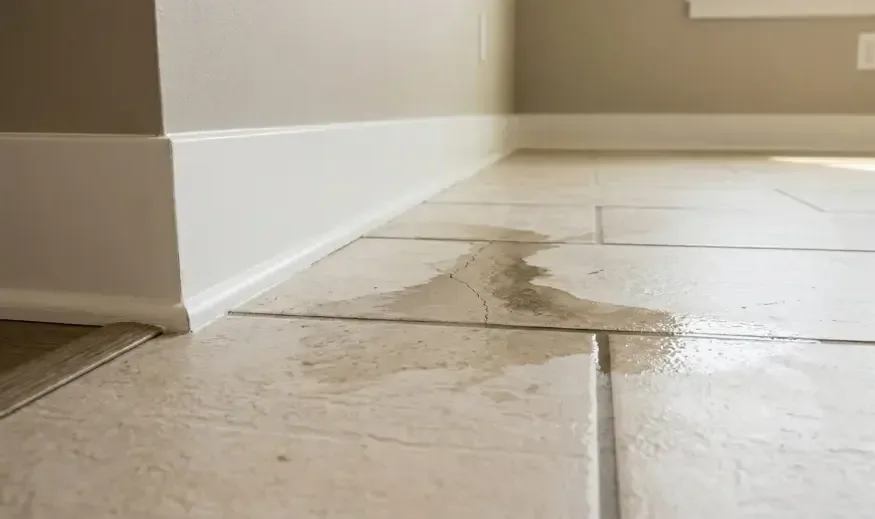
Moisture after the puddles disappear

Structural Drying in Green Valley

A room can look recovered while its wall cavity or floor layers remain wet. Structural drying uses material readings and controlled conditions to target moisture beyond the surfaces that are easy to see.

(888) 949-8496Discuss the remaining wet materials
Material readings Controlled air conditions Documented repair readiness
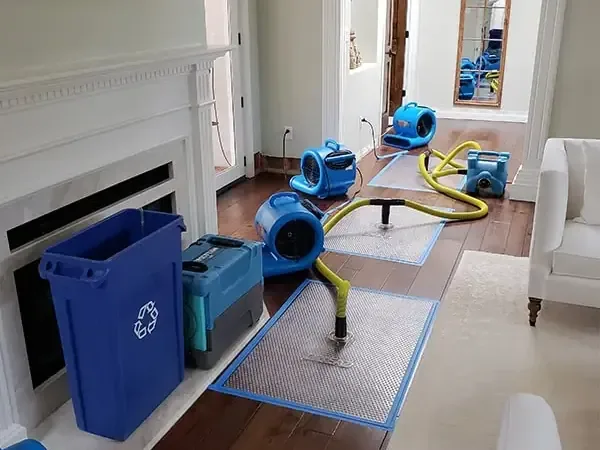
Air movers and floor drying mats arranged along a hallway and adjoining room
Immediate priorities

Structural Drying: first steps

  1. 1

    Confirm the source work status

    Tell the assessor whether the plumbing or exterior defect has been corrected. Continued wetting must be addressed alongside drying, otherwise changing readings can reflect new water rather than the response of retained material.

  2. 2

    Keep equipment paths and openings clear

    Avoid stacking belongings against wet walls or over floor access points. The planned arrangement needs room to reach affected surfaces and maintain a practical separation between equipment and occupied areas of the property.

  3. 3

    Report operational changes promptly

    A tripped circuit, moved hose or switched off machine can alter drying conditions. The property contact should report those changes rather than adjusting the arrangement without knowing how the affected assembly is being monitored.

  4. 4

    Delay closing the wet assembly

    New board, trim or flooring should wait until the retained materials are assessed for repair readiness. A surface that looks normal can still conceal moisture behind a finish or within a dense layer.

Assessment and control

How structural drying is handled

Rapid local response

The response team prioritizes active water movement and unsafe access. The first assessment separates source control from extraction, so a stopped leak does not leave hidden wet materials untreated.

IICRC S500 drying standard

The drying specialist sets a material-specific goal using unaffected reference readings. Airflow and dehumidification follow the evaporation load, with equipment adjusted when the daily measurements show a change.

Claim-ready documentation

The project file records the water source, affected rooms, material condition and work performed. Photographs and moisture logs let the owner and insurer examine the scope without relying on a dry-looking surface.

Local water experts

The site assessment checks the building actually affected, including access restrictions and shared assemblies. The restoration contractor distinguishes cleanup from plumbing, roof or equipment repair before recommending the next step.

Planning the cleanup

What does structural drying cost in Green Valley, AZ?

Structural drying costs in Green Valley depend on material volume, access and the complexity of retained wet assemblies. The scope should identify equipment, monitoring and any required openings, with repair readiness based on material findings rather than only the number of machines placed in the room.

One drying chamber

$1,000 to $2,500
  • Focused affected area
  • Accessible retained materials
  • Routine progress readings

Several connected rooms

$2,500 to $6,000
  • Multiple material types
  • Expanded airflow arrangement
  • Additional measurement locations

Dense or concealed wetting

$6,000 to $12,000+
  • Restricted cavity access
  • Layered moisture retention
  • Detailed drying adjustments

Category, wet square footage, material class and the delay before drying determine the scope. Repairing the source and replacing finishes may add separate charges. Compare the assumptions with the water damage cost calculator.

Work sequence

Structural Drying process

The crew records the starting condition, adjusts the equipment and verifies the result.

  1. 1

    Set meaningful starting measurements

    The drying assessment records affected materials and compares them with suitable reference conditions. It also notes source status, room conditions and areas that remain inaccessible. That starting record gives later measurements context, allowing the owner to understand progress as a change in the building rather than a change in surface appearance.

  2. 2

    Create a workable drying arrangement

    Air movement, moisture removal and access are selected together. A wall cavity blocked by insulation or a floor layer sealed beneath an intact finish may need a different approach from exposed framing. The plan should explain the equipment positions and any openings necessary to reach the materials being retained.

  3. 3

    Check response and adjust the plan

    Followup measurements identify assemblies responding slowly or receiving inadequate airflow. Equipment placement and access can then be revised for a stated reason. Changes should be recorded alongside readings so the work remains understandable when a dense floor section behaves differently from nearby wallboard or trim in the same room.

  4. 4

    Document readiness for subsequent repairs

    The endpoint is a material condition suitable for the planned repair, assessed against appropriate references and requirements. Final notes identify the surfaces checked and any remaining concerns. The repair contractor receives that information before installing new finishes, while equipment removal is coordinated with the condition of the actual assembly being handed over.

Starting pointRetained material moisture
MethodAirflow removal and access
ProgressRepeat useful measurement locations
EndpointCondition ready for repair

The difference between a dry looking room and a dried assembly is measurable. Framing, insulation and floor layers can hold moisture beyond the exposed finish. Structural drying begins by identifying those materials and arranging a path for moisture to leave them under conditions that can be checked and adjusted.

Outdoor heat cannot inspect an indoor cavity

Green Valley has a hot and very dry period from April to late June, followed by a hot monsoon season generally spanning July through September. Those seasonal changes can affect outdoor conditions. Inside a wet building, the drying plan still needs readings from the actual materials and the air surrounding them.

A closed cabinet recess or layered floor may respond differently from an open wall surface in the same room. Simply adding airflow to the walkway may leave the wet assembly poorly reached. Access and equipment selection should therefore follow the material assessment rather than the convenience of an empty floor area.

Make each monitoring visit answer a question

Useful records show whether moisture is declining at the affected locations and whether the arrangement needs adjustment. If one area remains wet, the next step may involve improved access, a changed airflow route or reconsidering a material that cannot be retained. The reason should appear in the work notes.

Canoa Hills and Desert Hills are recreation centers on Camino del Sol, while Las Campanas is on Belltower Drive. Nearby property descriptions help arrange access, but drying requirements depend on the particular building. Shared ownership may require a contact who can keep inspection points accessible during followup visits.

Give the repair contractor a usable endpoint

Water extraction precedes drying where liquid remains, and hardwood floor assessment addresses layered wood assemblies. The drying record should distinguish those tasks while showing how each affected material reached the condition needed for subsequent work.

Before reconstruction, identify the surfaces measured and any inaccessible area still requiring attention. That information lets the owner coordinate replacement finishes with a clear understanding of the building condition instead of relying on the room feeling warm or the equipment having operated for a particular interval.

Practical answers

Structural Drying questions in Green Valley, AZ

Why use equipment during hot dry weather?

Outdoor conditions do not show whether moisture can leave a concealed assembly effectively. Wet material behind a finish may need targeted access and controlled air conditions. Measurements establish whether the chosen arrangement is reducing moisture where it matters inside the building.

Can occupants switch machines off when the room feels dry?

Equipment changes should be coordinated with the person managing drying. A comfortable room may still contain wet material, and interruption can alter the intended conditions. Report noise, power or access concerns so the arrangement can be reviewed without losing track of the drying plan.

Why do different parts of a room dry unevenly?

Materials vary in thickness, permeability and access to airflow. A dense substrate or enclosed cavity can retain moisture longer than exposed trim. Monitoring helps identify those differences and directs adjustments toward the assembly that needs attention rather than treating the entire room identically.

Does every wet wall need an opening?

Access depends on the assembly and whether moisture can be assessed and removed effectively. Some situations permit drying with limited intervention, while saturated concealed material may require removal. The scope should explain the purpose of an opening and record the condition discovered behind the finish.

What measurements should the owner receive?

The record should identify affected locations, relevant reference conditions and progress findings. Final notes need to explain which retained surfaces are ready for repair and whether any access limitation remains. Those details make the result more useful than a simple list of equipment placed in the property.

Is the end of drying the end of restoration?

Drying prepares retained materials for the next work stage. Replacement board, flooring, trim or cosmetic finishing may still be required, and source repairs must also be complete. A clear handoff separates recovered moisture condition from the remaining reconstruction tasks that the owner needs to arrange.

Service area

Structural drying coverage

Green Valley, AZ

Green Valley drying plans account for affected materials, equipment access and followup entry arrangements. A designated property contact helps keep measurement locations available until the assembly is ready for repairs.

The same service nearby: structural drying in Sahuarita, Corona de Tucson, Drexel Heights.

Water damage restoration in Green Valley · every town covered

24/7 water damage dispatch

Use material condition to plan the repair handoff

Arrange a drying assessment that connects equipment placement, concealed access and progress readings with the surfaces that must be ready before new finishes are installed.

(888) 949-8496Plan measured moisture recovery
(888) 949-849624/7 dispatch