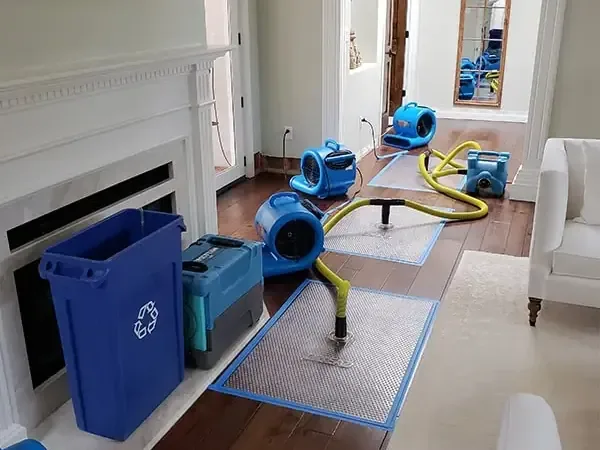
A dry feeling room can contain wet building material. Air conditions, surface appearance and the moisture within an assembly describe different things. Structural drying brings them into a plan with identified material targets, suitable equipment and repeat checks at locations that can be meaningfully compared.
Begin with the actual assembly rather than its label
Vail's residential housing includes individual properties that need their own material assessment. Location references such as Houghton Road, Colossal Cave and Rex Molly Road help arrange access. Inside each building, the composition of the floor, wall or ceiling determines how moisture can be reached and removed.
A room name alone says little about the drying challenge. A closet can contain dense or obstructed wet material, while a larger open room may provide easy access to its affected surfaces. The scope should explain these practical conditions so equipment selection makes sense alongside the moisture findings.
A useful drying record shows change at the same places
Measurements are most helpful when the locations and materials remain clear between visits. The record should show what was checked, how it compares with suitable reference conditions and whether the drying goal has been reached. A stalled area deserves investigation of access and continuing moisture sources.
- Cabinet backs and closed cavities may restrict drying even when nearby room air is moving well.
- Floor layers can hold different amounts of moisture and may need separate access decisions.
- Equipment changes should correspond to the assembly's progress and the practical conditions in the room.
Use the endpoint to organize the next trade
Slab leak damage cleanup can leave a layered floor requiring careful handoff after source repair. Ceiling leak restoration may require the same coordination above an occupied room. Each assembly needs a clear endpoint before new finishes conceal it.
The final documentation should identify retained materials that met the drying goals and repairs still outstanding. This keeps reconstruction planning tied to the building's condition. The owner receives a reasoned basis for moving forward instead of treating equipment removal as the only sign that the moisture work is complete.
- Flood safety: Ready.gov flood precautions
- Cleanup guidance: EPA flooded-home cleanup information