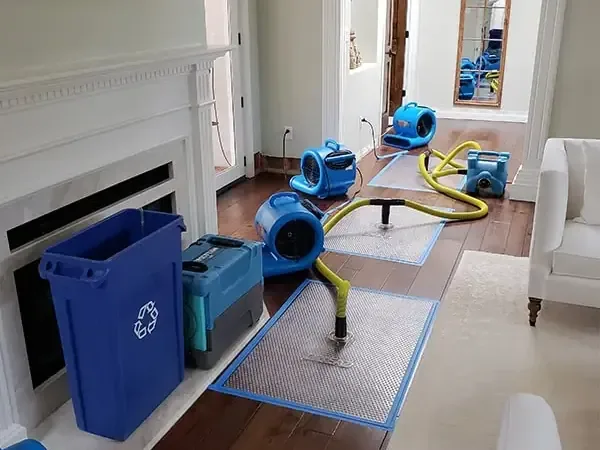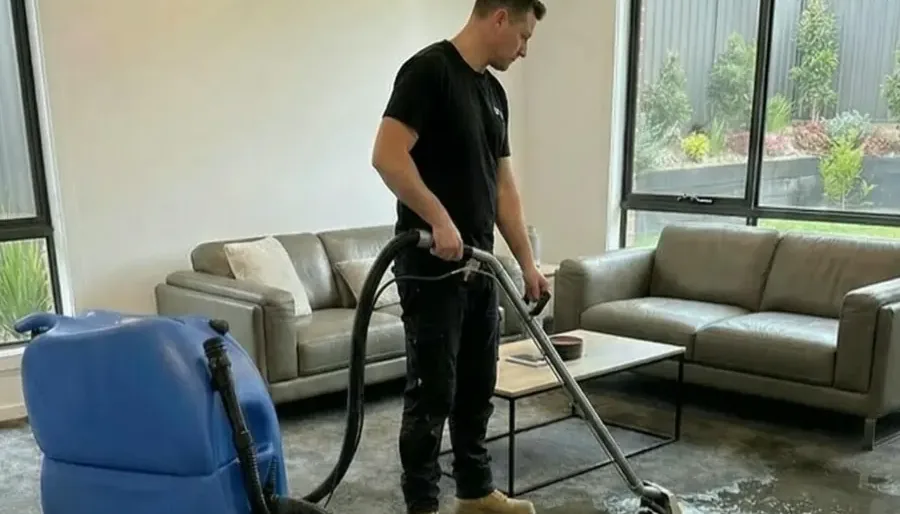
Water can spread across an open floor quickly, then linger in places a mop cannot reach. Extraction creates access to those wet materials. The useful question after the puddle disappears is which parts of the room still contain water and how they can be dried.
Indoor releases and outdoor entry need different handling
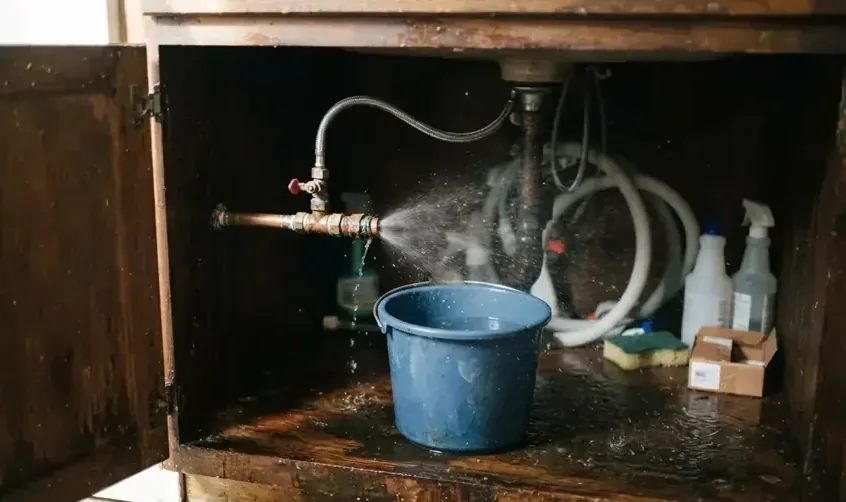
Pantano Wash runs through Vail and carries seasonal water. If outdoor water enters a property, its route across soil and debris matters to the cleanup. A supply pipe release follows a different path, beginning at a pressurized connection before reaching household materials. The inspection establishes the actual origin at the affected building.
Colossal Cave and Houghton Road can help describe a property's location during the initial discussion. The extraction method depends on conditions inside the rooms: water depth, flooring construction, contents and safe access. Nearby landmarks are useful for orientation while the cleanup decisions remain tied to the observed loss.
Follow the wet edge beyond the obvious puddle
At doorways, water can travel beneath a transition strip and continue into the next flooring section. Carpet padding may hold water even when the carpet face feels less wet. Cabinet toe spaces and closets deserve inspection because visible pooling can drain away while hidden materials remain saturated.
- Wet furniture legs can transfer color onto flooring and interfere with a thorough extraction pass.
- Loose contents should be handled without carrying affected water across the dry part of the property.
- Water around appliances needs an electrical safety decision before cords or equipment are approached.
- A lingering wet perimeter can point to moisture inside the adjoining wall assembly.
Removal is the opening stage of restoration
A room with no standing water may still need substantial drying. The extraction record should identify inaccessible areas and retained materials that require follow up. Structural drying addresses that remaining moisture with measured progress rather than a visual judgment alone.
For runoff that has carried dirt indoors, flood cleanup may be the more appropriate next step. Cleaning and material removal can change the order of work. A clear transition between recovery, cleaning and drying helps the owner understand why equipment remains after the most noticeable water has gone.
- Flood safety: Ready.gov flood precautions
- Cleanup guidance: EPA flooded-home cleanup information