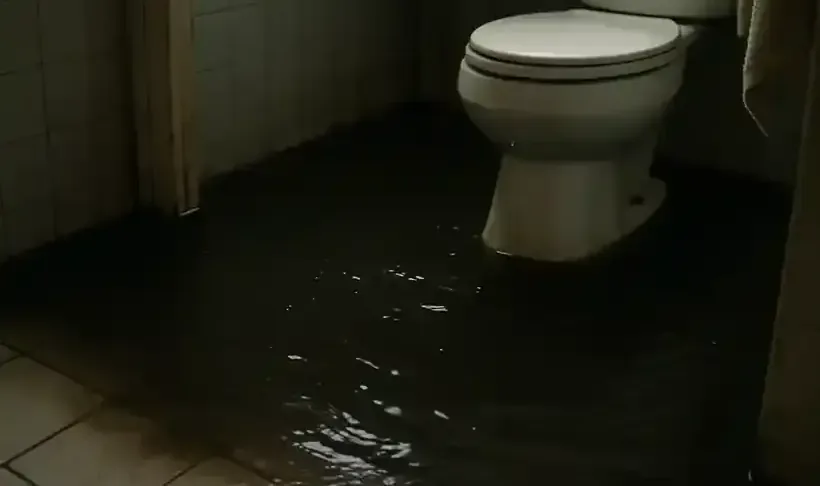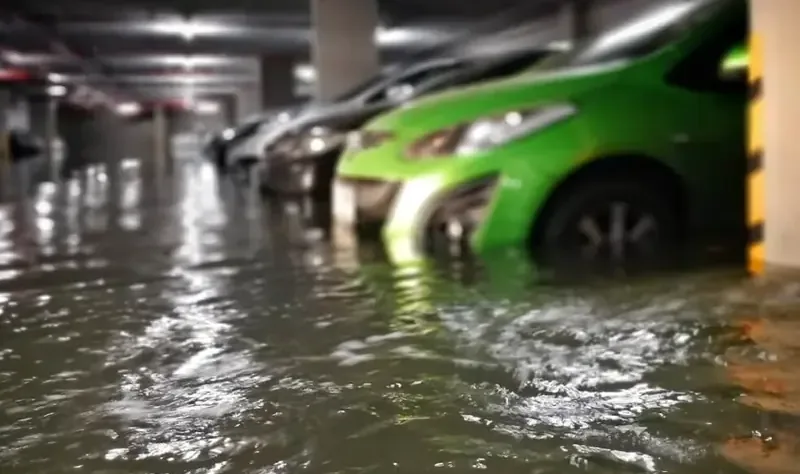
Sewage outside its intended path

Valencia West Sewage Backup Cleanup

Wastewater in an occupied room changes the priority from ordinary water removal to controlled cleanup. Access, disposal and cleaning decisions come before drying of the structure that remains.

(888) 949-8496Describe the wastewater affected area
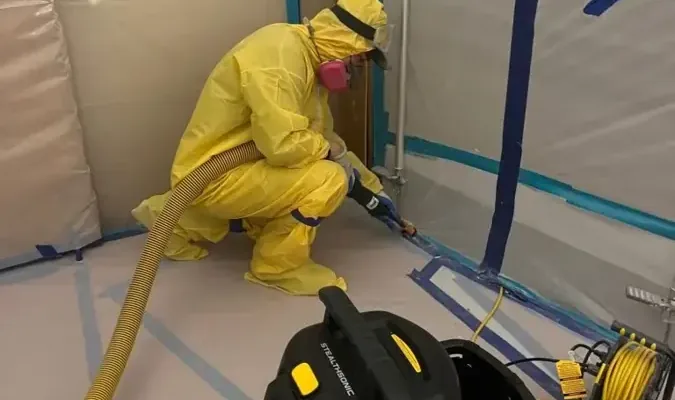
Restricted work area Controlled contaminated material removal Retained surface cleaning
Worker in yellow protective coveralls using equipment inside a plastic containment area
Immediate priorities

Sewage Backup Cleanup: first steps

  1. 1

    Separate occupants from the affected space

    Children, pets and other household members should remain away from wastewater. Closing a door from the dry side can help establish a boundary while professional assessment and source investigation are arranged.

  2. 2

    Stop using the affected fixtures

    Additional use can worsen an unresolved backup. A plumbing professional should investigate the cause and advise on fixture use, while the cleanup discussion records where wastewater appeared and which rooms it reached.

  3. 3

    Avoid moving contaminated belongings casually

    Dragging rugs or carrying wet boxes through clean rooms can transfer contamination. Contents need a documented handling route and individual assessment before cleaning, storage or disposal decisions are carried out.

  4. 4

    Keep observations ready for assessment

    Safe photographs, affected room names and source repair details help organize the response. Occupants should not enter the contaminated area just to obtain a closer view or retrieve nonessential possessions.

Assessment and control

How sewage backup cleanup is handled

Rapid local response

The response team prioritizes active water movement and unsafe access. The first assessment separates source control from extraction, so a stopped leak does not leave hidden wet materials untreated.

IICRC S500 drying standard

The drying specialist sets a material-specific goal using unaffected reference readings. Airflow and dehumidification follow the evaporation load, with equipment adjusted when the daily measurements show a change.

Claim-ready documentation

The project file records the water source, affected rooms, material condition and work performed. Photographs and moisture logs let the owner and insurer examine the scope without relying on a dry-looking surface.

Local water experts

The site assessment checks the building actually affected, including access restrictions and shared assemblies. The restoration contractor distinguishes cleanup from plumbing, roof or equipment repair before recommending the next step.

Planning the cleanup

What does sewage backup cleanup cost in Valencia West, AZ?

Sewage cleanup pricing in Valencia West reflects the contaminated footprint, porous materials requiring removal and access for controlled disposal. These ranges should be supported by a scope that distinguishes source plumbing, interior cleaning, drying of retained materials and reconstruction of the finishes removed during cleanup.

A contained bathroom loss

$2,000 to $4,000
  • Small controlled cleanup boundary
  • Limited porous material disposal
  • Accessible retained surface cleaning

Several affected rooms

$4,000 to $10,000
  • Connected wastewater contact areas
  • Additional protected removal routes
  • Broader moisture control arrangement

Extensive wastewater exposure

$10,000 to $22,000+
  • Substantial affected contents handling
  • Complex concealed surface access
  • Detailed rebuilding scope coordination

Category, wet square footage, material class and the delay before drying determine the scope. Repairing the source and replacing finishes may add separate charges. Compare the assumptions with the water damage cost calculator.

Work sequence

Sewage Backup Cleanup process

The crew records the starting condition, adjusts the equipment and verifies the result.

  1. 1

    Establish a controlled work boundary

    The first survey identifies wastewater contact, utilities and the route between affected and clean areas. Access restrictions protect occupants and organize equipment movement. The work plan should include where debris will travel and how clean portions of the property will remain separated from the removal and cleaning activities.

  2. 2

    Assess porous materials for disposal

    Carpet, wall finishes and absorbent contents need decisions based on exposure and condition. The scope identifies items that cannot be suitably retained and explains why removal is necessary. Opening those layers can reveal additional affected edges, which should be documented before the cleanup plan expands into newly exposed areas.

  3. 3

    Clean the structure that remains

    Retained surfaces receive cleaning appropriate to their construction and wastewater exposure. Newly opened cavities and floor interfaces require attention rather than only the room's visible surfaces. Drying follows this stage, with the assembly accessible enough to evaluate moisture and address any material that still prevents a complete cleanup of the area.

  4. 4

    Coordinate source resolution with room recovery

    The plumbing findings and restoration record serve different purposes and should both remain available. Before reconstruction, the owner needs the source status, cleaning scope and drying results for retained materials. Any remaining openings, finish replacements or restrictions should be explained so the transition back to ordinary room use is deliberate.

PriorityLimit contact with wastewater
Work routeProtect the unaffected rooms
Porous finishesEvaluate removal before drying
ClosureAssess cleaning and moisture

Wastewater at a floor drain or fixture can quickly become a room level cleanup problem. In Valencia West, the response should follow the observed sewage exposure and the materials it reached. The plumbing investigation addresses the cause while restoration controls the affected interior and its contents.

Keep the clean part of the property clean

Foot traffic and improvised contents movement can spread residue beyond the original loss. The cleanup plan therefore needs a defined boundary and a removal route. Occupants should use a separate dry path and avoid handling exposed items until their condition and appropriate disposal or cleaning method have been assessed.

  • Porous floor coverings can hold contamination below the visible surface and need explicit retention decisions.
  • Wall cavities may require access where wastewater entered beneath trim or through an open joint.
  • Stored possessions should be inventoried without placing them on unaffected furniture or clean floor surfaces.
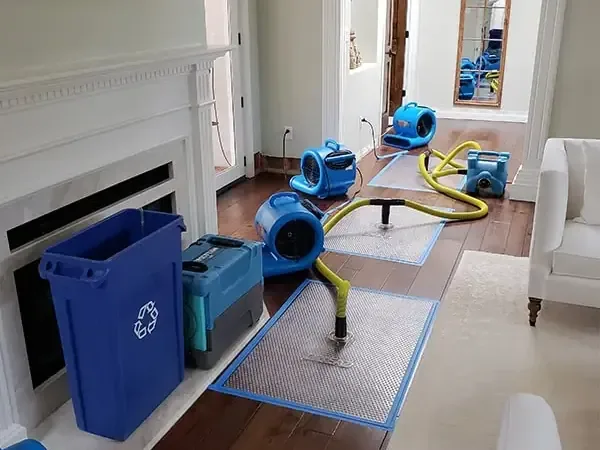
  • Drying equipment belongs after the cleaning decisions for suitable retained building materials have been made.

Coordinate the interior work with the repair scope

Valencia West is in unincorporated Pima County. The county lists remodel improvements as requiring a permit and includes conditions around finish exemptions. When cleanup leaves openings for reconstruction, the intended repair should be evaluated rather than treating every wastewater loss as the same cosmetic replacement task.

Tucson Estates and Drexel Heights are neighboring communities. A precise location and the affected building's access restrictions help arrange the visit. The plumbing diagnosis should remain specific to the property, with its findings recorded alongside the separate account of interior contamination and material removal.

Dryness alone is not the completion measure

The room needs suitable removal and cleaning before retained materials enter the structural drying stage. A dry looking surface may still have inaccessible residue or a damaged porous layer. The scope should make those decisions understandable before air movement becomes the main activity.

If the loss began at a fixture, toilet overflow cleanup describes related bathroom considerations. The final handoff should identify cleaning completed, material readings and remaining reconstruction, allowing the owner to see how source correction and interior recovery fit together.

Practical answers

Sewage Backup Cleanup questions in Valencia West, AZ

Can household cleaners resolve a sewage backup?

A wastewater loss may involve porous finishes and concealed surfaces beyond a visible puddle. It needs an assessment of exposure, removal and cleaning access. Materials beneath the floor or inside the adjoining wall need evaluation alongside cleaning of the exposed surfaces.

Does odor identify every affected surface?

Odor can draw attention to a problem but does not map the full contact area. The assessment follows observed water paths, material condition and concealed interfaces. Cleanup boundaries should be based on those findings rather than the places where occupants notice the strongest smell.

Should dirty carpet be dried in place?

Its wastewater exposure and construction need evaluation before retention is considered. Porous material can hold contamination beneath its surface. The scope should explain removal decisions and identify the underlying surfaces that need cleaning and moisture assessment after the covering is lifted.

Who determines what caused the backup?

An appropriate plumbing professional investigates the source. The restoration team evaluates the interior damage and contaminated materials. Keeping those findings separate helps the owner coordinate correction of the plumbing problem with the cleanup and drying work needed inside the building.

Can unaffected rooms remain in use?

That depends on safe access, utilities and whether a reliable separation from the cleanup area is possible. The work plan should address occupant movement and debris routes. Household use must not carry wastewater residue into the spaces intended to remain clean.

What information supports the reconstruction handoff?

The owner should receive a clear account of removed materials, cleaned surfaces, drying results and source repair status. Openings left for replacement finishes also belong in the record. Those details help the repair contractor understand the retained assembly before rebuilding the room.

Service area

Sewage backup cleanup coverage

Valencia West, AZ

Sewage assessment requests in Valencia West should describe the affected fixtures, rooms and dry access route. Source investigation details help coordinate cleanup without reopening exposure to occupants.

The same service nearby: sewage backup cleanup in Sahuarita, Drexel Heights, Green Valley.

Water damage restoration in Valencia West · every town covered

24/7 water damage dispatch

Connect controlled cleaning with measured drying

A written scope should explain what leaves the property and how retained surfaces are recovered. Request a plan that brings source correction, disposal, cleaning and reconstruction into a clear sequence.

(888) 949-8496Arrange a sewage damage assessment
(888) 949-849624/7 dispatch