Moisture remaining after water removal

Valencia West Structural Drying

A room can lose its puddles while its building materials stay wet. Structural drying gives retained layers a defined moisture target, suitable access and repeated checks before reconstruction begins.

(888) 949-8496Assess the remaining wet materials
Material moisture targets Planned cavity access Recorded drying progress
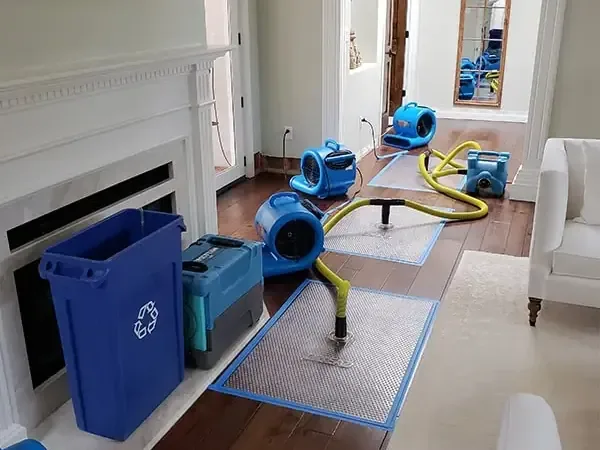
Air movers and floor drying mats arranged along a hallway and adjoining room
Immediate priorities

Structural Drying: first steps

  1. 1

    Confirm that water entry is controlled

    Drying cannot compensate for an ongoing release. Source repair details should be available before planning, including temporary protection or follow up work that might affect the room during moisture recovery.

  2. 2

    Keep the planned airflow available

    Furniture, stored boxes and closed doors can interfere with the drying arrangement. Occupants should discuss normal room use during setup so the plan preserves necessary access without blocking equipment or moving it without coordination.

  3. 3

    Leave equipment changes to the work plan

    A device may serve a particular cavity or material area. Switching it off or changing its position can alter progress. Concerns about noise, heat or access should be raised so adjustments remain part of the monitored setup.

  4. 4

    Wait for material findings before rebuilding

    A dry feeling surface is not a complete closure check. Replacement finishes should be scheduled around the condition of retained layers and any access still needed to evaluate moisture in the assembly.

Assessment and control

How structural drying is handled

Rapid local response

The response team prioritizes active water movement and unsafe access. The first assessment separates source control from extraction, so a stopped leak does not leave hidden wet materials untreated.

IICRC S500 drying standard

The drying specialist sets a material-specific goal using unaffected reference readings. Airflow and dehumidification follow the evaporation load, with equipment adjusted when the daily measurements show a change.

Claim-ready documentation

The project file records the water source, affected rooms, material condition and work performed. Photographs and moisture logs let the owner and insurer examine the scope without relying on a dry-looking surface.

Local water experts

The site assessment checks the building actually affected, including access restrictions and shared assemblies. The restoration contractor distinguishes cleanup from plumbing, roof or equipment repair before recommending the next step.

Planning the cleanup

What does structural drying cost in Valencia West, AZ?

Structural drying costs in Valencia West depend on the materials retained, room arrangement and access to concealed moisture. The estimate should describe equipment, monitoring and necessary openings, while keeping source repairs and reconstruction separate from the work of reaching appropriate material conditions.

One drying chamber

$1,000 to $2,500
  • Contained retained material area
  • Focused equipment and monitoring
  • Accessible moisture measurement locations

Several connected rooms

$2,500 to $6,000
  • Multiple material moisture targets
  • Broader airflow arrangement
  • Additional progress assessment points

Dense or concealed wetting

$6,000 to $12,000+
  • Complex layered assembly access
  • More demanding moisture removal
  • Coordinated reconstruction readiness checks

Category, wet square footage, material class and the delay before drying determine the scope. Repairing the source and replacing finishes may add separate charges. Compare the assumptions with the water damage cost calculator.

Work sequence

Structural Drying process

The crew records the starting condition, adjusts the equipment and verifies the result.

  1. 1

    Establish the material starting point

    The survey records affected surfaces, accessible layers and suitable comparison areas. Moisture findings help define the target and identify any material that cannot be retained. The initial record should explain why the drying scope includes each location, especially where water traveled beyond the room that first showed the release.

  2. 2

    Build the drying arrangement around access

    Air movement and moisture removal equipment are selected for the retained assembly and room conditions. Openings may be needed where a finish blocks evaporation or measurement. The owner should understand how equipment placement, containment and household access work together so the setup can remain effective throughout the planned monitoring period.

  3. 3

    Use repeated readings to adjust the work

    Comparable measurement locations show whether materials are responding. A slow area may need different airflow, additional access or reassessment of the layers involved. Equipment changes should follow those findings, allowing the plan to adapt to the building rather than running unchanged until an arbitrary calendar date is reached.

  4. 4

    Document why the assembly can close

    The completion assessment identifies the source status, retained materials and readings supporting the end of drying. Any remaining limitations should be resolved before reconstruction covers the area. The repair contractor needs that information alongside the list of openings and removed finishes to plan the final work on the affected rooms.

Starting conditionIdentify retained wet materials
Equipment planMatch airflow to access
ProgressCompare repeat moisture readings
ClosureDocument readiness for repair

The purpose of drying is to recover suitable building materials, not simply to make the room feel less humid. In Valencia West, a drying plan should identify the actual wet assembly and explain how moisture will be measured before replacement finishes close it.

Begin with material access and a target

Framing, wallboard and floor layers do not dry in identical ways. A covering may prevent airflow from reaching a wet surface or make a useful measurement impossible. The plan should account for those limitations through appropriate access, while retention decisions consider contamination and physical condition before equipment is set.

  • Comparison readings should come from suitable materials so the drying target has a meaningful reference.
  • Equipment placement should support the wet assembly without blocking the household's essential dry access route.
  • Hidden edges deserve reassessment when surface readings improve but the deeper material response remains incomplete.
  • The final report should explain progress and remaining repair needs rather than listing equipment alone.

Plan repair assessment before closing the openings

Pima County lists remodel improvements and building demolition among work requiring permits, with conditional exemptions for some finishes. The intended reconstruction should be evaluated on its own scope. Drying access and the replacement work that follows can involve different decisions within the same water damage project.

Valencia West is an unincorporated community neighboring Tucson Estates and Drexel Heights. Precise location details arrange the visit; the materials inside the affected property determine the drying method. An inspection should establish those layers instead of relying on a presumed local construction pattern.

Keep the moisture record useful to the owner

Water extraction handles removable liquid before retained materials are monitored. Where contaminated water is involved, sewage cleanup may require removal and cleaning first. The order should be explicit so drying does not conceal unfinished preparation work.

Repeated readings make the next decision clearer: continue the existing setup, change access or prepare for repairs. That record should follow the retained layers through completion and give the reconstruction contractor an understandable basis for closing the assembly.

Practical answers

Structural Drying questions in Valencia West, AZ

Is a room fan enough to dry a wall cavity?

A fan may not reach moisture behind a finish or remove it effectively from the room. The assembly needs assessment of access and material condition. Equipment should be selected around those findings, with readings used to establish whether the retained cavity is actually progressing.

How is a drying target selected?

The material, suitable comparison areas and conditions of the loss inform the target. The plan should explain which locations will be checked and how progress is evaluated. A single surface touch or an arbitrary number of equipment days is not an adequate completion record.

Why might more material be opened during drying?

Monitoring can reveal a wet layer that lacks effective airflow or measurement access. Additional opening may be needed to evaluate and recover that material. The reason and scope should be explained before work expands, with removal decisions tied to the condition found.

Can occupants turn equipment off overnight?

Changes should be discussed with the restoration team because the arrangement serves a defined drying plan. Noise or access concerns can be addressed through planned adjustments. Uncoordinated shutdowns can interrupt progress and make the recorded equipment operation less representative of the actual work.

Does extraction eliminate the need for moisture checks?

Extraction removes recoverable liquid, then material checks identify moisture remaining in retained layers. Wall bases, underlayment and framing may still be wet. Measurements after removal help define the drying scope and confirm suitable access to concealed materials before the room is repaired.

What should happen before new drywall is installed?

The source should be controlled and retained materials evaluated against the drying plan. The repair contractor needs the results and a clear account of remaining openings. Any permit assessment associated with reconstruction should also be addressed before finishes conceal the affected assembly.

Service area

Structural drying coverage

Valencia West, AZ

Valencia West drying requests can identify the source repair status, rooms involved and materials still exposed. Access restrictions and household routines help shape an effective equipment arrangement.

The same service nearby: structural drying in Sahuarita, Drexel Heights, Green Valley.

Water damage restoration in Valencia West · every town covered

24/7 water damage dispatch

Give reconstruction a documented starting condition

A useful completion record explains why retained layers are ready for closure. Request a scope that identifies moisture targets, monitoring locations and the access needed before finish repairs can proceed.

(888) 949-8496Assess the drying completion criteria
(888) 949-849624/7 dispatch