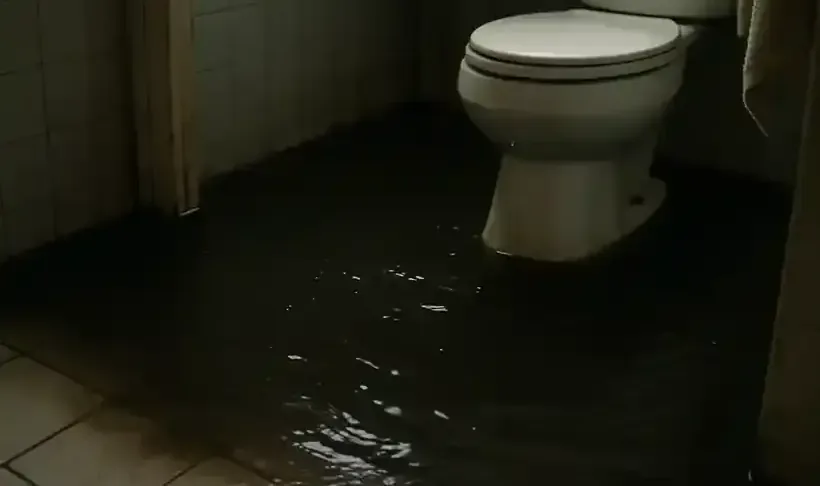
Sewage inside occupied space

Green Valley Sewage Backup Cleanup

A wastewater release needs a protected work area before ordinary household cleanup begins. The assessment identifies exposed materials, removal routes and the plumbing correction needed to prevent another backup.

(888) 949-8496Discuss the wastewater affected rooms
Restricted access Controlled removal Cleaning before drying
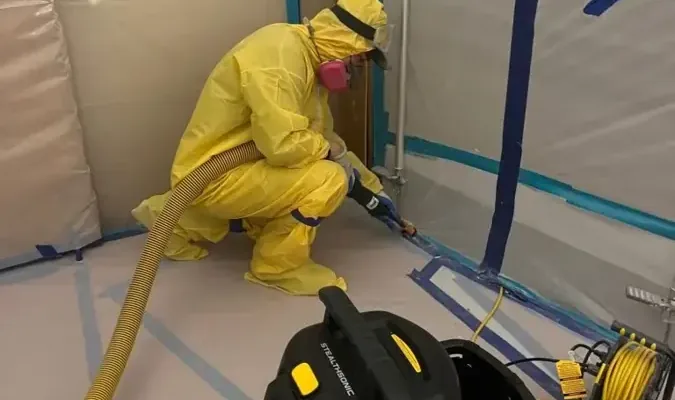
Worker in yellow protective coveralls using equipment inside a plastic containment area
Immediate priorities

Sewage Backup Cleanup: first steps

  1. 1

    Close off the affected area

    Keep occupants and pets away from wastewater and contaminated belongings. Avoid walking through the release, even to retrieve small items, because footwear can transfer residues into rooms that were previously unaffected.

  2. 2

    Stop using affected fixtures

    Leave implicated toilets, sinks or drains out of use while the plumbing cause is assessed. Report whether several fixtures are involved so the diagnostic work can account for the full pattern.

  3. 3

    Avoid ordinary fans and household cleaning

    Do not direct airflow across dirty surfaces or mix cleaning chemicals in the affected area. Controlled removal and a suitable cleaning plan should come before equipment is arranged for material drying.

  4. 4

    Identify access and authorization contacts

    The owner or manager should arrange permission for entry, material removal and any shared space inspection. Keep that practical authorization separate from the later discussion of responsibility for the drainage repair.

Assessment and control

How sewage backup cleanup is handled

Rapid local response

The response team prioritizes active water movement and unsafe access. The first assessment separates source control from extraction, so a stopped leak does not leave hidden wet materials untreated.

IICRC S500 drying standard

The drying specialist sets a material-specific goal using unaffected reference readings. Airflow and dehumidification follow the evaporation load, with equipment adjusted when the daily measurements show a change.

Claim-ready documentation

The project file records the water source, affected rooms, material condition and work performed. Photographs and moisture logs let the owner and insurer examine the scope without relying on a dry-looking surface.

Local water experts

The site assessment checks the building actually affected, including access restrictions and shared assemblies. The restoration contractor distinguishes cleanup from plumbing, roof or equipment repair before recommending the next step.

Planning the cleanup

What does sewage backup cleanup cost in Green Valley, AZ?

Sewage cleanup pricing in Green Valley reflects wastewater spread, porous material removal and the work needed to reach contaminated surfaces. A written estimate should identify controlled handling, cleaning, disposal and drying, with the source diagnosis and plumbing repairs clearly distinguished from the building restoration scope.

A contained bathroom loss

$2,000 to $4,000
  • Restricted work area
  • Limited porous exposure
  • Focused residue removal

Several affected rooms

$4,000 to $10,000
  • Connected contaminated surfaces
  • Expanded disposal handling
  • Multiple access boundaries

Extensive wastewater exposure

$10,000 to $22,000+
  • Broad material removal
  • Concealed surface cleaning
  • Complex occupancy coordination

Category, wet square footage, material class and the delay before drying determine the scope. Repairing the source and replacing finishes may add separate charges. Compare the assumptions with the water damage cost calculator.

Work sequence

Sewage Backup Cleanup process

The crew records the starting condition, adjusts the equipment and verifies the result.

  1. 1

    Define the contamination boundary

    The inspection identifies wastewater pathways, affected contents and building layers that need assessment. Safe work access is separated from occupied areas. The property contact receives a description of restrictions and planned handling, while the appropriate plumbing professional investigates the cause and prevents continued discharge into the same space.

  2. 2

    Remove exposed material under control

    Liquid recovery and removal of unsuitable porous finishes proceed through a planned route. Equipment, waste and belongings are handled to avoid spreading residues into clean rooms. Photographs and material notes record what was affected before disposal or opening of the assembly changes the original appearance of the loss.

  3. 3

    Clean what the building will retain

    Once access is available, retained surfaces are cleaned using methods appropriate to the exposure and material. Concealed joints and lower cavities require attention where wastewater reached them. The work description should state which materials remain and explain the condition or access reasons behind each removal decision made during cleanup.

  4. 4

    Complete drying and repair preparation

    Drying addresses retained materials after necessary cleaning and removal are complete. Measurements track moisture within the exposed assembly, and the handoff identifies its condition for reconstruction. Source repair status, material records and remaining finish needs are brought together so the owner can coordinate the next contractor without reopening the same questions.

ExposureWastewater contact assessment
AccessSeparate occupied rooms
HandlingControl waste movement
RecoveryClean retained assemblies

A sewage backup can spread beyond the fixture through foot traffic, saturated rugs and concealed floor edges. The first useful boundary separates affected materials from the rest of the property. Within that boundary, cleanup needs a documented removal and cleaning sequence before drying equipment is placed around retained surfaces.

Keep the drainage diagnosis specific

The source professional should establish which fixtures or drainage components are involved. The restoration assessment then follows the wastewater already inside the building. A drinking water supplier's name should not be used as a substitute for identifying the actual drainage contact responsible for the system requiring repair.

Green Valley Council describes local dwellings within HOA arrangements, including town houses and condominiums. A wastewater loss in one room may require access to shared areas. The owner or manager should identify who can approve that entry and authorize opening affected finishes while the plumbing investigation proceeds.

Porous layers require their own decisions

Carpet, padding, wallboard and insulation can retain wastewater differently from a solid exposed surface. Removing visible liquid does not complete their assessment. The scope should explain which layers need removal, which surfaces can be cleaned and what access is required to reach residues around joints or within cavities.

Disposal routes deserve as much planning as the wet room itself. Material carried through an occupied hallway needs controlled handling, and tools moving out of the work area should not transfer residues. Those arrangements help keep the cleanup footprint aligned with the original exposure rather than expanding it through avoidable movement.

Return the assembly to a repairable condition

West Center contains an auditorium and kitchen, while Las Campanas on Belltower Drive and Santa Rita Springs on Via Rio Fuerte are major recreation centers. These facilities illustrate the community's shared spaces. Any wastewater affected building needs its own access and occupancy plan based on the rooms involved.

Toilet overflow cleanup explains fixture related exposure, and structural drying addresses retained materials after cleanup. A complete handoff connects the source correction with the cleaned assembly, removed layers and moisture findings that support the next stage of reconstruction.

Practical answers

Sewage Backup Cleanup questions in Green Valley, AZ

Can occupants walk through the room with covered shoes?

Avoid unnecessary entry into wastewater affected space. Footwear and carried items can transfer residues beyond the original release. A controlled work route should be established after assessment, with occupants kept clear until the relevant cleanup and access conditions have been addressed.

Should every drain be tested to find the problem?

Leave affected fixtures out of use and describe the symptoms to the plumbing professional. Additional water can worsen a backup. Diagnosis should establish the cause and repair approach while restoration assesses the material exposure already present in the building.

Can a wet rug simply be washed and returned?

Its suitability depends on the material and wastewater exposure. Porous items can be difficult to clean adequately, so handling should follow an assessment rather than routine household washing. Photographing the item and recording its condition helps the owner assess the proposed decision.

Why remove trim when the floor has been cleaned?

Wastewater can enter joints beneath trim and reach lower wall materials. Surface cleaning may leave concealed residues inaccessible. Removal should have a stated purpose, such as reaching contamination or damaged material, and the work record should describe the affected layers found behind it.

Who identifies the responsible drainage service contact?

The property owner, manager and diagnosing plumbing professional should establish the appropriate contact for the actual system. Restoration documentation can describe the release and damage, but access planning should proceed with clear authorization rather than relying on assumptions about utility names or repair responsibility.

Does drying equipment remove wastewater contamination?

Drying reduces moisture in retained materials after the necessary removal and cleaning. It does not replace those cleanup tasks. The scope should keep contamination handling and moisture reduction distinct, then provide records showing the condition of surfaces prepared for subsequent building repairs.

Service area

Sewage backup cleanup coverage

Green Valley, AZ

Green Valley sewage assessments require a description of affected rooms, fixture behavior and safe entry arrangements. The authorized property contact helps coordinate shared access and necessary material removal.

The same service nearby: sewage backup cleanup in Sahuarita, Corona de Tucson, Drexel Heights.

Water damage restoration in Green Valley · every town covered

24/7 water damage dispatch

Restore a clear boundary around the affected space

Arrange an assessment that explains exposed materials, controlled handling and the cleaning and drying needed before occupied rooms and repair work can be planned again.

(888) 949-8496Plan controlled wastewater recovery
(888) 949-849624/7 dispatch