Condensate escaping its intended route

AC Leak Cleanup in Corona de Tucson

A small drip beneath an air handler can soak its supporting area before water reaches a visible ceiling. Cleanup needs to connect equipment repair with every building layer the condensate reached.

(888) 949-8496Discuss the air handler water damage
Condensate source coordination Platform and cavity checks Ceiling moisture assessment
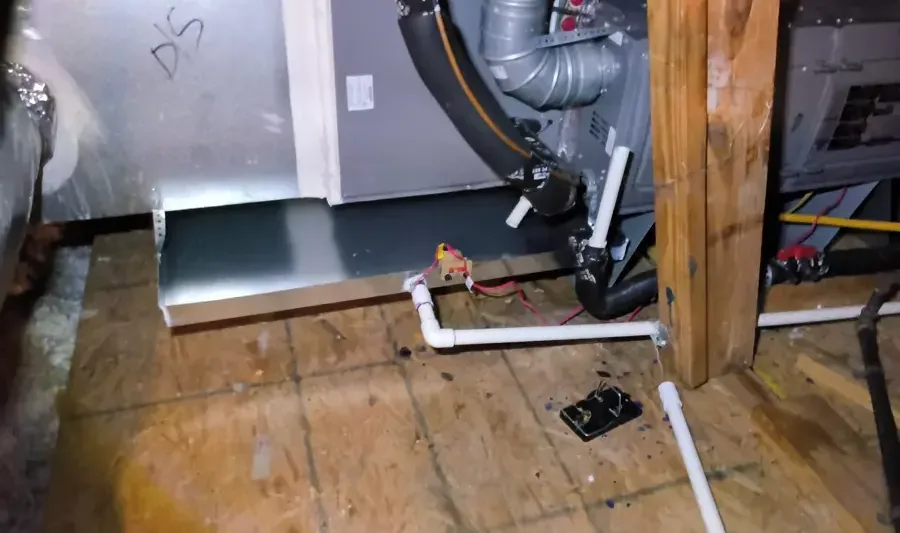
Air handler above a stained timber platform beside condensate piping
Immediate priorities

AC Leak Water Damage: first steps

  1. 1

    Keep away from wet equipment components

    Do not open panels or reach across water to handle electrical connections. Describe the air handler's location and visible leak so safe equipment assessment and building access can be coordinated by appropriate professionals.

  2. 2

    Describe when the moisture appears

    Note whether dripping occurs during operation and where stains or puddles develop. Timing can help the equipment investigation, while visible changes below or beside the unit help define the restoration inspection.

  3. 3

    Avoid entering an unsafe overhead space

    A leaking unit above a ceiling can affect insulation and the room below. Keep clear of sagging finishes and arrange assessment without climbing into a wet or poorly supported concealed area.

  4. 4

    Check adjoining surfaces without dismantling them

    From accessible dry areas, record damp trim, ceiling marks or flooring changes. Share those observations so the inspection follows condensate beyond the equipment footprint and includes connected materials that may need drying.

Assessment and control

How AC leak water damage is handled

Rapid local response

The response team prioritizes active water movement and unsafe access. The first assessment separates source control from extraction, so a stopped leak does not leave hidden wet materials untreated.

IICRC S500 drying standard

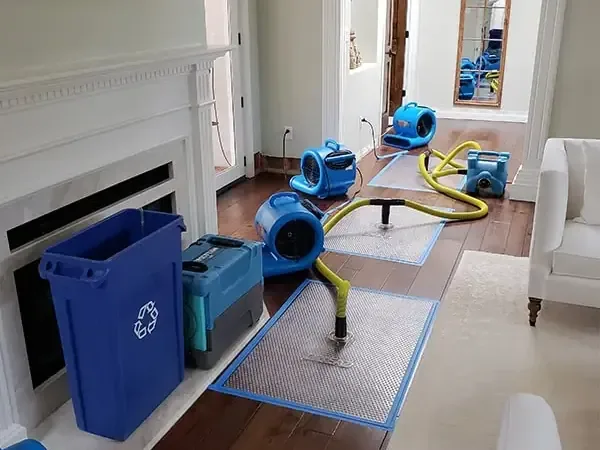
The drying specialist sets a material-specific goal using unaffected reference readings. Airflow and dehumidification follow the evaporation load, with equipment adjusted when the daily measurements show a change.

Claim-ready documentation

The project file records the water source, affected rooms, material condition and work performed. Photographs and moisture logs let the owner and insurer examine the scope without relying on a dry-looking surface.

Local water experts

The site assessment checks the building actually affected, including access restrictions and shared assemblies. The restoration contractor distinguishes cleanup from plumbing, roof or equipment repair before recommending the next step.

Planning the cleanup

What does AC leak water damage cost in Corona de Tucson, AZ?

AC leak cleanup costs in Corona de Tucson depend on the equipment location and spread into its platform, walls or ceiling. Air conditioning repair may be separate from restoration, so the estimate should identify material access, water removal and drying before equipment or finishes conceal the affected area.

A localized platform leak

$800 to $1,800
  • Limited support area
  • Accessible moisture checks
  • Targeted drying access

Ceiling or wall involvement

$1,800 to $5,500
  • Concealed cavity assessment
  • Wet insulation handling
  • Connected finish inspection

Broader concealed wetting

$5,500 to $11,000+
  • Expanded material removal
  • Difficult equipment access
  • Detailed drying follow up

Category, wet square footage, material class and the delay before drying determine the scope. Repairing the source and replacing finishes may add separate charges. Compare the assumptions with the water damage cost calculator.

Work sequence

AC Leak Water Damage process

The crew records the starting condition, adjusts the equipment and verifies the result.

  1. 1

    Coordinate the equipment diagnosis with building access

    The air conditioning professional investigates the condensate or equipment problem while restoration records the surrounding water damage. Access must account for electrical components and the support beneath the unit. The initial plan should identify which areas can be inspected safely and whether overhead finishes or adjacent rooms require protection before closer evaluation.

  2. 2

    Trace condensate through the supporting assembly

    Moisture inspection follows the platform, nearby finishes and any cavity beneath or beside the equipment. A visible ceiling stain can be the end of a longer water path. Readings and accessible observations help define the wet boundary, with additional opening considered where trapped moisture or damaged material cannot otherwise be assessed.

  3. 3

    Remove unsuitable layers and dry retained materials

    Affected insulation or finishes are evaluated for retention, cleaning needs and physical condition. Selective removal may provide access to framing or support materials that can remain. The drying setup should serve those surfaces while preserving necessary equipment service access, avoiding a layout that leaves a concealed wet corner behind a functioning unit.

  4. 4

    Assess the assembly before normal concealment returns

    The final stage connects equipment repair findings with drying records from the affected building materials. Retained surfaces should be evaluated against suitable goals before insulation, ceiling board or access panels return. Any remaining physical damage is identified for repair so renewed equipment operation is not confused with complete recovery of its surrounding assembly.

SourceEscaped equipment condensate
InspectPlatform and adjoining cavity
SafetyElectrical and overhead access
HandoffRepaired unit dry surroundings

An air handler can resume normal operation while its surrounding building materials still hold water. A corrected condensate problem therefore needs an accompanying assessment of the platform, cavity and visible finishes. Corona de Tucson restoration follows that absorbed moisture through the actual equipment setting at the property.

Let the equipment location define the inspection route

A unit above a ceiling presents different access needs from equipment beside an occupied room. The assessment should identify the support materials and the path of escaped water, including any insulation or wall layers it reached. The visible drip alone may understate the affected area beneath a machine or inside a cavity.

South Houghton Road is the community's commercial corridor. The county path project references Camino del Toro and Vista Monte Drive while addressing access to neighborhoods, schools and businesses. These names provide useful location context when requesting service, followed by practical details about where the air handler sits inside the building.

  • Condensate beneath a unit can soak support materials before moisture becomes visible on an adjoining finished surface.
  • An overhead stain should prompt an assessment of insulation and framing along the water's path from equipment.
  • Electrical components near a puddle require appropriate safety assessment before panels or connections are handled during cleanup.
  • The wet platform and surrounding cavity need moisture checks before enclosure, even after cooling operation has resumed.

Keep the repair scope connected to retained moisture

The equipment professional addresses the malfunction and condensate route. Restoration evaluates the resulting material damage. If water has reached the room below, ceiling leak cleanup addresses overhead stability and finishes. The two scopes should explain where responsibilities meet, including access needed beneath the equipment.

Document concealed surfaces before closing the space

Structural drying follows retained layers after necessary removal. Measurements should include the support area and connected materials that will become difficult to reach later. Photographs of opened cavities and source repair findings help make the final condition understandable to the owner and finish trade.

That handoff separates restored operation from restored building materials and keeps an overlooked damp corner from disappearing behind a new ceiling or equipment panel.

Practical answers

AC Leak Water Damage questions in Corona de Tucson, AZ

Does clearing a condensate drain finish the cleanup?

Correcting the equipment problem stops the source when the repair is successful, but water already released can remain in support materials, insulation or finishes. Those areas need assessment and drying decisions. Coordinate the equipment findings with restoration so the wet building assembly is not overlooked after normal operation returns.

Why can a ceiling stain appear away from the unit?

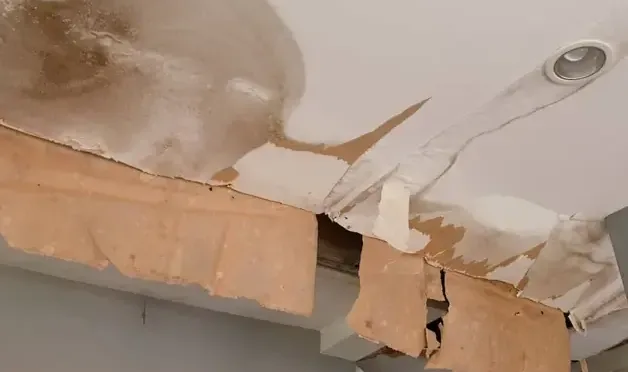
Water can travel along framing or other concealed surfaces before reaching the ceiling finish. The inspection should connect the air handler area with the stain rather than assuming only the visibly marked panel is wet. That pathway may include insulation or support materials requiring access and separate treatment.

Should the air handler be opened to wipe away water?

Opening equipment around moisture can expose electrical and mechanical hazards. An appropriate professional should evaluate safe access and the source problem. The owner can describe visible water and its timing from a safe location while equipment service and building cleanup responsibilities are coordinated before panels or connections are disturbed.

Can the wet platform remain under the repaired equipment?

That depends on its construction, physical condition and access for effective drying. A supporting assembly needs evaluation before retention or repair is decided. The scope should coordinate equipment support and service access with restoration, documenting any material that must be removed or repaired rather than simply covered again.

Does a small condensate drip need a broad inspection?

A small visible release can persist and wet concealed materials beyond the obvious spot. Inspection follows the measured moisture boundary, including nearby wall edges and the supporting platform, to establish the extent of the required cleanup. Platform edges, adjacent finishes and accessible cavities help establish which areas genuinely need treatment and monitoring.

What information helps distinguish the repair from drying work?

Keep the equipment diagnosis, repair description and observations of the escaped water path. Restoration photographs, removal notes and final moisture findings describe the building response. Together those records show how the source was corrected and what happened to affected materials before insulation, finishes or equipment panels concealed them again.

Service area

AC leak water damage coverage

Corona de Tucson, AZ

AC leak cleanup in Corona de Tucson uses the air handler location and visible moisture path to plan inspection, with community corridor references supporting safe property access arrangements.

The same service nearby: AC leak water damage in Sahuarita, Vail, Green Valley.

Water damage restoration in Corona de Tucson · every town covered

24/7 water damage dispatch

Complete the building recovery around the repaired unit

The useful repair handoff includes equipment findings and material drying records. Mention stains, platform moisture and access restrictions so the cleanup scope reaches beyond the visible drip beneath the unit.

(888) 949-8496Discuss the wet equipment surroundings
(888) 949-849624/7 dispatch