Water beneath furniture and finishes

Corona de Tucson Water Extraction

A puddle that keeps spreading changes the whole room. Extraction removes the accessible water, then checks the floor edges and concealed layers that a mop cannot reach.

(888) 949-8496Discuss standing water removal
Liquid water recovery Wet boundary inspection Drying handoff
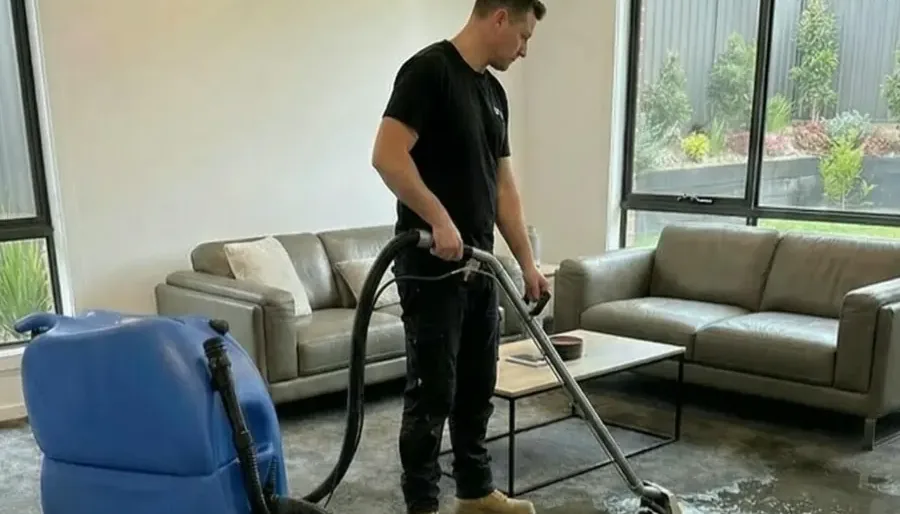
Technician using an extraction wand across a wet living room floor
Immediate priorities

Water Extraction: first steps

  1. 1

    Check whether water is still rising

    Observe the wet boundary from a dry position. A growing puddle suggests an unresolved source, and continued discharge can overwhelm cleanup until the appropriate shutoff or repair is completed.

  2. 2

    Leave powered equipment untouched

    Avoid handling cords, plugs or appliances in the affected area. Electrical isolation should be arranged through a qualified professional when standing water reaches equipment or makes access to controls unsafe.

  3. 3

    Keep an uncontaminated route available

    Keep people away from unknown or dirty water. A dry entrance and clear route help protect unaffected spaces when recovery hoses and removed materials must pass through the property.

  4. 4

    Identify vulnerable contents from outside

    Point out furniture legs, boxes and low storage that have contacted water. Safe relocation decisions should account for the contents, contamination and whether movement could spread water elsewhere.

Assessment and control

How water extraction is handled

Rapid local response

The response team prioritizes active water movement and unsafe access. The first assessment separates source control from extraction, so a stopped leak does not leave hidden wet materials untreated.

IICRC S500 drying standard

The drying specialist sets a material-specific goal using unaffected reference readings. Airflow and dehumidification follow the evaporation load, with equipment adjusted when the daily measurements show a change.

Claim-ready documentation

The project file records the water source, affected rooms, material condition and work performed. Photographs and moisture logs let the owner and insurer examine the scope without relying on a dry-looking surface.

Local water experts

The site assessment checks the building actually affected, including access restrictions and shared assemblies. The restoration contractor distinguishes cleanup from plumbing, roof or equipment repair before recommending the next step.

Planning the cleanup

What does water extraction cost in Corona de Tucson, AZ?

Extraction costs in Corona de Tucson reflect water depth, floor area, access and contamination. The estimate should also distinguish liquid recovery from later drying and removal of unsalvageable materials, since those tasks may continue after the visible water is gone.

A shallow localized release

$500 to $1,200
  • Open floor access
  • Small recovery area
  • Basic moisture survey

Several wet rooms

$1,200 to $3,000
  • Connected puddle removal
  • Carpet recovery work
  • Broader edge inspection

Heavy or dirty water

$3,000 to $7,000+
  • Controlled waste handling
  • More demanding access
  • Contamination changes scope

Category, wet square footage, material class and the delay before drying determine the scope. Repairing the source and replacing finishes may add separate charges. Compare the assumptions with the water damage cost calculator.

Work sequence

Water Extraction process

The crew records the starting condition, adjusts the equipment and verifies the result.

  1. 1

    Select the recovery approach

    An initial walkthrough identifies the water source, affected finishes and safe operating conditions. Accessible puddles, saturated carpet and water held beneath movable contents require different recovery methods. The technician also checks whether an unresolved leak is replenishing the wet area and whether any surfaces require isolation before equipment enters.

  2. 2

    Recover the bulk liquid

    Extraction equipment removes water from accessible areas while its operator tracks edges, thresholds and low points. Furniture placement and floor transitions can interrupt the obvious flow path. Recovery work should progress in a way that avoids carrying dirty water across clean rooms or leaving isolated pools behind larger objects.

  3. 3

    Examine what remains wet

    A cleared surface exposes the next inspection questions. Moisture meters help compare wet edges, trim and adjoining surfaces, with further access considered where water has entered layered materials. Saturated padding or damaged porous finishes may need separate treatment. Findings define the drying scope rather than ending the job at extraction.

  4. 4

    Connect removal with controlled drying

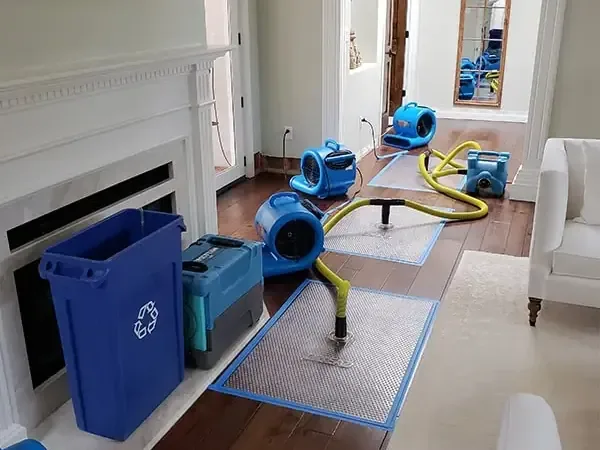
    Retained materials need a plan for evaporation and moisture removal from the air. The handoff records where water was recovered, which assemblies remain affected and what equipment or access is necessary. Follow up measurements then evaluate progress, providing a more useful completion basis than the disappearance of visible puddles alone.

PriorityReduce standing water
Hidden loadEdges and floor layers
AccessDry entry route
Next stageMeasured material drying

Open water is the easiest part of a loss to see. The more useful question is where that water has already traveled. Corona de Tucson extraction work should account for room connections, furnishings and the surfaces that continue to absorb moisture while the source remains active.

Start with the room's lowest collection points

A floor can hold separate pools divided by thresholds, rugs or stored objects. Removing the largest puddle may leave water beneath a cabinet toe space or inside carpet padding. The recovery plan should identify those pockets and distinguish accessible water from moisture already held within the building materials.

South Houghton Road serves the community's commercial center. A service request there may involve public entrances and stock as well as wet flooring. At a residence, the equivalent concerns are safe family access and protection for contents. In either setting, extraction equipment needs a clear route that avoids electrical exposure.

  • Water touching an appliance changes the access decision before any recovery hose is brought inside.
  • Carpet that feels only damp at the top can retain substantial moisture in the layer below.
  • Dirty outdoor water requires handling choices that prevent recovered liquid from contaminating unaffected occupied spaces.
  • A continuing pipe release must be controlled before a cleared floor can remain dry.

Give practical location and access details

Camino del Toro and Forrest Feezor Street are named along the proposed South Houghton path segment. These road references can help explain the property location during scheduling. The cleanup discussion should then move indoors: affected rooms, blocked thresholds, source status and surfaces that have changed since water was discovered.

Extraction prepares the building for its next decision

Removing liquid does not settle whether a wood floor can be retained or a wall cavity needs opening. Those choices depend on moisture, damage and contamination. Structural drying follows the retained assembly, while flood cleanup addresses the different handling needs of exterior runoff.

Ask for a record of the wet boundary and any areas that could not be reached. That information helps the next crew continue the work without overlooking a soaked edge beneath furniture or a floor transition that appeared clear during the first visit.

Practical answers

Water Extraction questions in Corona de Tucson, AZ

Can extraction begin while the pipe is still leaking?

An unresolved discharge should be controlled as part of the response. Recovery may limit accumulation, but continuing water can rewet every cleared area. The plan needs a safe shutoff or repair arrangement and an assessment of whether entering the room is appropriate before equipment operates.

Does carpet always need removal after standing water?

The decision depends on the water source, exposure, backing, padding and physical condition. Surface extraction alone cannot answer it. An assessment should identify whether the carpet and underlying materials can be cleaned and dried effectively, with removal decisions explained before damaged layers are discarded.

What happens to water under a floating floor?

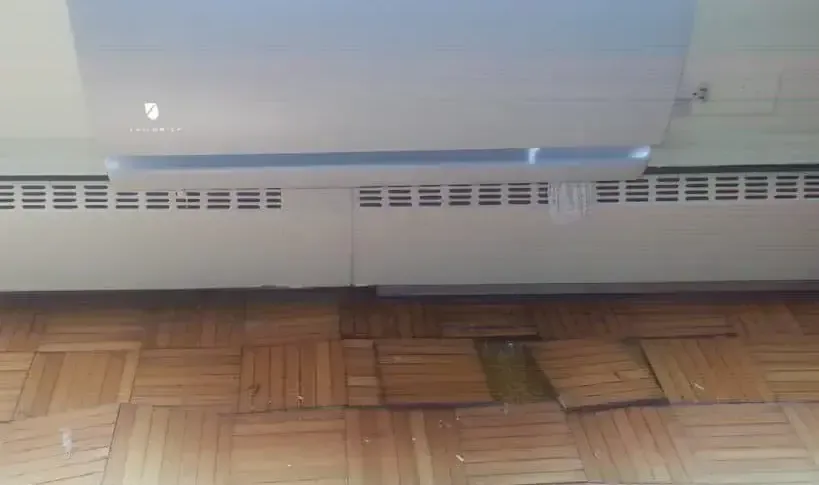
Water beneath a floor covering can remain after the visible surface clears. Inspection at edges and appropriate moisture measurements help determine its extent. Access or selective removal may be needed when the assembly prevents effective recovery and drying of the materials underneath the finished surface.

Is a household wet vacuum enough for several rooms?

Its capacity and reach may be inadequate for widespread water, saturated padding or concealed pockets. Electrical safety and contamination also affect suitability. Professional assessment focuses on the full affected area and the next drying stage, rather than only the volume a small machine can collect.

Why are measurements taken after the puddle disappears?

The remaining moisture is held in materials rather than lying openly on the floor. Measurements help locate wet walls, trim or floor layers and establish where drying should continue. They also provide a starting point for comparing later conditions and identifying areas that need better access.

Should furniture be moved before the extraction visit?

Only safe, uncontaminated items should be considered for movement, and electrical or structural hazards take priority. Heavy wet furniture can damage flooring or spread dirty water. Describe the contents during the initial discussion so relocation and protection can be incorporated into the room's cleanup sequence.

Service area

Water extraction coverage

Corona de Tucson, AZ

Extraction requests in Corona de Tucson can describe access from South Houghton Road and nearby community corridors, along with the affected rooms and current source conditions.

The same service nearby: water extraction in Sahuarita, Vail, Green Valley.

Water damage restoration in Corona de Tucson · every town covered

24/7 water damage dispatch

Clear the water and identify what remains

A useful recovery scope includes accessible liquid, concealed wet areas and the transition to drying. Explain any blocked entrance or electrical concern before access is arranged.

(888) 949-8496Plan liquid recovery
(888) 949-849624/7 dispatch