Moisture remaining after water removal

Corona de Tucson Structural Drying

The puddle can be gone while the building still holds water. Structural drying tracks retained materials, controls released moisture and adjusts equipment until the assembly is ready for repair assessment.

(888) 949-8496Discuss retained material drying
Measured moisture progress Controlled drying space Repair readiness records
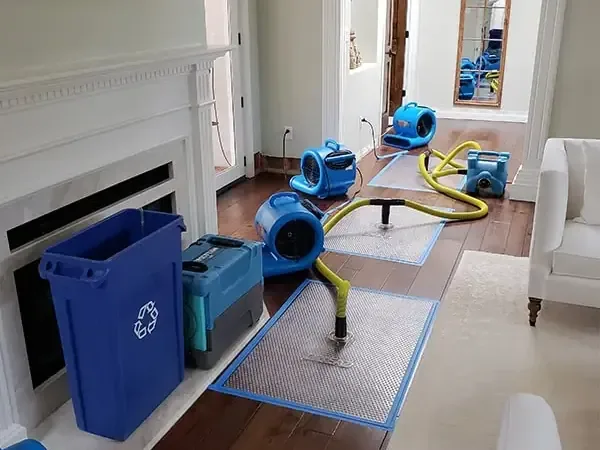
Air movers and floor drying mats arranged along a hallway and adjoining room
Immediate priorities

Structural Drying: first steps

  1. 1

    Confirm the source has been addressed

    A drying setup cannot make steady progress while new water keeps entering. Share the source repair status and any fresh wetting so the inspection can distinguish active discharge from moisture retained after the original event.

  2. 2

    Keep planned measurement points accessible

    Avoid replacing trim, closing cavities or covering affected flooring before assessment. The drying plan needs access to meaningful locations so later readings can be compared with the initial condition of retained materials.

  3. 3

    Leave equipment settings to the drying plan

    Switching off machines or moving them can interrupt the intended airflow and moisture control. Discuss noise, access or occupancy concerns so practical adjustments can be made without concealing a stalled drying area.

  4. 4

    Report changing room conditions

    Mention new odors, leaks, equipment interruptions or surfaces that appear to worsen. These observations help the next assessment identify whether the setup, source conditions or access to a wet layer needs revision.

Assessment and control

How structural drying is handled

Rapid local response

The response team prioritizes active water movement and unsafe access. The first assessment separates source control from extraction, so a stopped leak does not leave hidden wet materials untreated.

IICRC S500 drying standard

The drying specialist sets a material-specific goal using unaffected reference readings. Airflow and dehumidification follow the evaporation load, with equipment adjusted when the daily measurements show a change.

Claim-ready documentation

The project file records the water source, affected rooms, material condition and work performed. Photographs and moisture logs let the owner and insurer examine the scope without relying on a dry-looking surface.

Local water experts

The site assessment checks the building actually affected, including access restrictions and shared assemblies. The restoration contractor distinguishes cleanup from plumbing, roof or equipment repair before recommending the next step.

Planning the cleanup

What does structural drying cost in Corona de Tucson, AZ?

Structural drying costs in Corona de Tucson depend on the retained materials, number of connected spaces and access to concealed moisture. The estimate should describe the equipment arrangement, monitoring and any necessary openings, with rebuilding and unresolved source repairs separated from the drying scope.

One drying chamber

$1,000 to $2,500
  • Defined room boundary
  • Focused equipment placement
  • Material progress checks

Several connected rooms

$2,500 to $6,000
  • Broader humidity control
  • Multiple assembly readings
  • Adjusted airflow layout

Dense or concealed wetting

$6,000 to $12,000+
  • Additional drying access
  • Slow material monitoring
  • Complex retained layers

Category, wet square footage, material class and the delay before drying determine the scope. Repairing the source and replacing finishes may add separate charges. Compare the assumptions with the water damage cost calculator.

Work sequence

Structural Drying process

The crew records the starting condition, adjusts the equipment and verifies the result.

  1. 1

    Establish meaningful starting measurements

    The initial survey identifies retained wet materials and suitable comparison locations. Readings are connected to the room layout and water pathway so later measurements can follow the same concerns. The plan also records inaccessible areas, ensuring that concealed moisture questions remain visible instead of being lost behind a generally improving room appearance.

  2. 2

    Build a controlled drying arrangement

    Equipment is selected for the materials, space and moisture load. Air movers encourage evaporation from accessible surfaces while dehumidification removes moisture released into the air. The arrangement should account for connected rooms, containment where appropriate and practical occupancy needs, with a clear explanation of why particular equipment positions must remain accessible.

  3. 3

    Adjust the work using material response

    Follow up readings show whether retained materials are moving toward the intended goals. A stalled area may require different airflow, more effective humidity control or additional access to a trapped layer. Adjustments should respond to those findings rather than leaving the original equipment layout unchanged simply because machines continue to operate.

  4. 4

    Record readiness before reconstruction begins

    Completion assessment compares the relevant materials with the established goals and documents any remaining limitations. Source correction and necessary cleaning or removal should also be accounted for. The resulting handoff allows repair trades to evaluate the assembly's condition before insulation, wallboard, trim or flooring makes those inspection points inaccessible again.

Starting pointRetained wet materials
Air movementSupport controlled evaporation
Humidity controlRemove released moisture
Completion basisMeasured material response

A drying machine running in the room is an action, not a completion result. The useful result is a retained assembly whose moisture condition supports the next repair. Corona de Tucson structural drying should make that distinction visible through measurements, access decisions and records of progress.

Define what the equipment is meant to dry

Wet framing, a layered floor and a wall cavity present different access problems. The plan should identify the material and the route moisture can take out of it. An enclosed wet layer may need opening even when the room air is controlled, because equipment cannot compensate for every inaccessible assembly.

The South Houghton Multi Use Path Project addresses access to neighborhoods, schools and businesses. Its corridor includes South Houghton Road, Forrest Feezor Street and Vista Monte Drive. Those names provide location context for a visit; the property's own materials and moisture readings determine the drying arrangement once inspection begins.

  • A dry room surface can coexist with moisture held deeper inside a dense or layered assembly.
  • Closing a cavity early removes useful measurement access and may trap water behind the new finish.
  • Equipment interruptions should be reported so their effect on material progress can be evaluated at follow up.
  • New water entry requires source attention before the drying plan can be expected to reach its goals.

Connect evaporation with removal from the air

Air movement helps moisture leave a surface, but that released moisture also needs somewhere to go. Dehumidification and management of the drying space support that process. The setup should be reviewed against actual readings so an apparently busy room does not conceal ineffective drying at the most affected material.

Carry the records into the repair stage

Water extraction reduces the initial liquid burden. Hardwood floor assessment can add material specific decisions where wood is involved. The final drying record should identify tested areas and retained layers, giving the next trade useful information before surfaces are covered and the work becomes difficult to inspect.

Practical answers

Structural Drying questions in Corona de Tucson, AZ

Why does drying continue after extraction removes the water?

Extraction handles accessible liquid, while building materials retain absorbed moisture. Drying addresses the remaining load through evaporation, humidity control and suitable access. Measurements establish where work should continue, preventing the absence of puddles from being mistaken for a recovered floor, wall or concealed cavity.

Can equipment be turned off overnight because it is noisy?

Interruptions can affect the drying plan and should be discussed before settings are changed. The provider can evaluate occupancy concerns and possible adjustments while preserving effective moisture control. Report any shutdown or power problem so later measurements can be interpreted with a clear record of how the setup operated.

What causes a material to dry more slowly than others?

Thickness, layering, access and the amount of retained moisture can all influence progress. A surface may also be repeatedly wetted by an unresolved source. Follow up readings help identify the cause and support changes in airflow, humidity control or selective access where the original arrangement is not sufficient.

Do open windows always improve the drying process?

The effect depends on surrounding air conditions and the equipment strategy. Unplanned changes can disrupt a controlled drying space rather than improve it. Window and door use should be coordinated with the provider so moisture removal follows the intended setup and measurements remain useful for evaluating material progress.

Who decides when walls can be closed again?

The drying assessment documents retained material conditions, while the repair trade evaluates the proposed reconstruction requirements. Source correction and any necessary cleaning or removal also matter. A clear handoff should connect those findings before new finishes conceal the assembly, rather than using a fixed waiting period as the only criterion.

What should a useful drying record contain?

It should identify affected materials, meaningful measurement locations, equipment arrangements and progress toward the selected goals. It should also note access limitations, interruptions and remaining work. These details make completion understandable and provide a practical account of conditions that will later be hidden behind insulation, trim or flooring.

Service area

Structural drying coverage

Corona de Tucson, AZ

Drying assessments in Corona de Tucson use the actual retained materials and wet boundary, with South Houghton Road corridor references helping arrange access for initial and follow up visits.

The same service nearby: structural drying in Sahuarita, Vail, Green Valley.

Water damage restoration in Corona de Tucson · every town covered

24/7 water damage dispatch

Make repair readiness a documented decision

A clear drying scope explains equipment, monitoring and any openings needed for trapped water. Share occupancy concerns early so access and practical room use can be considered together.

(888) 949-8496Discuss measurable drying progress
(888) 949-849624/7 dispatch