Follow condensate beyond the equipment

AC Leak Water Damage in Vail

Cooling equipment can leave a wet platform or ceiling while the room still feels comfortable. Condensate cleanup follows the moisture route after the equipment professional establishes the cause and safe operation.

(888) 949-8496Discuss the condensate damage path
Equipment drainage assessed Platform condition checked Connected ceilings inspected
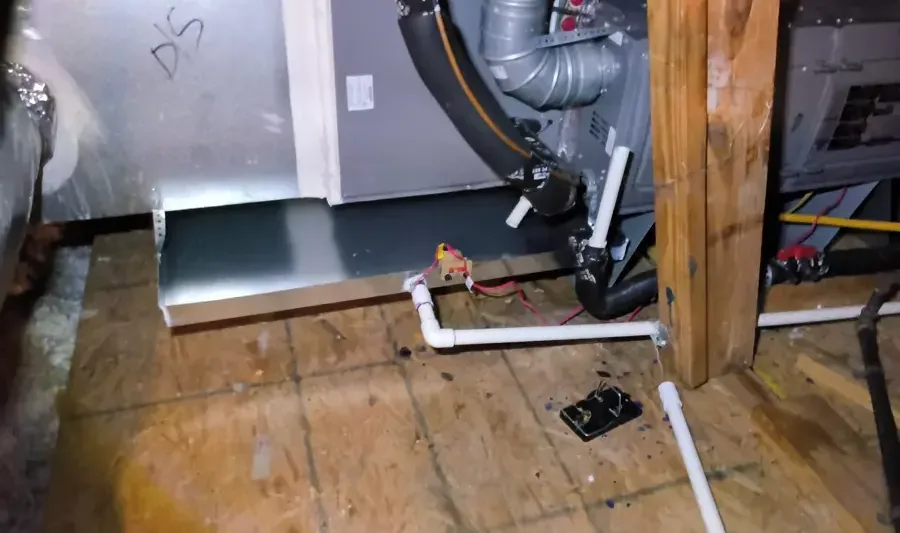
Air handler above a stained timber platform beside condensate piping
Immediate priorities

AC Leak Water Damage: first steps

  1. 1

    Arrange safe equipment assessment

    Water near an air handler or its electrical connections should not be approached casually. Describe the visible symptom and obtain appropriate equipment help before opening panels, adjusting controls or attempting to reach the wet platform.

  2. 2

    Stay clear beneath sagging finishes

    Condensate can collect above a ceiling before appearing in the room. If drywall sags or a fixture is wet, keep the area below clear until overhead stability and electrical concerns have been assessed.

  3. 3

    Record when the moisture appears

    Mention whether wetting seems connected to cooling operation and whether it continues when conditions change. Safe photographs of the platform edge, wall or ceiling can help connect the equipment finding to the indoor damage.

  4. 4

    Include spaces below and beside the unit

    A nearby closet or adjoining wall can receive water even when the equipment recess contains little visible pooling. Describe all changed surfaces so the restoration assessment considers the connected route rather than only the machine.

Assessment and control

How AC leak water damage is handled

Rapid local response

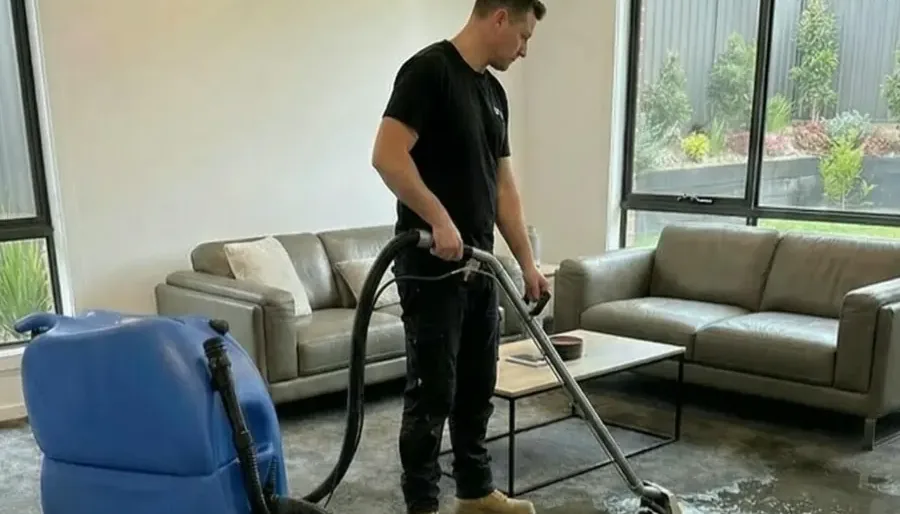
The response team prioritizes active water movement and unsafe access. The first assessment separates source control from extraction, so a stopped leak does not leave hidden wet materials untreated.

IICRC S500 drying standard

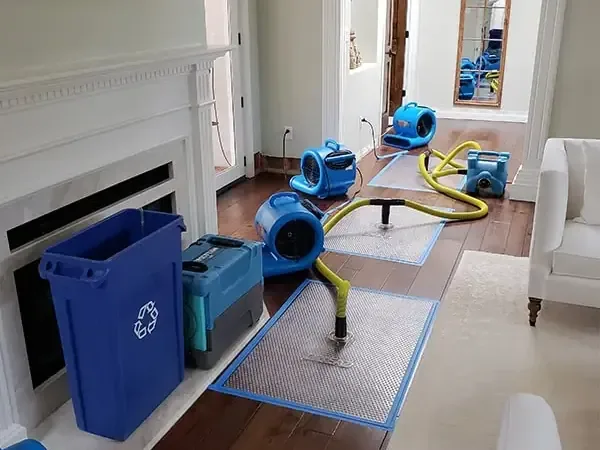
The drying specialist sets a material-specific goal using unaffected reference readings. Airflow and dehumidification follow the evaporation load, with equipment adjusted when the daily measurements show a change.

Claim-ready documentation

The project file records the water source, affected rooms, material condition and work performed. Photographs and moisture logs let the owner and insurer examine the scope without relying on a dry-looking surface.

Local water experts

The site assessment checks the building actually affected, including access restrictions and shared assemblies. The restoration contractor distinguishes cleanup from plumbing, roof or equipment repair before recommending the next step.

Planning the cleanup

What does AC leak water damage cost in Vail, AZ?

AC leak water damage cleanup in Vail depends on the platform location, access and the building layers reached by condensate. Equipment service is distinct from drying or replacing wet finishes. The estimate should explain overhead inspection, selective opening and material monitoring along with any necessary contents protection or remaining reconstruction.

A localized platform leak

$800 to $1,800
  • Accessible equipment surroundings
  • Limited material wetting
  • Focused moisture comparisons

Ceiling or wall involvement

$1,800 to $5,500
  • Connected cavity inspection
  • Controlled finish opening
  • Broader drying placement

Broader concealed wetting

$5,500 to $11,000+
  • Complex overhead access
  • Multiple assembly evaluation
  • Expanded restoration handoff

Category, wet square footage, material class and the delay before drying determine the scope. Repairing the source and replacing finishes may add separate charges. Compare the assumptions with the water damage cost calculator.

Work sequence

AC Leak Water Damage process

The crew records the starting condition, adjusts the equipment and verifies the result.

  1. 1

    Connect the equipment diagnosis to the visible damage

    The cooling equipment professional establishes the condensate or drainage problem and safe operating conditions. Restoration records the indoor symptoms and their timing. Sharing those findings helps locate the path between the unit and the affected ceiling or wall, with source correction kept distinct from the work on wet materials.

  2. 2

    Inspect the platform and neighboring layers

    Once access is safe, the assessment checks the support surface, nearby insulation and connected building finishes. Water may have traveled through a penetration or along framing before becoming visible. The moisture map includes these routes and identifies any area that needs selective opening to establish its condition or support drying.

  3. 3

    Prepare and dry the retained assembly

    Unsound finishes and obstructing wet materials are evaluated before equipment placement. Retained surfaces receive an appropriate drying arrangement that accounts for the confined or overhead location. Progress readings determine whether the approach is reaching the wet layers and whether a persistent area needs revised access or a closer source assessment.

  4. 4

    Confirm readiness for equipment access and finish repair

    The final assessment records the condition of retained materials around the unit and along the affected water path. Remaining ceiling, wall or platform repairs are identified separately from cooling system service. That handoff helps coordinate normal equipment access and reconstruction without covering a damp surface that still needs attention.

SymptomPlatform or ceiling wetting
EquipmentAssess condensate drainage
PathCheck connected cavities
RepairSeparate service and drying

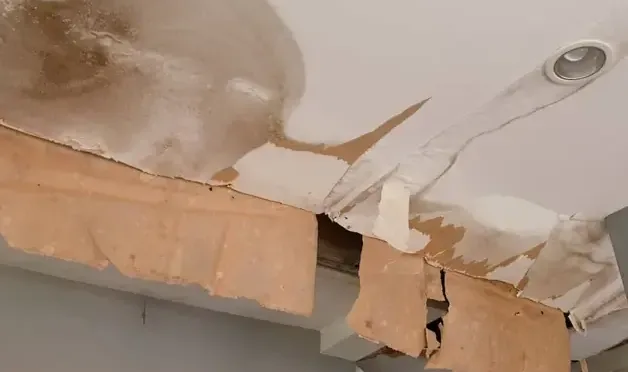
A cooling system can appear to be doing its job while condensate reaches the building around it. The indoor symptom may be subtle at first, such as a changed ceiling edge or damp baseboard. Cleanup needs to connect that symptom to the equipment finding and the concealed route between them.

Let the equipment assessment establish the source

Vail properties described by Houghton Road, Lava Peak Road or Colossal Cave have individual equipment locations and access arrangements. The inspection should record the actual unit, drainage path and affected support surfaces. A ceiling stain alone is insufficient to choose which part of the cooling system needs service.

The equipment professional addresses the operational problem and safe access. Restoration evaluates the water already in the building. Keeping those responsibilities clear matters because a cleared drain can end new wetting while insulation, a platform or nearby wall materials remain damp beyond the visible equipment connection.

Inspect where condensate leaves the recess

Water may cross a platform edge, follow a penetration or soak into a supporting material before reaching the occupied room. The inspection follows those paths and checks their connections to the ceiling or wall. A small visible mark can therefore require access to a different part of the assembly.

  • Wet insulation can obstruct the view of a support surface that needs direct assessment.
  • Staining near a ceiling fixture requires an electrical assessment before ordinary room use resumes.
  • A closet beside the equipment can conceal damp finishes behind stored household items.

Keep the finish repair behind the drying decision

Ceiling leak water damage may be part of the same event when condensate reaches an overhead finish. The ceiling work should connect to the equipment recess so neither end of the water path is assessed in isolation. Selective access needs a stated purpose and a controlled work area.

For retained framing and other layers, structural drying uses repeat material checks to support the repair handoff. The completion record should identify what dried, what was removed and which finishes still need replacement. A repaired cooling system and a restored building assembly are related outcomes that require their own verification.

Practical answers

AC Leak Water Damage questions in Vail, AZ

Can an AC system cool normally while water damages the building?

Cooling performance and condensate handling are different parts of the equipment's operation. An apparent cooling response does not resolve a wet platform or ceiling. The equipment professional should assess the cause, while restoration checks the materials that received water and the route into the affected room.

Should the drain be cleared before the room is inspected?

The equipment issue and indoor damage can be assessed in coordination. Source correction is necessary, but wet building layers still require attention afterward. Sharing the equipment findings with the restoration assessment helps define the complete path and avoids treating a corrected drain as the end of the loss.

Why might the stain be away from the air handler?

Water can travel along a platform, framing member or penetration before reaching a visible finish. The stain may mark the end of that route. Inspection should connect the equipment area to the changed surface and evaluate the material between them for moisture that remains concealed.

Is it safe to inspect an overhead unit personally?

Access may involve wet electrical components, uncertain footing and damaged ceiling material. Occupants should remain in safe areas and describe what is visible without opening equipment or entering unstable spaces. Appropriate professionals can establish access and coordinate the source assessment with inspection of the surrounding building materials.

Will drying the room air address the wet platform?

Room air conditions alone do not describe moisture inside the platform or connected layers. The drying approach needs access to the affected material and repeat checks of its condition. An obstructed or dense layer may need a different arrangement than the open room below the equipment.

What should be completed before the ceiling patch is closed?

The condensate problem should be corrected and retained wet materials assessed against the drying plan. Any damaged insulation or finishes need an explained handling decision. The handoff then identifies remaining reconstruction, so the patch does not cover an unresolved damp area along the equipment's water path.

Service area

AC leak water damage coverage

Vail, AZ

Condensate damage assessments serve Vail properties near references including Rex Molly Road and Rancho Del Lago Golf Course. Equipment location and safe access determine how the connected materials are inspected.

The same service nearby: AC leak water damage in Sahuarita, Corona de Tucson, Green Valley.

Water damage restoration in Vail · every town covered

24/7 water damage dispatch

Complete the building work after equipment service

The restoration assessment should follow the full moisture route and explain drying, selective access and finish repairs before the affected assembly is closed again for ordinary use.

(888) 949-8496Plan the AC damage assessment
(888) 949-849624/7 dispatch