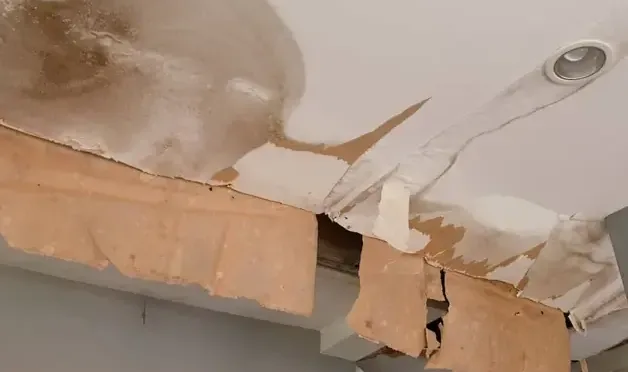
Rain entry above the living space

Roof Leak Cleanup in Corona de Tucson

Rain entering a roof can wet hidden layers before reaching a ceiling. Cleanup follows the interior moisture path while roof protection and permanent repair address the opening above.

(888) 949-8496Discuss rain entry and interior damage
Roof repair coordination Attic moisture assessment Interior drying scope
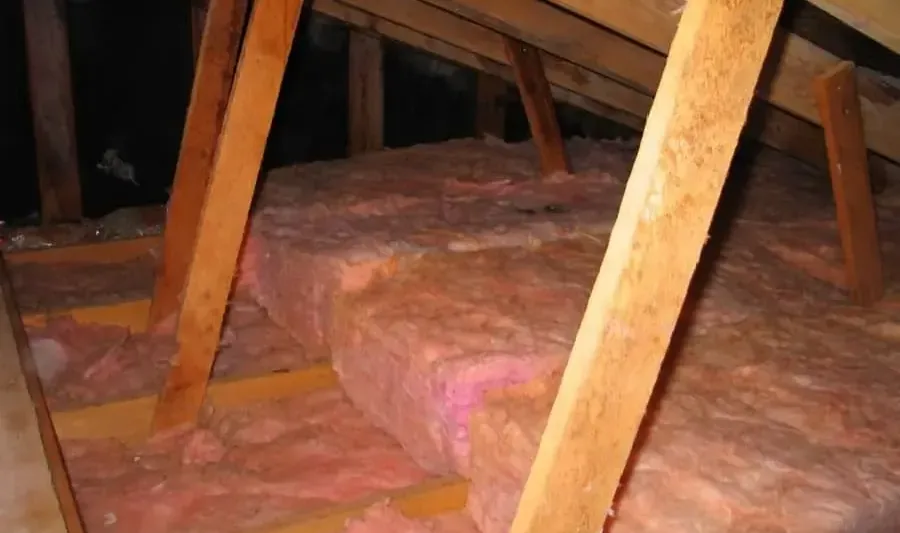
Exposed timber roof framing above pink insulation inside an attic
Immediate priorities

Roof Leak Water Damage: first steps

  1. 1

    Avoid climbing to inspect the roof

    A wet roof and concealed damage can make access unsafe. Describe the visible indoor symptoms and arrange appropriate roofing assessment rather than attempting to locate the opening from above during rainfall.

  2. 2

    Keep out from under weakened finishes

    Sagging ceilings and falling fragments require an exclusion area. Leave the space below clear and mention nearby lighting or wiring so electrical concerns are considered before anyone starts moving contents.

  3. 3

    Record the relationship to rainfall

    Note when dripping begins, whether it stops and where new stains develop. Observations from safe indoor locations help connect the source investigation with the materials that need cleanup and drying.

  4. 4

    Plan protection for repeated entry

    Explain whether rain is still reaching the room. Temporary roof protection belongs with a safe professional access plan, while interior cleanup must account for the possibility of additional wetting before permanent repair.

Assessment and control

How roof leak water damage is handled

Rapid local response

The response team prioritizes active water movement and unsafe access. The first assessment separates source control from extraction, so a stopped leak does not leave hidden wet materials untreated.

IICRC S500 drying standard

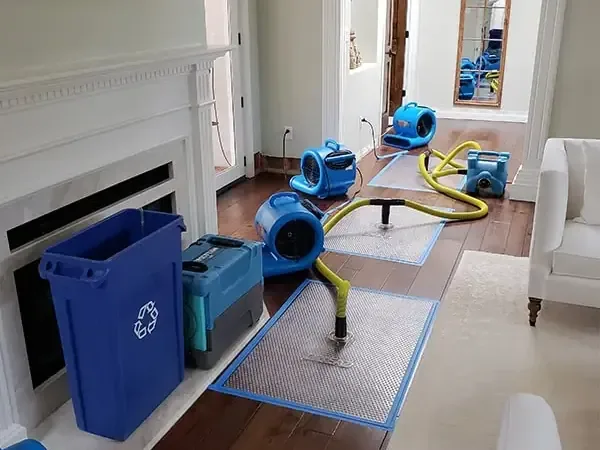
The drying specialist sets a material-specific goal using unaffected reference readings. Airflow and dehumidification follow the evaporation load, with equipment adjusted when the daily measurements show a change.

Claim-ready documentation

The project file records the water source, affected rooms, material condition and work performed. Photographs and moisture logs let the owner and insurer examine the scope without relying on a dry-looking surface.

Local water experts

The site assessment checks the building actually affected, including access restrictions and shared assemblies. The restoration contractor distinguishes cleanup from plumbing, roof or equipment repair before recommending the next step.

Planning the cleanup

What does roof leak water damage cost in Corona de Tucson, AZ?

Roof leak cleanup costs in Corona de Tucson depend on attic access, insulation saturation and the number of affected interior surfaces. Roofing repair and temporary protection may be separate items; the restoration estimate should identify its removal, cleaning and drying responsibilities clearly.

A localized interior leak

$1,000 to $2,200
  • Limited finish involvement
  • Accessible attic inspection
  • Targeted moisture removal

Broader attic saturation

$2,200 to $6,000
  • Wet insulation access
  • Expanded framing assessment
  • Several interior surfaces

Repeated or extensive entry

$6,000 to $14,000+
  • Broader damage documentation
  • Complex cavity drying
  • Additional selective removal

Category, wet square footage, material class and the delay before drying determine the scope. Repairing the source and replacing finishes may add separate charges. Compare the assumptions with the water damage cost calculator.

Work sequence

Roof Leak Water Damage process

The crew records the starting condition, adjusts the equipment and verifies the result.

  1. 1

    Link the roofing findings to indoor damage

    The roofing assessment identifies the entry problem and protection needs. Interior observations then track where water has traveled through the assembly. These findings should be coordinated because repairing an exterior opening does not reveal the full extent of soaked insulation, stained decking or wet finishes already inside the building.

  2. 2

    Create safe access to affected layers

    The inspection considers attic access, overhead stability and electrical components before opening finishes or entering concealed spaces. Where damaged materials prevent effective evaluation, controlled removal may be necessary. The plan should specify what is being opened and how the room below will be protected from water, debris and displaced insulation.

  3. 3

    Dry retained framing and adjacent surfaces

    After entry is controlled, retained materials receive a drying approach suited to their arrangement and moisture load. Equipment placement must account for access and air exchange, with dehumidification handling moisture released into the air. Monitoring checks whether concealed junctions or adjacent walls remain wet after the obvious ceiling surface improves.

  4. 4

    Coordinate closure with the final assessment

    A completed roof repair and suitable interior moisture conditions are both needed before reconstruction. The closing record identifies removed materials, retained assemblies and measured conditions. That record helps roof and finish trades understand their separate responsibilities and supports a repair sequence that does not hide damp insulation or unresolved water paths.

EntryExterior roof opening
Interior pathDecking to ceiling
ProtectionSafe roofing access
Repair readinessDry retained layers

The first drip indoors often arrives after several materials are already wet. Water can cross roof decking, follow framing and soak insulation before it stains a ceiling. Corona de Tucson roof leak cleanup therefore needs an interior scope that extends beyond the spot where a bucket would sit.

Use the rain pattern to focus investigation

A record of when water appears can help the roofing professional investigate the opening. Indoors, the inspection follows changes in ceilings, upper walls and attic materials. Repeated wetting can complicate drying, so temporary protection and permanent repair should be coordinated with the restoration schedule and documented separately.

South Houghton Road serves the community's commercial center. Sycamore Elementary School appears as the meeting venue for the county path project, whose existing path segment runs between Forrest Feezor Street and Vista Monte Drive. These location references can assist scheduling while the roof and room observations define the damage assessment.

  • A stain beside a ceiling edge may have received water traveling along framing from another location.
  • Insulation above the visible mark can retain water after dripping stops and the room looks calmer.
  • Wet electrical fixtures need evaluation before room access or handling of nearby switches is considered safe.
  • Temporary protection should complement an identified repair plan rather than conceal an unresolved roof entry point.

Divide the roof repair from the interior scope

Roofing work closes the exterior pathway. Restoration removes accessible water and evaluates what can be cleaned, dried or retained inside. Ceiling leak cleanup addresses unstable overhead finishes, while structural drying follows moisture remaining in the building assembly after source control.

Give the finish trade a visible record

Photographs of opened cavities help explain why insulation or ceiling board was removed. Moisture records identify the condition of retained framing before concealment. Together with roof repair findings, they provide a practical handoff for rebuilding and make it easier to distinguish an old stain from new water entry later.

A clean looking ceiling alone cannot serve as the completion record. The useful endpoint is a corrected source and an interior assembly ready for the proposed repair.

Practical answers

Roof Leak Water Damage questions in Corona de Tucson, AZ

Can roof water appear far from the visible opening?

Water can follow decking, framing and other surfaces before dropping onto the ceiling. Source investigation should examine the roof pathway while interior assessment tracks the wet materials. Matching those findings helps avoid repairing one visible stain while leaving a separate soaked area concealed above the room.

Who installs temporary protection over the roof?

Roof access and temporary protection should be handled by an appropriate professional with a safe work plan. Restoration work inside the building coordinates around that protection and the permanent repair. The estimate should make clear which contractor handles the exterior opening and which work addresses the interior moisture.

Should the attic be entered to look for wet insulation?

Entry should depend on safe access, electrical conditions and the stability of surrounding materials. An owner can describe indoor stains and dripping without entering a damaged attic. Professional inspection can determine where access is appropriate and how affected insulation or framing should be evaluated without creating another hazard.

Why can cleanup continue after the roof is repaired?

Closing the opening prevents further rain entry, but absorbed water can remain in insulation, framing and finishes. Those materials need assessment and, where retained, drying. Follow up measurements help establish repair readiness instead of assuming the interior becomes dry at the same moment the roofing work ends.

Does every ceiling stain require new insulation?

The visible stain alone cannot decide that. Inspection considers whether insulation is wet, damaged, contaminated or obstructing access to other affected materials. Removal decisions should follow observed conditions and a workable drying plan, with the findings recorded before replacement materials conceal the cavity again.

What distinguishes roof leak cleanup from storm cleanup?

Roof leak work follows water crossing the roof assembly. A storm can also drive water through other openings or bring runoff across a threshold. The actual entry paths determine the scope, and a property with several pathways may need a broader assessment than a single roof leak would require.

Service area

Roof leak water damage coverage

Corona de Tucson, AZ

Roof leak restoration requests in Corona de Tucson should describe rainfall timing, overhead damage and safe property access, using South Houghton Road or nearby corridor references as needed.

The same service nearby: roof leak water damage in Sahuarita, Vail, Green Valley.

Water damage restoration in Corona de Tucson · every town covered

24/7 water damage dispatch

Follow the water beyond the roof opening

Arrange a scope that accounts for insulation, framing and the occupied room below. Source protection and measured drying belong in the same coordinated repair sequence for the affected property.

(888) 949-8496Discuss the interior drying plan
(888) 949-849624/7 dispatch