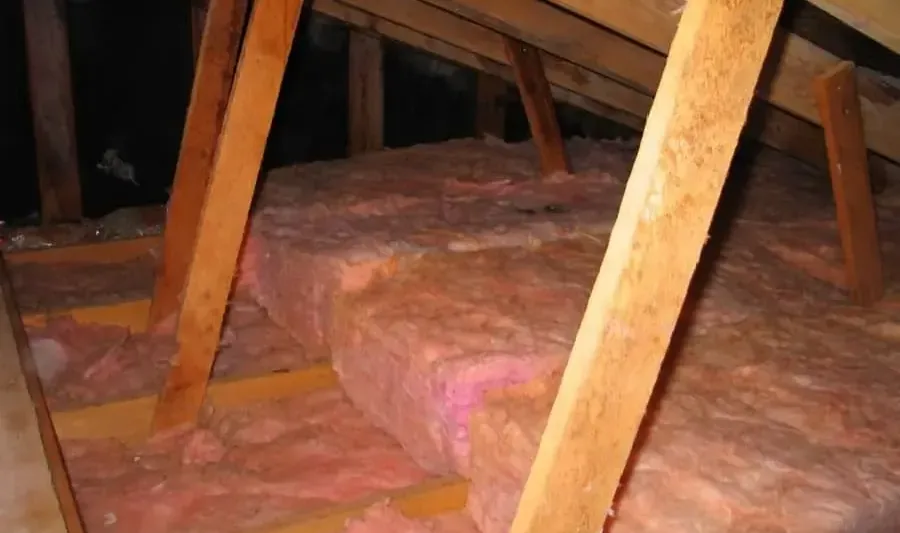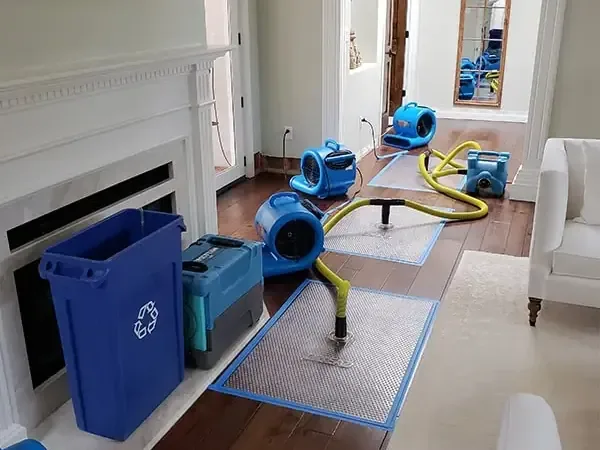
A storm loss can contain several different water problems. Rain may cross a roof assembly while outdoor runoff enters at floor level. Corona de Tucson cleanup should identify each pathway because water condition, affected materials and repair responsibilities can differ within the same property.
Road access is part of the initial conversation
The July 17, 2017 flooding report described South Houghton Road flooding near the Pima County Fairgrounds and a closure near East Dawn Road. That event offers a concrete reminder to discuss access conditions when arranging storm cleanup. A safe route is needed before anyone can evaluate an interior loss.
Describe a blocked approach or inaccessible entrance along with the water damage. Avoid driving through a flooded section to inspect the building. Once access is safe, photographs of thresholds, ceiling drips and changed wall surfaces help organize the inspection around actual entry points and the rooms connected to them.
- Water crossing a doorway from outdoors changes cleaning and retention decisions because it can carry contamination.
- Overhead leaks require attention to unstable ceiling materials and any electrical fixtures in the wet area.
- Wind driven rain around an opening can reach concealed wall layers beyond the obvious interior stain.
- Temporary protection needs coordination with permanent repair so drying is not repeatedly interrupted by renewed entry.
Separate exterior repairs from material recovery
Roofing or opening repairs stop further entry. Interior work then addresses the moisture already inside. Roof leak restoration follows overhead rain pathways, while flood cleanup accounts for runoff and sediment that affect the handling of rooms and contents.
Document each affected zone before rebuilding
A room reached by runoff may require different removal from a ceiling wetted by rain entry. The written scope should explain those decisions, identify retained materials and record drying progress. This makes the repair boundary understandable and avoids treating every surface as though it received the same water exposure.
Keep source observations and temporary protection records together with final moisture findings. The combined record helps show how the building moved from storm entry to a condition suitable for repairs.
- Flood safety: Ready.gov flood precautions
- Cleanup guidance: EPA flooded-home cleanup information