After rain enters overhead

Roof Leak Water Damage in Vail

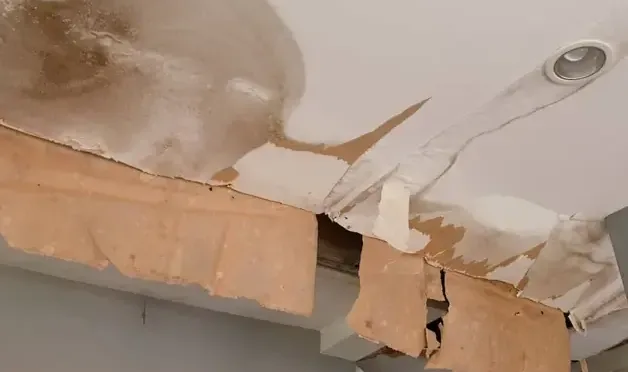
Rain can stop while roof materials remain wet. Interior cleanup follows the route from the entry area through overhead layers to the ceiling and rooms below.

(888) 949-8496Discuss interior roof leak damage
Weather entry assessed Overhead layers checked Roof repair coordinated
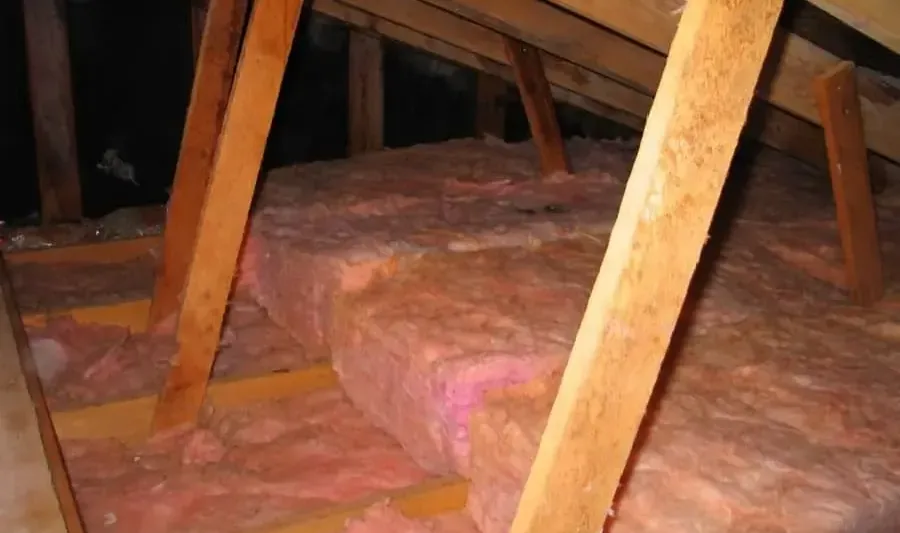
Exposed timber roof framing above pink insulation inside an attic
Immediate priorities

Roof Leak Water Damage: first steps

  1. 1

    Leave roof access to qualified professionals

    Wet roofing and storm conditions make climbing unsafe. A roofing professional should assess the entry point and any temporary protection while occupants remain inside safe areas or away from the affected building.

  2. 2

    Keep clear beneath overhead damage

    A dripping ceiling can contain softened finishes or hidden accumulated water. People and movable belongings should stay outside the unstable area until access and electrical concerns have been evaluated by appropriate professionals.

  3. 3

    Track how the water appeared

    Record whether drips began during rain, continued afterward or showed up in another room. Safe photographs of the ceiling and affected contents can help connect the indoor damage to the roof inspection.

  4. 4

    Coordinate the source and interior scopes

    The roof repair plan should be shared with the cleanup assessment. Drying equipment cannot compensate for continued rain entry, so both tasks need a clear sequence and an understood handoff.

Assessment and control

How roof leak water damage is handled

Rapid local response

The response team prioritizes active water movement and unsafe access. The first assessment separates source control from extraction, so a stopped leak does not leave hidden wet materials untreated.

IICRC S500 drying standard

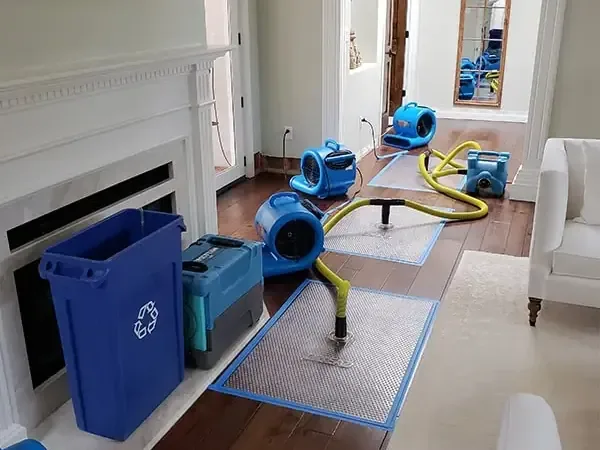
The drying specialist sets a material-specific goal using unaffected reference readings. Airflow and dehumidification follow the evaporation load, with equipment adjusted when the daily measurements show a change.

Claim-ready documentation

The project file records the water source, affected rooms, material condition and work performed. Photographs and moisture logs let the owner and insurer examine the scope without relying on a dry-looking surface.

Local water experts

The site assessment checks the building actually affected, including access restrictions and shared assemblies. The restoration contractor distinguishes cleanup from plumbing, roof or equipment repair before recommending the next step.

Planning the cleanup

What does roof leak water damage cost in Vail, AZ?

Roof leak restoration in Vail reflects the overhead materials affected and the difficulty of reaching them. A small indoor patch may connect to wet insulation or decking above. The estimate should distinguish interior cleanup, drying and finish repairs from the roofing work that controls entry.

A localized interior leak

$1,000 to $2,200
  • Limited ceiling exposure
  • Reachable overhead materials
  • Focused moisture checks

Broader attic saturation

$2,200 to $6,000
  • Expanded insulation assessment
  • Multiple wet surfaces
  • Controlled access work

Repeated or extensive entry

$6,000 to $14,000+
  • Wider assembly involvement
  • Complex drying arrangement
  • Additional repair coordination

Category, wet square footage, material class and the delay before drying determine the scope. Repairing the source and replacing finishes may add separate charges. Compare the assumptions with the water damage cost calculator.

Work sequence

Roof Leak Water Damage process

The crew records the starting condition, adjusts the equipment and verifies the result.

  1. 1

    Connect the roof finding to indoor observations

    The cleanup assessment examines where rain entered and where it appeared inside. These locations can differ because water travels along roof materials and framing. The inspection uses both observations to establish the affected area and to identify which overhead spaces require safe access before drying decisions are made.

  2. 2

    Expose the layers that obstruct assessment

    Ceiling finishes or insulation can hide retained moisture. Selective access is considered where those layers prevent inspection or effective drying of the supporting assembly. The proposed opening should have a defined purpose, with contents protection and material handling arranged before work begins over the occupied room.

  3. 3

    Dry retained overhead and adjoining materials

    Once entry is controlled, equipment placement addresses the accessible wet surfaces and indoor conditions. Readings track progress at the roof assembly, ceiling connections and any affected walls. Areas that remain damp receive closer attention so a difficult cavity is not overlooked while the room below appears to improve.

  4. 4

    Prepare a clear roof and interior handoff

    The final record separates completed moisture work from remaining roofing or finish repairs. It describes retained materials and any limitations that require further attention. That information supports the next repair sequence, helping avoid a ceiling patch that conceals wet overhead material or a source correction still awaiting completion.

EntryCoordinate roof correction
IndoorsInspect beyond the drip
LayersCheck insulation and decking
CloseoutSeparate finish repair needs

The end of a rainstorm changes the source conditions, but it does not dry an overhead cavity. Water can remain against timber or inside insulation after indoor dripping stops. Interior restoration needs to follow that retained moisture before a ceiling stain is covered with a fresh finish.

Use the weather history to organize the inspection

A September 6, 2021 report in The Vail Voice described raging water in Pantano Wash during the monsoon season. For an affected property, the useful observations are when rain reached the building, where indoor marks appeared and whether another entry occurred during later weather.

Colossal Cave and Rancho Del Lago Golf Course are familiar location references in the community. A roof leak assessment at any property begins with its own openings and material condition. The roof contractor addresses the exterior source, while the interior scope identifies what the water reached after passing into the building.

A small drip may sit below a broader wet area

Water can spread across decking or along a framing member before falling onto ceiling drywall. The indoor drip may therefore describe only the final exit point. Inspection should include the route above it and any neighboring cavity where insulation or framing remains damp after the weather clears.

  • Wet insulation can conceal the supporting material and limit practical access for drying equipment.
  • Fresh staining at a wall junction may indicate water continuing downward beyond the ceiling plane.
  • Repeated entry can change the condition of finishes that initially appeared suitable for retention.

Time the finish repair around the moisture findings

Ceiling leak cleanup addresses damaged indoor finishes and safe overhead handling. Its scope should connect to the roof repair record so both the source and the wet assembly receive attention. A painted ceiling is a finish decision, not a substitute for checking the cavity above.

Where water entered through several building openings, storm water damage cleanup may require a broader room assessment. The owner benefits from a single account of the affected spaces, with the roof correction, material drying and reconstruction tasks clearly distinguished before work closes the assembly.

Practical answers

Roof Leak Water Damage questions in Vail, AZ

Does stopped dripping mean the roof assembly is dry?

Dripping can stop when rain ends while insulation, decking and framing remain wet. Those materials need inspection and suitable moisture checks. A room that looks calmer after the weather clears may still require selective access and continued drying before ceiling or wall finishes are restored.

Who repairs the opening in the roof?

A roofing professional assesses and corrects the exterior entry point. Interior restoration deals with the water damage beneath it. The two scopes should be coordinated so the drying plan begins with entry controlled and the owner knows which contractor is responsible for each remaining repair.

Can roof water appear at a distant ceiling joint?

Water can travel across concealed surfaces before it drips into the room. The visible joint may be an exit point along that route. Comparing the roof findings with the indoor moisture pattern helps locate the intervening wet material and define the cleanup area more accurately.

Should an occupant enter the attic to inspect the leak?

Overhead access can involve unstable footing, wet electrical components and damaged ceiling material. Occupants should describe what can be seen from safe areas and leave uncertain access to appropriate professionals. The inspection can then establish a controlled route to the affected roof and ceiling assembly.

Will all wet insulation need to be removed?

The decision depends on the insulation's condition, exposure and the access needed to dry adjacent materials. Some situations require removal to inspect or reach the assembly. The scope should explain the material decision before work proceeds and include any replacement needed after drying is complete.

What should happen before the ceiling is painted again?

The rain entry should be corrected, unsound finishes addressed and retained materials checked against drying goals. The final assessment should also identify any connected wall damage. Painting belongs after those decisions so the new finish does not conceal an unresolved wet area above the room.

Service area

Roof leak water damage coverage

Vail, AZ

Roof leak interior assessments cover Vail properties described by Houghton Road, Lava Peak Road and other community references. Roofing access and indoor safety conditions determine how inspection proceeds.

The same service nearby: roof leak water damage in Sahuarita, Corona de Tucson, Green Valley.

Water damage restoration in Vail · every town covered

24/7 water damage dispatch

Restore the layers beneath the roof

A coordinated assessment can explain which ceiling, insulation and framing areas need attention before the interior finish is rebuilt over the affected assembly and neighboring wet surfaces.

(888) 949-8496Plan the interior drying assessment
(888) 949-849624/7 dispatch