Contain the wastewater exposure

Sewage Backup Cleanup in Vail

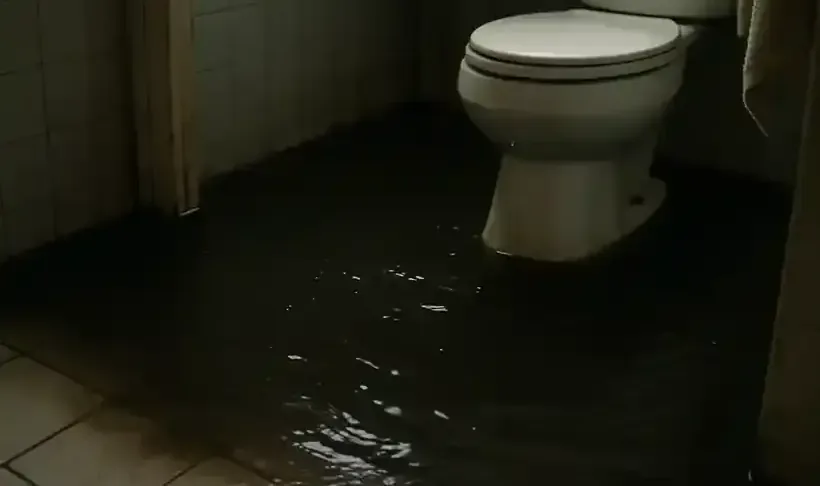
Wastewater inside a building changes how people and belongings can move through it. Cleanup starts with a controlled boundary and a drainage assessment before exposed surfaces are restored.

(888) 949-8496Discuss the wastewater affected space
Exposure contained Drainage cause investigated Cleaning before drying
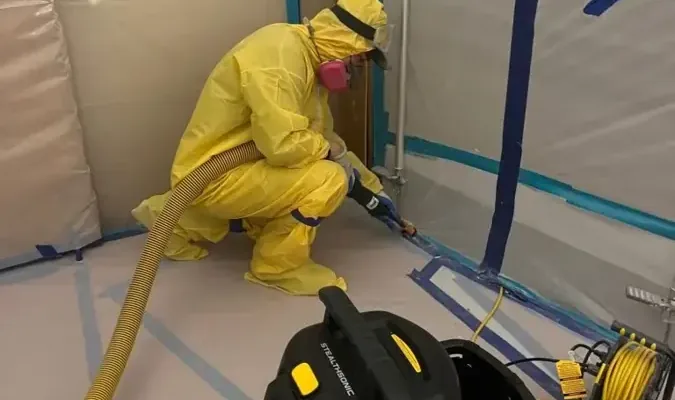
Worker in yellow protective coveralls using equipment inside a plastic containment area
Immediate priorities

Sewage Backup Cleanup: first steps

  1. 1

    Restrict entry into the exposed area

    Keep pets, children and unnecessary foot traffic away from wastewater. Avoid moving affected belongings through clean rooms, and identify a dry route that can remain separate from the planned cleanup work zone.

  2. 2

    Stop adding water to affected drainage

    Fixtures connected to a suspected backup should not be tested through repeated use. Describe rising water, unusual drainage and the affected openings to the appropriate plumbing or wastewater professional handling source investigation.

  3. 3

    Identify the property's connection information

    Available sewer records or septic documents can help the drainage assessment. The owner should share known connection details without attempting to open, service or disturb wastewater equipment during an active indoor release.

  4. 4

    Preserve observations from safe positions

    Photograph the visible contact boundary and exposed contents without entering wastewater. Include nearby rooms and lower wall surfaces so the initial record describes more than the opening where the backup first appeared.

Assessment and control

How sewage backup cleanup is handled

Rapid local response

The response team prioritizes active water movement and unsafe access. The first assessment separates source control from extraction, so a stopped leak does not leave hidden wet materials untreated.

IICRC S500 drying standard

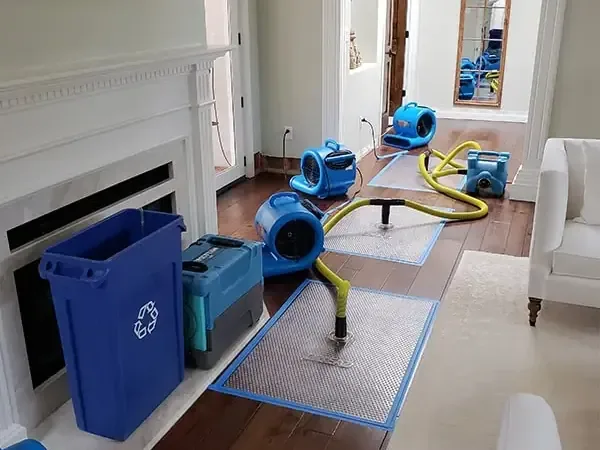
The drying specialist sets a material-specific goal using unaffected reference readings. Airflow and dehumidification follow the evaporation load, with equipment adjusted when the daily measurements show a change.

Claim-ready documentation

The project file records the water source, affected rooms, material condition and work performed. Photographs and moisture logs let the owner and insurer examine the scope without relying on a dry-looking surface.

Local water experts

The site assessment checks the building actually affected, including access restrictions and shared assemblies. The restoration contractor distinguishes cleanup from plumbing, roof or equipment repair before recommending the next step.

Planning the cleanup

What does sewage backup cleanup cost in Vail, AZ?

Sewage backup cleanup in Vail depends on the exposure area, porous materials involved and the access needed for controlled removal and cleaning. Drainage repair is a separate part of the loss. The interior estimate should explain recovery, contents handling, surface preparation and drying of retained assemblies before reconstruction begins.

A contained bathroom loss

$2,000 to $4,000
  • Limited wastewater contact
  • Controlled fixture area
  • Focused cleaning preparation

Several affected rooms

$4,000 to $10,000
  • Expanded material handling
  • Separated contents routes
  • Broader surface treatment

Extensive wastewater exposure

$10,000 to $22,000+
  • Complex removal sequence
  • Multiple assembly checks
  • Larger reconstruction handoff

Category, wet square footage, material class and the delay before drying determine the scope. Repairing the source and replacing finishes may add separate charges. Compare the assumptions with the water damage cost calculator.

Work sequence

Sewage Backup Cleanup process

The crew records the starting condition, adjusts the equipment and verifies the result.

  1. 1

    Establish source status and the containment boundary

    The drainage investigation and indoor assessment begin with separate responsibilities. One addresses why wastewater entered; the other identifies what it contacted. The cleanup boundary accounts for foot traffic, contents movement and connected rooms, providing a controlled work area before recovery equipment or removal activities begin inside the building.

  2. 2

    Recover wastewater and organize exposed contents

    Accessible liquid is removed using equipment and handling suited to the exposure. Contents are evaluated within the established boundary so affected items do not pass through clean rooms without a plan. Photographs and an item record can help explain removal decisions and preserve a useful account of the initial condition.

  3. 3

    Remove unsuitable material and clean retained surfaces

    Porous finishes and concealed layers receive specific retention decisions based on exposure and practical cleaning access. Materials that cannot remain are handled through the planned removal route. Retained reachable surfaces are then prepared for drying, with attention to wall bases, recesses and other places where wastewater can collect out of sight.

  4. 4

    Verify the prepared assembly and complete the handoff

    Drying addresses the moisture remaining after contaminated material handling and cleaning. Monitoring follows retained components and their connections to adjacent spaces. The final record describes completed work, material removal and outstanding repairs, while the separate drainage finding confirms what was done to address the source of the backup.

BoundaryKeep clean routes separate
DrainageIdentify the actual connection
HandlingAssess exposed porous materials
EndpointClean and dry retained surfaces

A backup can turn a routine passageway into part of the exposure area. Shoes, moved storage and wet furniture may carry wastewater beyond the first visible pool. Establishing a controlled boundary is therefore an immediate cleanup decision, alongside the separate investigation of the drainage problem.

Determine which wastewater arrangement serves the property

Pima County regulates septic system construction, replacement, ownership transfer and closure. The county also publishes sewer connection record information. In Vail, those records can help the appropriate professional establish the property's arrangement before selecting the source investigation and repair approach.

A location near Houghton Road, Lava Peak Road or Rancho Del Lago Golf Course helps describe access but does not replace the connection details. The initial report should identify the fixture or opening where water rose, whether other drains changed and which indoor spaces had contact with the release.

Look beneath the surfaces that appear washable

Wastewater can reach backing materials, lower wall edges and concealed recesses through small gaps. An exposed hard surface may be cleanable while a porous layer beneath it needs removal. The assessment should explain those differences so the owner understands why material handling extends beyond wiping the visible floor.

  • Stored cardboard and absorbent contents need evaluation before they are moved out of the work area.
  • Wet thresholds can connect the bathroom or utility space to an adjoining room's floor assembly.
  • A cabinet base can obstruct inspection of wastewater that collected against the wall behind it.

Cleaning decisions come before the drying arrangement

A localized toilet overflow may begin in a single fixture area, while a broader backup can involve several openings. The cleanup boundary follows the actual contact and moisture map. It should be revised when access reveals an affected layer that was hidden at the start.

After preparation, structural drying addresses retained assemblies. The closeout should connect the exposure map to the removal, cleaning and drying record, then identify remaining reconstruction. That sequence provides a usable account of the building work alongside the plumber's or wastewater professional's separate source correction.

Practical answers

Sewage Backup Cleanup questions in Vail, AZ

Should household members enter to remove valuable belongings?

Unnecessary entry can spread wastewater beyond the affected room. Belongings should be evaluated within a controlled handling plan, particularly when they are absorbent or difficult to move. Describe important contents during the initial discussion so their assessment can be organized without carrying contamination through clean spaces.

Does every backup come from a public sewer problem?

The source investigation needs the property's actual drainage arrangement and observed symptoms. Sewer connections and septic systems require different assessment paths. Available records can help the appropriate professional establish that arrangement, while restoration separately maps the indoor surfaces and contents exposed to the backup.

Can ordinary drying equipment run before cleanup is complete?

The exposed area needs appropriate recovery, material decisions and cleaning before routine drying is arranged. Equipment placement should follow the prepared work zone. This keeps drying connected to the condition of retained materials and avoids treating moisture removal as a substitute for addressing wastewater contact.

Why are some porous materials removed?

Wastewater can enter layers that cannot be adequately reached for cleaning. Retention depends on the exposure, material condition and practical access. The scope should explain why removal is needed and identify the boundary, so the decision follows the affected assembly rather than a blanket assumption about the room.

What records help the drainage investigation?

Known sewer connection information, septic documents and a description of fixture symptoms can help organize the source assessment. Pima County publishes relevant connection and septic information. Occupants should share available records and safe observations while leaving inspection of wastewater equipment to the appropriate professionals.

What separates cleanup completion from full room restoration?

Cleanup addresses exposed material handling, surface preparation and drying of retained components. Replacing removed finishes or contents may follow as separate work. The final record should identify those remaining needs and the status of source correction so the owner can coordinate the next stage without uncertainty about responsibilities.

Service area

Sewage backup cleanup coverage

Vail, AZ

Wastewater cleanup assessments serve Vail properties across the community. References such as Colossal Cave and Rex Molly Road help arrange access while the actual exposure defines the work area.

The same service nearby: sewage backup cleanup in Sahuarita, Corona de Tucson, Green Valley.

Water damage restoration in Vail · every town covered

24/7 water damage dispatch

Connect source correction with indoor recovery

The assessment should explain which materials need removal, how retained surfaces will be cleaned and when drying can proceed within the controlled area before reconstruction restores the room.

(888) 949-8496Plan controlled sewage recovery
(888) 949-849624/7 dispatch