Several openings, one recovery plan

Storm Water Damage in Drexel Heights

A storm can leave rain entering overhead while water also reaches a doorway. Cleanup separates those paths so each wet area receives the right access, handling and drying decisions.

(888) 949-8496Sort the storm damage priorities
Entry point assessment Safe room boundaries Separate water paths
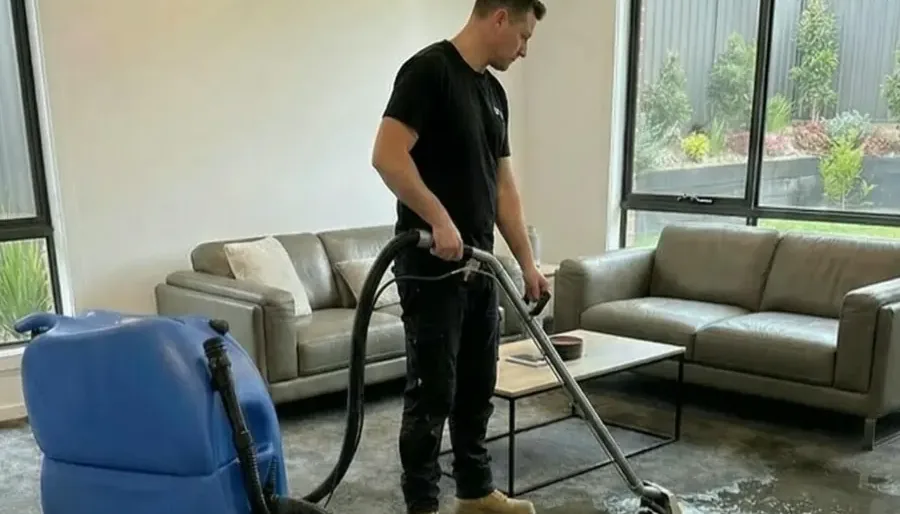
Standing water reflecting furniture across the floor of a living room
Immediate priorities

Storm Water Damage: first steps

  1. 1

    Wait for safe access

    Active weather, damaged overhead materials and water near electrical equipment can restrict entry. Keep occupants away from affected areas until access is evaluated, and avoid entering pooled water to recover belongings or inspect damage.

  2. 2

    List separate entry locations

    From safe positions, note rain at ceilings, windows or doors and any water crossing the floor. Reporting distinct entry points helps prevent one obvious leak from overshadowing another affected assembly elsewhere inside.

  3. 3

    Keep outdoor water contained

    Avoid walking through runoff and then into dry rooms. Water arriving from outdoors needs appropriate handling, and household fans should not be used to push air across a potentially contaminated wet area.

  4. 4

    Record temporary protection

    If a qualified professional has placed temporary protection, keep the work details with the damage photographs. Cleanup planning needs to know which openings are controlled and which still require repair before further weather arrives.

Assessment and control

How storm water damage is handled

Rapid local response

The response team prioritizes active water movement and unsafe access. The first assessment separates source control from extraction, so a stopped leak does not leave hidden wet materials untreated.

IICRC S500 drying standard

The drying specialist sets a material-specific goal using unaffected reference readings. Airflow and dehumidification follow the evaporation load, with equipment adjusted when the daily measurements show a change.

Claim-ready documentation

The project file records the water source, affected rooms, material condition and work performed. Photographs and moisture logs let the owner and insurer examine the scope without relying on a dry-looking surface.

Local water experts

The site assessment checks the building actually affected, including access restrictions and shared assemblies. The restoration contractor distinguishes cleanup from plumbing, roof or equipment repair before recommending the next step.

Planning the cleanup

What does storm water damage cost in Drexel Heights, AZ?

Storm water damage costs in Drexel Heights vary with entry routes, water condition and the number of affected assemblies. Overhead rain and ground entry may need separate treatments. The estimate should explain interior cleanup alongside any outstanding exterior protection or repair.

One contained entry point

$1,200 to $2,800
  • Limited interior exposure
  • Single assembly assessment
  • Targeted drying access

Several rain-affected rooms

$2,800 to $8,000
  • Multiple moisture paths
  • Connected room recovery
  • Broader material checks

Complex storm exposure

$8,000 to $18,000+
  • Different water conditions
  • Extensive removal planning
  • Coordinated repair access

Category, wet square footage, material class and the delay before drying determine the scope. Repairing the source and replacing finishes may add separate charges. Compare the assumptions with the water damage cost calculator.

Work sequence

Storm Water Damage process

The crew records the starting condition, adjusts the equipment and verifies the result.

  1. 1

    Build an entry map before combining tasks

    The inspection identifies each route into the property and the materials reached by that water. Separate notes for roof, wall and ground entry help preserve important differences in contamination and access. The resulting plan can then coordinate work across rooms without treating all storm related wetting as the same loss.

  2. 2

    Set working boundaries for each affected zone

    Wet electrical areas, unstable ceilings and runoff exposure may require different access restrictions. The cleanup route should keep debris and dirty water away from dry occupied spaces. Contents handling is planned around those boundaries so moving equipment or belongings does not extend the affected area during recovery.

  3. 3

    Remove water and address damaged material

    Accessible liquid is recovered with equipment appropriate to its condition. Finishes and concealed layers are inspected for saturation and integrity, with removal where retention is unsuitable. The scope records why each action is needed and distinguishes the interior work from exterior repairs that prevent another entry of rain.

  4. 4

    Monitor drying across the separate assemblies

    An overhead cavity and a wet floor can respond differently even within one room. Measurements track each retained assembly and support changes in equipment placement or access. Completion documentation connects the drying result with remaining repair needs, allowing the owner to plan reconstruction around the actual condition of the building.

First taskLocate entry routes
Water conditionAssess each path
Work zonesProtect dry spaces
RecoveryCoordinate repairs and drying

Storm related water can arrive through more than one opening. A ceiling drip and a wet doorway may share the same weather event while requiring different cleanup decisions. The assessment should keep their paths distinct until the affected materials are understood.

Weather context and the room's own evidence

The National Weather Service provides regional precipitation charts and explains how cloud to ground lightning can track thunderstorm activity. For a Drexel Heights property, the cleanup record centers on what happened inside: active entry locations, wet surfaces and the safe routes still available through the building.

Winston Reynolds Manzanita Park includes Manzanita Pool and Coach Tadeo Fields. These familiar landmarks can help describe the property area during a service request. The important job details are the actual rooms involved and whether access is restricted by water, damaged material or ongoing weather exposure.

Keep overhead entry separate from runoff

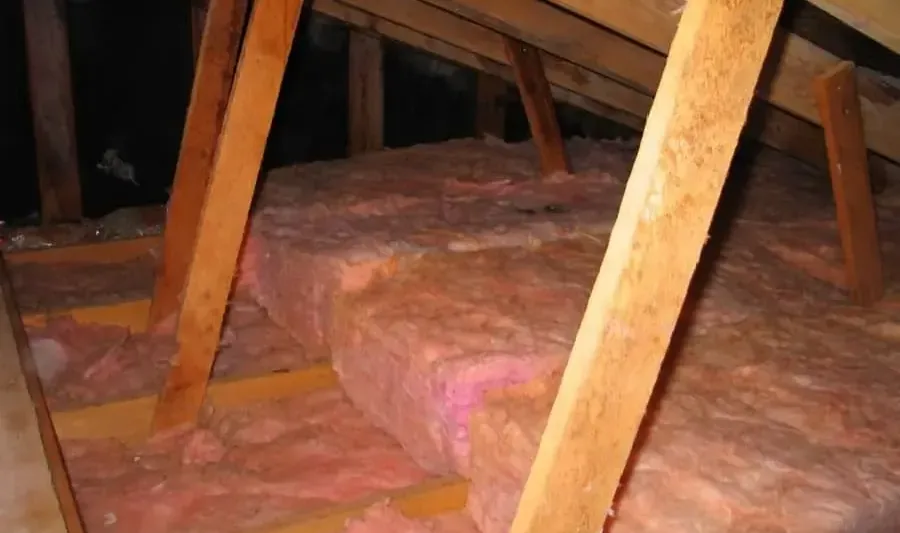
Rain reaching insulation through a roof opening differs from water that crosses outdoor surfaces before entering a room. The contact path influences cleaning and removal decisions. A useful assessment records those differences rather than assigning one handling approach to every wet surface discovered after the storm.

  • Ceiling symptoms need inspection above the room and a clear space beneath unstable material.
  • Wet thresholds call for checks along floor edges and into adjoining wall bases.
  • Outdoor water exposure requires a plan that keeps affected footwear and debris out of dry areas.

Repair the opening and restore the interior

Temporary protection can reduce further entry while an exterior repair is arranged. Interior cleanup still needs to address moisture already held in floors, walls and ceilings. The owner should receive a sequence that explains how source protection, removal and drying fit together without obscuring responsibility for each task.

Roof entry restoration focuses on wet upper assemblies. Floodwater cleanup covers water arriving from outdoors at ground level. Linking the appropriate work to each entry path creates a clearer estimate and a more useful record of the condition before finish repairs begin.

Practical answers

Storm Water Damage questions in Drexel Heights, AZ

Why identify more than the largest wet area?

A smaller stain can represent a separate entry path into another assembly. Listing every visible location helps the inspection cover overhead, wall and floor damage without stopping at the largest puddle. Different paths can need different source repairs, material decisions and drying arrangements within the same property.

Is rainwater inside always handled the same way?

No. The surfaces water crosses before entering matter. Rain through an upper opening and runoff moving over outdoor ground have different contact histories. The assessment should document the path and resulting condition so cleaning, removal and contents handling match the exposure actually found in each affected space.

Can equipment run before exterior repair is complete?

That depends on whether the interior can remain protected from further entry and whether access is safe. Temporary protection may be part of the coordination. The plan should state what source work remains and how renewed wetting would affect drying progress before equipment is placed in the building.

Should belongings be moved immediately after the storm?

Only dry, manageable belongings reached through a safe route should be moved by occupants. Wet heavy furniture, items near electrical hazards and contents exposed to dirty water need assessment. A planned route avoids carrying contaminated material across unaffected flooring or beneath unstable overhead surfaces during removal.

What does the first inspection document?

It should identify entry points, visible damage, water condition and the assemblies needing further access. Safe photographs and moisture readings create a starting record. The assessment also notes temporary protection and unresolved source repairs so the interior cleanup scope remains connected with the work needed outside.

When is a storm damaged room ready for rebuilding?

Rebuilding follows control of the entry route, appropriate cleaning and verification of retained material drying. Each affected assembly needs its own assessment, including any ceiling cavity above a dry floor. Completion records should explain remaining repairs before replacement finishes conceal the inspected areas again.

Service area

Storm water damage coverage

Drexel Heights, AZ

Storm cleanup assessments serve Drexel Heights properties with interior rain or runoff damage. Identify all observed entry points and any rooms that remain inaccessible when requesting an evaluation.

The same service nearby: storm water damage in Sahuarita, Valencia West, Corona de Tucson.

Water damage restoration in Drexel Heights · every town covered

24/7 water damage dispatch

Bring the storm cleanup into order

A coordinated scope links protection outside with removal and drying inside. It gives the owner a clear sequence for the affected rooms and the repairs still needed.

(888) 949-8496Plan the storm recovery work
(888) 949-849624/7 dispatch