Water removal for local properties

Water Extraction in Drexel Heights

Water moving across a floor needs a clear exit strategy. Extraction removes accessible pooling, then moisture checks reveal which layers still hold water beneath the visible surface.

(888) 949-8496Plan removal of standing water
Pooled water removal Floor edge checks Material moisture map
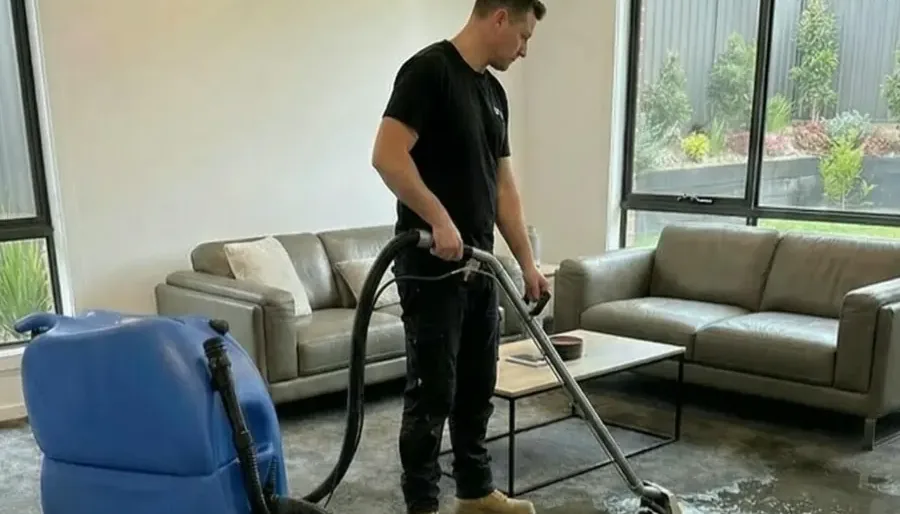
Technician using an extraction wand across a wet living room floor
Immediate priorities

Water Extraction: first steps

  1. 1

    Stop further accumulation

    An active supply release needs isolation if the shutoff is safely accessible. Avoid walking into water to reach controls, and describe any continuing flow when arranging professional help.

  2. 2

    Leave electrical hazards alone

    Water near outlets, cords or powered appliances requires a clear area. Do not carry household extraction equipment into standing water where the electrical condition has not been evaluated.

  3. 3

    Identify the lowest wet edges

    From a dry location, note where pooling reaches doorways, cabinets or adjoining rooms. These observations help direct the assessment without lifting soaked flooring or disturbing a contaminated area.

  4. 4

    Separate dry movable contents

    Relocate unaffected lightweight belongings only along a safe path. Leave saturated heavy pieces for planned handling so movement does not spread water or damage softened flooring beneath their feet.

Assessment and control

How water extraction is handled

Rapid local response

The response team prioritizes active water movement and unsafe access. The first assessment separates source control from extraction, so a stopped leak does not leave hidden wet materials untreated.

IICRC S500 drying standard

The drying specialist sets a material-specific goal using unaffected reference readings. Airflow and dehumidification follow the evaporation load, with equipment adjusted when the daily measurements show a change.

Claim-ready documentation

The project file records the water source, affected rooms, material condition and work performed. Photographs and moisture logs let the owner and insurer examine the scope without relying on a dry-looking surface.

Local water experts

The site assessment checks the building actually affected, including access restrictions and shared assemblies. The restoration contractor distinguishes cleanup from plumbing, roof or equipment repair before recommending the next step.

Planning the cleanup

What does water extraction cost in Drexel Heights, AZ?

Water extraction in Drexel Heights can involve a shallow spill or extensive pooling with concealed wetting. The estimate depends on access, the amount of removal and the water condition. Additional material removal and drying should be identified separately in the written scope.

A shallow localized release

$500 to $1,200
  • Open floor access
  • Limited pooled water
  • Nearby edge inspection

Several wet rooms

$1,200 to $3,000
  • Connected extraction areas
  • Wet floor transitions
  • Broader moisture mapping

Heavy or dirty water

$3,000 to $7,000+
  • Controlled water handling
  • Deeper accumulated water
  • Additional cleaning preparation

Category, wet square footage, material class and the delay before drying determine the scope. Repairing the source and replacing finishes may add separate charges. Compare the assumptions with the water damage cost calculator.

Work sequence

Water Extraction process

The crew records the starting condition, adjusts the equipment and verifies the result.

  1. 1

    Establish a workable removal route

    Before equipment enters, the assessment considers the water source, electrical condition and path through the building. A removal route should protect dry rooms and accommodate hoses without creating another trip hazard. Water condition also determines how extracted liquid and affected materials must be handled during the work.

  2. 2

    Recover accessible water methodically

    Extraction proceeds through the wet area with attention to flooring type and obstructions. Repeated passes may recover water held within carpet or at transitions after the obvious pooling has gone. The operator checks progress instead of assuming that a visually clear floor represents complete removal from the assembly.

  3. 3

    Investigate what the surface concealed

    Once pooling no longer hides the floor, technicians examine adjoining wall bases, cabinet edges and layered materials. Moisture measurements help distinguish a wet finish from deeper saturation. Necessary access and material removal are explained before work expands into spaces that initially appeared outside the affected area.

  4. 4

    Transfer the room into controlled drying

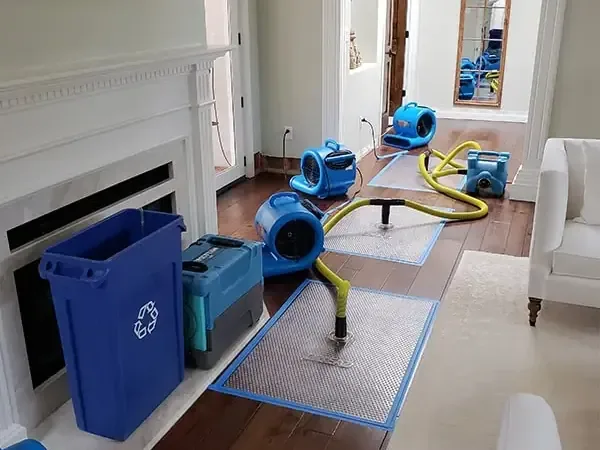
    The resulting moisture map informs airflow and dehumidification rather than leaving extraction as the final task. Retained materials receive drying targets and follow up readings. The record should show where water was removed, which layers remain wet and how the next stage addresses those remaining conditions.

PriorityRemove pooled water
AssessmentFollow floor transitions
HandlingMatch water condition
Next stageMeasure retained moisture

A puddle has a visible edge; a wet floor assembly may extend farther. Water extraction addresses the liquid that equipment can recover, creating access for a more useful inspection of the room and the materials beneath its finishes.

Start where water collects and where it travels

Drexel Heights has an estimated 10,008 housing units. Within an affected dwelling, the layout matters more than that community total: a continuous floor can carry water through a doorway, while a threshold or cabinet base can conceal its movement into a smaller adjoining space.

Areas around San Joaquin Avenue and Westover Avenue are part of the local service context. Give the actual wet rooms and entry instructions when arranging extraction. A property description should identify steps, narrow doors and furnishings that affect equipment access without requiring anyone to cross a hazardous floor.

Clear water can leave hidden work behind

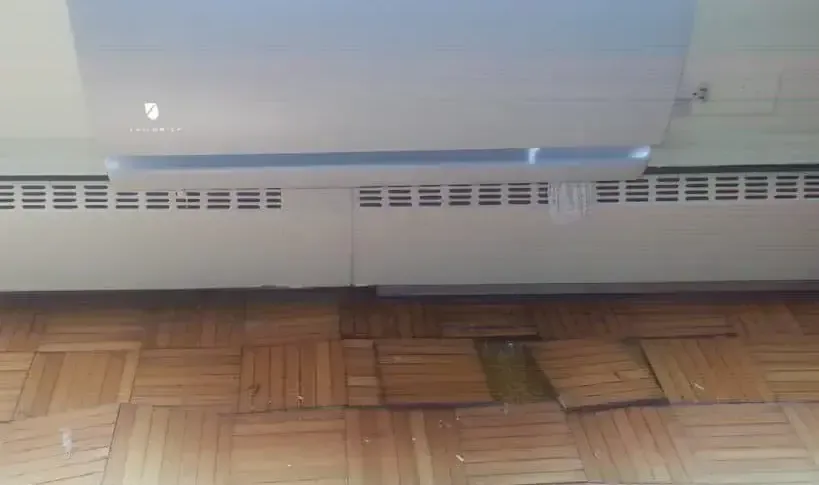
Water from a stopped supply leak may remain in carpet backing or beneath a floating floor after the room looks clear. The material's construction determines whether extraction can reach it. Inspection may identify trapped pockets that need selective access instead of stronger airflow across a sealed upper surface.

  • Doorway transitions deserve checks when pooling has reached the adjoining room or closet.
  • Cabinet toe spaces can conceal water that ordinary mopping leaves behind after a kitchen spill.
  • Wet padding and a dry carpet face can occur together, making surface appearance misleading.
  • Water arriving from outdoors calls for a different handling plan than an isolated supply release.

Connect removal to a measured next step

Manzanita Pool is a familiar community landmark, but an indoor extraction request should focus on the individual property and its access. The assessment records the source, visible spread and tested materials. These details help an owner understand why equipment may remain after the standing water has disappeared.

When the floor is clear, drying the retained structure addresses moisture held within building materials. If water entered from outside, flood cleanup decisions also address contamination and removal. A useful scope connects those tasks and explains which repair work follows them.

Practical answers

Water Extraction questions in Drexel Heights, AZ

Can a household vacuum remove the water?

Ordinary household vacuums should not be used on standing water. Even equipment designed for liquid pickup needs safe power and an appropriate water condition. A flooded room should be assessed for electrical hazards and contamination before anyone brings powered equipment into the affected space.

Does extraction remove water beneath every floor?

No. Equipment can recover accessible liquid, but underlayment, adhesive layers and enclosed cavities may hold additional moisture. Those materials need inspection and measurements. Selective access or removal may be necessary when the assembly prevents water recovery or cannot be dried effectively in place.

Why inspect the room beside the puddle?

Water can move through a threshold or beneath a continuous floor before appearing in the next room. Checking adjacent materials helps define the true wet boundary. It also prevents repairs from covering a damp edge that was missed because the nearby surface looked unaffected.

Will all carpet require replacement?

Carpet decisions depend on the source, contact history and condition of the carpet and padding. Some materials may support extraction and drying; others require removal. The assessment should explain the decision for each layer instead of treating the visible carpet face as the entire floor system.

What should be recorded before removal starts?

Useful records include room photographs, the suspected source and a description of the first observed pooling. Safe documentation should not delay controlling an active leak. Professionals can add moisture readings and work photographs as extraction exposes floor edges and other materials for closer examination.

When does drying equipment become necessary?

Drying equipment is appropriate when retained building materials remain wet after accessible liquid is removed. Its arrangement follows the moisture map and the assembly involved. Follow up measurements indicate whether the chosen setup is working or whether access, placement or material removal needs adjustment.

Service area

Water extraction coverage

Drexel Heights, AZ

Extraction requests cover Drexel Heights properties, including locations described through San Joaquin Avenue and Westover Avenue. Actual room access and water conditions determine the removal approach.

The same service nearby: water extraction in Sahuarita, Valencia West, Corona de Tucson.

Water damage restoration in Drexel Heights · every town covered

24/7 water damage dispatch

Give the wet floor a clear next step

Water removal should lead to a documented plan for the layers left behind. A room assessment identifies those materials and the work needed before repairs proceed.

(888) 949-8496Arrange an extraction assessment
(888) 949-849624/7 dispatch