After a pressurized pipe release

Green Valley Burst Pipe Water Damage

A pipe rupture can keep feeding a wet wall after the floor is mopped. Safe isolation, repair access and inspection of adjoining spaces establish the first workable cleanup boundaries.

(888) 949-8496Describe the pipe release
Supply isolation Adjoining room assessment Repair access planning
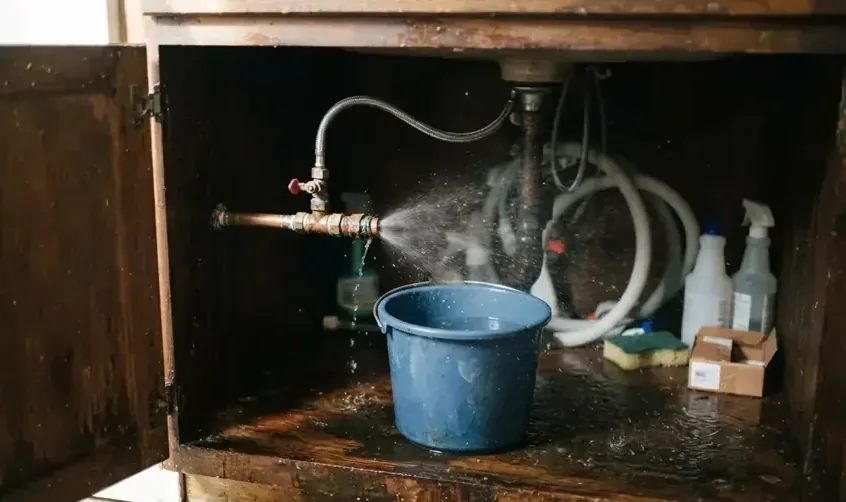
Water spraying from a supply pipe into a blue bucket inside an open sink cabinet
Immediate priorities

Burst Pipe Water Damage: first steps

  1. 1

    Isolate only from a safe position

    A clearly identified supply valve may stop additional discharge when it can be reached without entering water. Leave electrical panels and wet appliances untouched while safe access is established.

  2. 2

    Contact the repair decision maker

    Tell the owner or management contact that the leak remains active or has been isolated. Shared walls and utility access can require permission before a plumber can reach the failure.

  3. 3

    Mark the rooms that changed

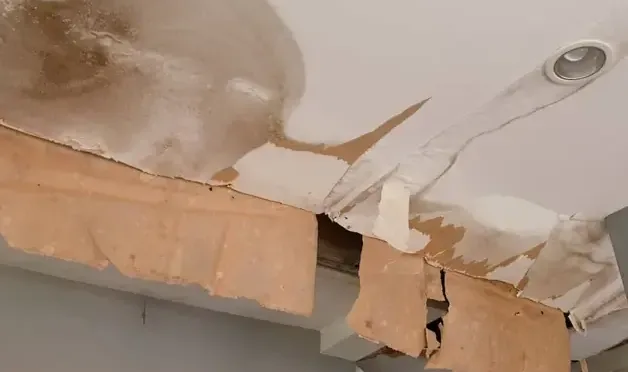
    Note damp carpet, swollen trim and ceiling staining in adjoining spaces. Those observations help the assessor trace the release instead of focusing solely on the room containing the broken pipe.

  4. 4

    Preserve the source description

    Record photographs and the plumber's explanation of the failed component when available. Keep removed parts if practical and requested, without delaying necessary isolation or leaving damaged plumbing operating.

Assessment and control

How burst pipe water damage is handled

Rapid local response

The response team prioritizes active water movement and unsafe access. The first assessment separates source control from extraction, so a stopped leak does not leave hidden wet materials untreated.

IICRC S500 drying standard

The drying specialist sets a material-specific goal using unaffected reference readings. Airflow and dehumidification follow the evaporation load, with equipment adjusted when the daily measurements show a change.

Claim-ready documentation

The project file records the water source, affected rooms, material condition and work performed. Photographs and moisture logs let the owner and insurer examine the scope without relying on a dry-looking surface.

Local water experts

The site assessment checks the building actually affected, including access restrictions and shared assemblies. The restoration contractor distinguishes cleanup from plumbing, roof or equipment repair before recommending the next step.

Planning the cleanup

What does burst pipe water damage cost in Green Valley, AZ?

Burst pipe cleanup in Green Valley depends on spread, cavity access and the materials affected. Plumbing repair and reconstruction should be identified apart from extraction and drying so authorization covers the work actually needed rather than only the visible puddle.

One accessible wet room

$1,000 to $2,500
  • Limited water spread
  • Open inspection access
  • Focused material drying

Water through several spaces

$2,500 to $7,000
  • Multiple wet finishes
  • Partition edge checks
  • Additional equipment placement

Hidden or extensive spread

$7,000 to $15,000+
  • Concealed saturated insulation
  • Broader removal scope
  • Detailed repair coordination

Category, wet square footage, material class and the delay before drying determine the scope. Repairing the source and replacing finishes may add separate charges. Compare the assumptions with the water damage cost calculator.

Work sequence

Burst Pipe Water Damage process

The crew records the starting condition, adjusts the equipment and verifies the result.

  1. 1

    Connect the plumbing and room findings

    The initial assessment records where the pipe failed and where moisture appears in the building. The two locations may differ because water can travel inside an assembly. Safe source isolation and repair arrangements are established alongside the inspection, with access responsibilities made clear before opening shared surfaces.

  2. 2

    Open only with a stated purpose

    Targeted access allows inspection of wet insulation, framing and the pipe repair area. The scope should explain each opening and identify finishes that cannot be retained. Room photographs and measurements preserve the relationship between the failure, the water path and the removal boundaries chosen for the work.

  3. 3

    Dry the reachable assembly

    Liquid is removed before equipment addresses moisture remaining in retained materials. Airflow needs a route to the actual wet surfaces; an appliance or intact cabinet can block that route. Measurements help determine whether the arrangement is working or whether a concealed section needs additional access to dry effectively.

  4. 4

    Close the loop before reconstruction

    The completed source repair and the drying record serve different purposes. Both belong in the handoff so the repair contractor knows what has been corrected and which surfaces are ready. Any outstanding access issue or remaining wet material should be resolved before new finishes conceal the affected area.

FirstStop continuing discharge
AccessIdentify repair authorization
InspectionFollow cavity water
CompletionDocument dry repair surfaces

A sudden plumbing release can travel sideways inside a wall before reaching the floor. The room containing the failed pipe therefore needs an inspection that includes adjacent spaces. Stopping the flow prevents additional damage; it does not remove water already absorbed by the building.

Arrange access around the actual ownership

Green Valley includes HOA managed developments, with some completed developments turned over to management companies or homeowner boards. A burst pipe affecting a shared wall can involve both the occupant and a separate property contact. Early communication should establish who can authorize entry and approve removal of affected finishes.

For properties described relative to Las Campanas on Belltower Drive or Santa Rita Springs on Via Rio Fuerte, a useful service request also explains the building entrance and any restricted utility area. Recreation center names provide location context; the individual property arrangement controls repair access.

Look beyond the place where water emerged

The first damp patch can form at a baseboard even when the pipe failure is higher in the wall. Insulation may carry water downward, and flooring can direct it into another room. Measurements at several surfaces help distinguish the visible exit point from the full affected assembly.

Opening a wall should provide a clear benefit, such as reaching wet insulation or the plumbing repair. Removal boundaries deserve an explanation before work begins. A continuous finish may extend beyond the wet area, making restoration and later cosmetic repair separate scope decisions that the owner should understand.

Keep plumbing repair and moisture recovery connected

A repaired pipe should be checked by the appropriate trade before surrounding work is concealed. Meanwhile, water extraction addresses pooled liquid and structural drying addresses moisture retained in framing and other materials. Scheduling those tasks together helps avoid closing an assembly too soon.

Canoa Ranch is a recreation center on Turquoise Mountain Drive, another useful local reference for an initial description. The more important technical details remain inside the property: which rooms changed, whether water continues to enter, and whether a shared surface or locked utility space needs another person's authorization.

Practical answers

Burst Pipe Water Damage questions in Green Valley, AZ

Does stopping the water finish the emergency work?

Source isolation prevents additional discharge, but water already inside floors and walls remains. Extraction, material assessment and drying may still be necessary. The initial inspection should define those needs separately from the plumber's repair so nothing is concealed while wet.

Who should be notified about a shared wall?

Notify the property owner or designated management contact as well as any affected occupant. The governing ownership arrangement determines who can authorize work. Restoration planning should identify practical access permissions without assigning financial responsibility from the appearance of the damage alone.

Will the wall need to be opened?

Access depends on where the pipe and wet materials are located. An opening may be needed for repair, saturated insulation removal or effective drying. The assessor should explain the intended purpose and boundary instead of opening every nearby wall by default.

Can the same event affect a ceiling elsewhere?

Water can follow framing and penetrations before becoming visible. A ceiling stain in another area may belong to the same release, so it should be reported during inspection. Its condition and moisture readings help establish whether additional access or protection is required.

Should furniture be moved before inspection?

Light belongings can be kept clear from a safe dry position, but heavy soaked contents should not be dragged across unaffected flooring. Photographs taken before movement preserve the starting condition. Handling plans should account for both the item and the surface beneath it.

What belongs in the final repair record?

Keep the source repair description alongside photos, moisture readings and removal decisions. The drying record should identify surfaces prepared for reconstruction. That combination helps the owner understand what was repaired, what was removed and which finishing work remains after equipment leaves.

Service area

Burst pipe water damage coverage

Green Valley, AZ

Green Valley pipe damage assessments account for separate homes and shared ownership arrangements. Include the affected rooms, source repair status and the contact authorized to arrange access.

The same service nearby: burst pipe water damage in Sahuarita, Corona de Tucson, Drexel Heights.

Water damage restoration in Green Valley · every town covered

24/7 water damage dispatch

A stopped leak still needs a drying assessment

Arrange an inspection that connects the plumbing repair with wet walls, floor edges and the materials that must be ready before reconstruction begins.

(888) 949-8496Plan the pipe cleanup
(888) 949-849624/7 dispatch