Pooled water and soaked surfaces

Water Extraction in Green Valley

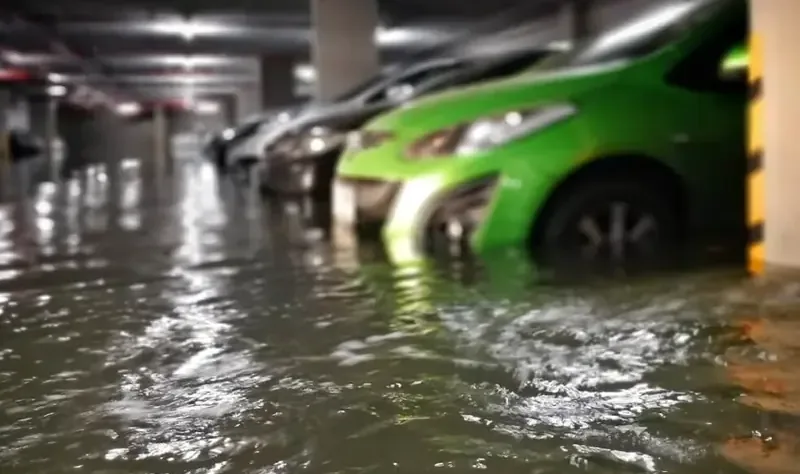
A floor covered in water needs removal before drying can make progress. Extraction planning separates a plumbing spill from muddy outdoor entry and checks where the water has traveled.

(888) 949-8496Discuss standing water removal
Water source assessment Floor edge checks Extraction before drying
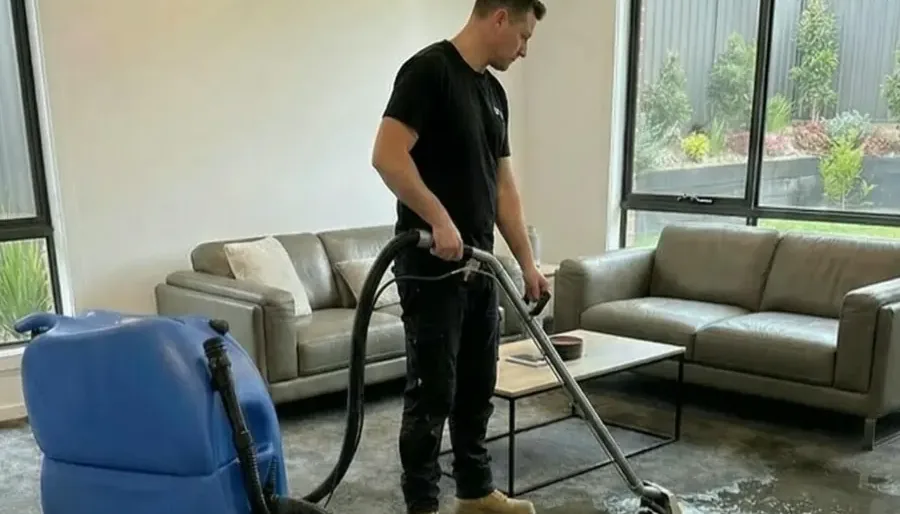
Technician using an extraction wand across a wet living room floor
Immediate priorities

Water Extraction: first steps

  1. 1

    Keep a dry approach

    Stay out of water near outlets, appliances or unstable ceilings. A dry route allows the affected rooms to be described without stepping through a potential electrical or contamination hazard.

  2. 2

    Limit continuing entry

    Use a safely accessible water valve for an indoor leak when its function is known. Outdoor entry may require waiting for safe conditions and arranging appropriate building protection.

  3. 3

    Identify what touched the water

    Mention mud, wastewater, detergent or an appliance release. These details influence cleanup methods and help prevent contaminated belongings from being carried across dry portions of the home.

  4. 4

    Leave heavy wet items in place

    Do not drag saturated furniture through several rooms. Photograph its location and allow the inspection to determine a suitable movement route and whether underlying flooring also needs attention.

Assessment and control

How water extraction is handled

Rapid local response

The response team prioritizes active water movement and unsafe access. The first assessment separates source control from extraction, so a stopped leak does not leave hidden wet materials untreated.

IICRC S500 drying standard

The drying specialist sets a material-specific goal using unaffected reference readings. Airflow and dehumidification follow the evaporation load, with equipment adjusted when the daily measurements show a change.

Claim-ready documentation

The project file records the water source, affected rooms, material condition and work performed. Photographs and moisture logs let the owner and insurer examine the scope without relying on a dry-looking surface.

Local water experts

The site assessment checks the building actually affected, including access restrictions and shared assemblies. The restoration contractor distinguishes cleanup from plumbing, roof or equipment repair before recommending the next step.

Planning the cleanup

What does water extraction cost in Green Valley, AZ?

Green Valley extraction costs vary with water depth, accessibility and contamination, plus the materials retaining moisture after removal. The estimate should distinguish liquid removal from disposal, cleaning and subsequent drying so the owner can assess the complete scope.

A shallow localized release

$500 to $1,200
  • Accessible floor water
  • Small removal area
  • Limited contents handling

Several wet rooms

$1,200 to $3,000
  • Connected floor surfaces
  • Additional extraction passes
  • Broader moisture checks

Heavy or dirty water

$3,000 to $7,000+
  • Sediment handling needs
  • Contaminated material decisions
  • Expanded cleanup boundaries

Category, wet square footage, material class and the delay before drying determine the scope. Repairing the source and replacing finishes may add separate charges. Compare the assumptions with the water damage cost calculator.

Work sequence

Water Extraction process

The crew records the starting condition, adjusts the equipment and verifies the result.

  1. 1

    Choose a removal approach

    The inspection establishes whether water can be extracted directly or requires sediment handling first. Depth, floor finish and the route to the work area affect equipment selection. Photographs and a room sketch preserve the original condition before hoses, belongings or removable floor coverings change the scene.

  2. 2

    Recover accessible liquid

    Extraction equipment removes pooled water and draws moisture from suitable recoverable finishes. Operators revisit seams and low spots rather than treating a single pass as completion. The water collection and handling arrangement should match the assessed source, with pathways protected from transferring dirt into unaffected rooms.

  3. 3

    Expose the remaining wet boundary

    Measurements around wall bases, closets and adjoining rooms identify moisture left beyond the extracted area. Saturated padding or damaged trim may need removal to reach the assembly beneath. Decisions should explain why material is being retained or removed and preserve a record of the affected layers.

  4. 4

    Transfer into measured drying

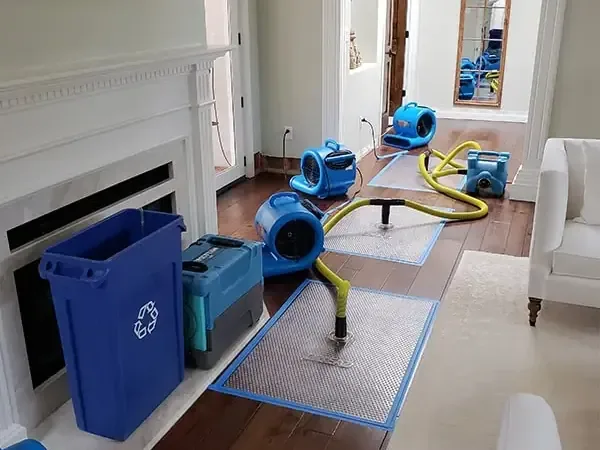
    After liquid removal, the drying arrangement targets retained materials. Air movement and dehumidification are chosen for the remaining load, then adjusted using readings. The owner receives a distinction between the extraction work already completed and the moisture reduction still needed before flooring or wall repairs proceed.

PriorityRecover pooled liquid
BoundaryTrace wet floor edges
HandlingSeparate dirty entry
NextMeasure retained moisture

The deepest patch of water is only the starting point. A towel may clear the visible surface while liquid remains beneath a carpet edge or cabinet. Extraction work follows that spread and prepares the space for a drying plan built around the materials left in place.

Muddy entry changes the removal sequence

Casas de Abrego has experienced reported flood damage and thick street mud. When similar outdoor water enters a home, sediment can settle into seams and obstruct effective cleaning. The inspection needs a description of the entry route, not just a photograph of the current water depth.

Green Valley lies west of the Santa Cruz River. That setting makes the source question useful, but the actual loss determines handling. Water released by a supply fitting inside a room should be assessed separately from runoff that crossed a patio or threshold before reaching the same finish.

Small spaces can hold a hidden reservoir

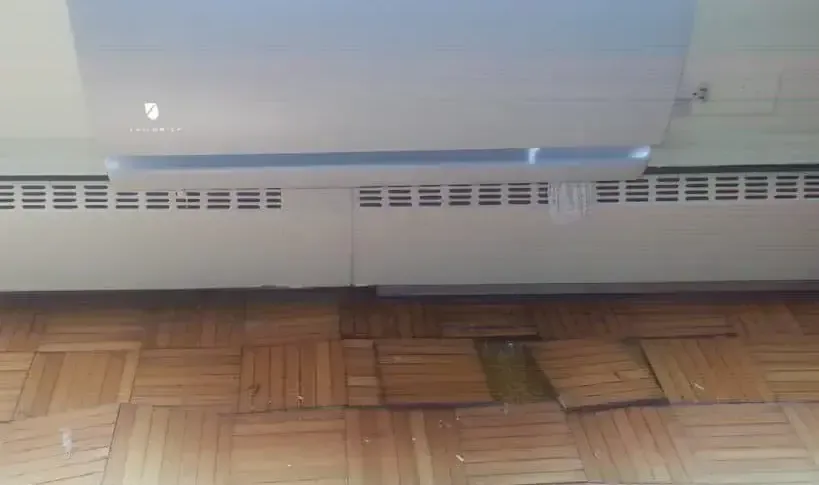
Extraction beneath movable contents may reveal water trapped at floor transitions. Closet corners and recessed cabinet bases deserve particular attention because they can remain wet after an open walking area looks dry. The inspector checks those concealed spaces through controlled access points and identifies which sections of the finish can remain during drying.

  • Carpet backing and padding need separate condition checks after surface water is recovered.
  • Liquid against a wall can reach the bottom of the assembly beyond visible trim.
  • Furniture movement should avoid spreading dirty water across a previously unaffected room.

Finish removal with a practical next step

Location references such as Canoa Hills on Camino del Sol and East Center on Abrego Drive help describe the service area. Access details for the actual property are more useful for work planning: a locked courtyard or shared entrance can affect how equipment reaches the wet room.

The next decision concerns moisture held in the building. Structural drying explains that stage. Where water crossed outdoor ground, flood cleanup addresses sediment and contaminated materials. The handoff should make clear which rooms have had liquid removed and which assemblies still need drying or opening.

A room sketch can keep those remaining tasks clear for the owner.

Practical answers

Water Extraction questions in Green Valley, AZ

Is extraction enough for a soaked carpet?

Removing liquid is an early step. The carpet backing, padding and supporting floor need inspection afterward. Retention depends on their condition and the water exposure, and any materials kept in place still require measured drying before the room returns to normal use.

Can a household vacuum remove the puddle?

A household vacuum is unsuitable for standing water. Electrical exposure and dirty water can create additional hazards. Keep equipment out of the affected area until the source and access conditions are assessed, particularly where outlets or appliance connections are wet.

Why inspect a room without visible water?

Water can travel under a partition or along a continuous floor finish. The adjoining room may show only a damp edge or no immediate visible change. Measurements help establish that boundary before equipment is arranged and repair decisions become more difficult.

Does muddy water always mean flooring removal?

The decision depends on the material and the depth of contamination. Porous layers may be difficult to clean thoroughly, while some solid surfaces allow cleaning after access is established. The scope should identify each affected layer and explain the handling choice.

What happens to furniture during extraction?

Contents are assessed for safe movement and exposure. Some items can be protected or relocated through a controlled route, while heavy saturated pieces may require additional handling. Photographs and item notes help preserve the original condition before movement changes the room.

When does the drying stage begin?

Drying follows removal of accessible liquid and the necessary cleaning or material removal. Its starting arrangement depends on retained surfaces and concealed wetting. Equipment may then be adjusted as readings show which assemblies are responding and which need a different approach.

Service area

Water extraction coverage

Green Valley, AZ

Extraction discussions for Green Valley include the water source, room access and any shared property contact. Location and entry arrangements are checked before planning equipment placement.

The same service nearby: water extraction in Sahuarita, Corona de Tucson, Drexel Heights.

Water damage restoration in Green Valley · every town covered

24/7 water damage dispatch

Move from puddles to a drying plan

Describe the wet surfaces and adjoining spaces to arrange a focused assessment of liquid removal, material condition and the drying work that follows.

(888) 949-8496Plan the removal sequence
(888) 949-849624/7 dispatch