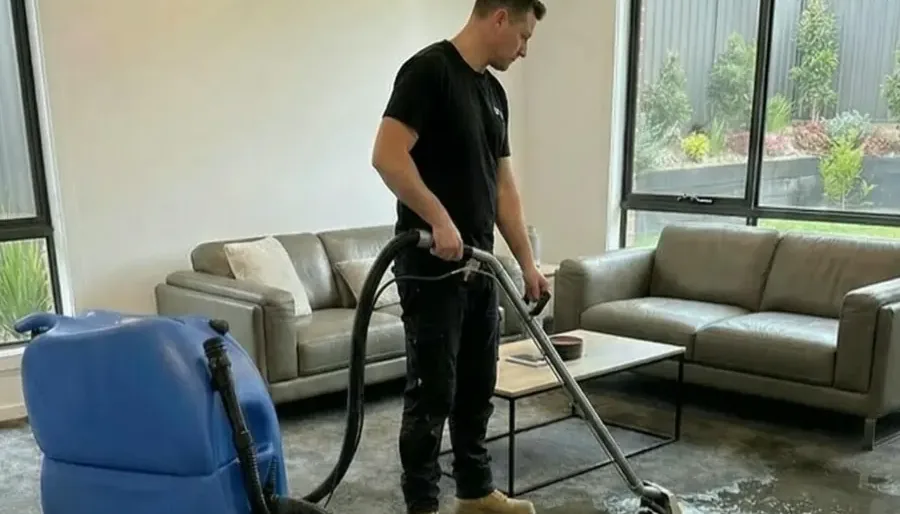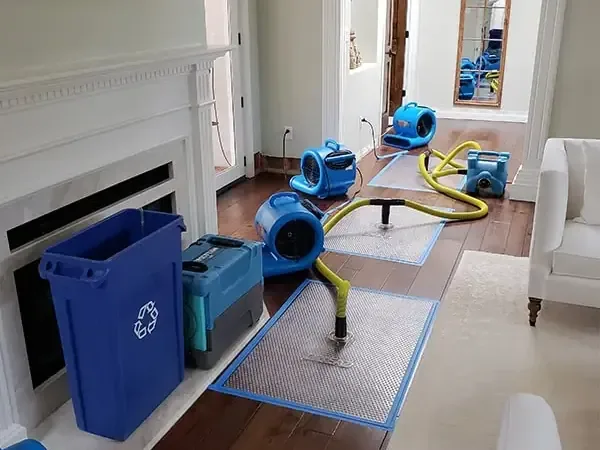
Ground water inside the building

Flood Cleanup in Green Valley

Receding floodwater can leave contamination in places a mop cannot reach. Cleanup needs a controlled boundary, sediment removal and decisions about the flooring and wall layers exposed to outdoor water.

(888) 949-8496Discuss flood residue and damage
Controlled access Sediment removal Porous material assessment
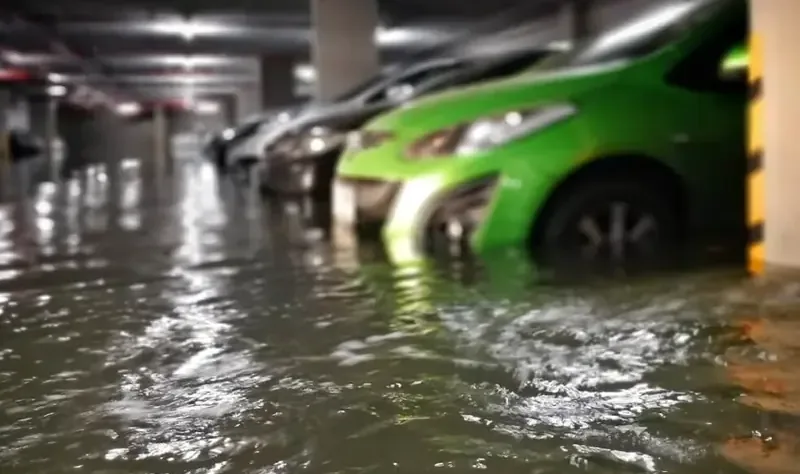
Floodwater across a parking garage floor beside parked vehicles
Immediate priorities

Flood Cleanup: first steps

  1. 1

    Keep people beyond the wet boundary

    Avoid walking through floodwater or carrying dirty shoes into unaffected rooms. Children and pets should remain outside the work area while the exposure and electrical conditions are assessed.

  2. 2

    Do not energize wet equipment

    Leave appliances, outlets and electrical controls alone when water has reached them. The appropriate professional should evaluate affected systems before cleanup work depends on their safe operation inside the building.

  3. 3

    Record contents without handling them

    Photograph affected furniture and stored items from a safe position. Their location and condition help shape disposal or cleaning decisions without moving contaminated material through the property prematurely.

  4. 4

    Describe where water entered and settled

    Mention doors, garage thresholds and low interior areas where sediment remains. Those observations help define the inspection route and identify layered finishes that may conceal residues after the surface is cleared.

Assessment and control

How flood cleanup is handled

Rapid local response

The response team prioritizes active water movement and unsafe access. The first assessment separates source control from extraction, so a stopped leak does not leave hidden wet materials untreated.

IICRC S500 drying standard

The drying specialist sets a material-specific goal using unaffected reference readings. Airflow and dehumidification follow the evaporation load, with equipment adjusted when the daily measurements show a change.

Claim-ready documentation

The project file records the water source, affected rooms, material condition and work performed. Photographs and moisture logs let the owner and insurer examine the scope without relying on a dry-looking surface.

Local water experts

The site assessment checks the building actually affected, including access restrictions and shared assemblies. The restoration contractor distinguishes cleanup from plumbing, roof or equipment repair before recommending the next step.

Planning the cleanup

What does flood cleanup cost in Green Valley, AZ?

Flood cleanup costs in Green Valley depend on contamination, material removal and the extent of affected building layers. The estimate should explain sediment handling, cleaning and drying separately, along with disposal and repair preparation needed after outdoor water reaches occupied space.

A contained runoff entry

$3,000 to $5,500
  • Limited sediment footprint
  • Focused material assessment
  • Controlled cleaning access

Multiple contaminated rooms

$5,500 to $15,000
  • Connected porous finishes
  • Expanded disposal needs
  • Several drying zones

Extensive building wetting

$15,000 to $30,000+
  • Broad assembly exposure
  • Substantial removal work
  • Complex occupancy planning

Category, wet square footage, material class and the delay before drying determine the scope. Repairing the source and replacing finishes may add separate charges. Compare the assumptions with the water damage cost calculator.

Work sequence

Flood Cleanup process

The crew records the starting condition, adjusts the equipment and verifies the result.

  1. 1

    Define exposure and safe routes

    The first assessment identifies the water entry path, affected rooms and hazards that prevent access. Work and occupant routes are separated where necessary. Photographs of residues and water marks preserve the original exposure before removal changes the appearance of floors, contents and lower wall surfaces throughout the affected area.

  2. 2

    Remove liquid and bulk deposits

    Suitable extraction and residue handling methods reduce standing water and accumulated sediment. The work avoids carrying contamination into dry rooms through equipment, footwear or contents movement. Material condition is reviewed as surfaces become visible, with disposal needs explained before porous finishes are removed from the building.

  3. 3

    Reach and clean retained surfaces

    Hidden joints and cavities may need access to remove deposited material effectively. The cleaning plan identifies the surfaces being retained and the layers that cannot be cleaned adequately in place. Controlled handling and documentation keep the owner informed as the initial flood footprint becomes a practical repair boundary.

  4. 4

    Dry after the cleaning decisions

    Retained assemblies receive controlled drying once the necessary removal and cleaning are complete. Measurements address wall bases, substrates and other exposed surfaces rather than only the room air. The final work record identifies cleaned materials, removed layers and drying condition so reconstruction can proceed with an understandable scope.

SourceWater crossing outdoor ground
ResidueInspect seams and cavities
MaterialsAssess porous exposure
OrderClean before controlled drying

After outdoor water drains away, the damage boundary can become harder to see. Fine deposits remain beneath trim and inside joints, while porous finishes continue holding water. A flood cleanup scope should preserve the original exposure record and reach the areas that surface wiping leaves untouched.

Mud changes what a clean floor means

Reports from Casas de Abrego describe flood damage and thick street mud. When sediment enters a room, removing the obvious deposit is only part of the work. Door tracks, cabinet recesses and floor transitions can retain material that needs direct access before the assembly is ready for drying.

The Santa Cruz River lies east of Green Valley. That geography provides context for the community, while the actual source and water path at a property govern its cleanup. Entry photographs, visible marks and affected layers help establish the scope after the outdoor flow has stopped.

Use a removal plan that explains each layer

A floor can contain a finish, backing, adhesive and substrate with different exposure and cleaning needs. A lower wall may include trim, board and insulation. The owner should receive material decisions for those layers, including why some can remain and others require removal to reach contamination or damage.

Waste and wet contents need a controlled path out of the work area. Moving them through occupied rooms without protection can expand the cleaning boundary. Access planning should therefore identify both the damaged surfaces and the routes used by equipment, workers and disposal materials.

Return to dry materials with a clear record

East Center on Abrego Drive and Continental Vistas on Camino Guarina are local recreation facilities. Their names can help describe a property area during an initial discussion. Building access, shared ownership and occupancy are then checked for the particular loss rather than assumed from a location reference.

Water extraction addresses recoverable liquid, while structural drying follows the necessary contamination cleanup. The handoff should describe the cleaned assembly and its moisture condition, giving the reconstruction contractor a clear basis for replacing the layers removed during flood recovery.

Practical answers

Flood Cleanup questions in Green Valley, AZ

Is floodwater cleaner after the mud settles?

Settling changes appearance but does not resolve the exposure history. Water that crossed outdoor ground can leave contamination on surfaces and within porous layers. Cleanup decisions should reflect that contact and the materials involved, even when the remaining liquid looks relatively clear.

Can a carpet be kept after outdoor flooding?

The condition of the carpet, backing and padding must be assessed in light of contamination. Porous layers can be difficult to clean adequately after outdoor exposure. The removal decision should identify the affected materials and explain how the substrate beneath them will be handled.

Why open a lower wall after water recedes?

Water and residues may reach the cavity through joints or saturated board. Access can be necessary to remove affected insulation and clean retained surfaces. The proposed opening should have a stated purpose and a boundary based on the exposure found during the inspection.

Should fans be placed in a muddy room immediately?

Air movement should follow an appropriate assessment of contamination and cleaning needs. Blowing across dirty surfaces can spread residues. The work plan should first establish safe access, remove affected material where needed and clean retained surfaces before arranging controlled drying equipment.

What happens to wet stored belongings?

Each item needs a condition and exposure decision. Some solid surfaces may permit cleaning, while porous belongings can require different handling. Photographing items in place and keeping an inventory helps the owner evaluate those decisions before movement or disposal changes the original scene.

How is completion different from visible cleanliness?

Visible cleanliness is part of the result, but retained materials also need drying assessment. Records should identify removed layers, cleaned surfaces and moisture findings. That combination explains what remains in the building and helps establish when reconstruction can begin over the recovered assembly.

Service area

Flood cleanup coverage

Green Valley, AZ

Flood cleanup planning in Green Valley starts with the outdoor entry route, residue pattern and safe property access. Shared management contacts should be included when removal needs authorization.

The same service nearby: flood cleanup in Sahuarita, Corona de Tucson, Drexel Heights.

Water damage restoration in Green Valley · every town covered

24/7 water damage dispatch

Address what the receding water left behind

Arrange an assessment of residues, porous finishes and retained surfaces so the cleanup sequence accounts for contamination as well as moisture inside the building.

(888) 949-8496Plan sediment and material removal
(888) 949-849624/7 dispatch