After rain reaches the interior

Green Valley Storm Water Damage

Storm cleanup begins by separating rain through the building exterior from water that crossed the ground. Each route affects the safety boundary, material choices and work needed inside the property.

(888) 949-8496Describe the storm entry points
Entry route assessment Separate runoff exposure Interior recovery planning
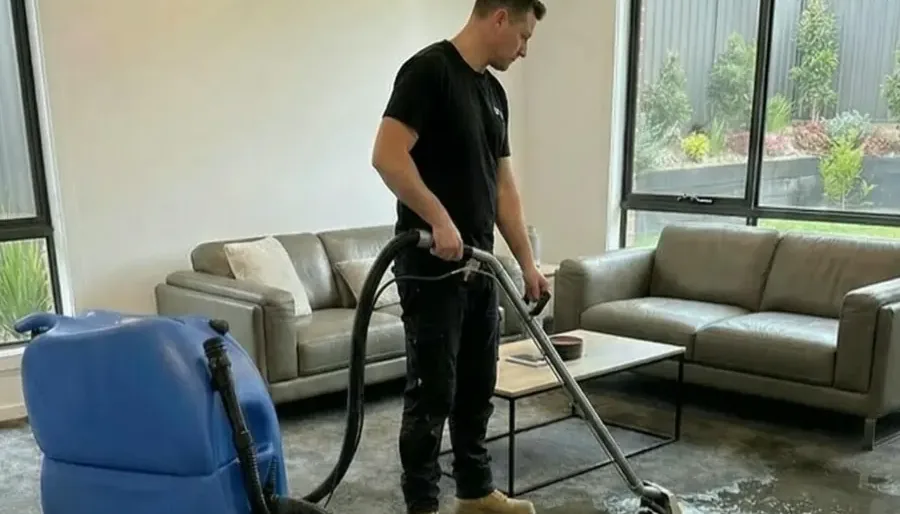
Standing water reflecting furniture across the floor of a living room
Immediate priorities

Storm Water Damage: first steps

  1. 1

    Wait for a safe approach

    Stay away from moving outdoor water and rooms with unstable overhead materials. Access should begin only when the route to the affected space avoids electrical exposure and other immediate hazards.

  2. 2

    Separate entry descriptions

    Report water coming through a roof or window separately from water crossing a doorway at floor level. Different routes can produce different material handling needs within the same building.

  3. 3

    Photograph marks before cleaning

    Capture sediment, staining and the highest visible water marks from a safe location. These observations help explain the exposure after water recedes and the surface appearance changes during cleanup.

  4. 4

    Arrange protection against renewed entry

    The appropriate repair trade should assess damaged exterior openings. Interior restoration needs to be coordinated with that work so retained materials are not repeatedly wetted while equipment is operating.

Assessment and control

How storm water damage is handled

Rapid local response

The response team prioritizes active water movement and unsafe access. The first assessment separates source control from extraction, so a stopped leak does not leave hidden wet materials untreated.

IICRC S500 drying standard

The drying specialist sets a material-specific goal using unaffected reference readings. Airflow and dehumidification follow the evaporation load, with equipment adjusted when the daily measurements show a change.

Claim-ready documentation

The project file records the water source, affected rooms, material condition and work performed. Photographs and moisture logs let the owner and insurer examine the scope without relying on a dry-looking surface.

Local water experts

The site assessment checks the building actually affected, including access restrictions and shared assemblies. The restoration contractor distinguishes cleanup from plumbing, roof or equipment repair before recommending the next step.

Planning the cleanup

What does storm water damage cost in Green Valley, AZ?

Storm cleanup in Green Valley varies with entry routes, contamination and the number of wet assemblies. A useful estimate separates exterior protection from interior removal, cleaning and drying, showing how each part of the work addresses the conditions found after the storm.

One contained entry point

$1,200 to $2,800
  • Localized room exposure
  • Accessible wet finishes
  • Focused entry assessment

Several rain-affected rooms

$2,800 to $8,000
  • Multiple material types
  • Broader moisture mapping
  • Additional protection needs

Complex storm exposure

$8,000 to $18,000+
  • Runoff and overhead entry
  • Extensive removal decisions
  • Coordinated repair access

Category, wet square footage, material class and the delay before drying determine the scope. Repairing the source and replacing finishes may add separate charges. Compare the assumptions with the water damage cost calculator.

Work sequence

Storm Water Damage process

The crew records the starting condition, adjusts the equipment and verifies the result.

  1. 1

    Build an entry map

    The assessment relates roof, wall and threshold observations to the rooms affected inside. Sediment and water marks help distinguish pathways after standing water has receded. The resulting map supports separate handling decisions where outdoor ground water and rain through a building opening reached different materials during the event.

  2. 2

    Stabilize the interior work area

    Unsafe overhead sections, wet electrical equipment and contaminated surfaces shape the access boundary. The owner receives a description of necessary restrictions and removal work. Exterior protection is coordinated with the appropriate trade while contents and walking routes are arranged to avoid transferring dirty material into unaffected spaces.

  3. 3

    Remove residues and wet material

    Liquid recovery is followed by the cleaning and material decisions appropriate to each exposure. Sediment lodged around thresholds or beneath finishes can require access that ordinary surface wiping misses. The work record should explain which layers were removed, which were cleaned and which remain available for controlled drying.

  4. 4

    Verify recovery across separate zones

    Drying progress is checked in each affected assembly, including overhead and floor level areas. A room with several entry routes may respond unevenly. Before reconstruction, the handoff connects moisture readings with exterior repair status and identifies any remaining access need so the building is ready for the next work stage.

RoutesRoof wall and threshold
AssessmentSeparate water exposures
CleanupReach trapped sediment
RecoveryCoordinate exterior repair

A wet living room after a storm can contain several damage patterns. The ceiling may show rain entry while the floor carries sediment from outdoors. Treating those patterns separately helps establish what needs cleaning, what must be opened and which repair stops the next release.

Record the route before the marks disappear

Casas de Abrego flood reporting describes damage and thick mud in the streets. Mud carried inside can settle at door tracks and beneath loose floor edges. Photographs of those deposits help the assessor understand the exposure even when the remaining puddle looks clearer than the original incoming water.

Green Valley lies on the western side of the Santa Cruz River. For an individual property, the inspection follows water marks and openings in the building itself. A doorway affected by runoff needs different handling from a ceiling wet beneath a roof defect, even when both changed during the same rainfall.

Keep the repair scope connected across trades

Monsoon conditions generally extend from July through September. Temporary protection and permanent exterior repair should be arranged by the appropriate trade as interior materials are assessed. The restoration plan should identify which surfaces remain exposed to another shower and how that affects the sequence of removal and drying.

Desert Hills and Canoa Hills are recreation centers on Camino del Sol. When describing a nearby property area, include access restrictions as well as the location reference. A shared entrance, occupied room or management controlled exterior can affect how storm recovery work is authorized and staged.

Match cleanup to each affected assembly

Flood cleanup addresses outdoor water that brought ground contamination inside. Roof leak restoration addresses moisture above finished ceilings. A combined storm loss may need both approaches, with photographs and material notes preserving the boundaries between them.

The drying record should cover wall bases, overhead framing and any retained floor layers reached by the storm. A clean surface is a useful milestone, but repair readiness also depends on moisture within those materials and correction of the openings that admitted the water.

Practical answers

Storm Water Damage questions in Green Valley, AZ

Can rainwater and runoff need different treatment?

Yes. Rain that enters through an opening and water that crossed the ground have different exposure histories. The inspection should account for sediment and contact with contaminated surfaces, then make handling decisions for each affected material rather than applying one assumption across the room.

Why photograph sediment before removing it?

Sediment can indicate the path and extent of outdoor entry after water recedes. Photographs help preserve that information as cleaning changes the scene. They also help explain why floor edges or wall cavities beyond the visible puddle need inspection and possibly additional access.

Should drying equipment run while rain still enters?

Continuing entry must be addressed in the work plan. Equipment alone cannot compensate for repeated wetting through an unresolved opening. Appropriate weather protection and source repair should be coordinated with restoration so the drying arrangement can make measurable progress on retained materials.

Does every storm loss require ceiling removal?

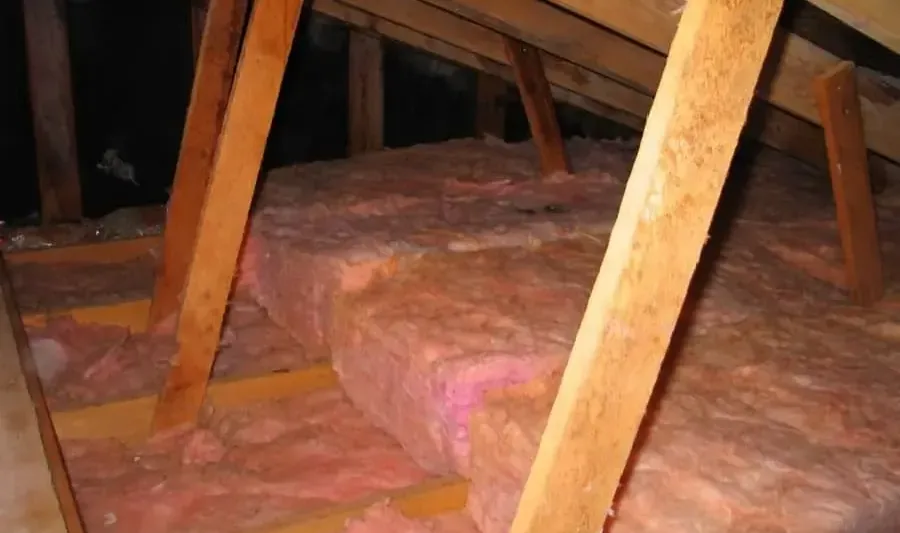
Ceiling work depends on the actual exposure and condition. A threshold runoff loss may leave overhead surfaces unaffected, while roof entry can saturate insulation above a small stain. The inspection should justify removal by the material findings and access required for effective work.

Can occupants clean muddy door tracks themselves?

Outdoor water can carry contamination into tracks and concealed edges. Avoid spreading residues into occupied areas or using fans across dirty surfaces. An assessment can define the cleaning boundary and identify porous materials that need controlled handling rather than routine household wiping.

What should a storm repair handoff include?

It should connect interior findings with the exterior repair status. Keep photographs, removal notes and drying measurements together, and identify any temporary protection still requiring followup. That record helps the next contractor understand which assemblies are ready and which source work remains.

Service area

Storm water damage coverage

Green Valley, AZ

Green Valley storm assessments consider every reported entry route and the property's access arrangements. Describe overhead wetting, threshold runoff and any exterior protection already in place.

The same service nearby: storm water damage in Sahuarita, Corona de Tucson, Drexel Heights.

Water damage restoration in Green Valley · every town covered

24/7 water damage dispatch

Recover each wet area in the right sequence

Arrange an assessment of entry marks, affected materials and access so cleaning, drying and weather protection can be coordinated for the property.

(888) 949-8496Discuss storm recovery access
(888) 949-849624/7 dispatch