Water removal and wet floor assessment

Valencia West Water Extraction

A spreading puddle can hide a larger wet footprint. Extraction removes accessible water while the assessment follows moisture under floor edges and into adjoining materials.

(888) 949-8496Plan the first water removal
Accessible water removal Floor layer assessment Drying handoff
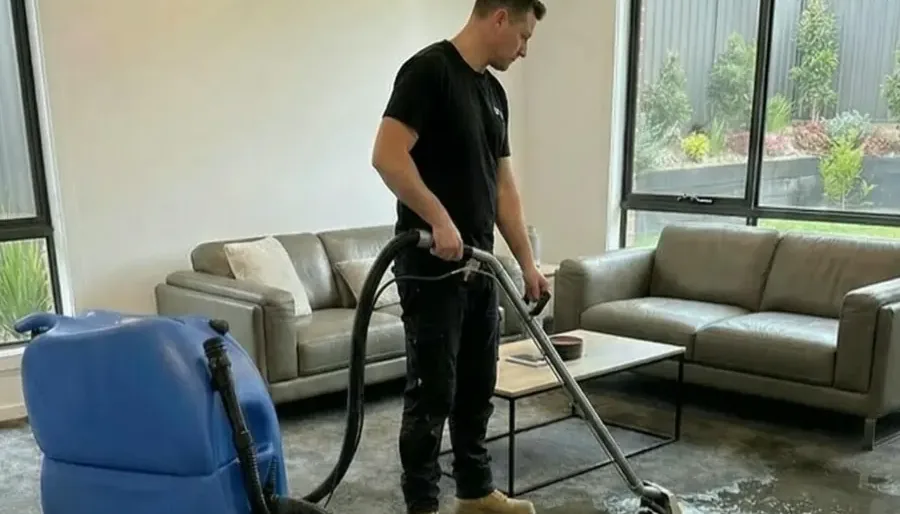
Technician using an extraction wand across a wet living room floor
Immediate priorities

Water Extraction: first steps

  1. 1

    Establish a dry approach

    Standing water near outlets or equipment changes the access plan. Occupants should remain outside the affected area until electrical concerns and unstable surfaces have been addressed by the appropriate professional.

  2. 2

    Identify what entered the room

    The source and its contact history affect the removal method. A recent supply release, appliance discharge and outdoor runoff should be described accurately before extraction equipment enters the property.

  3. 3

    Keep contents above the wet boundary

    Unwet possessions can be relocated through a dry route when handling is safe. Heavy furniture, soaked rugs and fragile items need an assessment before movement spreads water or damages finishes.

  4. 4

    Preserve a view of the loss

    Photographs from an accessible doorway help record the original depth and spread. Notes about when the water appeared can accompany the estimate and later drying records.

Assessment and control

How water extraction is handled

Rapid local response

The response team prioritizes active water movement and unsafe access. The first assessment separates source control from extraction, so a stopped leak does not leave hidden wet materials untreated.

IICRC S500 drying standard

The drying specialist sets a material-specific goal using unaffected reference readings. Airflow and dehumidification follow the evaporation load, with equipment adjusted when the daily measurements show a change.

Claim-ready documentation

The project file records the water source, affected rooms, material condition and work performed. Photographs and moisture logs let the owner and insurer examine the scope without relying on a dry-looking surface.

Local water experts

The site assessment checks the building actually affected, including access restrictions and shared assemblies. The restoration contractor distinguishes cleanup from plumbing, roof or equipment repair before recommending the next step.

Planning the cleanup

What does water extraction cost in Valencia West, AZ?

Water extraction in Valencia West is priced around the amount of accessible water, its condition and the surfaces involved. These ranges help frame the discussion, while the written scope should separate removal from concealed drying and any subsequent repairs.

A shallow localized release

$500 to $1,200
  • Limited accessible floor area
  • Minimal movable contents
  • Focused moisture inspection

Several wet rooms

$1,200 to $3,000
  • Connected floor water paths
  • Additional extraction passes
  • Multiple material checks

Heavy or dirty water

$3,000 to $7,000+
  • Greater water handling needs
  • Debris and disposal planning
  • Contamination aware access

Category, wet square footage, material class and the delay before drying determine the scope. Repairing the source and replacing finishes may add separate charges. Compare the assumptions with the water damage cost calculator.

Work sequence

Water Extraction process

The crew records the starting condition, adjusts the equipment and verifies the result.

  1. 1

    Map the liquid water first

    The initial walk through establishes where water is pooled and where it may have traveled. Floor transitions, cabinet bases and adjoining closets receive attention because the most obvious puddle can be only part of the affected area. Findings help determine equipment access and protect dry belongings during removal.

  2. 2

    Match removal to the surface

    Hard surfaces, rugs and layered flooring require different handling. Extraction aims to remove recoverable liquid without treating every material as salvageable. Where contamination or physical damage changes the decision, the scope should explain the reason for removal before equipment placement makes the original condition harder to see.

  3. 3

    Check beneath the improved appearance

    After visible water is reduced, moisture assessment examines the materials left behind. A dry surface does not settle the condition of an underlayment or wall base. Access may be needed where an impermeable layer prevents evaluation or drying of the material beneath it, with proposed openings explained beforehand.

  4. 4

    Hand over a defined drying scope

    The final extraction record should identify the remaining wet materials, source status and next actions. Equipment for drying is selected around those findings. The owner can then assess what is included in continued mitigation, what repairs remain separate and how progress will be measured before finishes are replaced.

Starting pointSafe access to water
AssessmentSource and surface condition
After removalCheck the concealed layers
Next decisionDry or remove materials

A flooded room presents an immediate task: reduce the liquid water without losing track of where it went. Valencia West had 4,483 housing units in the 2020 Census. At an individual property, the extraction plan depends on its affected rooms, floor layers and access.

The doorway is only the beginning

Water can cross a threshold, run beneath a cabinet toe kick or soak a closet edge while the center of the room remains easier to clean. The assessment should trace those paths. Removing the visible puddle is useful progress, but the hidden wet boundary determines the next stage.

For a property identified near neighboring Tucson Estates or Drexel Heights, the exact location and entry arrangement help establish access. Valencia West is an unincorporated community in Pima County. A clear description of the property avoids confusion before equipment and contents routes are planned.

  • Floor seams can admit water into an underlayment that cannot be reached by a surface pass.
  • Rugs may hold water against the finish below and need separate handling after their condition is assessed.
  • Cabinet bases can hide wet materials even when the exposed kitchen floor has been extracted.
  • Low wall edges deserve measurement where water stood against trim or flowed into an adjoining room.

Water condition changes the removal plan

The cleanup method should account for what the water contacted. Runoff or sewage requires a different approach to access, disposal and cleaning than a contained supply release. Occupants should avoid walking through an unknown puddle, and household fans should remain off until contamination concerns have been assessed.

When outside water is involved, flood cleanup explains the additional material decisions. Those decisions can affect the order of removal and drying, particularly where absorbent finishes cannot be effectively cleaned in place. The scope should keep contamination handling visible rather than treating it as an incidental task.

Extraction creates the next useful measurement

Once recoverable water is removed, the remaining moisture pattern becomes easier to assess. Structural drying then addresses suitable retained materials. The owner should receive a practical explanation of what remains wet, how it will be accessed and what records will support readiness for repair.

Practical answers

Water Extraction questions in Valencia West, AZ

Is extraction enough when the floor looks dry?

The surface appearance answers only part of the question. Water may remain in seams, padding or the wall base after the puddle is gone. Material readings and access checks establish whether drying equipment, selective opening or removal is still necessary.

Can household towels handle a larger release?

Towels may absorb a small accessible spill, but they do not assess concealed spread. A room scale loss needs attention to electrical safety, water condition and underlying materials. Occupants should avoid entering standing water simply to begin mopping before those conditions are evaluated.

Will every rug need disposal?

The decision depends on contamination, material condition and whether cleaning and drying are practical. A rug should be assessed separately from the floor beneath it. The proposed work should identify why an item can remain or why removal is the better option.

What happens to water beneath a cabinet?

The cabinet construction and available access determine the approach. Surface extraction may not reach the enclosed base. Moisture checks can show where an opening is needed so the hidden material can be evaluated and dried without treating an untouched surface as a complete result.

Does removing water stop the leak?

Extraction handles water already released. A failed pipe, appliance or roof opening still needs source repair. The cleanup plan should identify whether that repair has happened and what coordination is necessary to prevent additional water from undoing the removal work.

What should the estimate explain?

A useful estimate identifies the removal area, water condition, contents handling and proposed follow up drying. It should also state whether demolition, disposal or reconstruction are included. Changes discovered after extraction should be described before an expanded scope is approved.

Service area

Water extraction coverage

Valencia West, AZ

Assessment requests for Valencia West can include the affected rooms, source status and access arrangements. The overlapping 85757 ZIP area needs a property specific mailing check.

The same service nearby: water extraction in Sahuarita, Drexel Heights, Green Valley.

Water damage restoration in Valencia West · every town covered

24/7 water damage dispatch

Move from puddles to a drying plan

After extraction, the remaining wet layers need clear decisions. Request a scope that explains material checks, drying access and the work required before the room returns to use.

(888) 949-8496Assess the extraction scope
(888) 949-849624/7 dispatch